Gluten-free travel packing checklist by trip type
Short answer
Bring backup food on every trip1, then add what the trip needs:
- Flight: solid food goes in a carry-on or checked bag, liquid or gel food over 3.4 oz does not go in a carry-on2, and Delta says advanced notice is required for a special meal3.
- Hotel: ask whether the room has a refrigerator and a microwave4.
- Rental or shared kitchen: GIG advises designating tools strictly for gluten-free use and giving your food separate storage if possible5, 6.
- Road trip: fill a cooler and a dry-goods tote7.
Part of Travel planning and logistics, 22 guides
Key points
- The Celiac Disease Foundation, Beyond Celiac, the National Celiac Association and GIG all advise carrying backup snacks1, 8, 9, 10.
- TSA: solid food can go in a carry-on or a checked bag; liquid or gel food larger than 3.4 oz cannot go in a carry-on2.
- An airline gluten-free meal is a request: Delta requires advanced notice and says it cannot guarantee the meal is fully gluten free3, 11.
- A home sensor tests only a small amount of food, and the National Celiac Association does not endorse home devices12, 13.
- GIG says no supplement or medication “neutralizes” gluten14.
What food to pack for each kind of trip
Start with backup food. The Celiac Disease Foundation (CDF) says finding something to eat in transit is typically harder than eating at your final destination15, and Beyond Celiac advises a few filling gluten-free snacks in both your carry-on and your checked luggage8. The categories below come from the charities’ own lists; they are categories, not product picks.
| Trip type | Food categories named | Check before you go |
|---|---|---|
| Flight | Dry, solid items: bars, trail mix, chips and cereal1; plain corn chips, popcorn and rice cakes16; dehydrated noodle cups that need only hot water17 | Liquid and gel foods over 3.4 oz stay out of the carry-on2 |
| Hotel room | Simple foods CDF calls naturally gluten-free and widely available: cheese, fruit, vegetables and nuts18; items that need a microwave, if the room has one7 | Ask the hotel whether the room has a refrigerator and microwave4 |
| Rental or shared kitchen | Shelf-stable items from GIG’s road-trip dry-goods list: canned beans, canned fish, quick-cook brown rice, corn chips, nut butter and jam19 | Separate storage for your food if possible, and one counter area kept for it6, 20 |
| Road trip | A cooler: yogurt, aged cheese, hard-boiled eggs, hummus, pre-cut vegetables21. A dry-goods tote: beans, soup, fish, fruit, nuts, granola, popcorn, rice cakes19 | A fresh ice pack for the cooler, and a can opener for the tote22, 19 |
| International trip | NCA’s snack list: fruit and nut bars, cheese sticks, whole fruit, cut vegetables, crackers and rice cakes, beef jerky, sandwiches23 | Meats and other foods may not be allowed across a border24 |
Read the label of each packaged item before it goes in the bag. On a food FDA regulates, “gluten-free” means less than 20 parts per million (ppm) of gluten25, but the claim is voluntary, so a food that is naturally gluten-free may not carry it26. Foods in one category do not always get the same verdict from us: compare Chocolate Chip CLIF Bars with KIND Dark Chocolate Nuts & Sea Salt bars, then check the type you plan to bring: granola bars, crackers, rice cakes, popcorn, beef jerky, peanut butter, oatmeal and instant coffee.
Flying: what TSA allows and what the airline promises
TSA’s food page says solid food (not liquids or gels) can be carried on or checked, while liquid or gel food larger than 3.4 oz is not allowed in carry-on bags and should go in checked bags if possible2. All food goes through X-ray screening27, officers may tell you to take food out of the bag28, and TSA officers make the final decision on what is permitted29. We read these pages on 2026-11-17; check them again before you fly.
| Item | What TSA’s page says |
|---|---|
| Snack or protein bar | Carry-on: yes. Checked bag: yes30 |
| Peanut butter | Carry-on: yes, up to 3.4 oz (100 ml). Checked bag: yes31 |
| Yogurt, hummus, dips, dressing | GIG lists these as liquids or gels that must meet TSA’s limits32; TSA allows a quart-sized bag of containers of 3.4 oz (100 ml) or less33 |
| Protein or energy powder | Over 12 oz (350 mL) goes in a separate bin for X-ray screening; TSA encourages putting non-essential powders over 12 oz in checked bags34 |
| Ice pack for a snack bag | Allowed if frozen solid at screening; partly melted or slushy packs must meet the liquids rule35 |
| Sandwich or dry snack | GIG says to wrap it or use a sealed container, and not to wrap it in aluminum foil because it interferes with the X-ray36 |
TSA’s peanut butter page is marked last updated in 2018 and its snack bar page in 202031, 30; the food page and the liquids rule above are the broader rules, and the officer at the checkpoint decides29.
A doctor’s note: CDF’s advice, not a TSA rule we found
CDF suggests getting a doctor’s note that lets you carry “medical foods” through airport security, so that nothing is confiscated, including items that may count as liquids37. TSA’s medical-conditions page allows larger amounts of medically necessary liquids, gels and aerosols in reasonable quantities if you declare them at the checkpoint38, but the page does not mention gluten, celiac disease or a special diet39. Because TSA officers make the final decision29, treat a note as something that may help, and keep the food within the carry-on limits above.
The airline meal is a request, not a guarantee
Delta’s special-meals page shows what to read on any airline’s page. It says special meals are offered on its international flights and on most domestic routes for customers traveling in Delta First40, that advanced notice is required3, and that its gluten intolerant meal is prepared with ingredients that do not contain gluten, but Delta cannot guarantee the meals are fully gluten free11.
Lead times differ by source: GIG says most airlines require a pre-order 24 to 72 hours ahead41, and the National Celiac Association says most airlines usually need at least a week’s notice42. CDF advises confirming with the airline at check-in that the meal will be waiting43. GIG notes it is up to you to ask the airline about its gluten-free standards44. Other airlines’ request channels are in airline special meals; the screening details are in gluten-free food through TSA and air travel.
Hotel room: what to ask and what to bring
CDF advises calling the hotel before you go to ask whether the room has a refrigerator and a microwave4, and the National Celiac Association lists booking accommodations with a refrigerator, microwave or kitchenette among its travel tips45. With a fridge and microwave you can use the cooler foods in the road-trip section and the microwave items GIG describes7.
If the microwave is one other people use, GIG’s advice for a microwave shared with gluten-containing food is to wipe it down after each use, because remains of earlier food could splatter onto yours46. For hotel dining, see the hotel breakfast buffet guide and trip planning.
Rental or shared kitchen: the few items that hold gluten
For a vacation house shared with people who eat gluten, GIG advises talking with the other guests before the trip47, designating utensils, cutting boards and other tools strictly for gluten-free use5, giving gluten-free and other food separate storage if possible6, and keeping one area of the counter for gluten-free food20.
| Item you may find in the rental | What GIG says |
|---|---|
| Wooden spoons and other wood | Wood can be tricky to thoroughly clean, and wood fibers could harbor gluten particles48 |
| Cutting boards | If they are pitted or scratched, gluten could settle into crevices49 |
| Colanders and strainers | Removing traces of gluten from tiny, mesh-like strainers can be very difficult50 |
| Non-stick pans | Non-stick surfaces can get scratched and develop grooves where gluten could remain51 |
| Toaster | Crumbs can end up on gluten-free bread; GIG mentions toaster bags52 |
| Convection oven | Always cover the gluten-free item, even when it is the only thing in the oven53 |
| Air fryer | Do not use the same air fryer for gluten-free and gluten-containing cooking54 |
What fits in a suitcase is short. GIG’s stopgaps include toaster bags52, tin foil to put food on at a grill55, and cupcake liners and parchment paper for baking pans56. Pack the ones that match the kitchen you expect, and ask the host what the kitchen has.
The evidence on shared utensils is mixed, which is why the list is short. In one Swiss laboratory study, a wooden spoon, colander, ladle and knife used for gluten-containing food did not put gluten in relevant, quantifiable amounts (below 20 mg/kg) into the gluten-free bread or pasta prepared with them, whichever of three cleaning methods was used57; the authors concluded that utensils used for gluten-containing pasta and bread should not pose a relevant problem to patients with celiac disease, at least in a domestic environment58, though they hypothesized that shared ladles pose a higher risk than shared wooden spoons, colanders or knives59. In one Brigham Young University study, gluten-free foods were fried, toasted and spread with equipment also used for gluten-containing food; most results showed no significant cross-contact, but mayonnaise and peanut butter samples were above the 20 ppm limit60, 61. A jar and knife of your own avoid the case that study flagged, a spread applied with a knife used on gluten-containing bread. More in setting up a rental kitchen.
Road trip: a cooler and a dry-goods tote
GIG’s road-trip list splits into two bags7. For the cooler it names individually packaged plain yogurt, aged cheese, hard-boiled eggs, gluten-free deli meats, pre-cut vegetables, hummus, bean dip, fresh salsa and gluten-free wraps21, with a fresh ice pack to keep perishables fresh22. For the tote it names canned beans, canned gluten-free soup, canned fish, whole fruit, avocados, nuts, dried fruit, gluten-free granola, quick-cook brown rice, corn chips, popcorn, rice cakes, nut butter and jam, plus a can opener, salt and pepper19.
GIG’s 2026 travel article adds a small, compact, shelf-stable snack kept on you at all times10, such as individual packages of nuts, protein bars and crackers62. Stops, hotel nights and chain restaurants are in gluten-free on a road trip.
Cards, documents and medication
- A language or restaurant card. CDF says language cards explain food allergies in many languages and help when talking to restaurant staff abroad63; GIG suggests a printed translation card for a country where the main language is not yours64, and learning how to say “gluten-free” there65; the National Celiac Association suggests a restaurant card that explains the gluten-free diet66.
- A doctor’s note, if you want one: CDF suggests it for carrying “medical foods” through airport security37. See the flying section for what TSA’s pages do and do not say.
- Medication and supplements: CDF advises taking enough prescription and over-the-counter medications, vitamins and supplements for the whole trip, so you do not have to find a pharmacist to check ingredients67.
- The airline’s confirmation of your meal request: CDF advises confirming it at check-in43.
Pocket sensors and enzyme pills: what they do and do not show
Neither replaces reading the label and asking how food was prepared. Here is what the charities and one laboratory study say.
Pocket gluten sensors
- The National Celiac Association does not endorse or recommend home lateral flow devices such as the Nima Sensor, EZ Gluten or LEO, saying they have shown a high margin of inconsistent results such as false negatives13. Celiac Canada’s Scientific Medical Advisory Board does not recommend using the NIMA Sensor to decide whether a food or meal is gluten-free68.
- A sensor tests a small amount of food12. Gluten can be unevenly distributed, so a device might miss it69. GIG says the result reflects only the one sample tested, not the entire serving or meal70, and Celiac Canada says a negative result from one sample does not guarantee that the whole food or meal is gluten-free71.
- Some foods cannot be tested accurately. The National Celiac Association’s list, which it attributes to Nima, includes soy sauce, beer and vinegar, soups and thin sauces, nut butters and melted cheese, and very dry or crumbly foods72.
- A “gluten found” result can come from less than 20 ppm. GIG reports that independent work by FARRP found the Nima sensor detected gluten at 5 ppm about 30% of the time and at 10 ppm over 50% of the time73.
If you carry one anyway, the National Celiac Association says to weigh the test’s limitations and keep asking about ingredients and preparation when you eat out74; Celiac Canada says the same for eating away from home75. The National Celiac Association also says there are no reliable at-home tests for people with celiac disease76.
Gluten-digesting enzyme pills
GIG says there are no supplements or medications that “neutralize” or “de-activate” gluten14, and that a gluten-free diet is currently the only treatment for gluten-related disorders77. In one laboratory study, five commercially available digestive enzyme supplements left the nine immunogenic epitopes of two gliadin fragments largely intact78, and the authors concluded that currently available supplements are ineffective in degrading immunogenic gluten epitopes79. Three of its authors are employed by a company involved in developing a different enzyme for gluten degradation80. The full picture is in gluten-digesting enzyme pills.
Washing and shared tools: what cleaning does and does not do
In its grill advice, GIG says gluten cannot be “burned” off by high temperature but can be removed by a thorough cleaning with soap, water and a good metal grill scrubber81. GIG also says a shared dishwasher load is fine if the dishwasher is functional and removes food particles effectively82.
A laboratory study with FDA authors, published in 2026, tested washing on test coupons soiled with several foods, among them wheat flour and batter: mechanical washing removed the food soils significantly better than manual washing, and tahini and almond butter were significantly harder to remove than the other foods83. That is one laboratory study on test coupons, titled for retail and food service operations83, not a home dishwasher or a rental kitchen.
What to buy at the destination, and what can cross a border
Beyond Celiac’s advice is to find the nearest grocery store on arrival and see what you can eat if no gluten-free restaurants are open; at the very least, it says, fruits and vegetables are internationally gluten-free84. GIG suggests local markets, street vendors and specialty grocers for new ingredients, with a warning that seemingly gluten-free items may contain gluten85. The National Celiac Association also lists shipping gluten-free food ahead to your destination86.
Borders limit what you carry. For entry into the US, CBP says all agriculture items must be declared87, and that undeclared prohibited items will be confiscated and can bring a civil penalty88. The National Celiac Association cautions that meats and other foods may not be allowed across borders24, and GIG says that depending on your destination you may need to toss uneaten perishable food, fruit and vegetables included89. Check the rules of the country you are entering; the details are in bringing gluten-free food across borders, and country guides are listed on the travel hub.
Verdicts in this guide
 OatmealDepends on the productchecked Nov 16, 2026
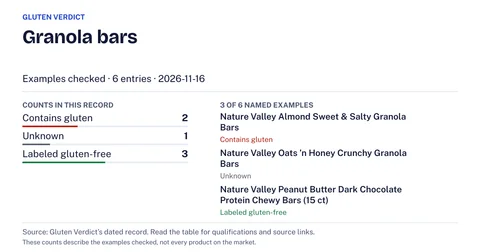 Granola barsDepends on the product2 of 6 products we checked contain gluten: Nature Valley Almond Sweet & Salty Granola Bars and Nature Valley Cinnamon Brown Sugar Soft-baked Oatmeal Squareschecked Nov 16, 2026
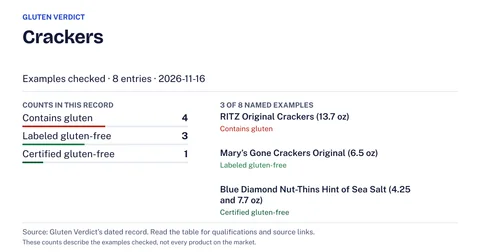 CrackersDepends on the product4 of 8 products we checked contain glutenchecked Nov 16, 2026
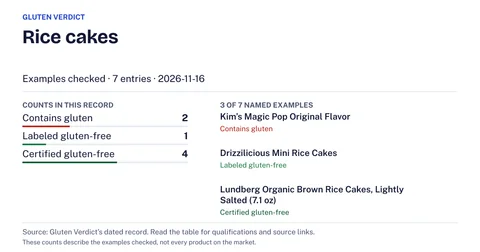 Rice cakesDepends on the product2 of 7 products we checked contain gluten: Kim’s Magic Pop Original Flavor and Kim’s Magic Pop Whole Wheat Flavorchecked Nov 16, 2026
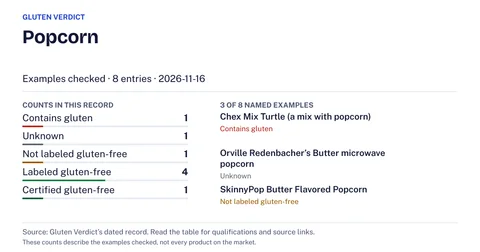 PopcornNaturally gluten-free1 of 8 products we checked contains gluten: Chex Mix Turtle (a mix with popcorn)checked Nov 16, 2026
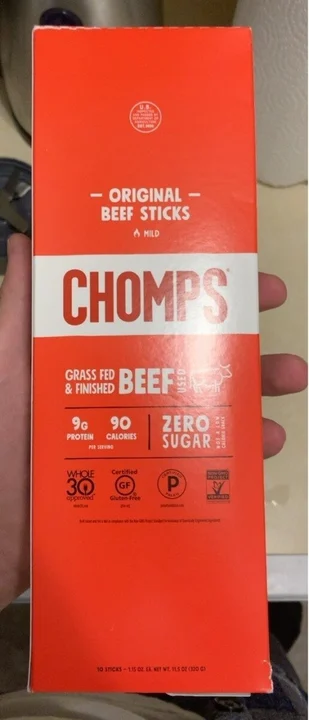 Beef jerkyDepends on the product3 of 8 products we checked contain gluten: Jack Link’s Original Beef Jerky, Jack Link’s Teriyaki Beef Jerky, and Old Trapper Teriyaki Beef Jerky (bulk)checked Nov 16, 2026
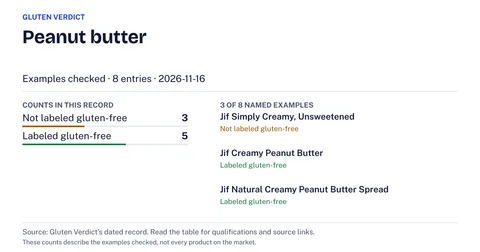 Peanut butterDepends on the productchecked Nov 16, 2026
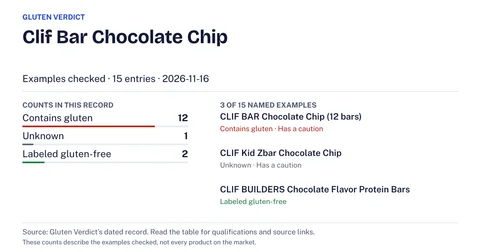 Clif Bar Chocolate ChipContains glutenClif Bar & Company · checked Nov 16, 2026
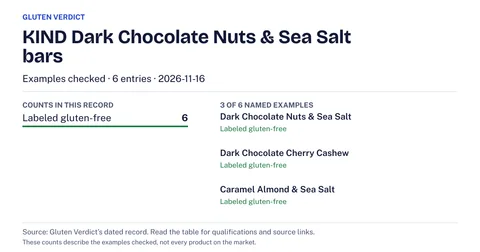 KIND Dark Chocolate Nuts & Sea Salt barsLabeled gluten-freeKIND (Mars) · checked Nov 16, 2026
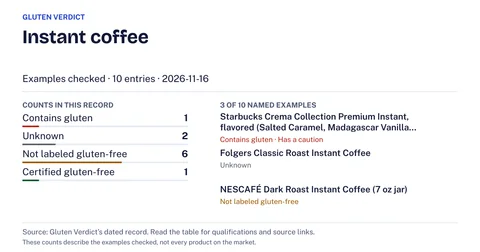 Instant coffeeDepends on the product1 of 10 products we checked contains gluten: Starbucks Crema Collection Premium Instant, flavored (Salted Caramel, Madagascar Vanilla, Molten Chocolate, Pumpkin Spice)checked Nov 16, 2026
Questions people ask
Can I take gluten-free food through TSA?
TSA says you may pack food in a carry-on or checked bag and that all food goes through X-ray screening27. Solid food can go in either bag; liquid or gel food larger than 3.4 oz cannot go in a carry-on2.
Do I need a doctor’s note for gluten-free food at airport security?
CDF suggests one37. TSA’s medical-conditions page does not mention gluten or a special diet39, and TSA says its officers make the final decision29.
Will the airline have a gluten-free meal for me?
Request it ahead. Delta says advanced notice is required and that it cannot guarantee its gluten intolerant meal is fully gluten free3, 11.
Can a pocket sensor tell me a restaurant meal is free of gluten?
Not on its own. GIG says the result reflects only the one sample tested, not the entire meal70, and the National Celiac Association says there are no reliable at-home tests for people with celiac disease76.
Can an enzyme pill let me eat gluten on vacation?
GIG says no supplement or medication “neutralizes” or “de-activates” gluten14.
More in Travel planning and logistics
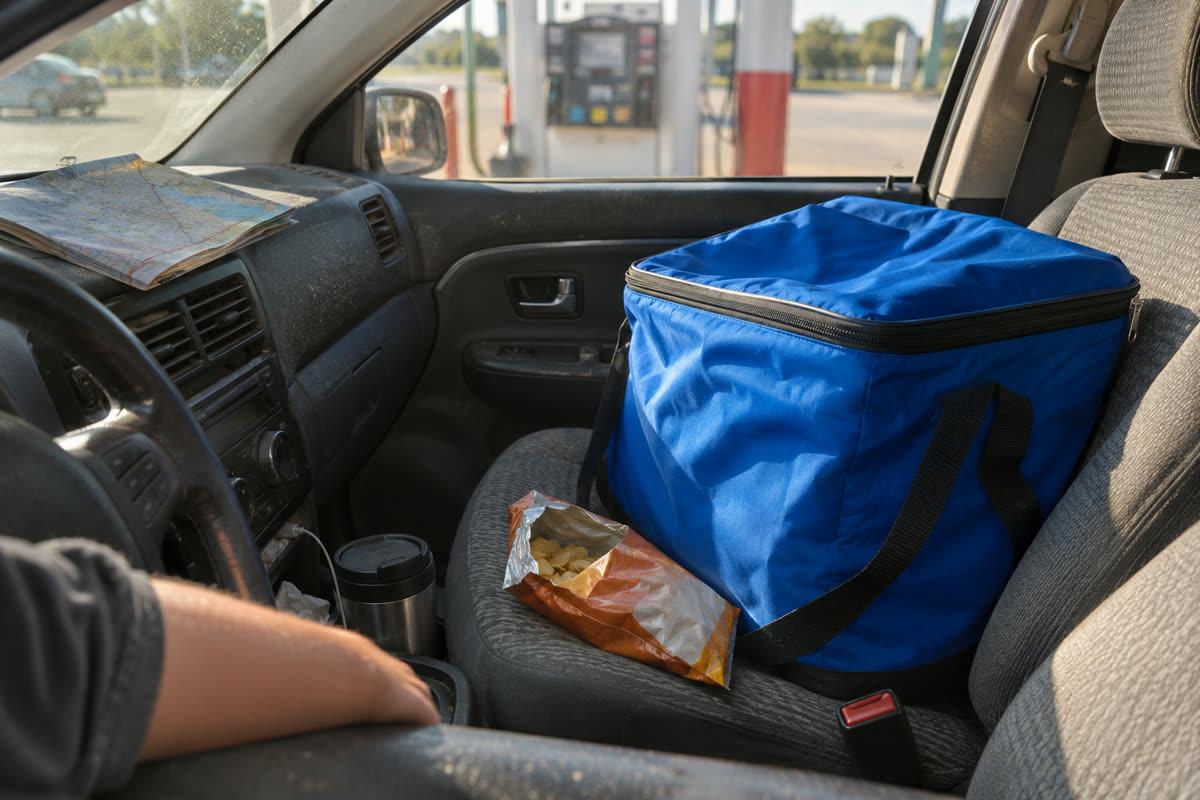 Gluten-free on a road trip: stops, snacks, cooler and hotel nightsPlan each driving day: chain stops with dated verdicts, snacks read at the gas station, a cooler packed to USDA time limits and hotel fridge questions.
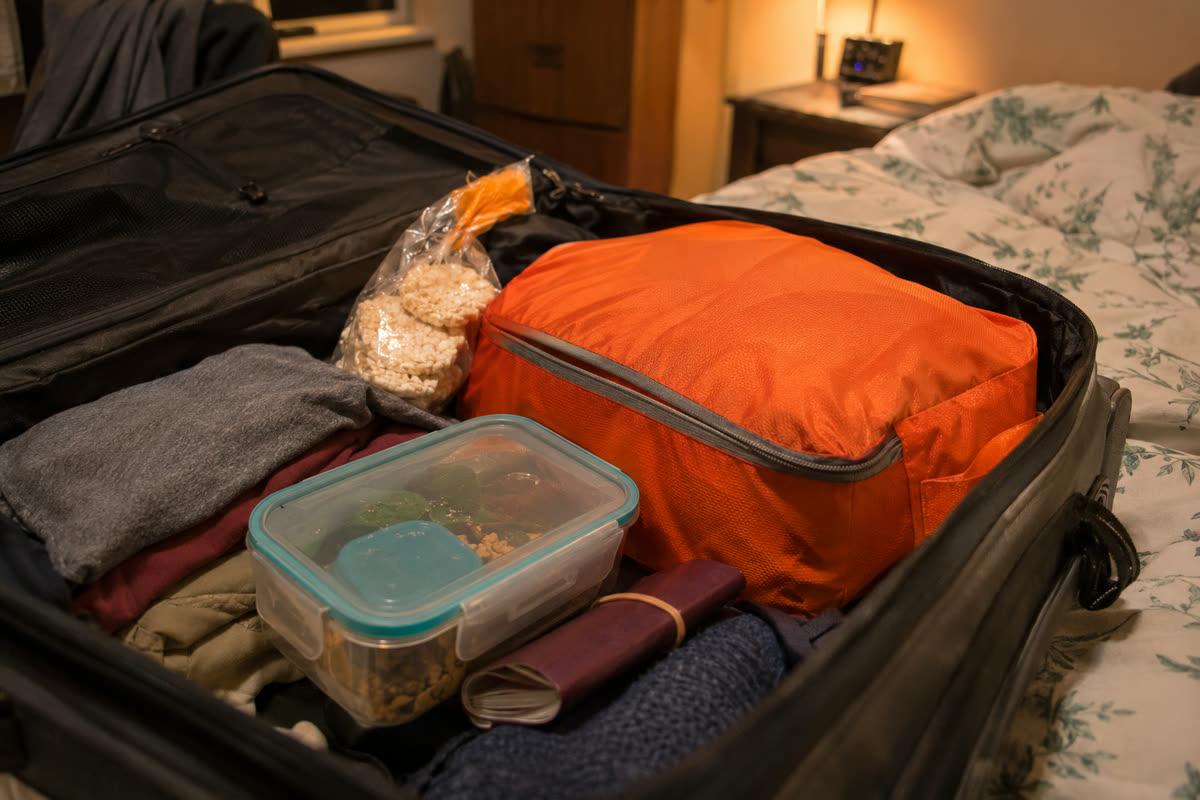 Planning a gluten-free trip: what to arrange, in orderA gluten-free trip in order: how you will eat, what to tell hotels and airlines, which cards and notes to carry, and what food to pack.
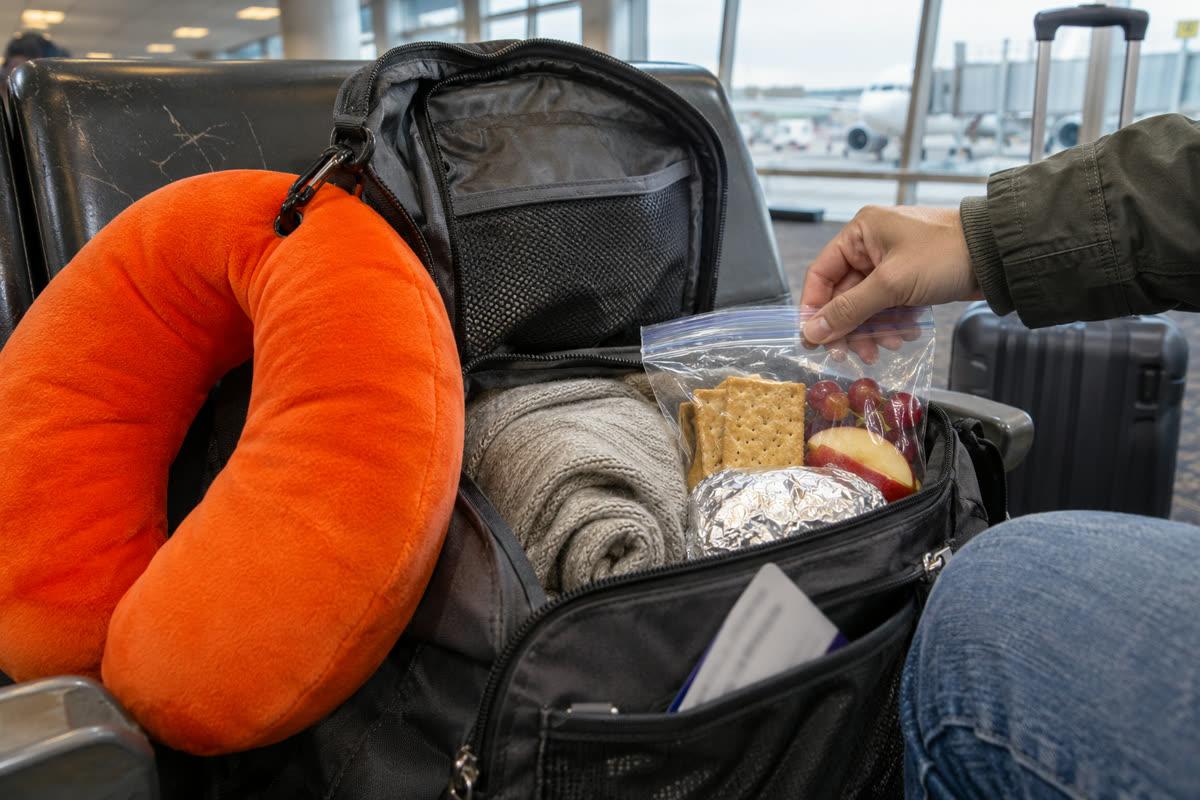 Flying gluten-free: what to arrange, pack and ask, from booking to landingA gluten-free flight in order: the airline's special-meal request, what TSA allows through the checkpoint, and the food to carry as a backup.
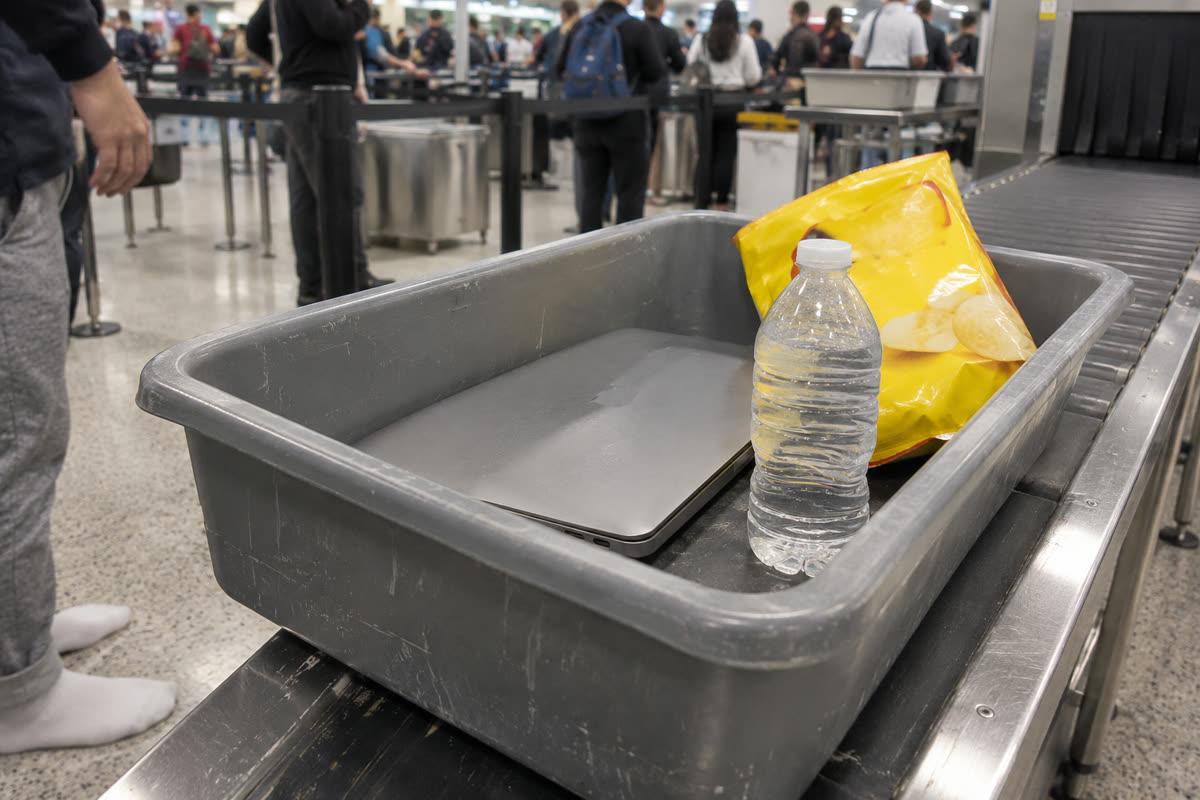 Gluten-free food through TSA security: what carries on and what goes in a checked bagWhich gluten-free foods go in a carry-on or checked bag under TSA’s own pages, and how the 3.4-ounce liquid limit applies to spreads, soups and dips.
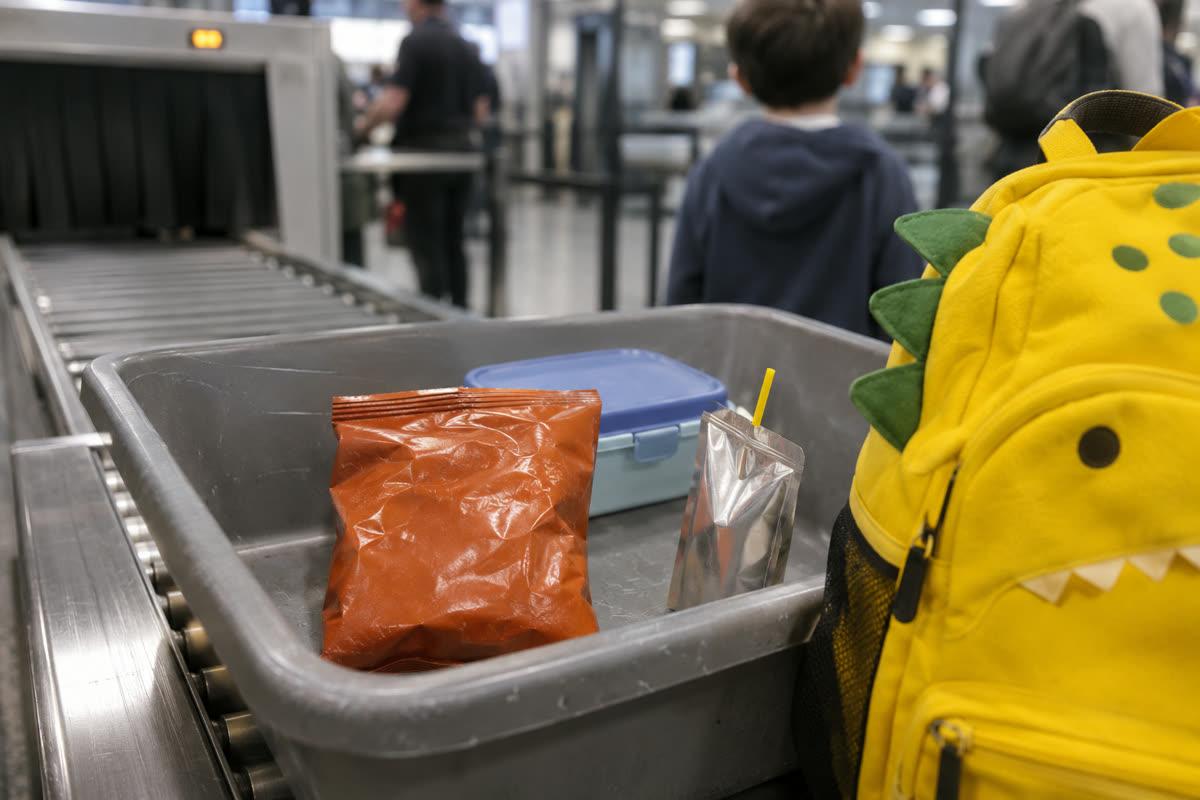 Traveling with a gluten-free child: TSA’s rules for children’s food and what to packWhat TSA says about a child’s food and screening, how to pack the snack bag, and how to brief the adults who will feed a gluten-free child.
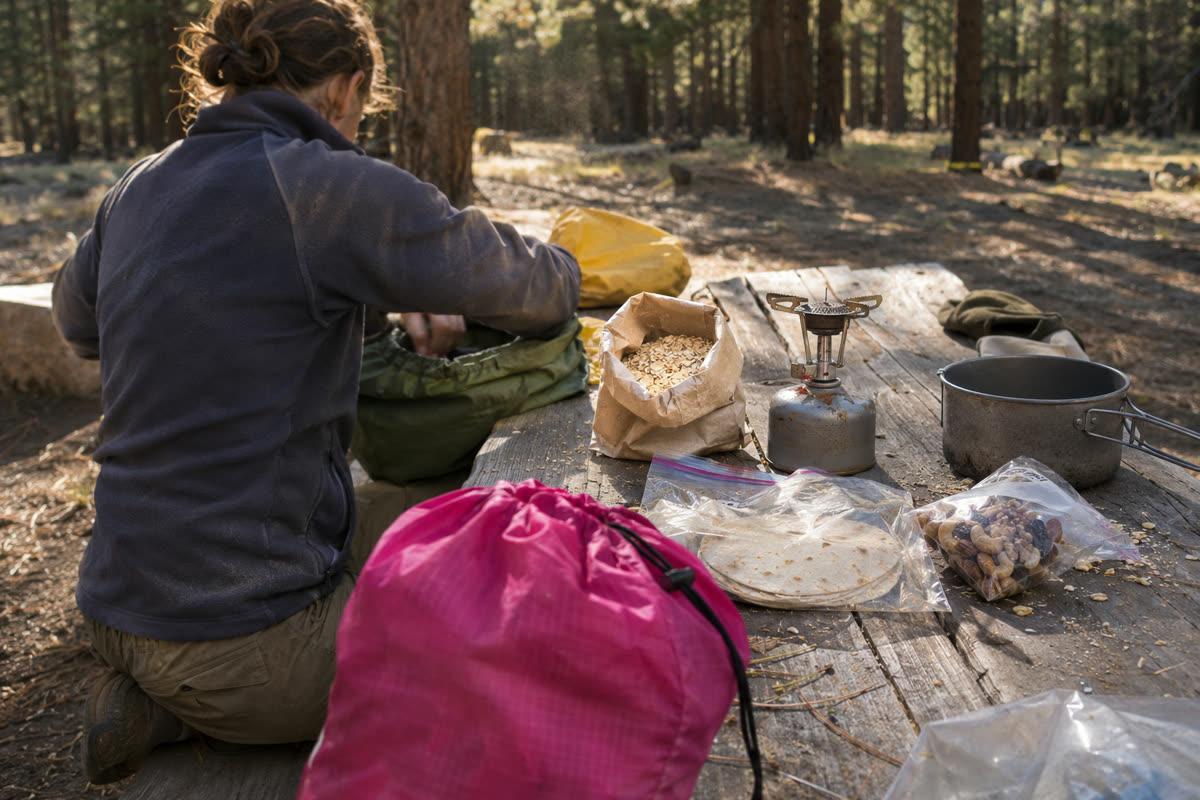 Gluten-free food for camping and hiking: pack lists and label checksPack gluten-free camping and hiking food by trip length, check pouch meals and bars against their labels, and run a shared camp kitchen.
Related guides
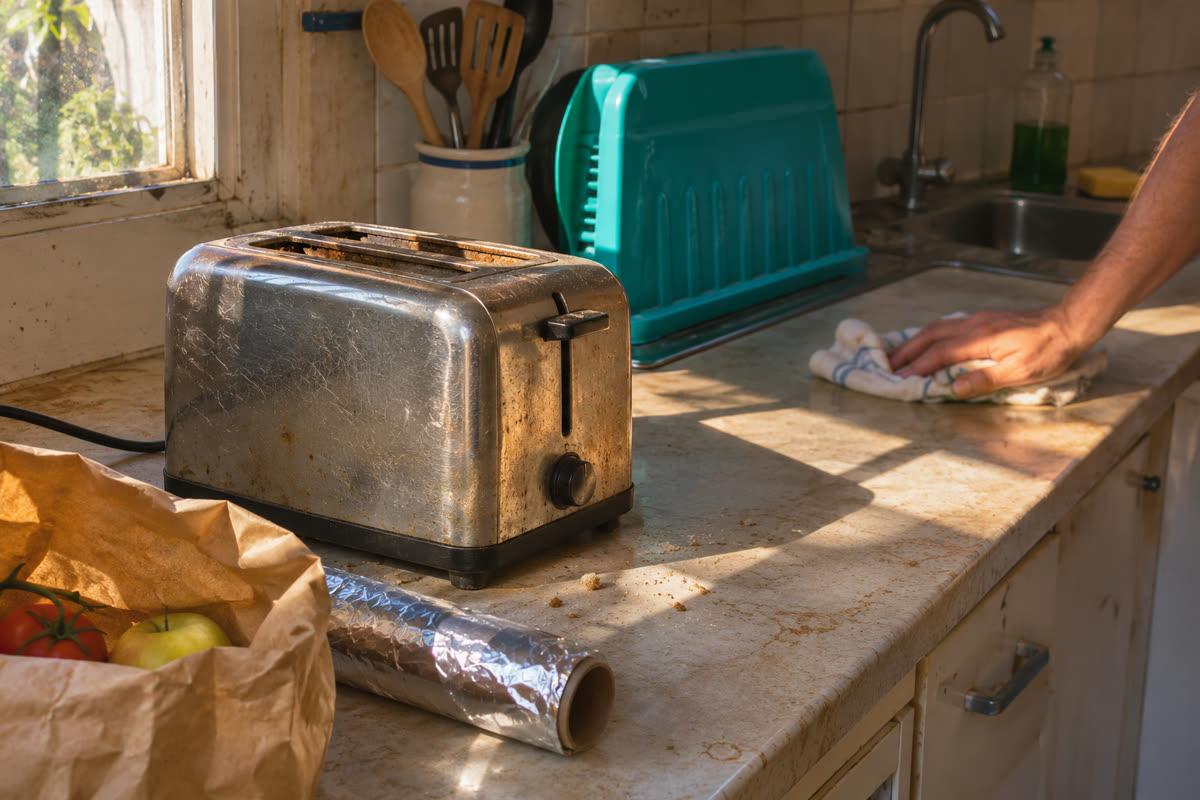 Setting up a gluten-free kitchen in a vacation rentalAsk the host, pack the few items that hold gluten, and wash a rental kitchen with soap and water, with each step tied to a source.
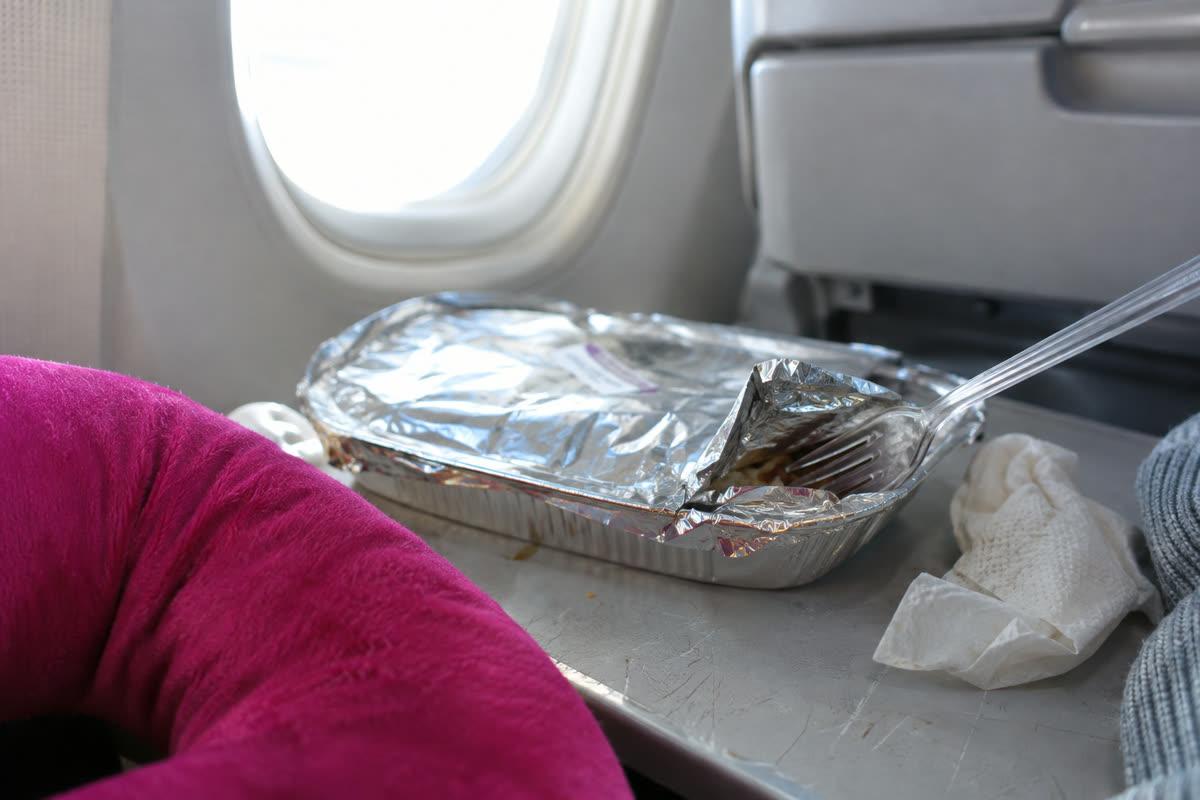 Gluten-free airline meals: what each airline’s own page says and how to request oneWhat Delta, American, Air Canada, Qantas, Virgin Atlantic and JetBlue say on their own pages about gluten-free meals: where to ask and by when.
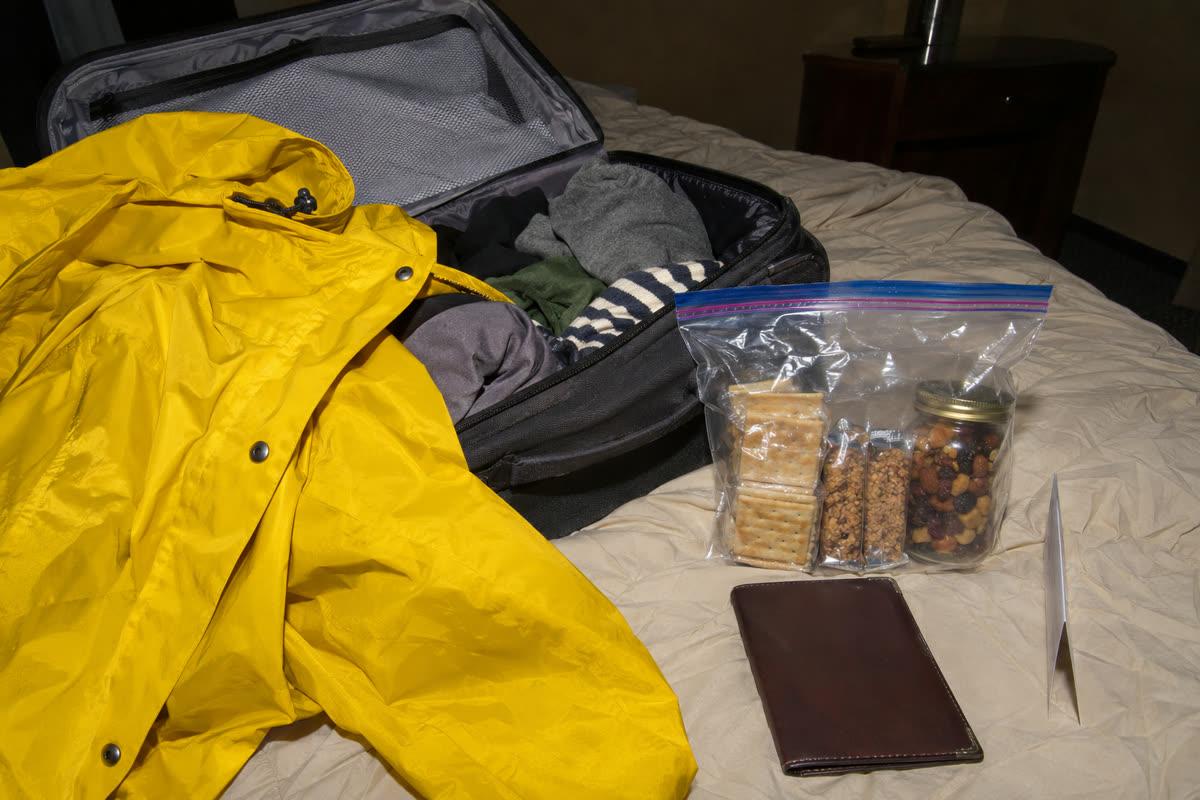 Bringing gluten-free food into Canada, Mexico, Australia and New ZealandWhat a US traveler can carry into Canada, Mexico, Australia and New Zealand: declare food, pack to each country’s list, and know what to buy there.
 Gluten-digesting enzyme pills: what the trials found and what the labels sayWhat the Gluten Intolerance Group says about enzyme pills, what published trials measured, and how to read a capsule's label wording.
Sources
- [1, 4, 15, 18, 37, 43, 63, 67] Celiac Disease Foundation, Tips for Traveling Gluten-Free, checked Nov 17, 2026.
- [2, 28] Transportation Security Administration, What Can I Bring? Food, checked Nov 17, 2026.
- [3, 11, 40] Delta Air Lines, Special In-Flight Meals, checked Nov 17, 2026.
- [5, 6, 20, 47] Gluten Intolerance Group, Sharing a vacation house with non-gluten-free guests, checked Nov 17, 2026.
- [7, 16, 19, 21, 22, 32, 36, 41, 44, 85, 89] Gluten Intolerance Group, Traveling Gluten-Free, checked Nov 17, 2026.
- [8, 84] Beyond Celiac, Alice’s Tips for Traveling with Celiac Disease, checked Nov 17, 2026.
- [9, 23, 24, 42, 45, 66, 86] National Celiac Association, Eating GF when traveling abroad, checked Nov 17, 2026.
Read on 2026-11-17: the list headed “Good Snacks to Carry” names GF fruit and nut bars, cheese sticks, whole fruits, cut veggies, GF sandwiches, GF crackers/rice cakes, GF beef jerky, and rolled up cheese and ham.
- [10, 17, 62, 64, 65] Gluten Intolerance Group, Traveling Gluten-Free with Confidence, checked Nov 17, 2026.
- [12, 13, 69, 72, 74, 76] National Celiac Association, Devices for testing for gluten, checked Nov 17, 2026.
Read on 2026-11-17: the list under “According to the Nima, the Nima Sensor cannot test accurately” names fermented or hydrolyzed foods and beverages such as soy sauce, beer or vinegar; pure liquids such as soups, beverages or thin sauces; oily or high-fat foods such as nut butters, oils or melted cheese; very dry, powdery or crumbly foods that don’t mix evenly in the capsule; and non-food items including gums, supplements or vitamins.
- [14, 77] Gluten Intolerance Group, Is there a supplement I can take so I can still eat foods that contain gluten?, checked Nov 17, 2026.
- [25, 26] US Food and Drug Administration, Gluten and Food Labeling, checked Nov 17, 2026.
- [27, 29] Transportation Security Administration, May I pack food in my carry-on or checked bag?, checked Nov 17, 2026.
- [30] Transportation Security Administration, What Can I Bring? Snack Bar, checked Nov 17, 2026.
Read on 2026-11-17: the Snack Bar page lists Carry On Bags: “Yes” and Checked Bags: “Yes”; the page is marked Last Updated on September 22, 2020.
- [31] Transportation Security Administration, What Can I Bring? Peanut Butter, checked Nov 17, 2026.
Read on 2026-11-17: the Peanut Butter page lists Carry On Bags: “Yes (Less than or equal to 3.4oz/100 ml allowed)” and Checked Bags: “Yes”; the page is marked Last Updated on April 30, 2018.
- [33] Transportation Security Administration, Liquids, Aerosols and Gels Rule, checked Nov 17, 2026.
- [34] Transportation Security Administration, What Can I Bring? Protein or Energy Powders, checked Nov 17, 2026.
- [35] Transportation Security Administration, What Can I Bring? Gel Ice Packs, checked Nov 17, 2026.
- [38, 39] Transportation Security Administration, Disabilities and Medical Conditions, checked Nov 17, 2026.
Read on 2026-11-17: no mention of gluten, celiac disease or a special diet anywhere on the page.
- [46, 52, 53, 54, 55, 81, 82] Gluten Intolerance Group, Appliances: Risks of Cross-Contact, checked Nov 17, 2026.
- [48, 49, 50, 51, 56] Gluten Intolerance Group, The Tools to Replace in Your Gluten-Free Kitchen, checked Nov 17, 2026.
- [57, 58, 59] Journal of Food Protection (PubMed record), Cross-Contamination with Gluten by Using Kitchen Utensils: Fact or Fiction?, checked Nov 17, 2026.
- [60, 61] Clinical Nutrition (PubMed record), Gluten cross-contact from common food practices and preparations, checked Nov 17, 2026.
- [68, 71, 75] Celiac Canada (Canadian Celiac Association), Position Statement: NIMA Sensor, checked Nov 17, 2026.
- [70, 73] Gluten Intolerance Group, Hot Topic: gluten-free restaurant food and personal testing devices, checked Nov 17, 2026.
- [78, 79, 80] PLoS One (PubMed record), Ineffective degradation of immunogenic gluten epitopes by currently available digestive enzyme supplements, checked Nov 17, 2026.
- [83] Journal of Food Protection (PubMed record), Effectiveness of manual and mechanical warewashing methods for removing allergen- and gluten-containing foods from food-contact surfaces used in retail and food service operations, checked Nov 17, 2026.
- [87, 88] US Customs and Border Protection, Agricultural Items for International Visitors, checked Nov 17, 2026.