Gluten-free guides
How to read a label, what the FDA rule allows, how to keep a shared kitchen apart, what to ask when you eat out. Every guide cites the rule, the charity or the maker it relies on, with the date we read it. Shopping a particular store? Store guides. Going abroad? Travel guides.
Newly diagnosed: the first weeks
What to do first after a celiac diagnosis: the kitchen, the shopping, the first meals out.
 Your first 30 days after a celiac diagnosis: a week-by-week planA week-by-week plan for the first month after a celiac diagnosis: label rules, kitchen changes, a dietitian, follow-up tests and questions for your doctor.
 Grieving foods after a celiac diagnosis: what people describe and where to get helpSadness or anger about food after a celiac diagnosis: what charities and research report, small steps the sources name, and when to call a provider or 988.
 Celiac support groups: what the national groups say they offerWhat the National Celiac Association and Gluten Intolerance Group say their support groups offer, and how to judge any group before you join.
 Feeling worse after going gluten-free: what the sources say to check firstWhat NIDDK, Coeliac UK and clinical reviews say about symptoms that do not improve or get worse on a gluten-free diet, and which causes you can check.
 Your first restaurant meal after a celiac diagnosisHow to pick a place, call ahead, ask the kitchen the right questions and decide what to do when answers are vague, for a first meal out.
 Starting a gluten-free diet: testing first, then labels, oats and the kitchenWhat NIH and the celiac charities say about starting a gluten-free diet: testing first, which foods to start with, a US label check, oats and the kitchen.
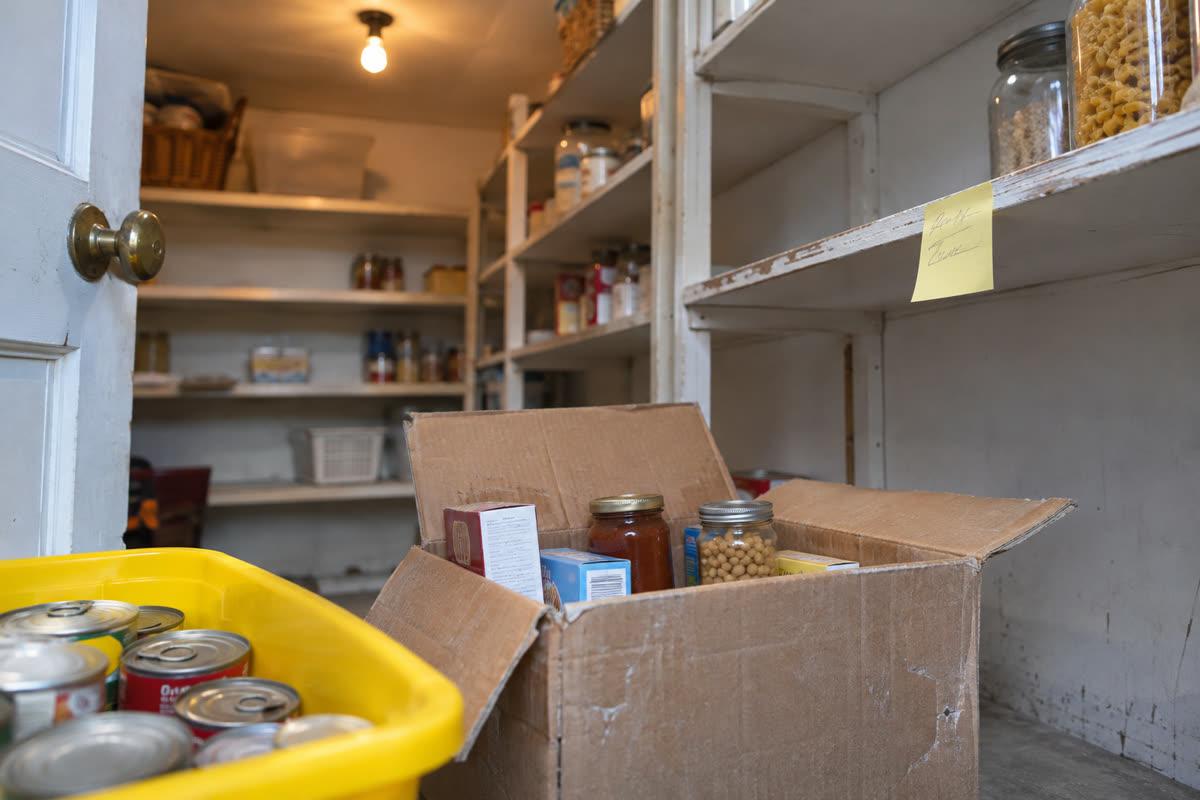 Going gluten-free: what to remove and what to keep in your pantry and kitchenSort a full pantry into foods to remove, labels to read and plain foods to keep, then decide on shared jars, toasters and pans.
 How long until you feel better on a gluten-free diet?What NIH, celiac charities and studies report on when symptoms, antibody levels and the gut lining recover after a celiac diagnosis, and why they differ.
Label reading and gluten-free claims
What a gluten-free claim, a Contains line and a may-contain line mean under US rules.
 The Contains line names wheat, not barley or rye: what US allergen labels coverWhat the US allergen Contains line covers, why it names wheat but not barley or rye, and which ingredient-list names stand in for them.
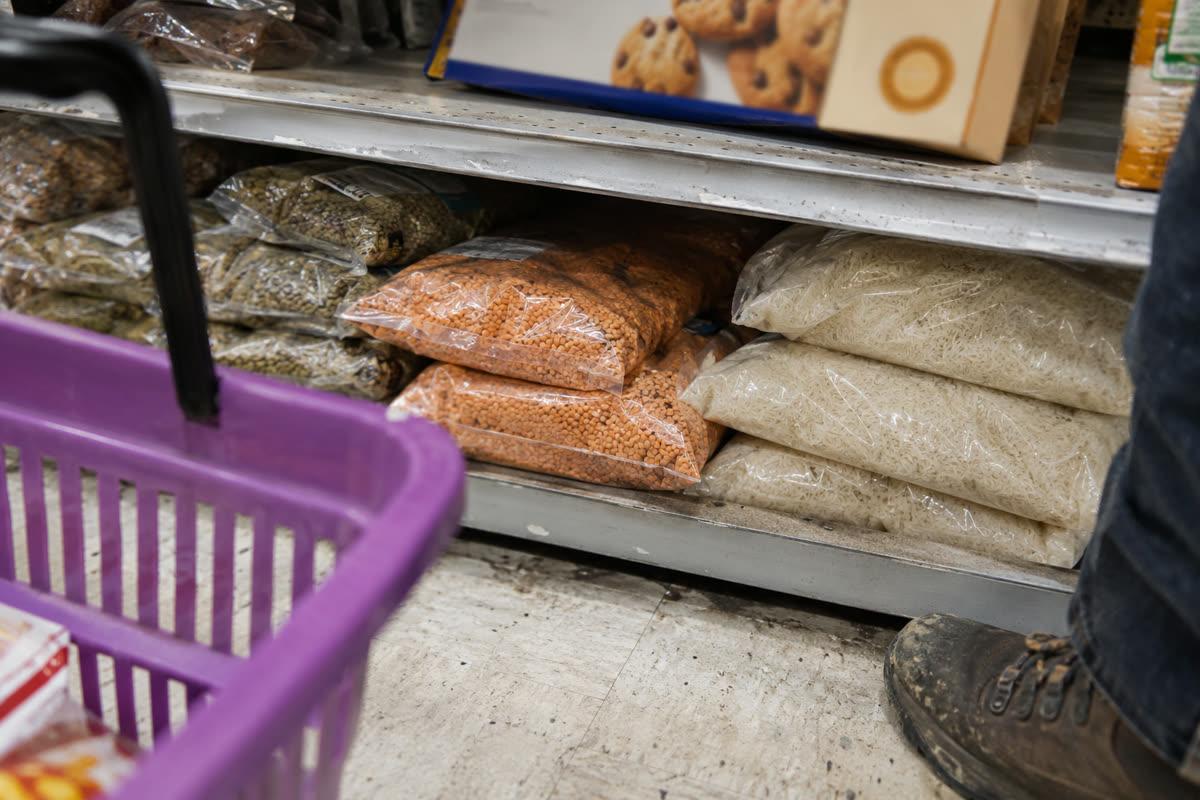 Certified or naturally gluten-free: when a seal mattersWhich naturally gluten-free foods are worth buying with a claim or seal: produce, grains, flours, oats and processed foods, with FDA rules and test data.
 How to check a gluten-free seal in the certifier's own directorySearch GFCO's Product Finder by brand, product or UPC, read what an entry shows, and learn what a missing listing means for the seal on your pack.
 The FDA gluten-free rule: what 21 CFR 101.91 requires and what 20 ppm measuresWhat FDA’s gluten-free rule requires, which claim words it covers, what 20 ppm means for a portion of food, and how FDA checks that a claim holds.
 Fermented, hydrolyzed and distilled foods: how a gluten-free claim is checkedHow FDA’s 2020 rule checks a gluten-free claim on fermented, hydrolyzed and distilled foods, why a test cannot settle it, and where TTB takes over.
 Gluten-free certification programs compared: limit, testing and auditsHow GFCO, GFFP, NSF and the BRCGS-based marks differ on gluten limit, testing and audits, set against FDA’s 20 ppm rule for every claim.
 A gluten-free label that lists wheat or wheat starch: what it meansHow a US pack can say gluten-free and still list wheat starch or “wheat”, the statement FDA requires, and what to ask the maker.
 How to check whether a packaged food is gluten-freeA four-step check for one packaged food: the claim, the ingredient and allergen lines, the maker’s dated page and the certifier’s directory.
 How to read a US food label for glutenWhere gluten shows up on a US food label: the gluten-free claim, the Contains line, the ingredient list and may-contain lines, and what each means.
 Kosher and halal marks on food: what they say about glutenA kosher or halal mark and a gluten-free claim answer different questions. What each certifier says its mark covers, and where the gluten answer is.
 “Low gluten”, “gluten removed” and “gluten friendly” on a labelWhat “low gluten”, “gluten removed” and “gluten friendly” mean on a US label, which phrases FDA or TTB define, and what to ask the maker.
 What “may contain wheat” and “made in a facility with wheat” mean on a US labelHow to read “may contain wheat”, shared-facility and shared-equipment lines on US labels, with and without a gluten-free claim, and what to check next.
 Vegan, organic, non-GMO, natural and keto labels do not mean gluten-freeVegan, organic, non-GMO, natural, plant-based and keto labels describe other things. What each claims, and which gluten claim or source to check instead.
 What to ask a food maker about gluten, and how to read the replyHow to write to a food maker about gluten: what to include, questions that get a usable answer, and how to sort the reply.
 Wheat-free, gluten-free and “no gluten ingredients”: what each label statement covers“Wheat-free”, “gluten-free” and “made with no gluten-containing ingredients” are three different statements. What each covers, and what to check.
 When a gluten-free label looks wrong: what to keep, who to tell, where to lookFound wheat, barley or malt in a food labeled gluten-free? What to keep, whom to tell, which US agency takes the report, and where recalls are listed.
 Who regulates a gluten-free claim: FDA, USDA or TTBWhich agency sets the rules for a gluten-free claim on packaged food, meat, eggs, beer, wine and spirits, and what to check when a label is unclear.




Gluten-free labeling law by country
How each country defines gluten-free on a label, from its own regulator.
 What the Codex gluten standard says, and which countries follow itWhat Codex Standard 118-1979 sets for gluten-free food, why it is not law, and how the US, EU, UK, Canada, Australia, NZ and Argentina compare.
 Gluten-free logos outside the US: who issues each one and what it requiresTell a certifier’s gluten-free logo from a maker’s own: who issues Crossed Grain, Coeliac Australia’s and Celiac Canada’s marks, and the limit each sets.
 Gluten-free labelling in Australia and New Zealand: what the claim meansWhat “gluten free” and “low gluten” mean on Australian and New Zealand packs: no detectable gluten, no oats, no malt, and how US packs compare.
 Gluten-free labeling in Canada: the claim, the gluten-source declaration and oatsHow Health Canada's gluten-free claim works, how gluten sources and oats must be declared on a Canadian pack, and how it differs from the FDA rule.
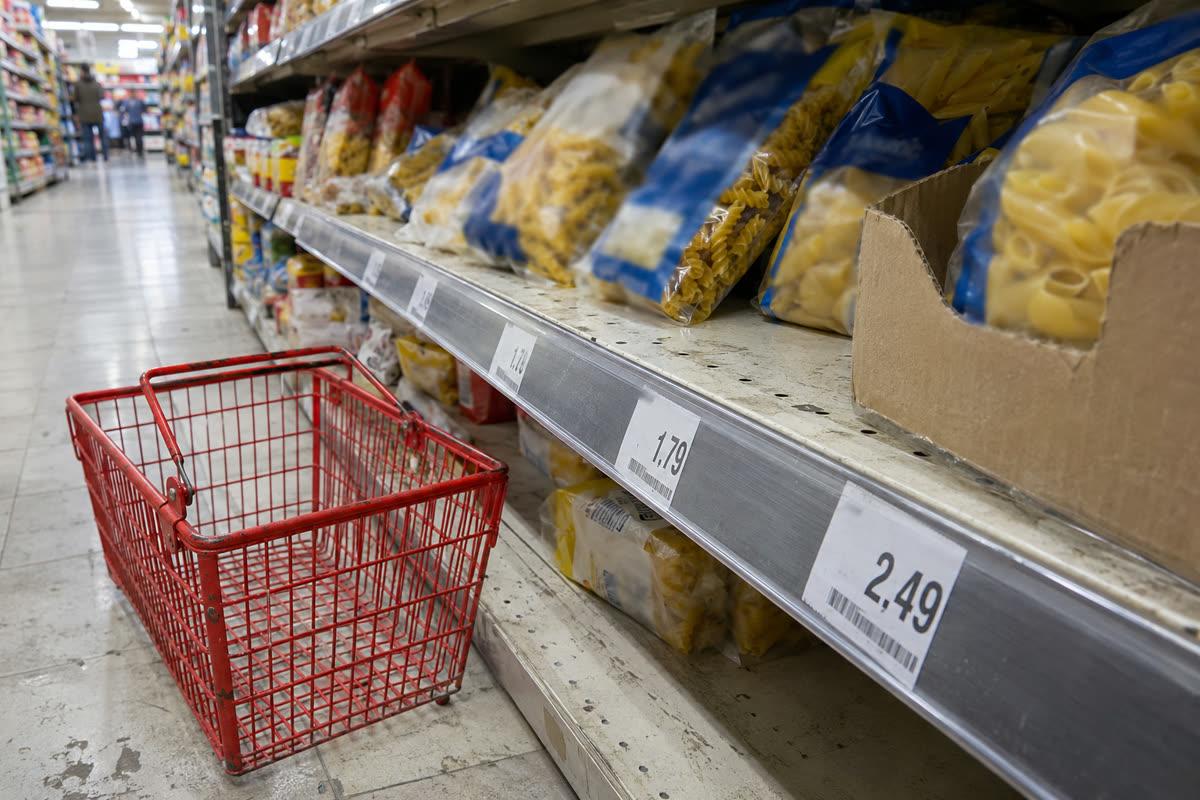 Gluten-free and very low gluten on EU labels, and how allergens are highlightedWhat EU “gluten-free” and “very low gluten” claims permit, how cereals containing gluten are highlighted in ingredient lists, and the rules for loose food.
 Gluten-free labeling rules by country: ceilings, claim wording and where no rule was foundLook up the gluten-free limit and claim wording for the US, Canada, EU, UK, Australia, New Zealand and more, each figure tied to the page we read.
 UK gluten-free labelling: the legal rules, Natasha’s Law and the Crossed GrainWhat UK law requires on allergen and gluten-free labels, what Natasha’s Law added for food packed on site, and how the Crossed Grain mark differs.
 Gluten-free oats by country: where the claim is allowed and where it is barredWhether oats can carry a gluten-free claim in the US, Canada, EU, UK, Australia and New Zealand, in each regulator’s own words.
 Which gluten grains a pack’s allergen line must name, by countryWhether the allergen line must name barley, rye and oats, country by country: US, Canada, EU, UK, Australia and New Zealand, Brazil, Japan.
 May-contain labels abroad: what each country’s regulator says about themWhether a “may contain” or shared-facility line is required, voluntary or guided by a scheme in the US, UK, EU, Canada, Australia, New Zealand and Codex.
 Sin TACC in Argentina: the logo and the ANMAT gluten-free registerWhat TACC stands for, what Argentina’s gluten-free law and symbol require, and how to look a product up in ANMAT’s register.
 Reading US gluten-free labels as a visitor from the UK, EU, Canada or AustraliaWhat a US gluten-free claim, the Contains line, malt and alcohol labels mean if you are used to UK, EU, Canadian or Australian labels.
Cross-contact and the home kitchen
Where gluten reaches food at home, and how shared kitchens keep it apart.
 Airborne flour and celiac disease: what the sources sayWhat charities and studies say about wheat flour dust in the air, what is only a hypothesis, and the wipe-down and cover steps the charities suggest.
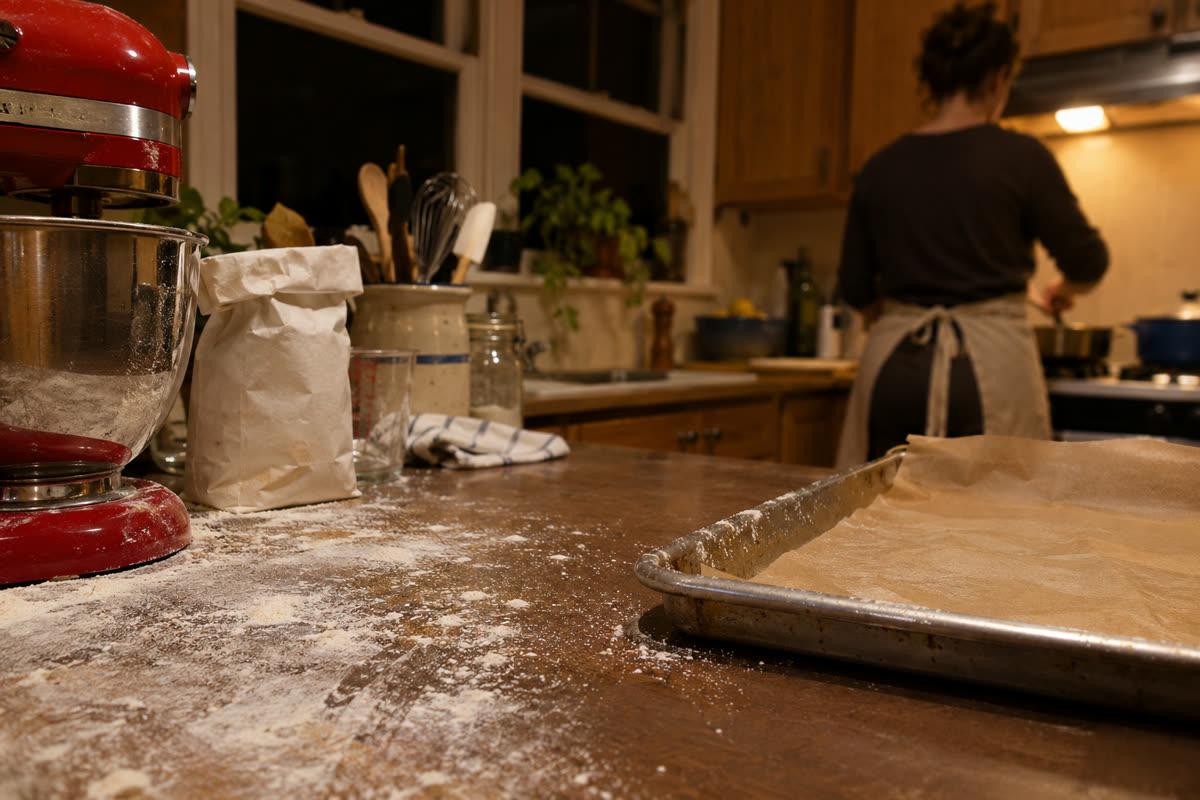 Baking gluten-free in a home where someone else bakes with wheat flourA baking-day plan for a shared kitchen: order, counters, flour storage, tools and oven, and which timing rules have no published source.
 What to clean after wheat flour lands in a gluten-free kitchenThe order of jobs after wheat flour reaches a gluten-free kitchen, what charities and studies say about each item, and what no source covers.
 How to cook dinner for a guest with celiac diseaseA host's plan for one dinner: what to ask the guest, a menu with few risk points, which labels to read, the cooking order, clean tools and serving.
 Cooking gluten-free pasta in a kitchen that also cooks regular pastaSet up a pasta night where gluten-free and regular pasta share a kitchen: what one small study found on shared water and pots, and what charities advise.
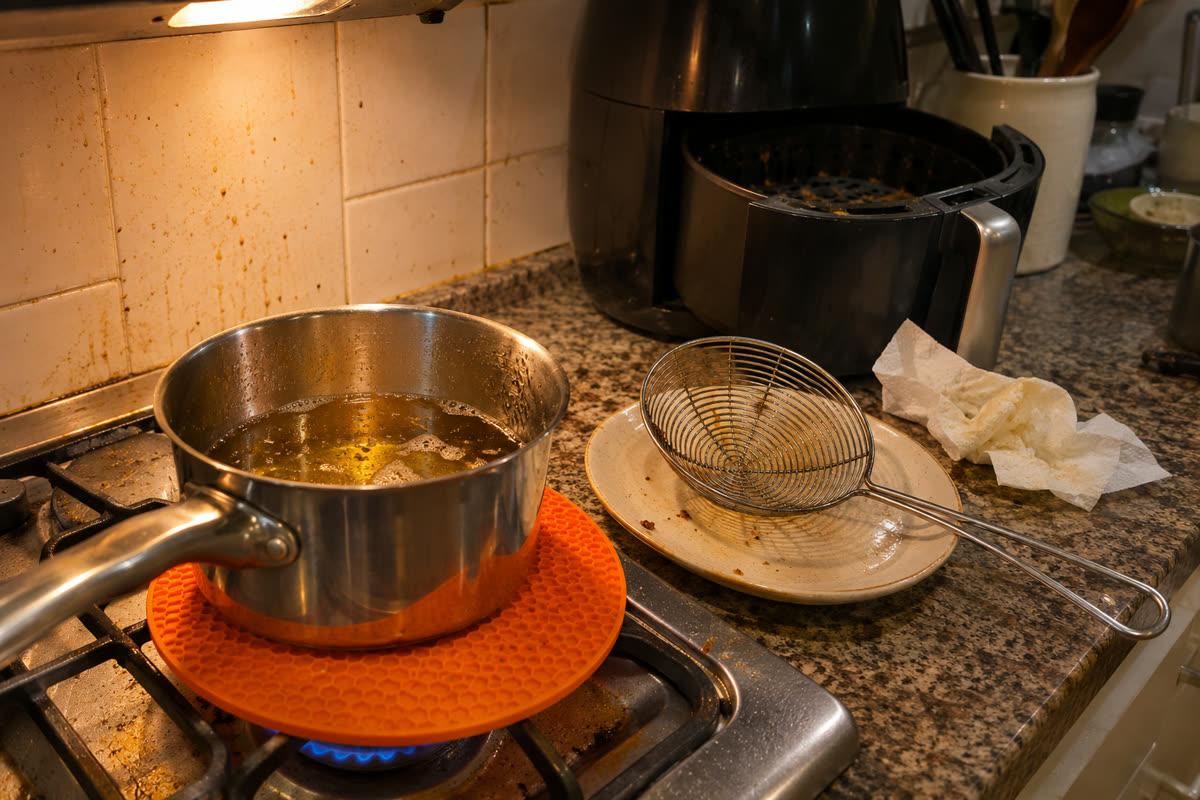 Frying at home with celiac disease: fresh oil, a separate fryer or an air fryerFry at home without cross-contact: when to use fresh oil, a separate fryer or an air fryer, and what the 2026 shared-fryer study does and does not show.
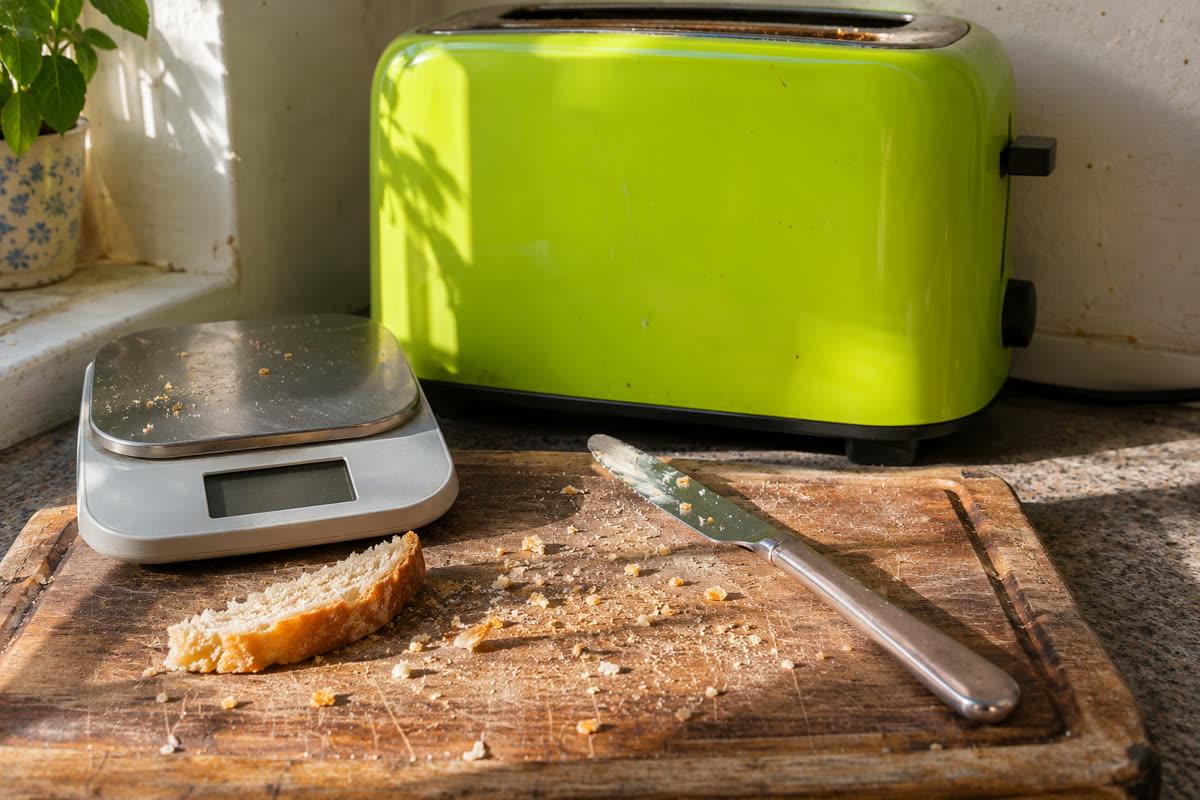
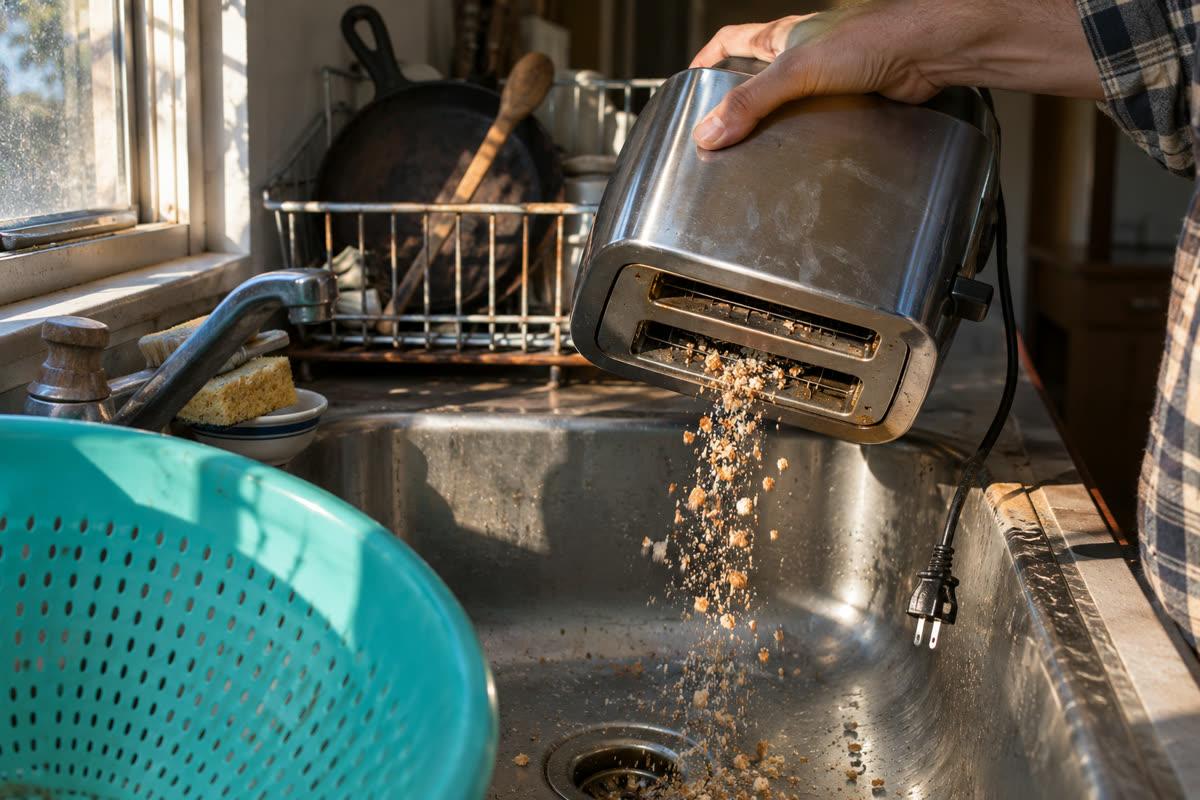 Toasters, colanders, cast iron, wood and air fryers: which can be cleanedWhich kitchen items the charities say to keep, wash or replace after going gluten-free, item by item, with what the studies we found measured.
 Cross-contact with non-celiac gluten sensitivity: what the research supports and what is unknownWhat FDA's gluten-free rule, the celiac and NCGS trials and the Salerno criteria say about trace gluten, and what is still unknown for NCGS.
 Gluten cross-contact at home: where it happens and what to do about itHow gluten reaches gluten-free food at home, whether to separate, wash or ask for each route, and which rules have lab data behind them.
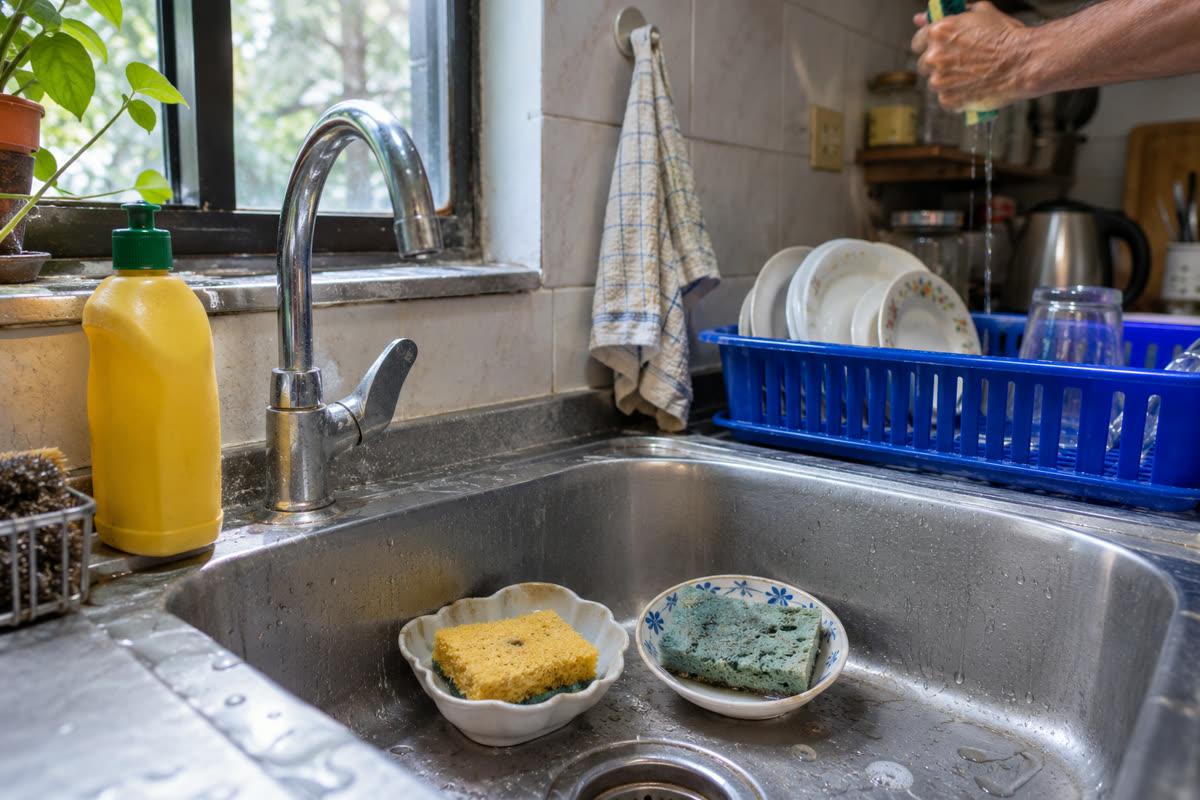 Dishes, sponges, dishwashers and towels in a mixed householdWhat GIG, Beyond Celiac, Coeliac UK and published tests say about sponges, dish towels, hand washing and the dishwasher in a mixed home.
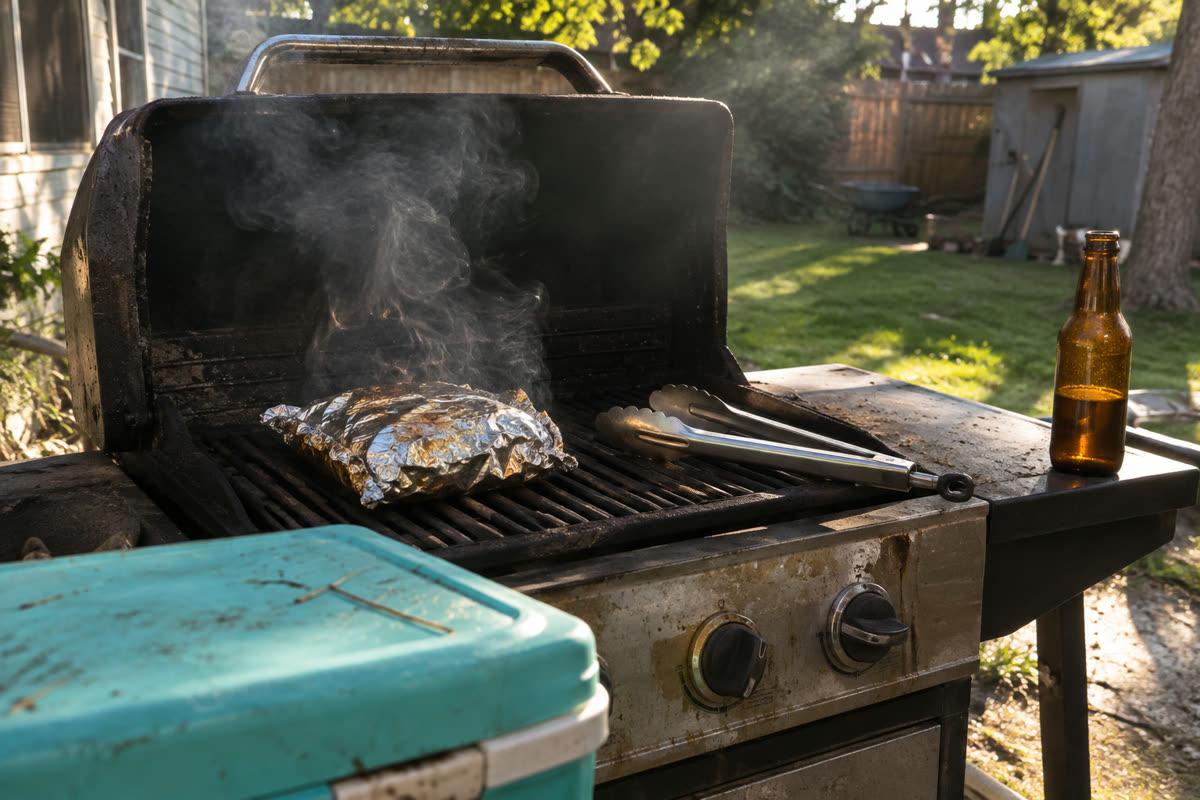 Gluten-free grilling and cookouts: what to wrap, clean, bring and askHow to keep gluten off the grill at a cookout: foil, clean grates, sauces, buns, sides, a note to send the host and a bring-your-own list.
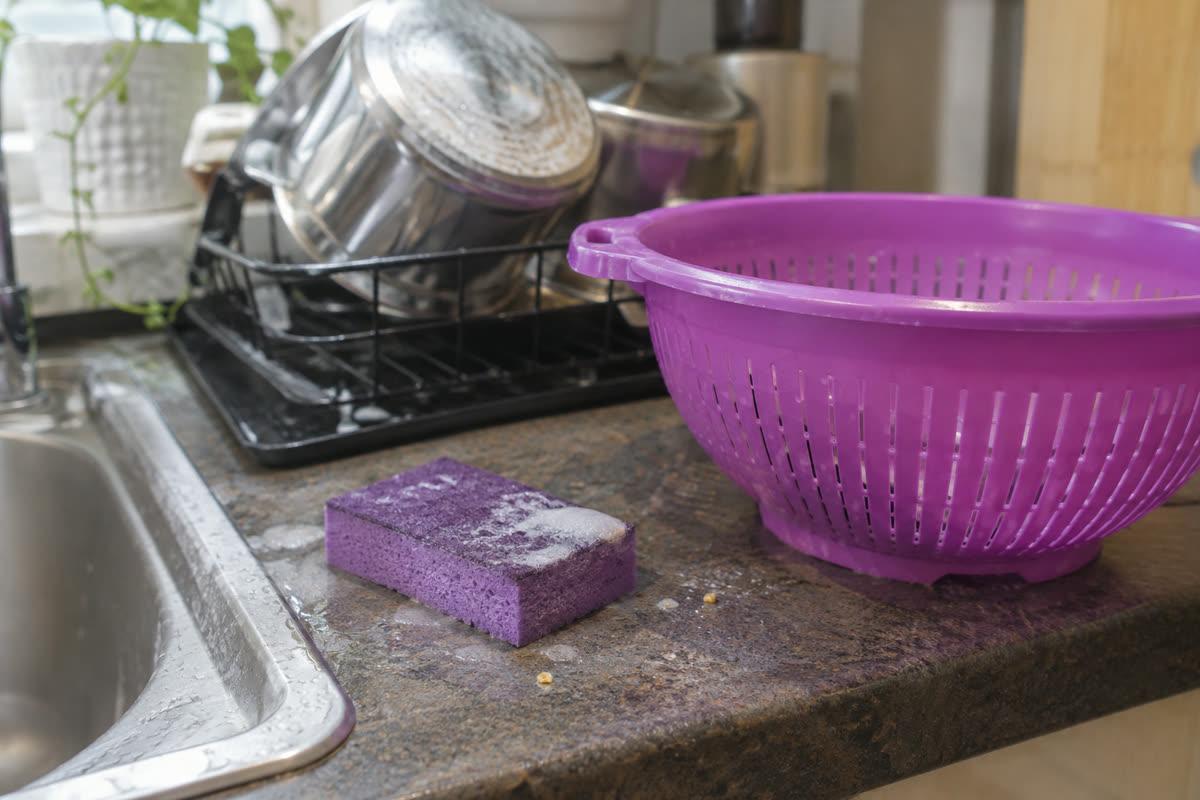 Setting up a gluten-free kitchen: what to replace, wash or shareWalk each kitchen zone and decide, item by item, what to replace, what to wash and what a mixed household can keep sharing, with charity sources.
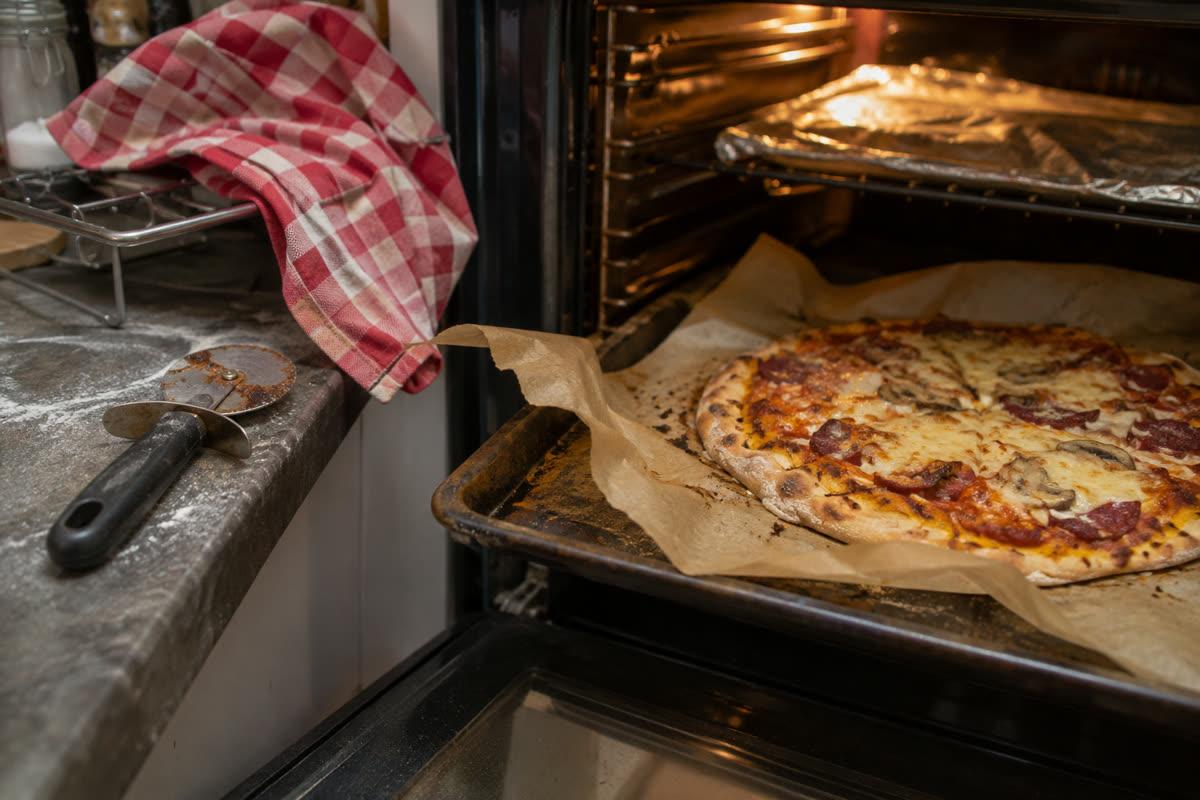 Gluten-free pizza at home: check each part, then keep it apart in the ovenCheck the crust, sauce, cheese and toppings against each maker’s own statement, then set up stone, parchment and oven so a gluten-free pizza stays apart.
 A weekly gluten-free kitchen routine: wipe, label, restock, re-checkA one-page weekly pass for a gluten-free kitchen: what to wipe, label, restock and do with leftovers, and where the charities and small studies differ.
 Gluten-free with roommates, partners and family: a shared-kitchen agreementHow to split a shared kitchen when one person is gluten-free: what to keep separate, what to wash and share, and how to put the rules to housemates.
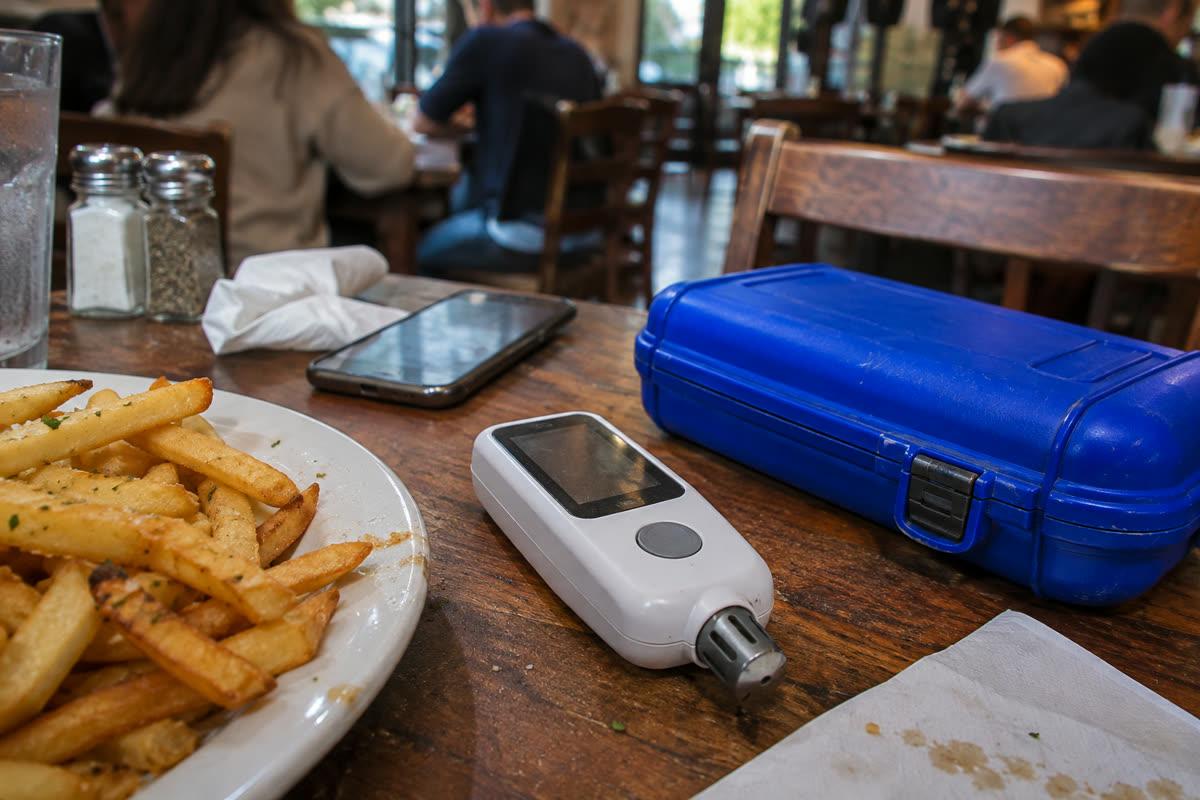 Do home gluten tests work? What a strip or pocket sensor can and cannot showWhat a home gluten test strip or pocket sensor checks, how to read a maker's detection limit, and why a negative on one bite does not clear a meal.
 Storing gluten-free food in a shared fridge, pantry and freezerWhere gluten-free food goes in a shared fridge, pantry and freezer, how to label it so everyone follows, and what the sources say and leave out.
 Sharing butter, jam and spreads with gluten eatersHow crumbs reach shared butter, jam and peanut butter, and what a second jar, squeeze bottle, knife rule or shelf each does and does not do.
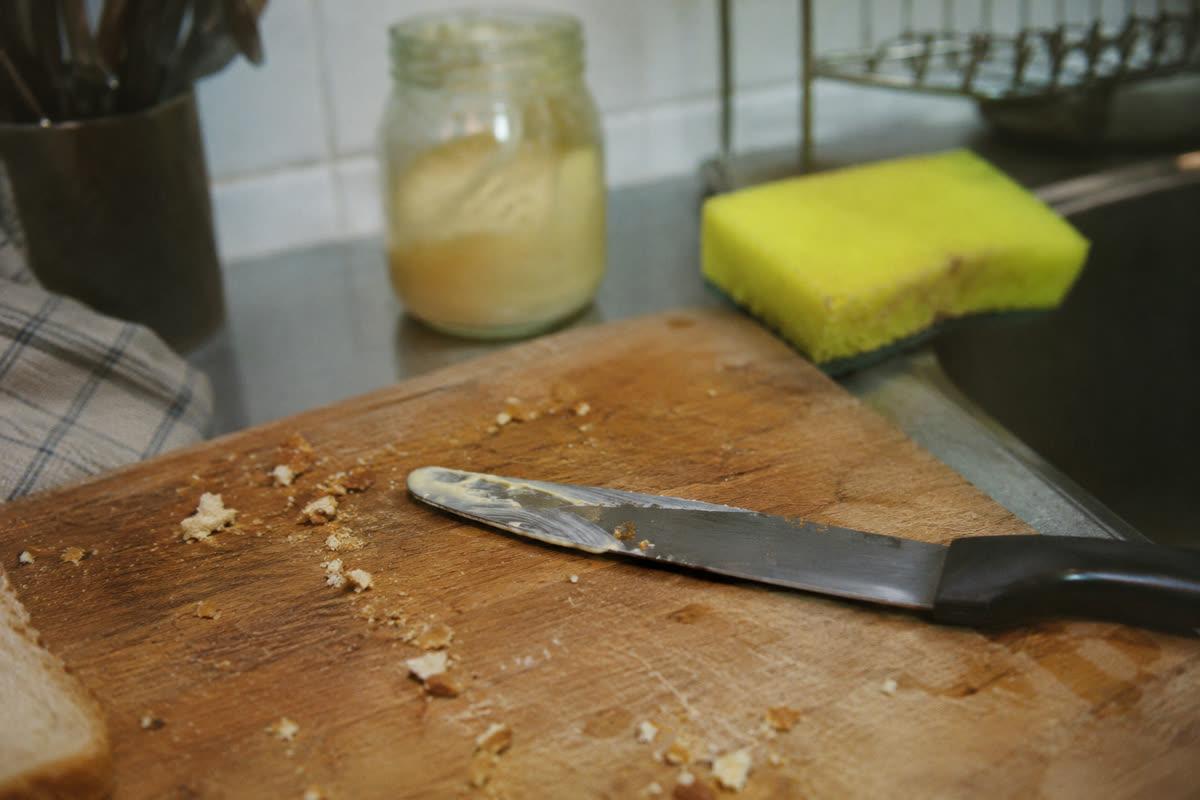 What studies measured in shared kitchens: pasta water, toasters, knives and spreadsWhat four experimental studies measured when gluten-free food met shared pots, toasters, knives and spreads: samples, results, and what went untested.
Eating out and chain restaurant policies
What chains publish about fryers, prep and allergens, and what to ask when you order.
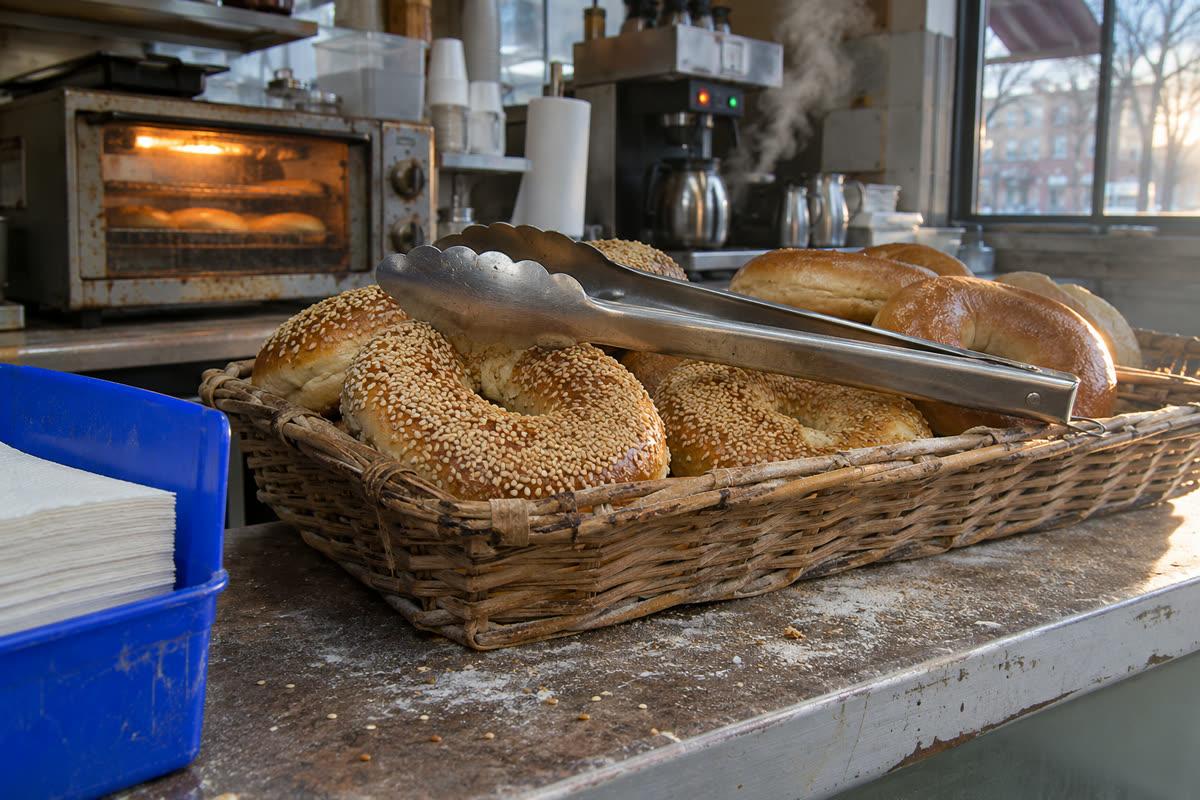 Ordering at a bagel shop, bakery or coffee counter with celiac diseaseWhat to ask at a bagel shop, bakery or coffee counter: spreads, toasters, knives, display cases, flour in the room, and what the chains say.
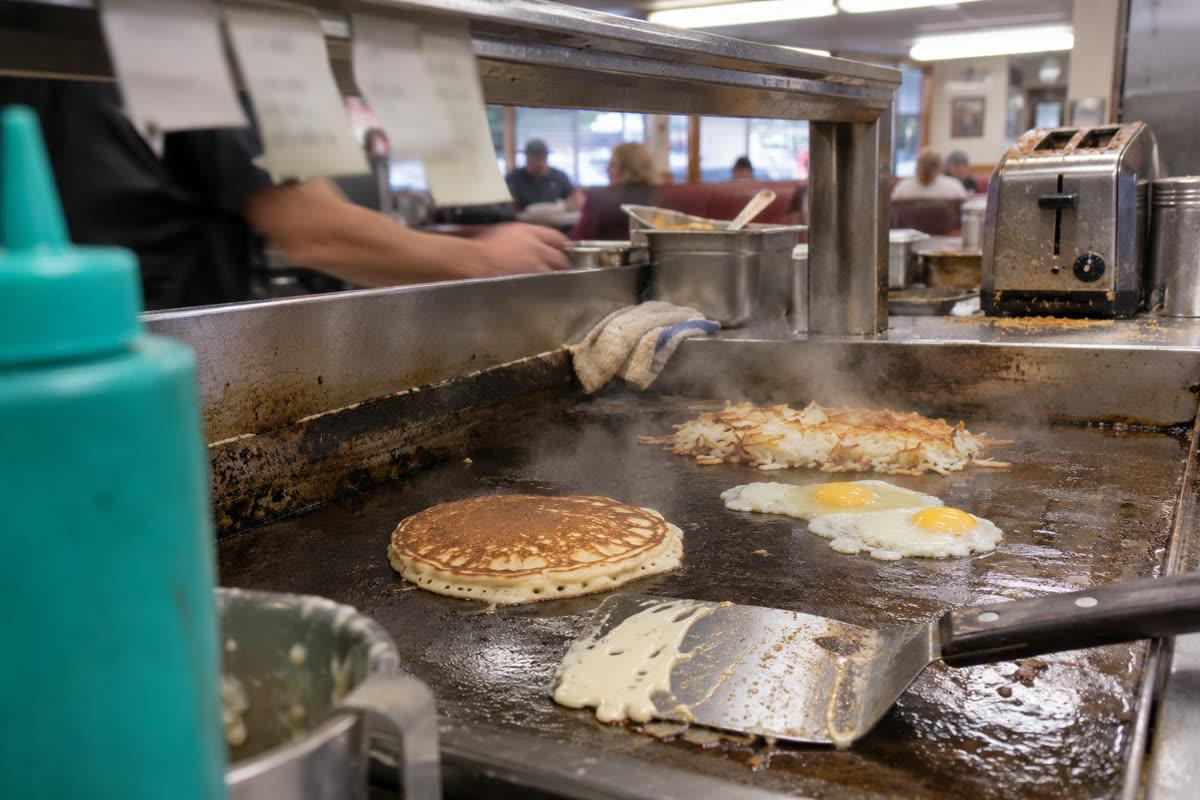 Gluten-free breakfast at restaurant chains: griddles, toasters and batterWhat IHOP, Panera and Tim Hortons say about shared griddles, toasters and fryers, and three questions to ask before you order breakfast out.
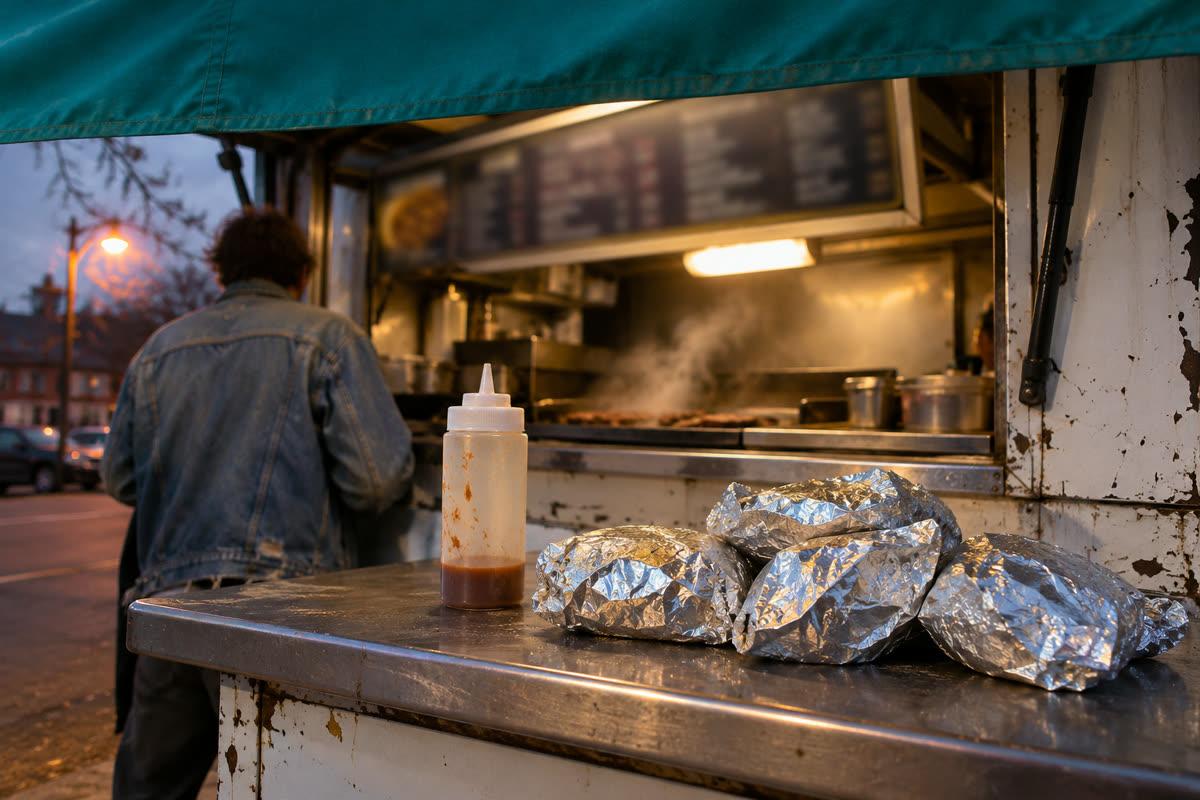 Buffets, food courts and food trucks with celiac disease: what to ask at eachHow to decide whether a buffet, food court counter or food truck is workable with celiac disease, what to ask at each stop, and what to order.
 Burger and chicken chains and gluten: what Popeyes, Arby’s, Wendy’s and Five Guys say in writingWhat Popeyes, Arby’s, Wendy’s and Five Guys say in their own allergen documents about fryers, buns, breading and cross-contact, with dates.
 Casual-dining chains and gluten: what nine chains’ own allergen documents sayWhat Olive Garden, Outback, Applebee’s, Texas Roadhouse, Red Lobster, Chili’s and others say in writing about fryers, gluten menus and cross-contact.
 Coffee and donut chains and gluten: what Starbucks and Tim Hortons say about shared equipmentWhat Starbucks and Tim Hortons say on their own pages about shared ovens, toasters and utensils, which items carry a wheat mark and what packaging changes.
 Ordering gluten-free through delivery apps and online menusWhat a dietary filter, tag or special-instructions note does in DoorDash and Uber Eats, and how to check a chain’s page and call before you order.
 Eating out with celiac disease: what to check, ask and watch forPlan a restaurant meal with celiac disease: what to check before you go, the questions to ask in order, how to read the answers, and what studies measured.
 What fast-food chains say about shared fryers, and what a shared-fryer study measuredEach chain's own sentence on fryer oil, with its document and date, plus what a 2026 study measured in fries and chips from shared fryers.
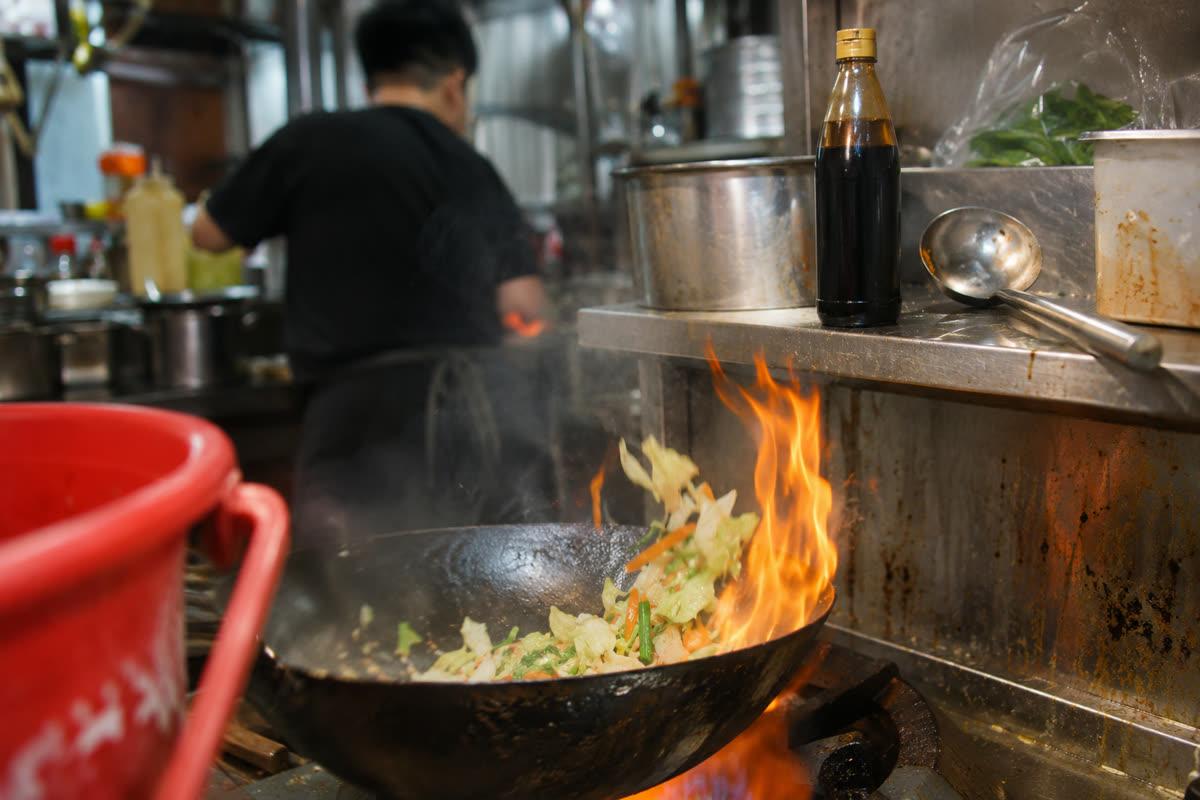 Ordering gluten-free at a Chinese restaurant: sauces, coatings, wine, woks and MSGWhere wheat enters Chinese-restaurant cooking (sauces, coatings, cooking wine, woks), why MSG is not a gluten source, and what to ask before you order.
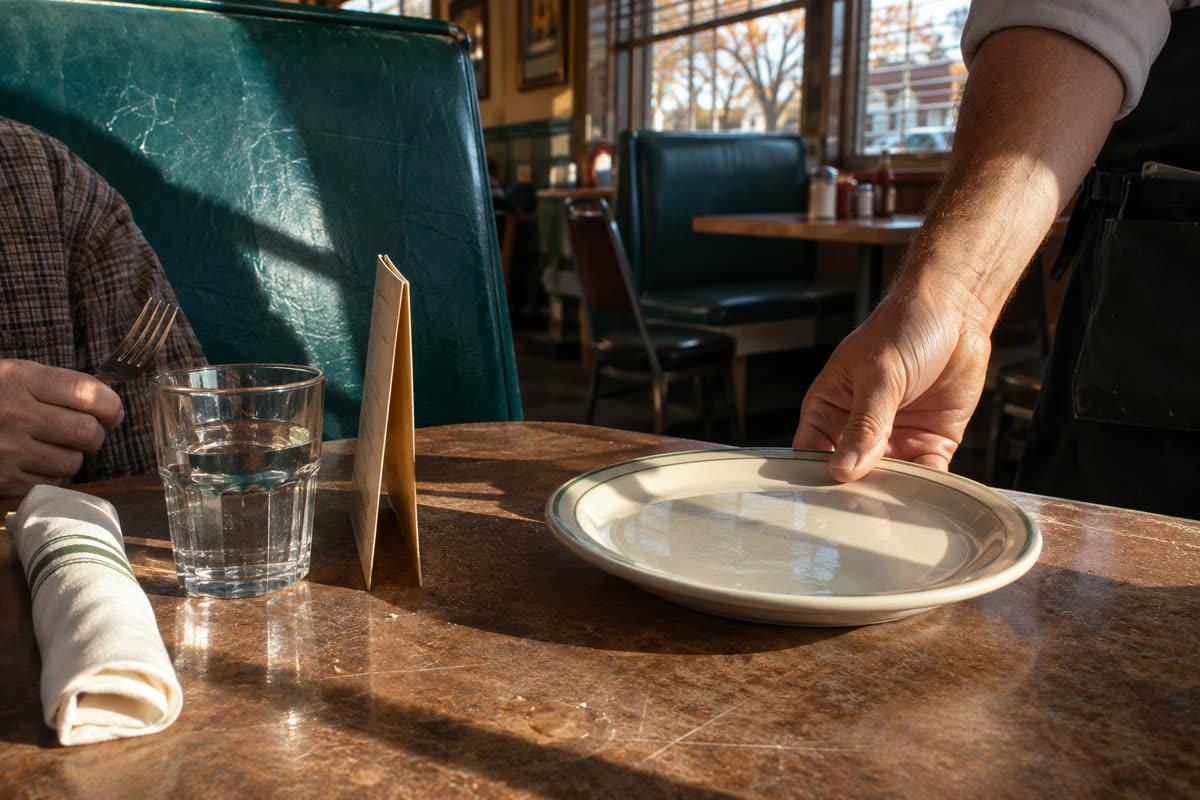 What “gluten-free” on a restaurant menu meansFDA’s gluten-free rule is written for packaged food. See what a menu label can mean, and how to tell a recipe from a procedure or an audited program.
 How to read a restaurant allergen chart for glutenWhat a mark, a blank cell, an X and a footnote mean on real US chain allergen charts, and which gluten questions the chart cannot answer.
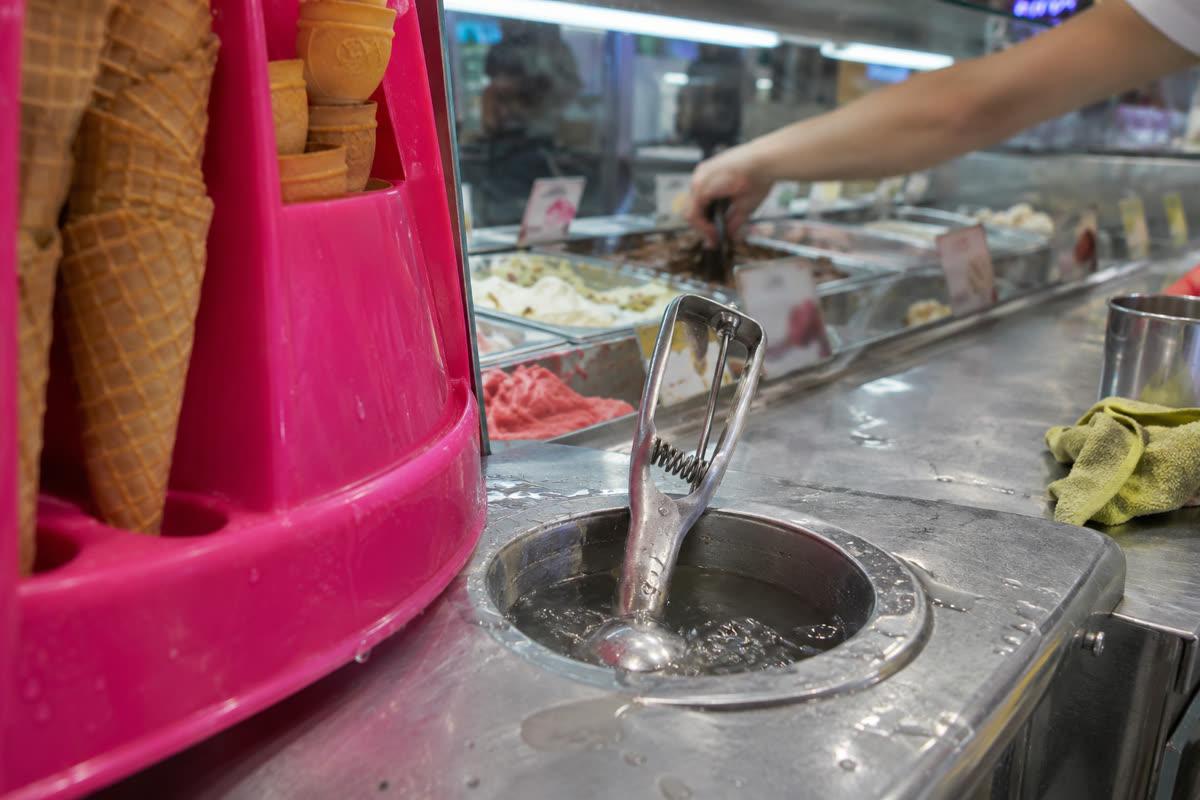 How to order gluten-free at an ice cream shopWhat to check at a scoop shop or soft-serve counter: flavors, scoops, cones, toppings and shakes, what three chains say, and when a sealed pint helps.
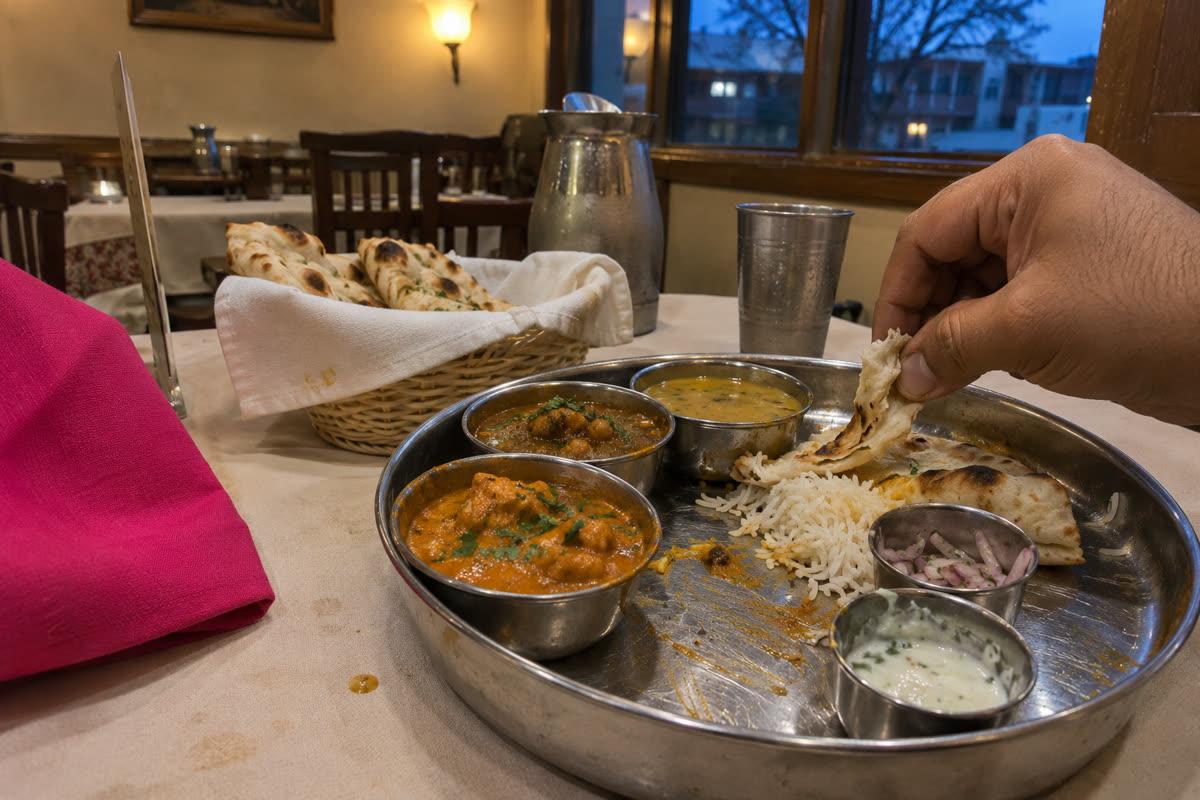 Ordering at an Indian restaurant: where wheat enters the menuWhere wheat enters an Indian menu (naan, hing, thickeners, samosas, the fryer and the tandoor) and the questions to ask before you order.
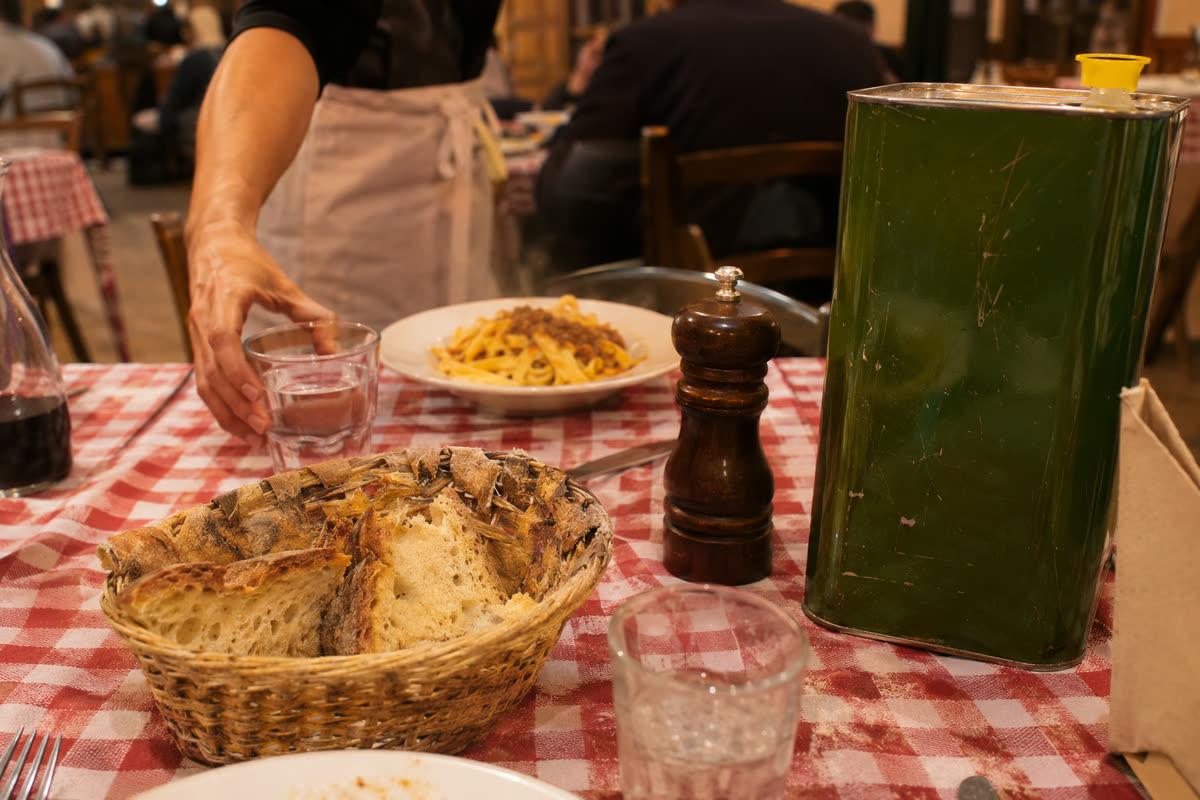 Ordering gluten-free at an Italian restaurantBefore you order at an Italian restaurant: where the gluten-free pasta is boiled, what thickens the sauces, and what is breaded or fried.
 When a restaurant gets your gluten-free order wrong or says no: what to do at the table and afterwardWhat to check on the plate, how to ask for a remake, when to leave, and who to report a restaurant gluten mistake to: manager, chain, health department.
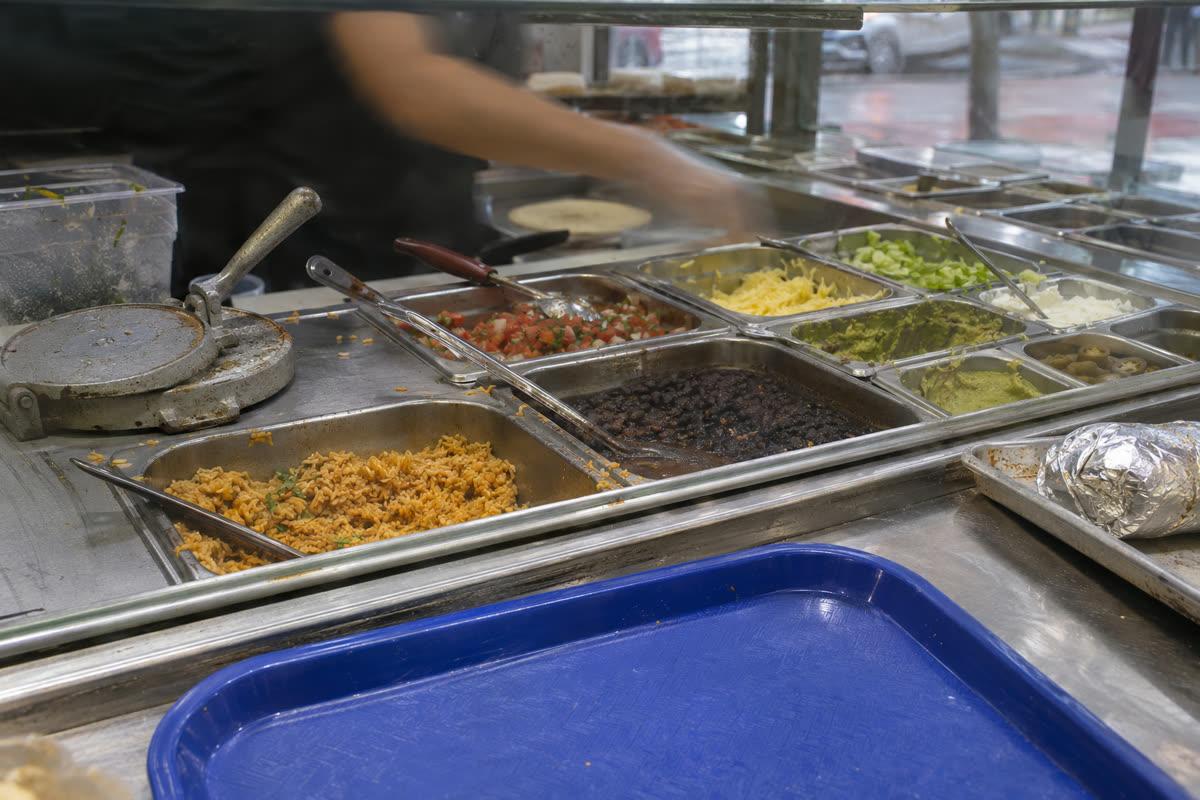 What Chipotle, Moe’s and Taco Bell say about gluten, fryers and tortillasWhat Chipotle, Moe’s and Taco Bell say on their own pages about flour tortillas, fryers, gloves and shared kitchens, with the date we read each.
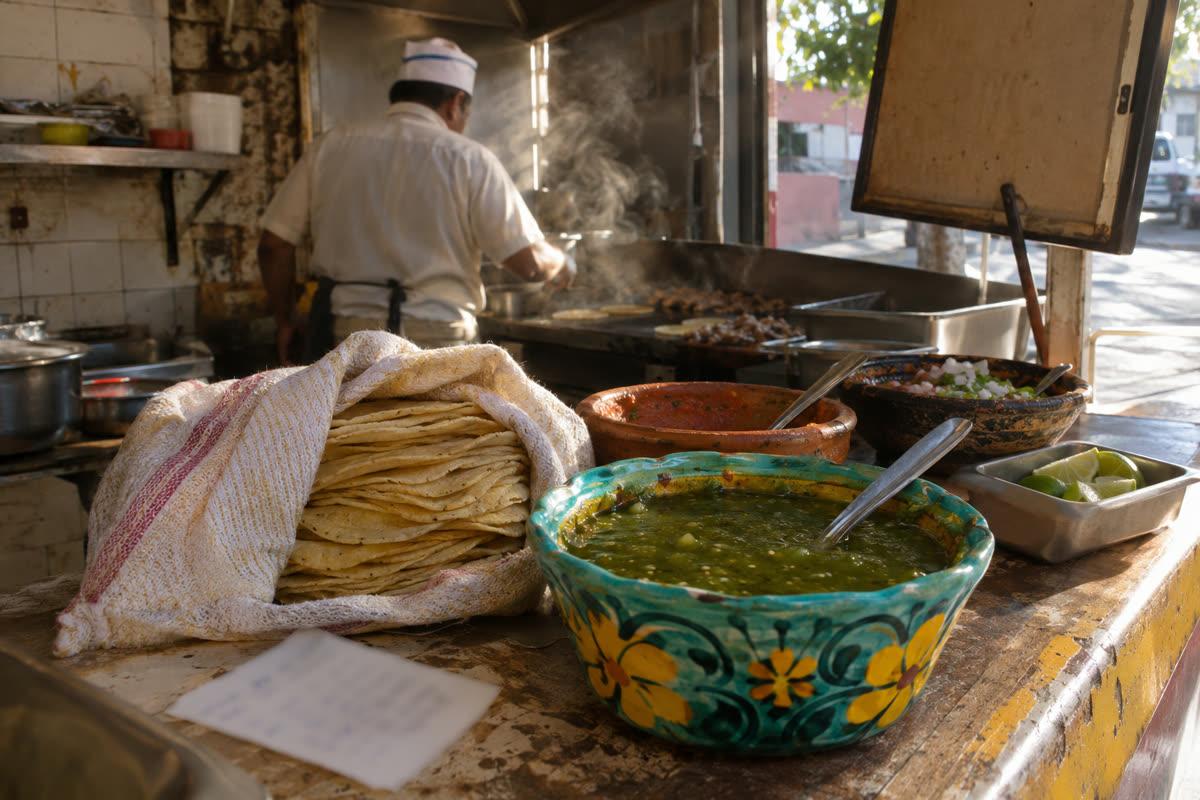 How to order at a Mexican restaurant when you avoid glutenCorn is not the whole story at a Mexican restaurant. What to ask about tortillas, chip fryers, sauces, seasoning and shared grills.
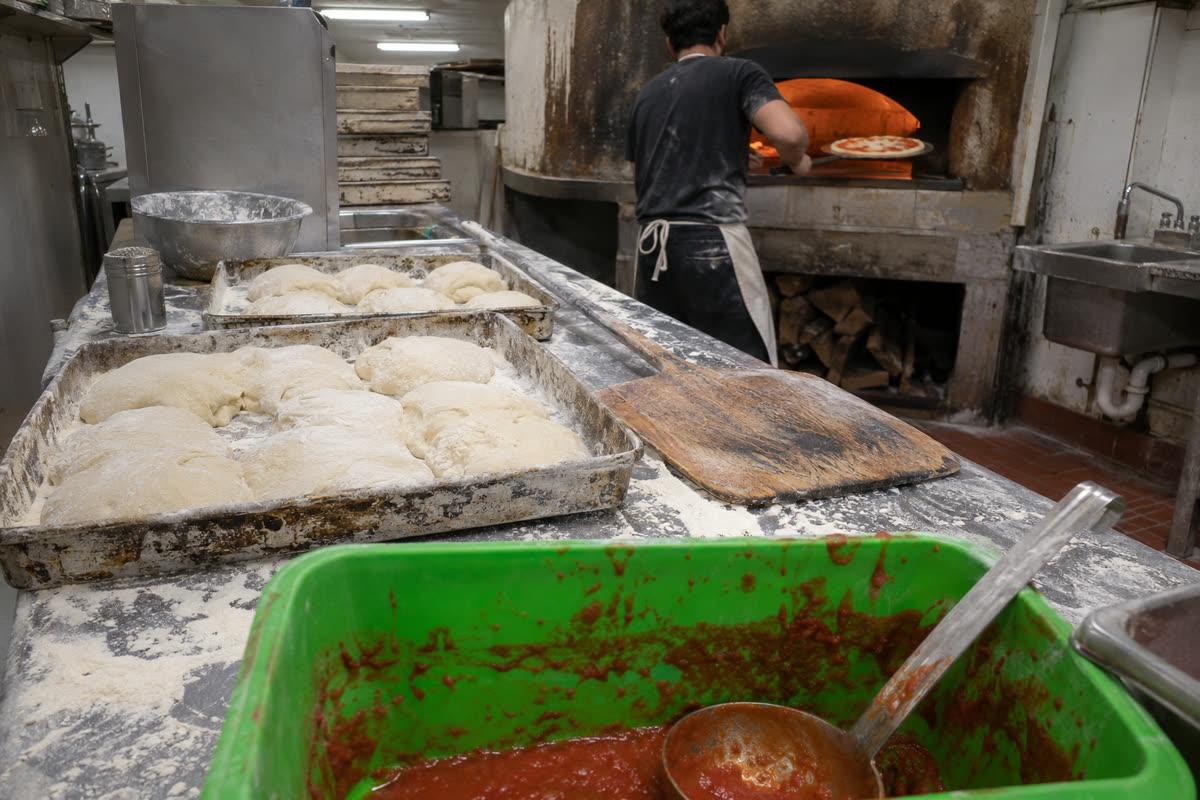 Pizza chain gluten-free crusts: what each chain says about its kitchenWhat Domino's, Papa Johns, Pizza Hut and Little Caesars say on their own pages about gluten-free crust, shared kitchens and celiac customers.
 Ordering gluten-free pizza at a pizza place: what to ask the kitchenWhat to ask a pizza place before you order a gluten-free crust: flour, oven, cutter, sauce and toppings, with what studies and charities say.
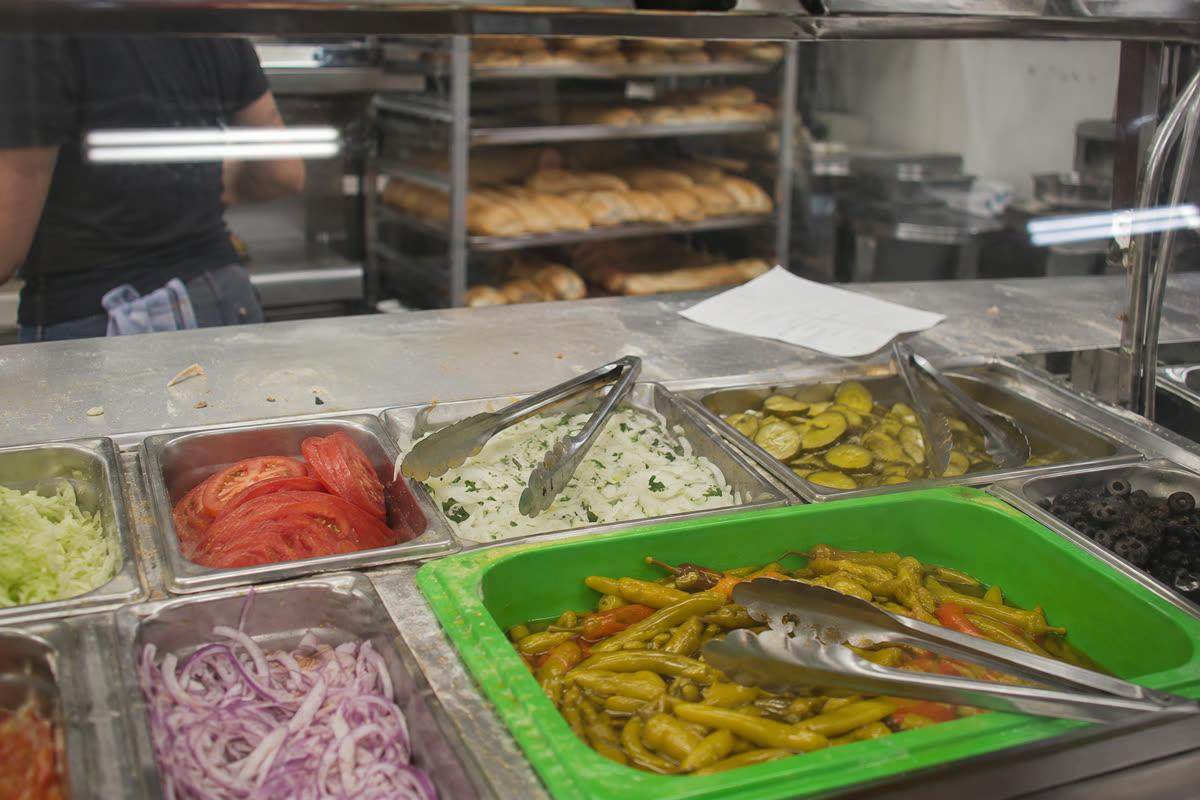 Sandwich and sub chains and gluten: what Subway, Panera, Jersey Mike’s and others say in writingWhat Subway, Jersey Mike’s, Jimmy John’s, Firehouse, Potbelly and Panera say in their own documents about gluten-free bread, shared equipment and dates.
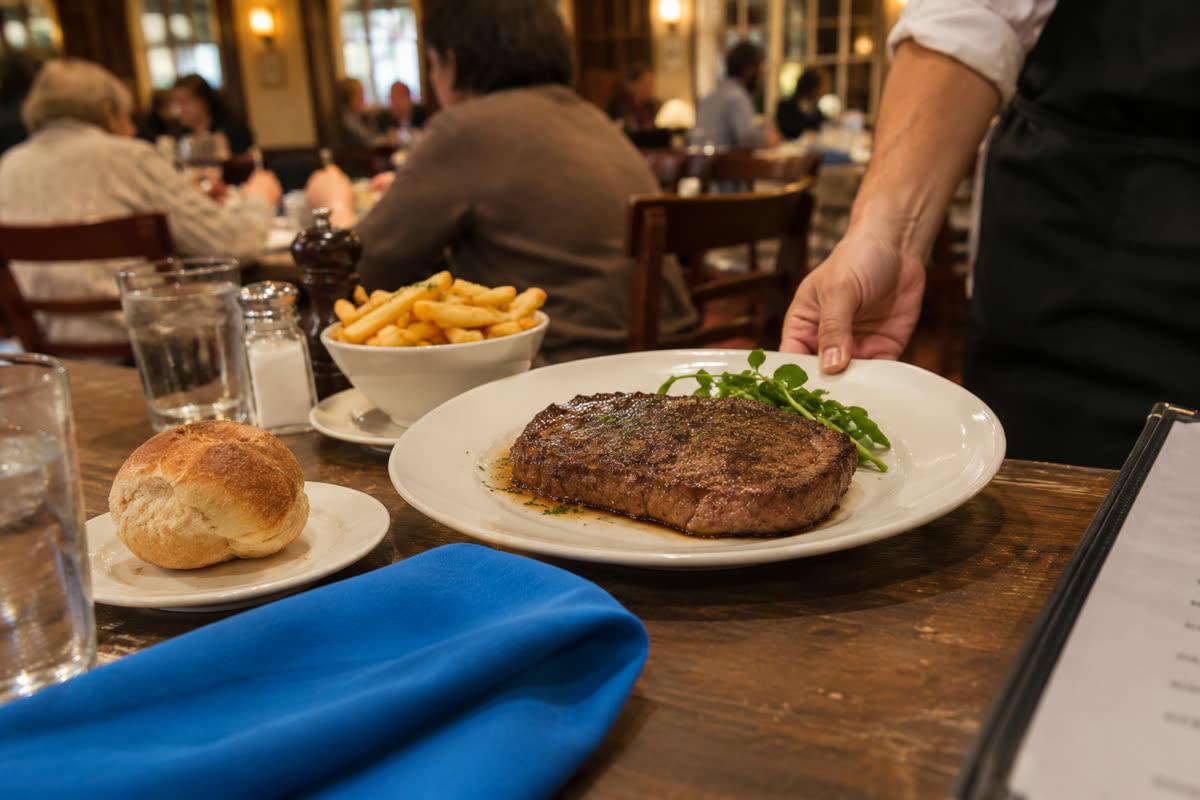 Ordering steak and burgers with celiac disease: marinades, sides, fryers and bunsWhat to ask about marinades, seasoning, butters, grills, fryers, sides and buns when you order steak or a burger with celiac disease.
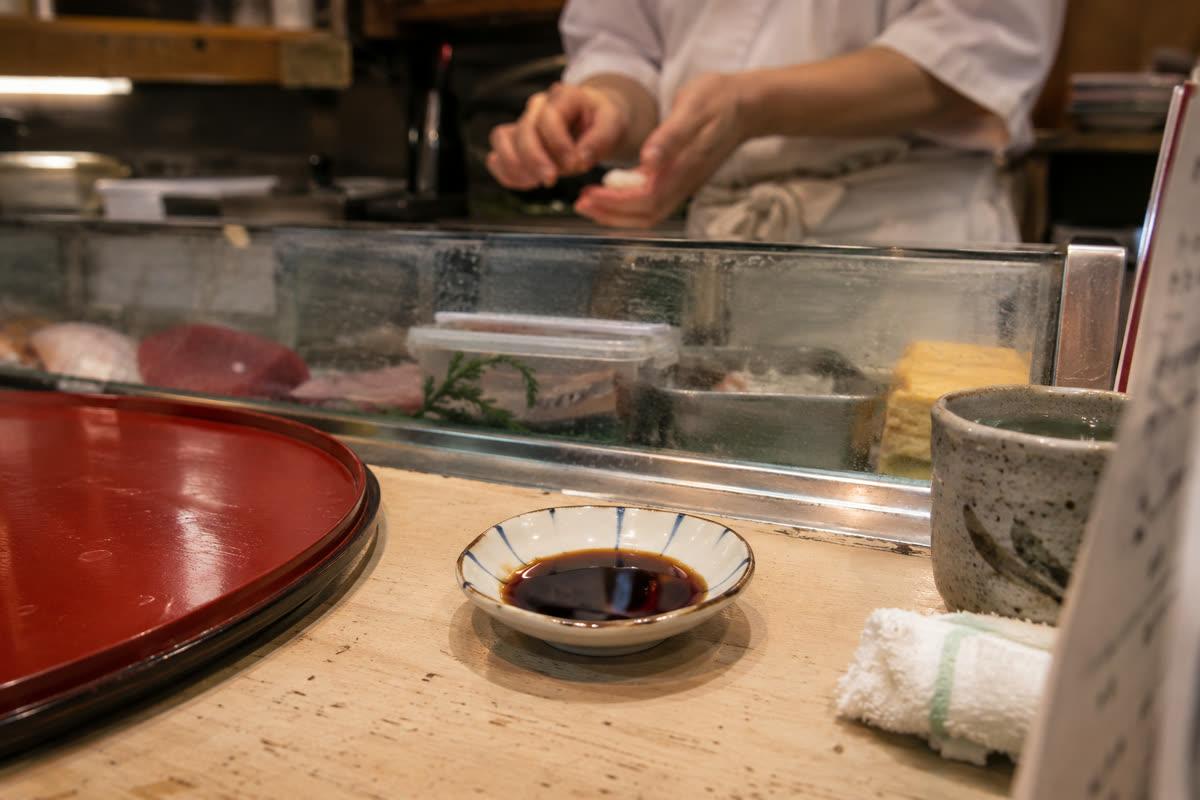 Ordering sushi and Japanese food when you avoid glutenWhich sushi, ramen and hibachi items carry wheat, what to ask about soy sauce, imitation crab, tempura and shared fryers, and a first-visit order.
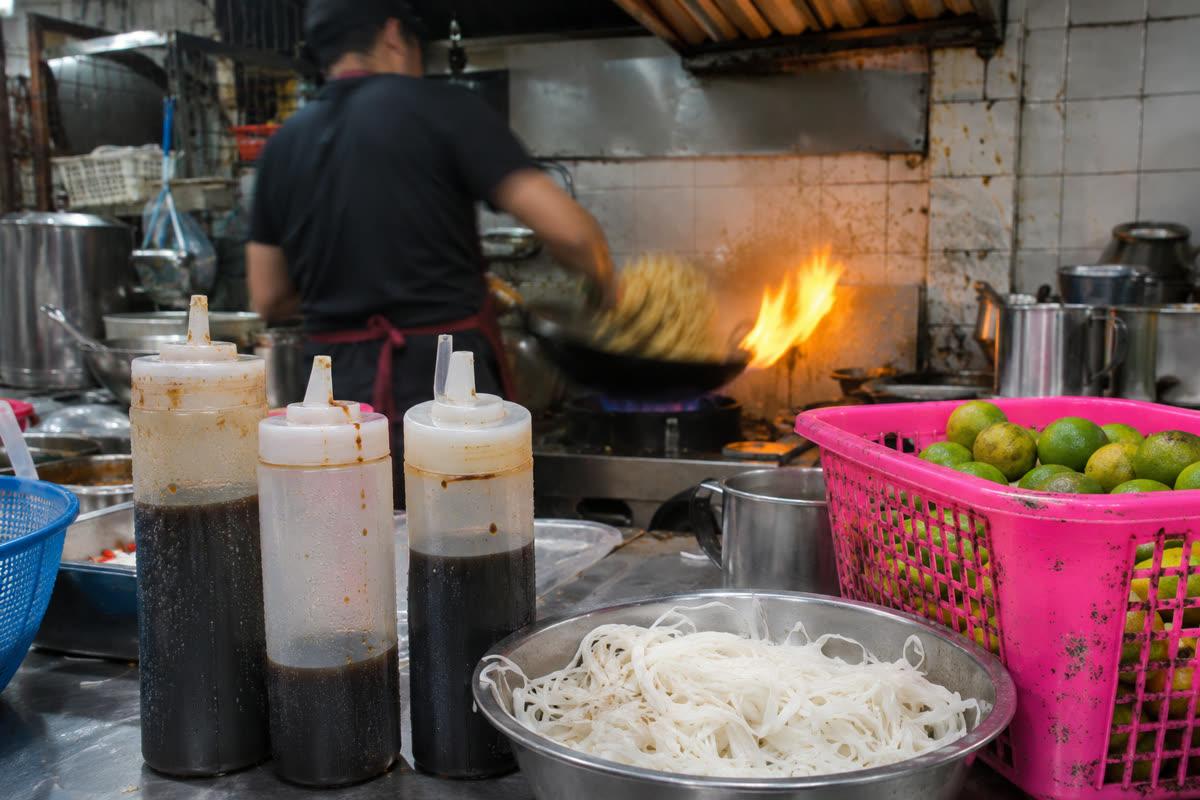 Ordering at a Thai restaurant when you avoid gluten: sauces, noodles and woksWhich Thai sauces, noodles, coatings and kitchen habits can bring in wheat, and the questions to ask before you order at a Thai restaurant.
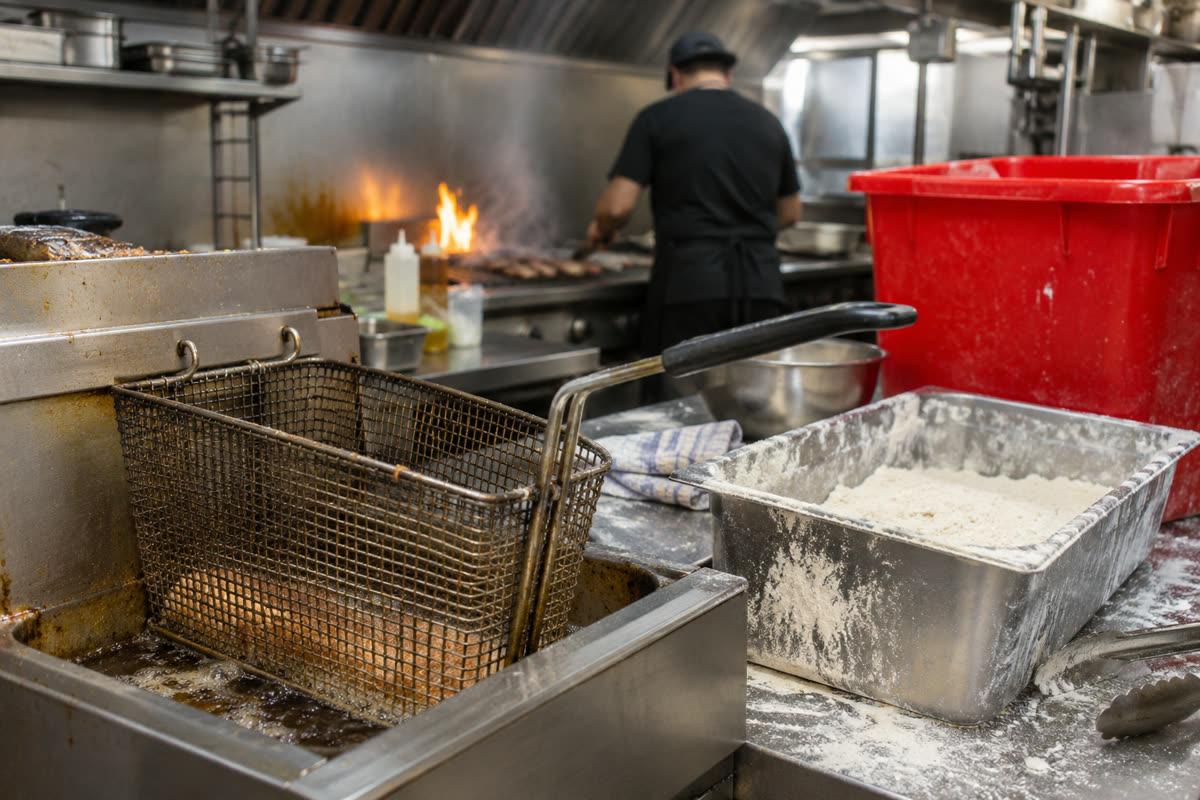 Where gluten hides in a restaurant kitchen, and the question to ask about each sourceFryers, sauces, roux, marinades, grills, pasta water and eggs: how gluten reaches restaurant food and the question GIG lists for each source.
Grocery shopping and meal planning
Shopping lists, store brands and planning a week of gluten-free meals.
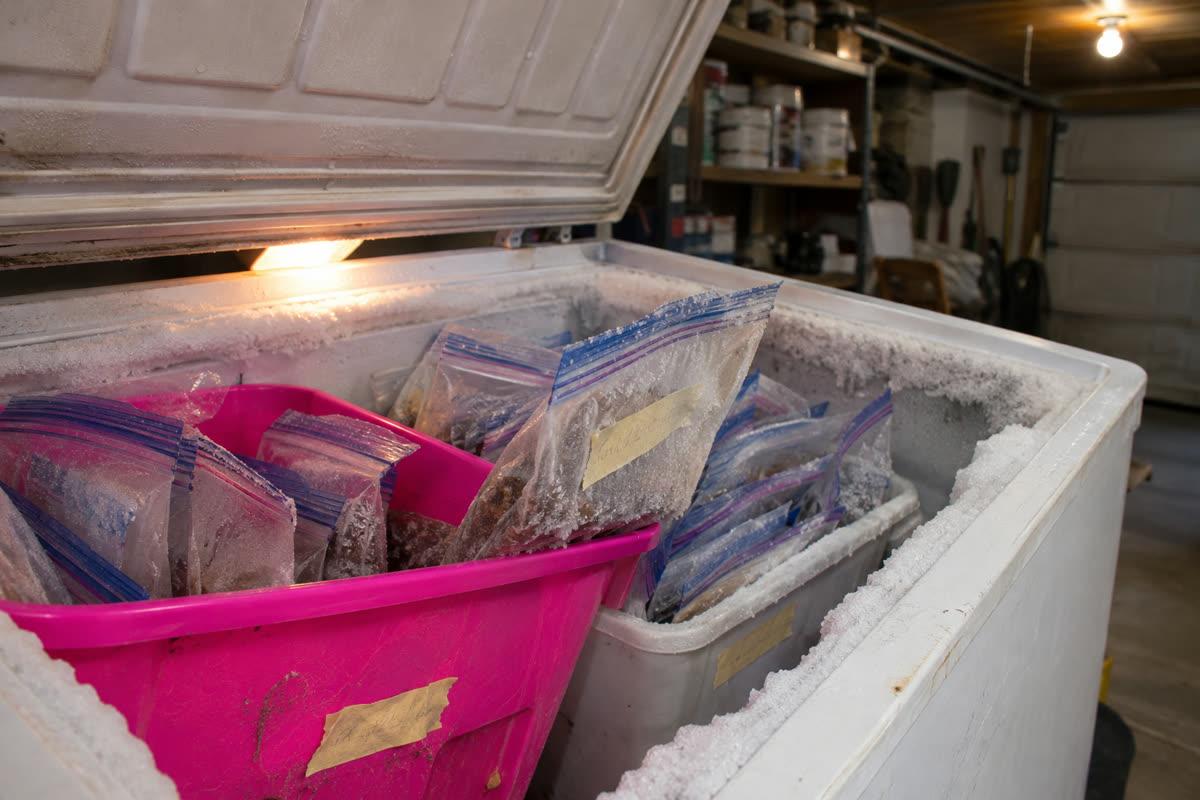 Freezing gluten-free food: what holds up, how to thaw it and how to keep it apartHow to freeze, label and thaw gluten-free food, which foods lose texture, and how to keep gluten-free packages apart in a shared freezer.
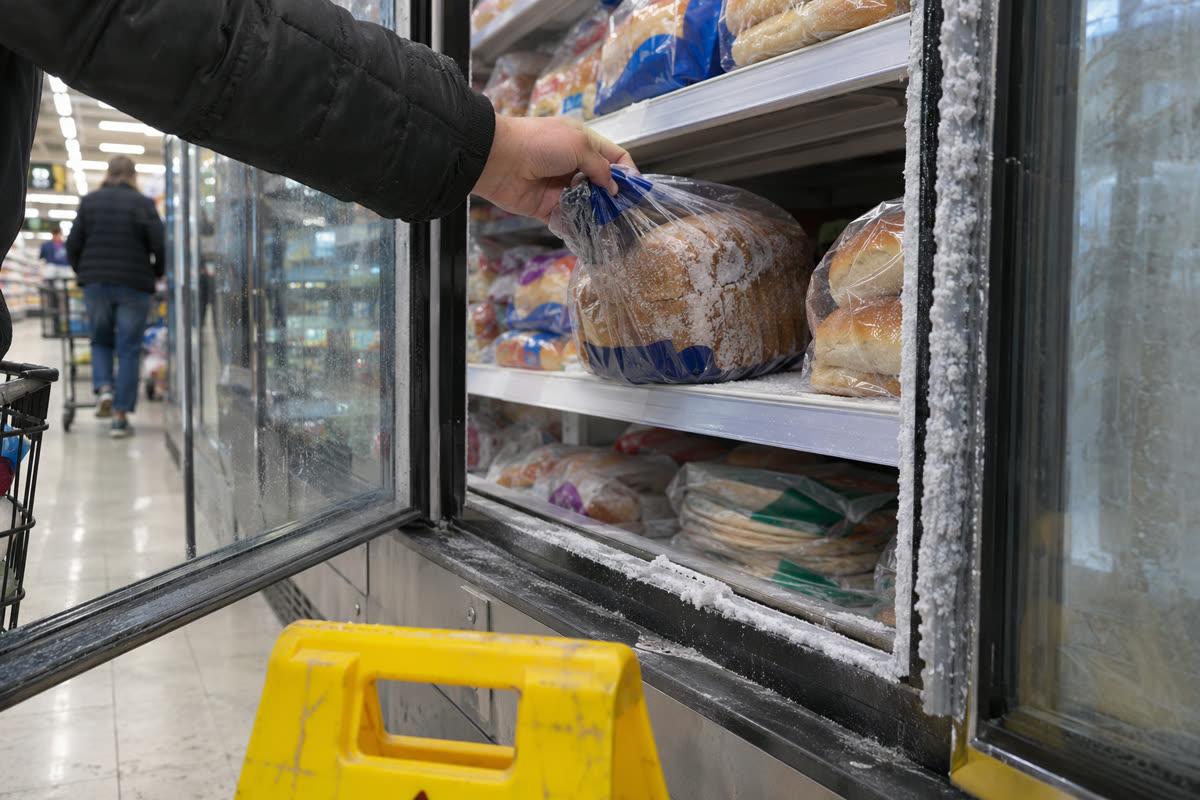 Gluten-free bread, buns and wraps: what the package tells youHow to tell a gluten-free bread, bun or wrap from a wheat look-alike: certification mark, maker’s claim or ingredient list, in a fixed order.
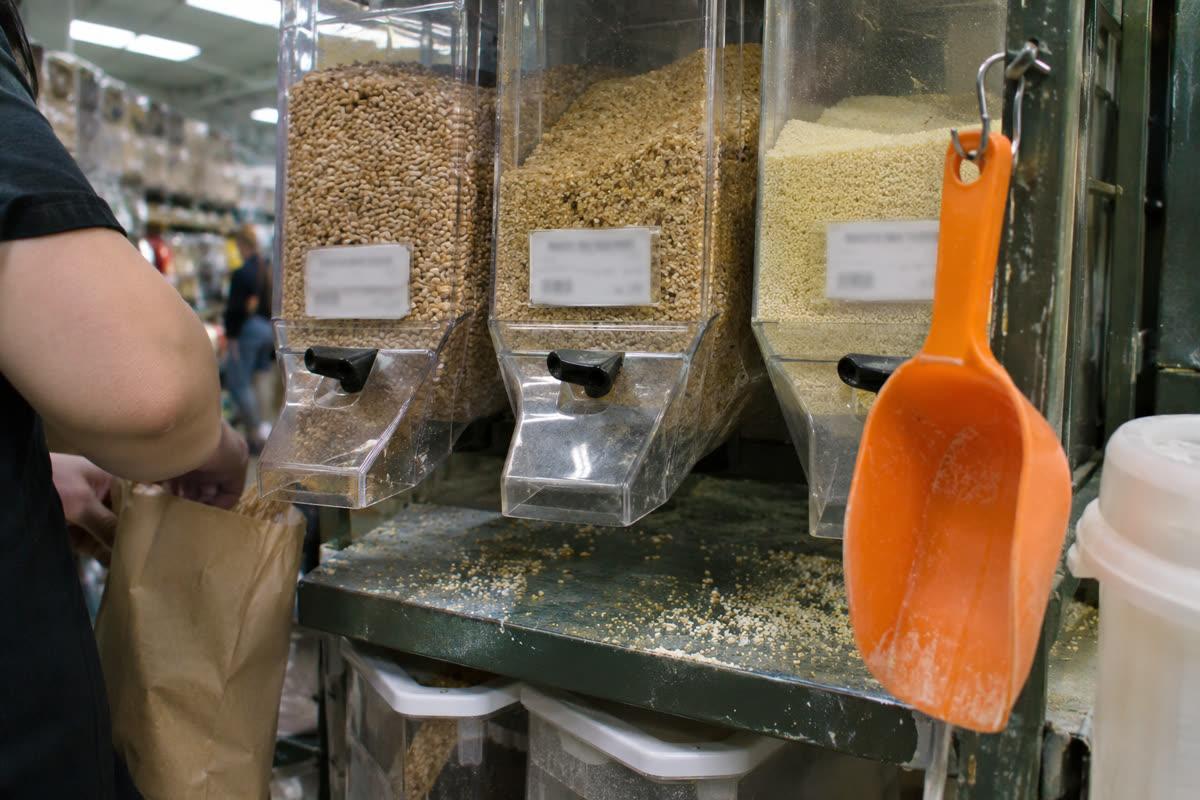
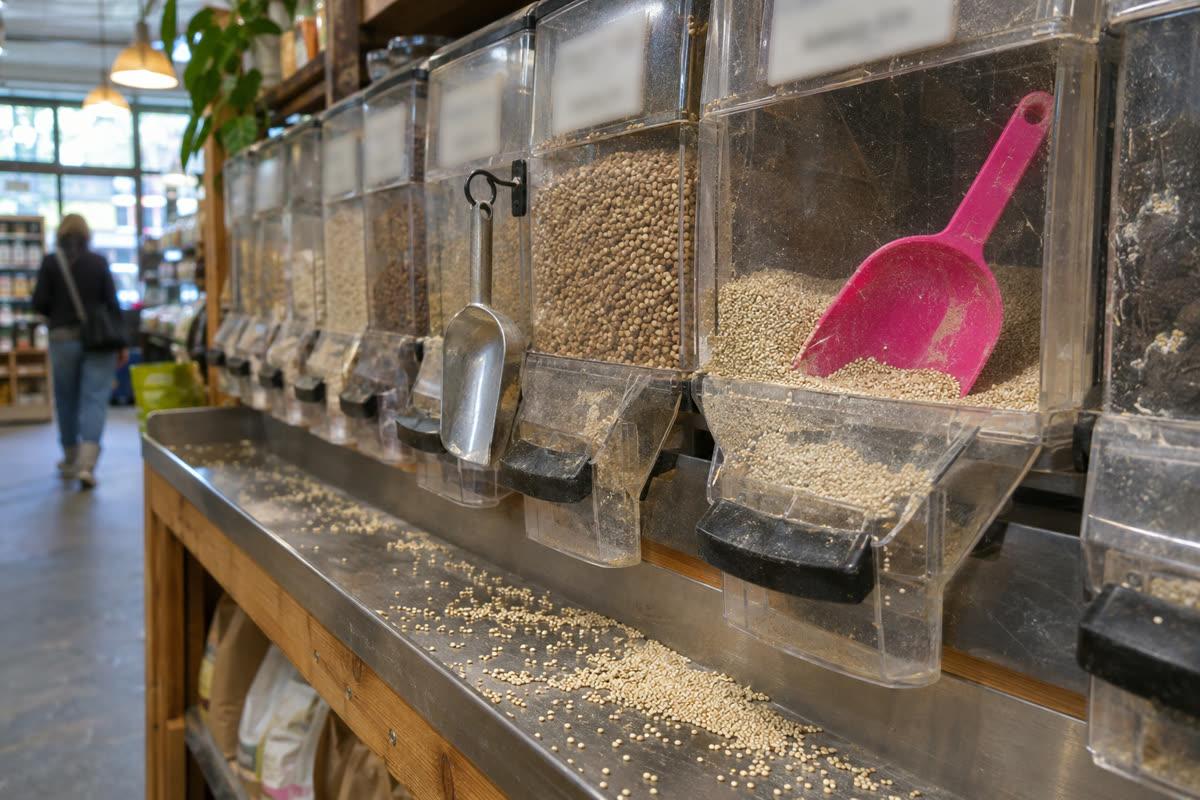 Deli, bakery and bulk-bin counters on a gluten-free dietFor each store counter (deli, bakery, bulk bins, bars): skip it, ask first, or buy the packaged item, and what a store’s own statement tells you.
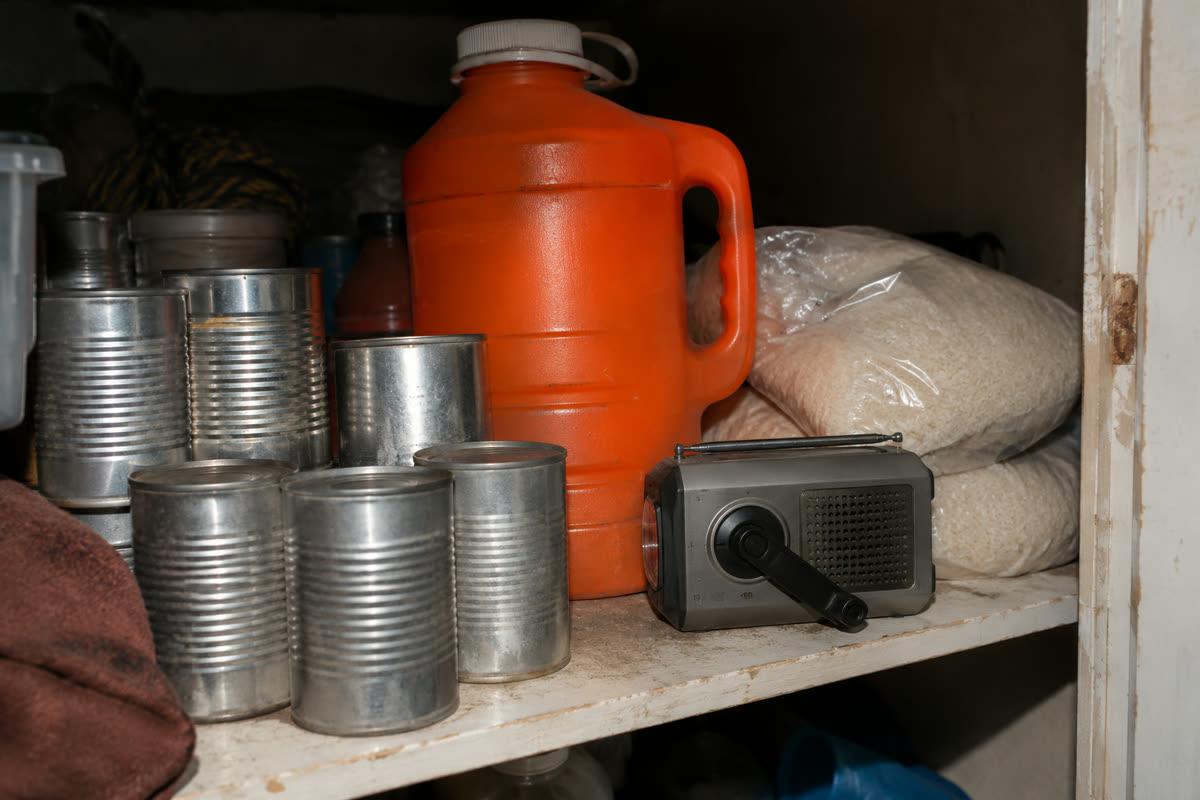 How to build a gluten-free emergency food supplyBuild a gluten-free emergency food supply: a stock list by food type, reading a freeze-dried pouch, maker shelf-life claims and what to bring to a shelter.
 Gluten-free at the farmers market and in a CSA box: what to ask each producerWhich farmers market stalls and CSA add-ons need no label, which need questions, and the order to ask them, with what state cottage food rules cover.
 Frozen meals, pizza and nuggets on a gluten-free diet: what to read on the boxCheck a frozen meal, pizza or nugget box for gluten in order: the claim, any certification mark, the ingredient list, the Contains line and facility lines.
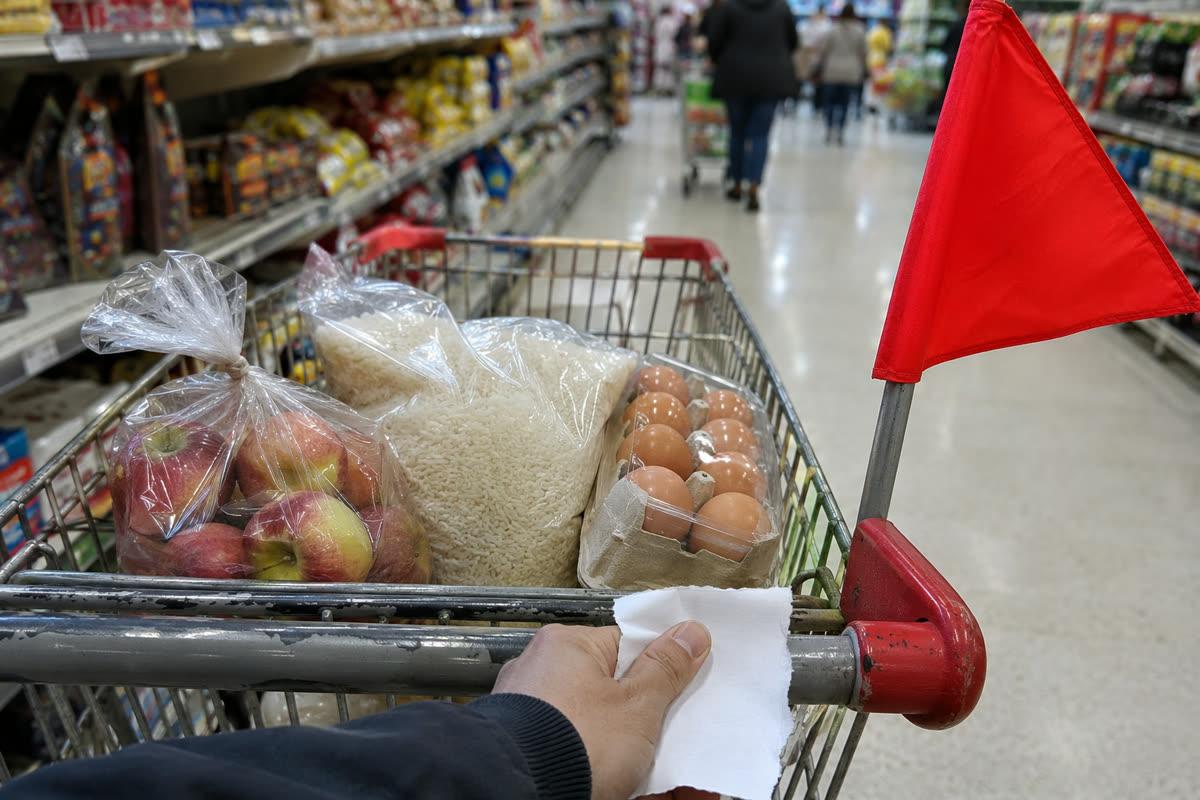 A gluten-free grocery list by aisle for US supermarketsAn aisle-by-aisle gluten-free grocery list for US stores: what needs no label, what needs a check, and what stays off the list.
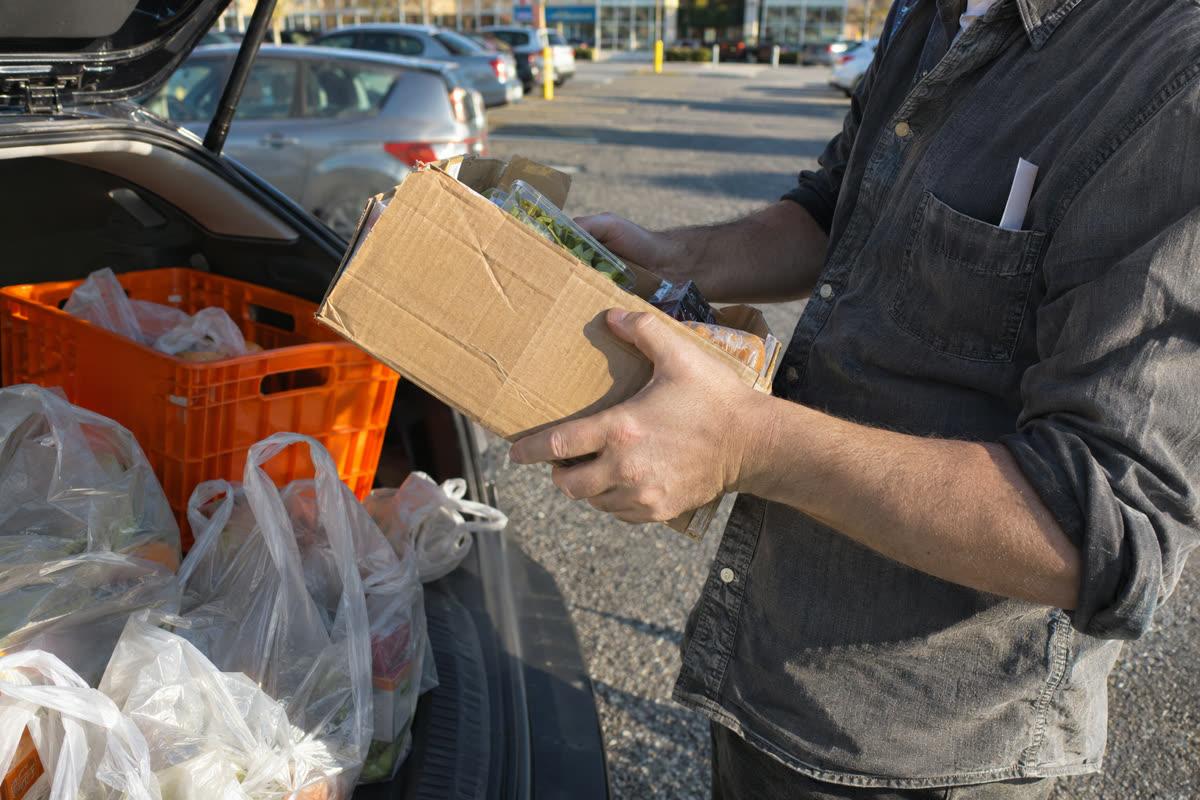 Gluten-free grocery pickup and delivery: setting substitutions and checking swapsHow to set no-substitution choices on Instacart, Target and Whole Foods orders, check each swapped item at the door, and report a swap that fails.
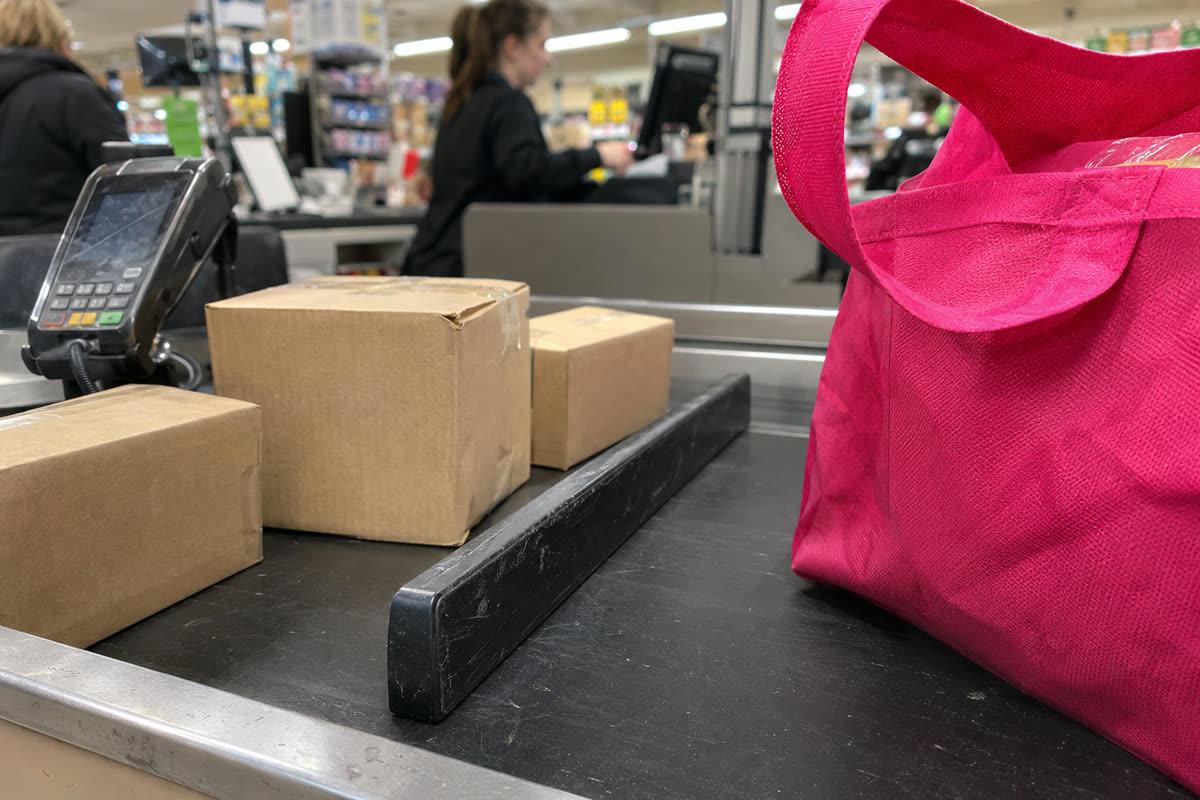 Gluten-free grocery shopping: what to check at the shelf, the bulk bins and the checkoutOne reading order for any US supermarket pack, plus what to do about bulk bins, frozen cases, wheat starch and storage once the bags are home.
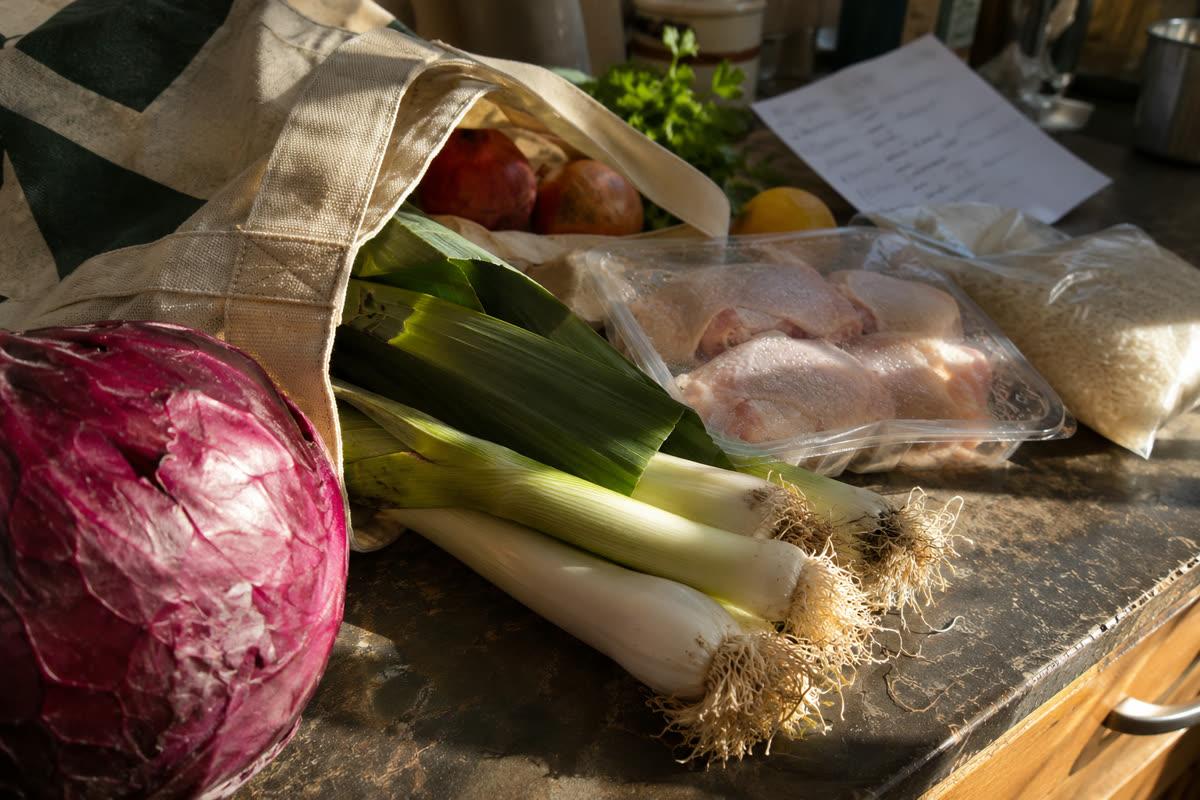 A gluten-free meal plan as a shopping template, by meal slotA weekly gluten-free shopping template: staples for each meal slot, the check each packaged item needs, and a ledger of when you last read each label.
 Gluten-free meal prep in a shared kitchen: order, containers, labels and refrigerator timesHow to run a gluten-free prep session in a kitchen shared with wheat eaters: what to clean, what to handle first, how to label, and how long food keeps.
 How to check a grocery listing for gluten before you orderRead an online grocery listing for gluten in a fixed order, tell a store tag from a maker claim and a certifier mark, and re-check on reorders.
 A starter gluten-free pantry: 30 shelf items and the label check for eachThirty shelf items for a first gluten-free pantry, tagged by the label check each needs, plus how to keep jars, toaster and colander apart at home.
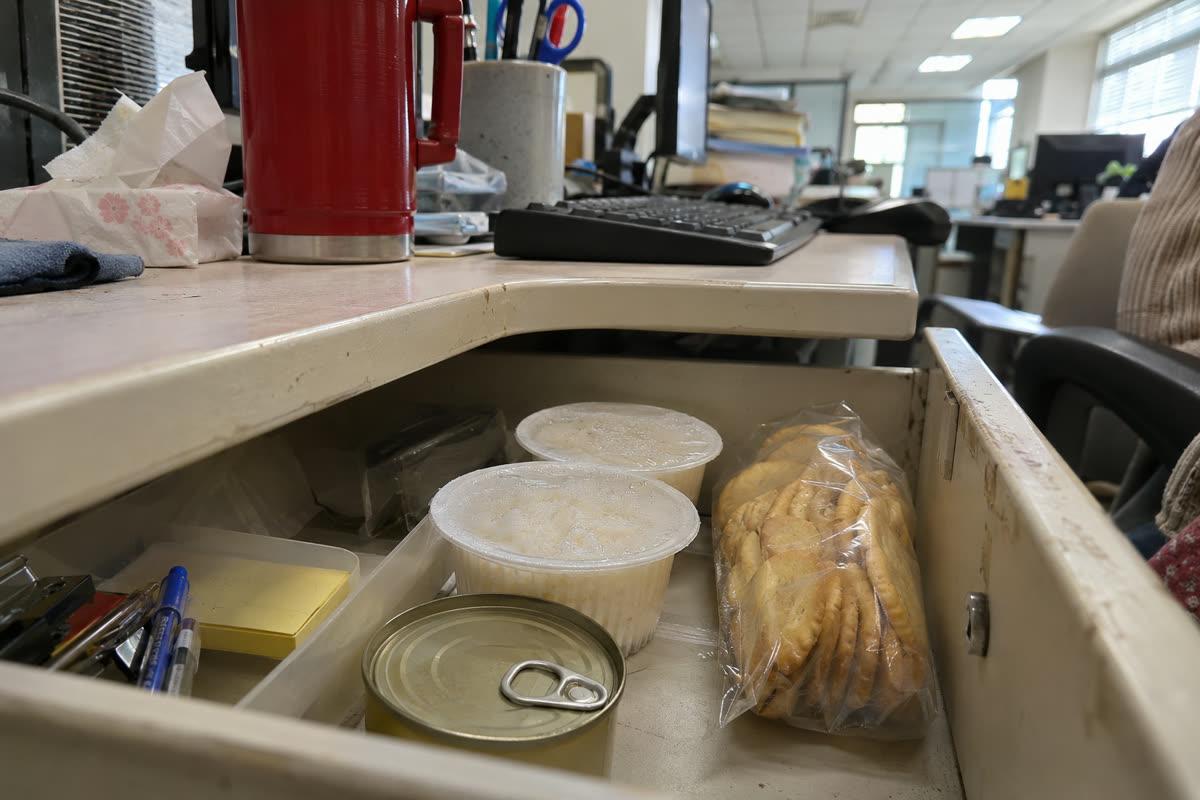 Packing a gluten-free work lunch from shelf-stable foodsWhat to pack for a gluten-free office lunch, which packaged items to label-check once, and how to use a shared fridge, microwave and toaster.
 Store-brand gluten-free: what the tag, claim or seal rests onSort a store-brand item into certified, maker-stated or ingredient-only, see what each lets you conclude, and know what to ask the store.
Drinks and alcohol
Beer, wine, spirits, coffee and other drinks, and how their labels are regulated.
 Alcohol and celiac disease: what a gluten-free label does and does not settleWhether a drink has gluten and whether alcohol suits a person with celiac disease are two questions. What the sources say, and what to ask a clinician.
 Cider, wine, hard seltzer and malt beverages: where barley can still show upHow to read a can for a malt base, and when cider, wine, hard seltzer and coolers need the maker’s own page to settle the barley question.
 Cocktail mixers, bitters and rims: what can carry gluten besides the spiritTake a cocktail apart: spirit, mixer, bitters, beer, rim and garnish. See what makers and charities say about each, and what to ask the bar.
 Gluten in coffee-shop drinks: milk, syrups, toppings and shared toolsTake a coffee-shop drink apart: base, milk, syrup, topping and shared tools. See which label or maker page to read for each part.
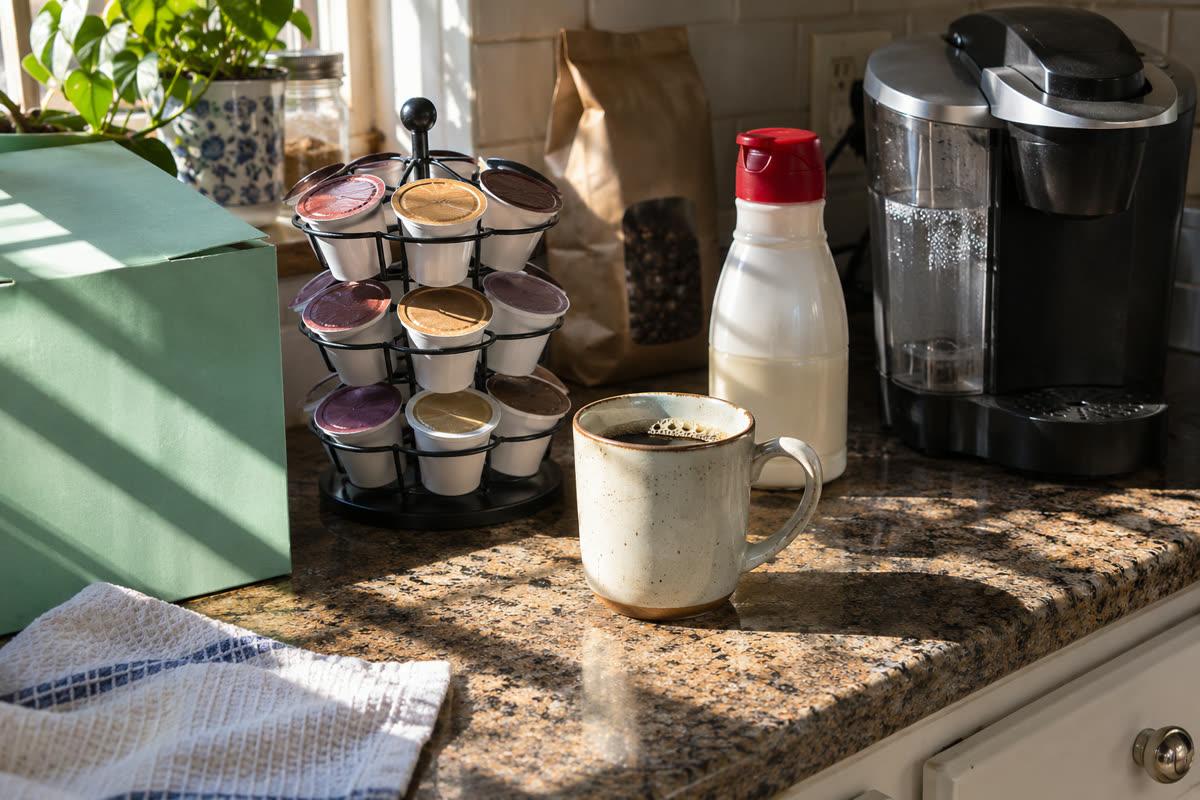 Flavored coffee, pods and creamers: where gluten can enter a cup you make at homeCheck a flavored bean, pod, instant mix or creamer against the maker's own statement; eight makers' pages read on 2026-11-17.
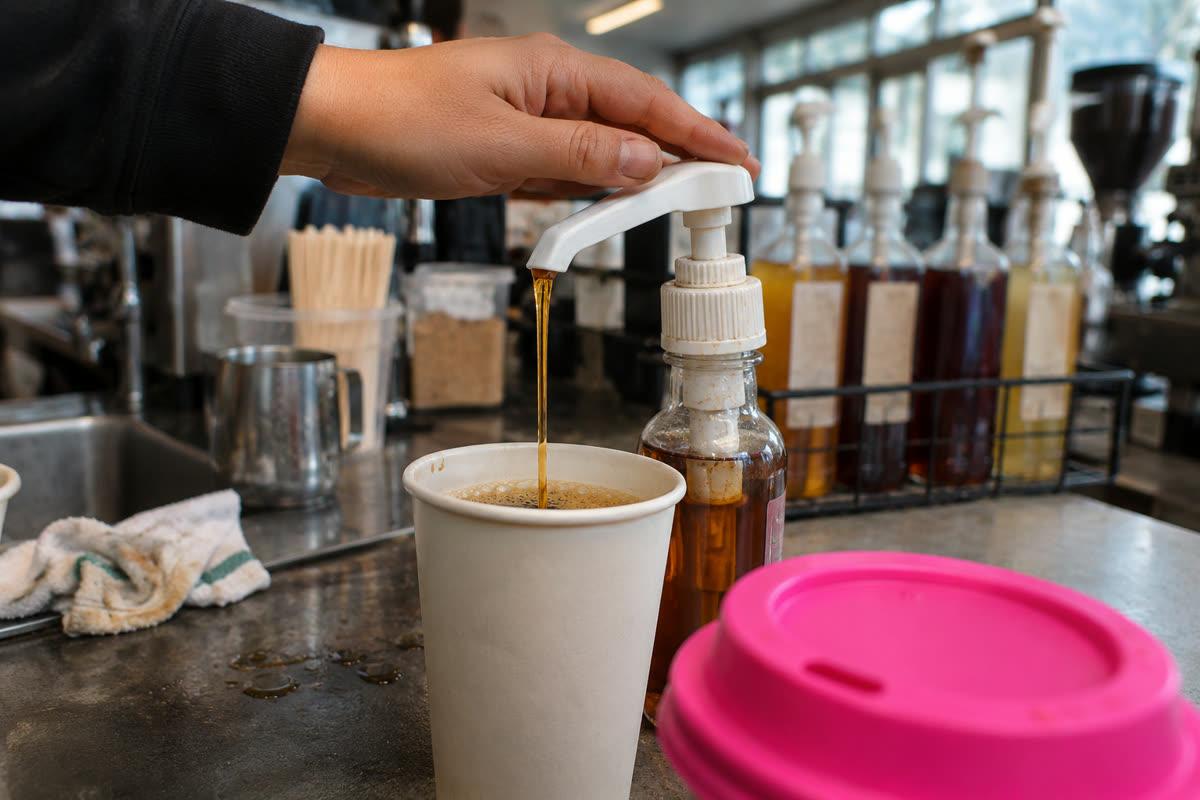 Reading the label of a flavored syrup, sauce or cookie topping for glutenHow to read coffee and bar syrup, sauce and cookie-topping labels for gluten, and what Torani, Monin and DaVinci Gourmet say on their own pages.
 Gluten-free alcohol: what US beer, spirits, wine and cider labels may sayWhich US alcohol labels may say gluten-free, who sets the wording, and how beer, spirits, wine, cider and hard seltzer differ, each rule sourced.
 Gluten-removed beer: what the treatment does, why the tests are disputed and what the TTB statement saysWhat “crafted to remove gluten” means on a barley beer, why lab results on it are disputed, and what TTB, NCA and GIG say, for your clinician talk.
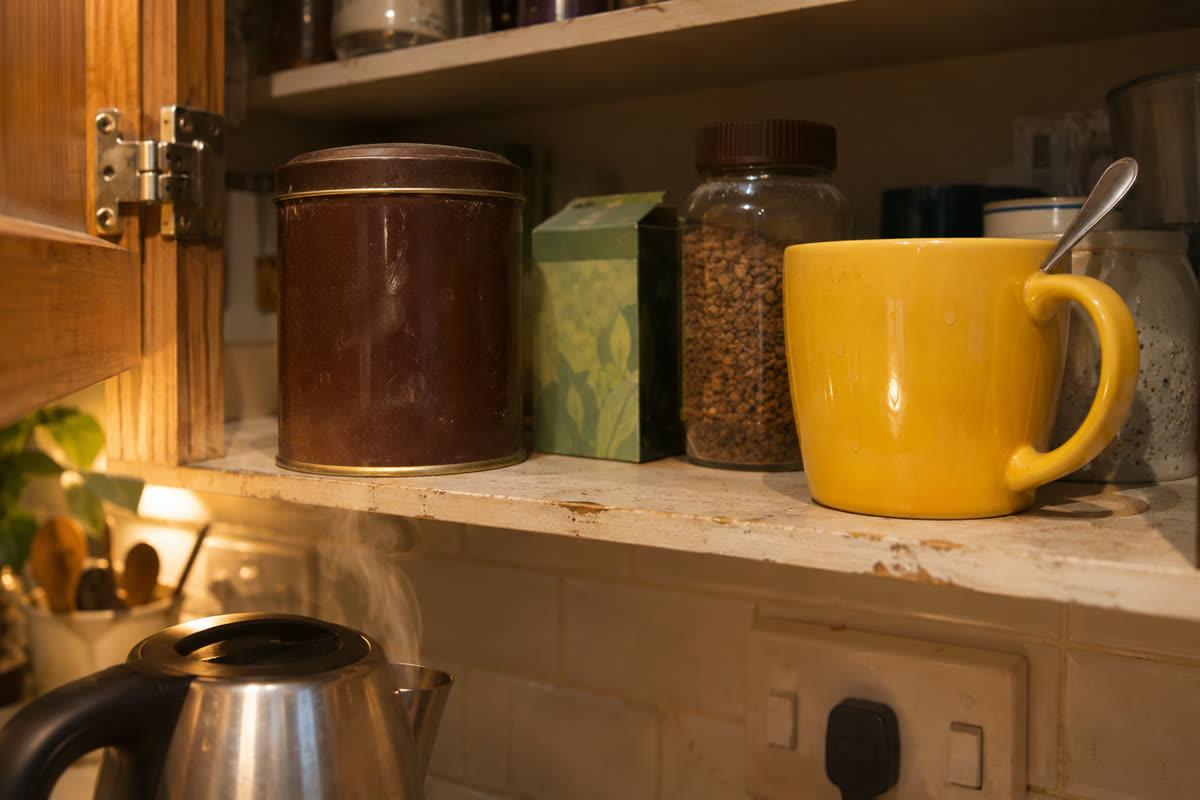 Instant coffee, tea, cocoa and malted drink mixes: what to read for glutenWhere gluten turns up in instant coffee, tea blends, chai, cocoa and malted drink mixes, and what to read on each label before you buy.
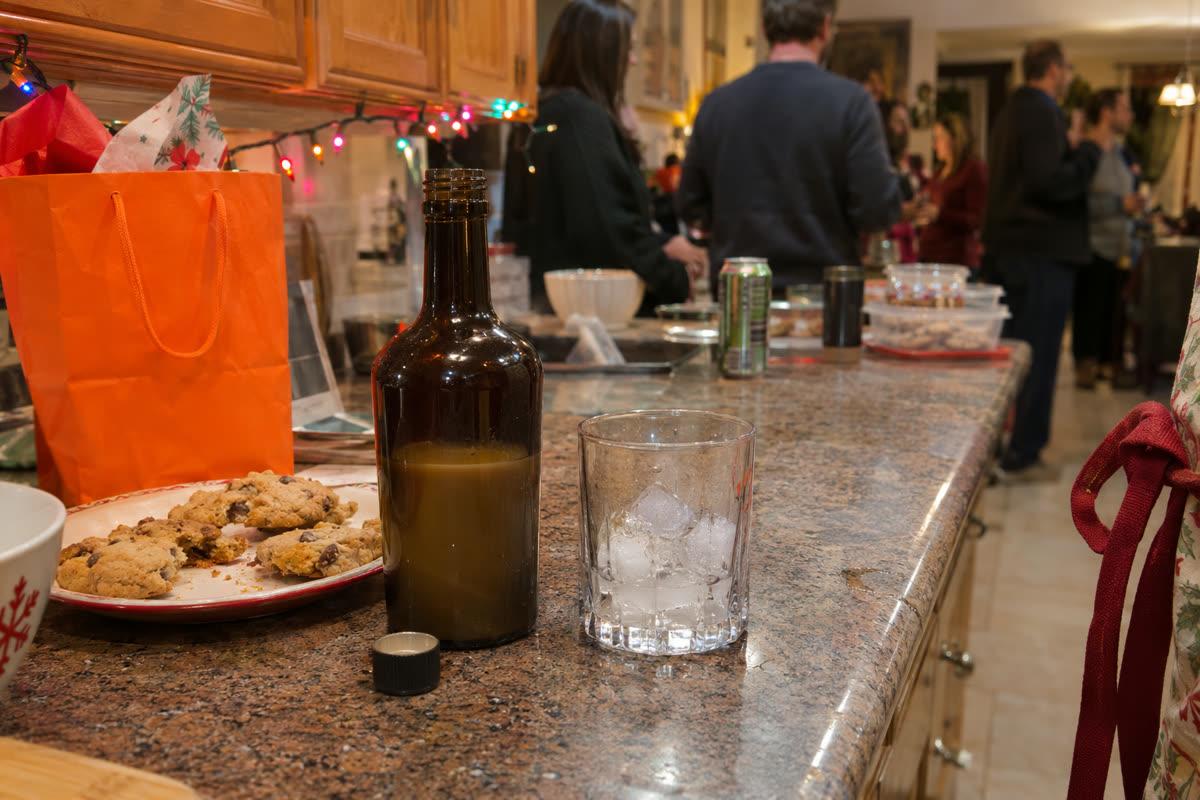 Liqueurs and cream liqueurs: what a maker’s page can and cannot tell youSplit a liqueur into base spirit, flavors, sugar and cream, read what each maker’s own page says about gluten, and know what to ask when it says nothing.
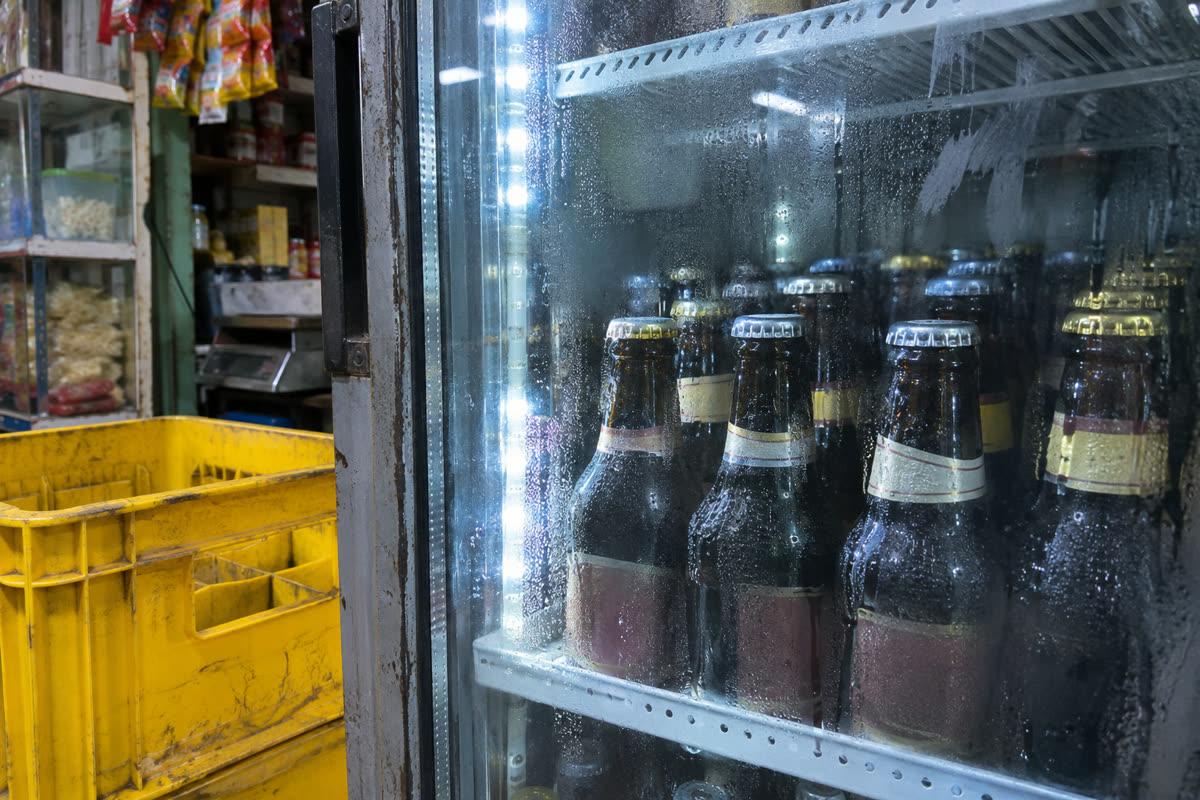 Non-alcoholic beer, kvass and malta: what the grain means for glutenHow non-alcoholic beer, kvass and malta are made, what US labels let them say about alcohol and gluten, and what to check on each can or bottle.
 Oat milk and other plant milks: what to check for glutenWhy oat milk is the plant milk to check for gluten, what a gluten-free claim and a certifier’s mark mean, and how almond, soy and other milks compare.
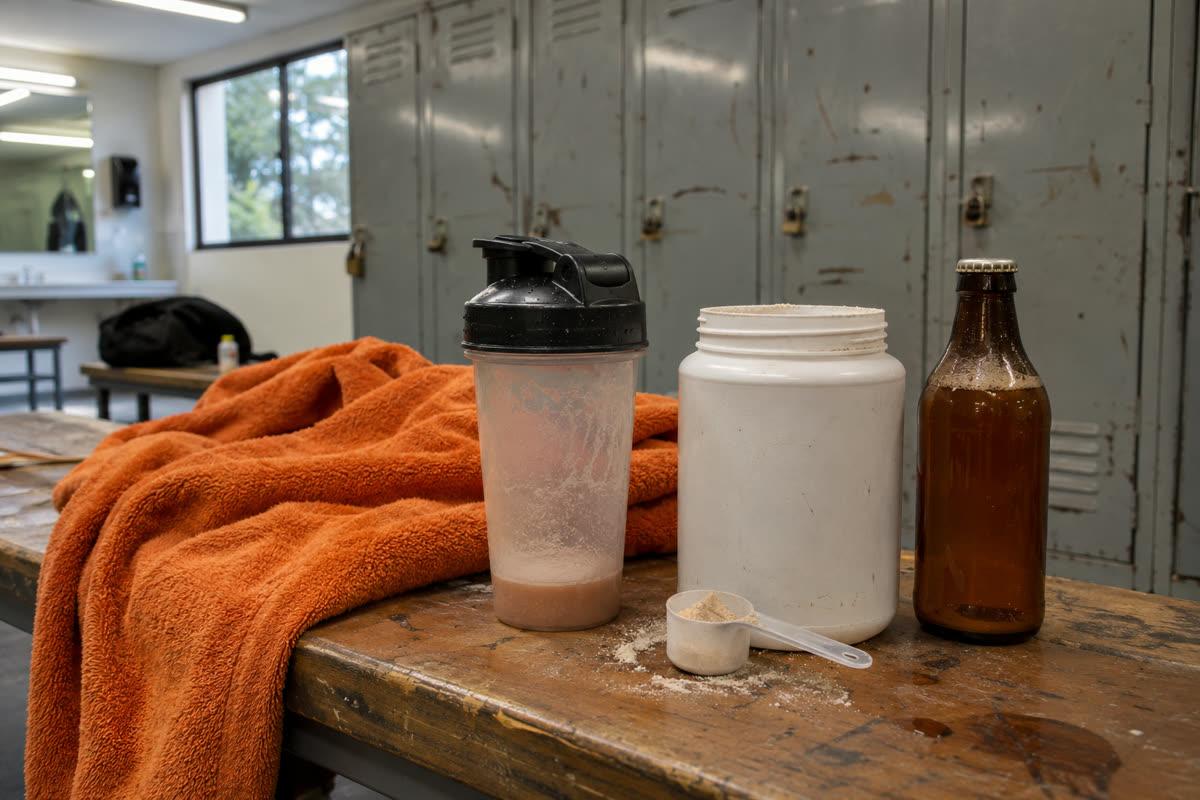 Protein shakes, energy drinks and kombucha: what to read for glutenWhat to read on a shake, energy drink or kombucha label for gluten, and what makers such as Ensure, Celsius and Health-Ade say on their own pages.
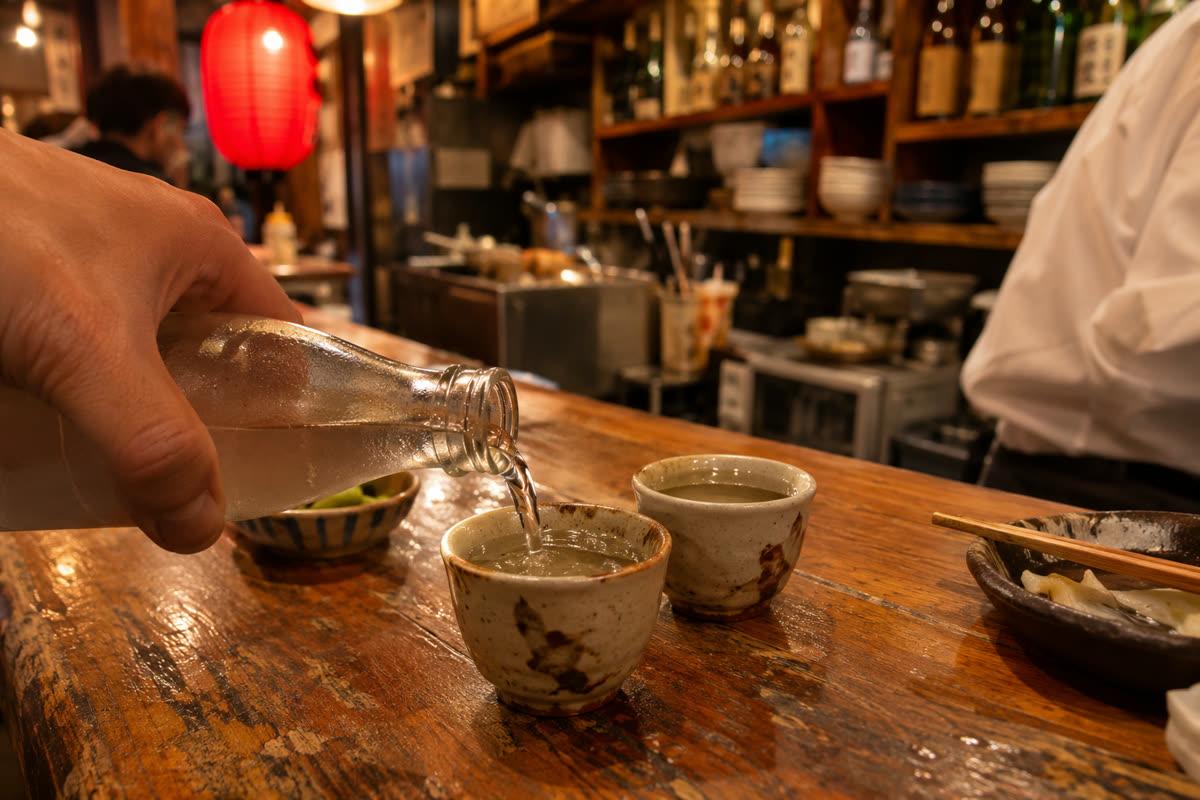 Sake, soju, mead and shochu: what each is made from and what to askWhat sake, soju, mead, shochu and makgeolli are made from, which come in grain-based versions, and what to ask a server or maker.
 Wheatgrass, green powders and smoothie add-ins: what to check for glutenHow to check wheatgrass, barley grass, green powders, granola, cookie pieces and protein boosts for gluten on a smoothie menu or label.
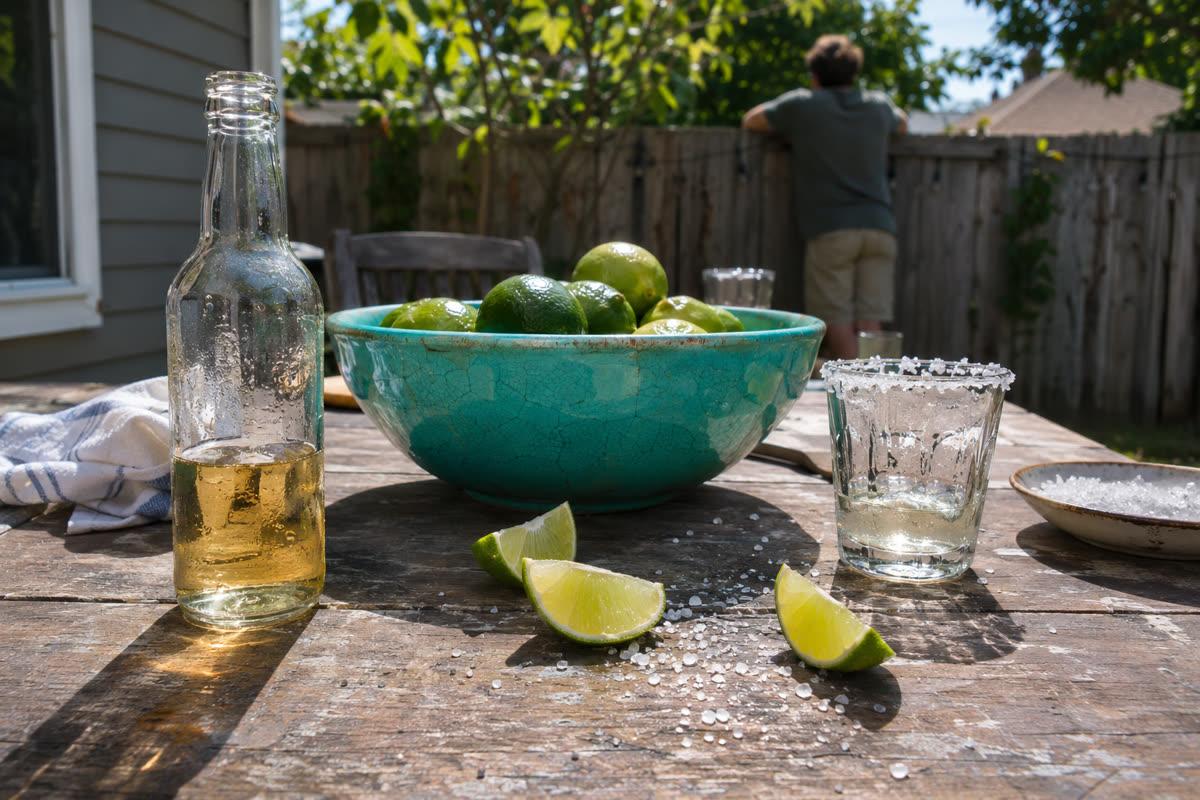 Tequila, rum and brandy: what to check on the bottle for glutenHow to read mixto, spiced, flavored and aged tequila, rum and brandy labels for gluten, and what to ask the maker before you buy.
 How to look up an alcohol label in TTB’s COLA registryAlcohol labels need not list every ingredient. How to find a bottle in TTB’s COLA registry, what it shows, and what the allergen rules do and do not cover.
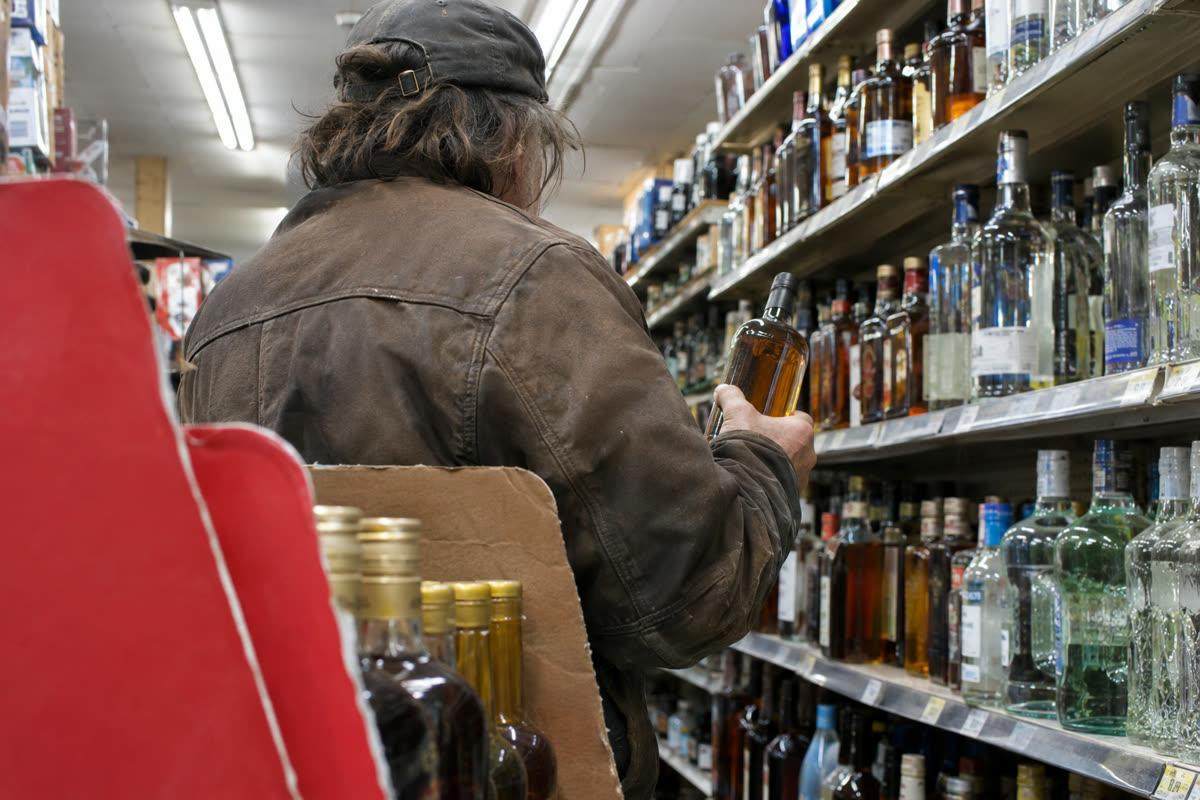 Whiskey, vodka and gin: what makers say about grain, distillation and added flavorsHow to read a maker’s gluten statement on vodka, whiskey and gin, tell plain bottles from flavored ones by label wording, and know what to ask.
Grains, flours and substitutes
Grains and flours that are naturally gluten-free, and what to buy labeled.
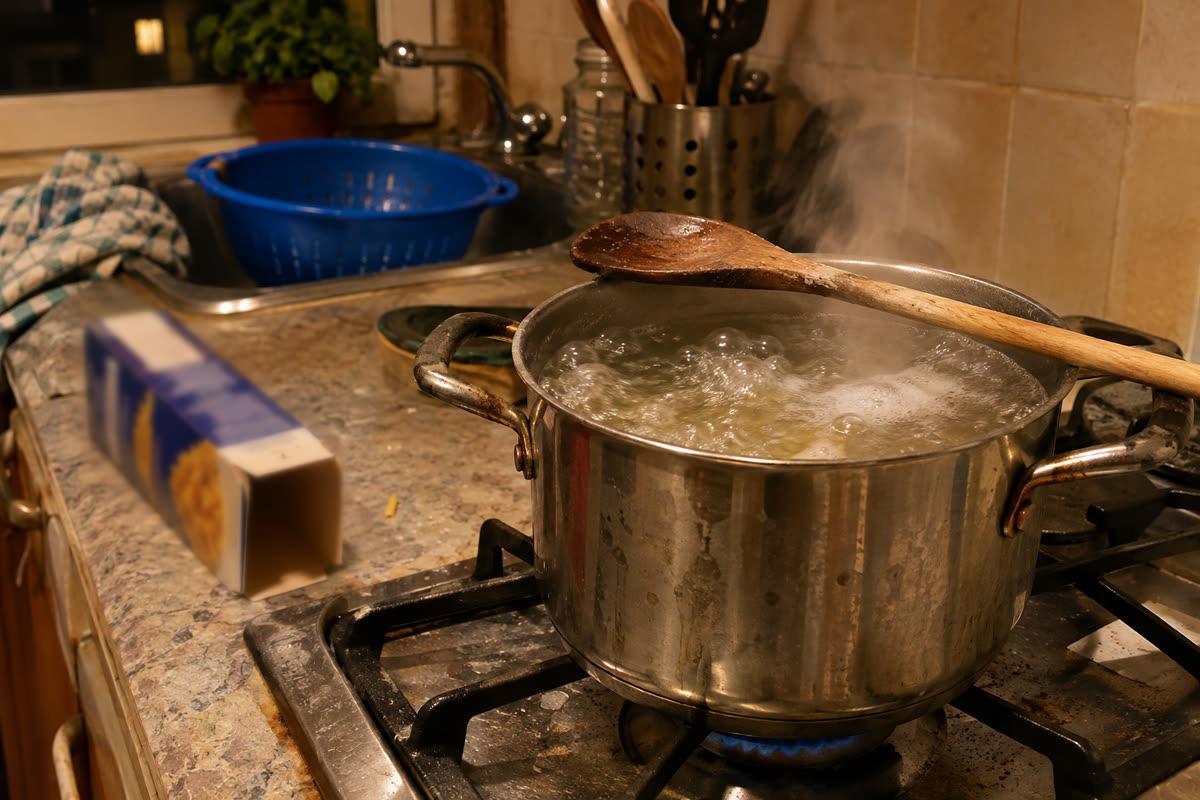 Cooking gluten-free pasta and rice noodles: what makers’ directions sayCompare what Jovial, Banza, Tinkyada, Lotus Foods and Thai Kitchen print for water, stirring, rinsing and time, then match the directions to your pasta.
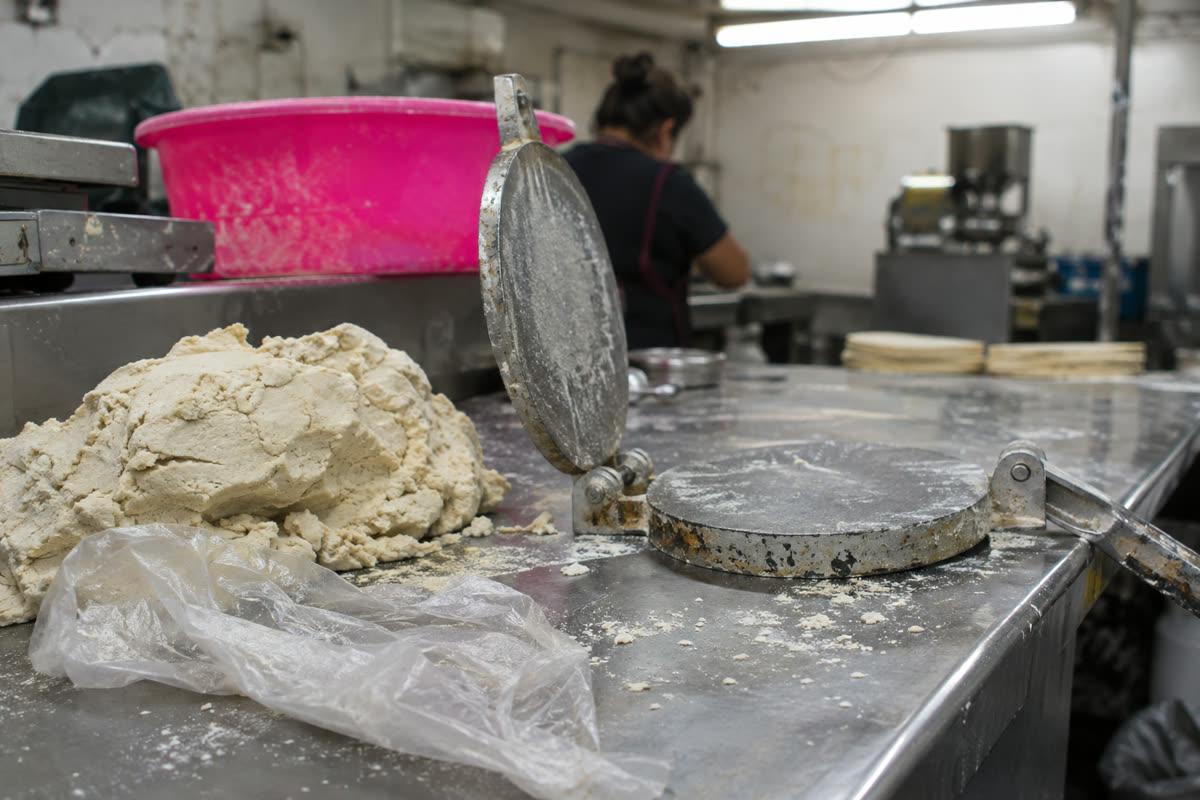 Cornmeal, grits, polenta and masa: where gluten can get inCorn is gluten-free, but mixes, blends and shared mills are not always. How to read cornmeal, grits, polenta, masa and cornbread labels for wheat.
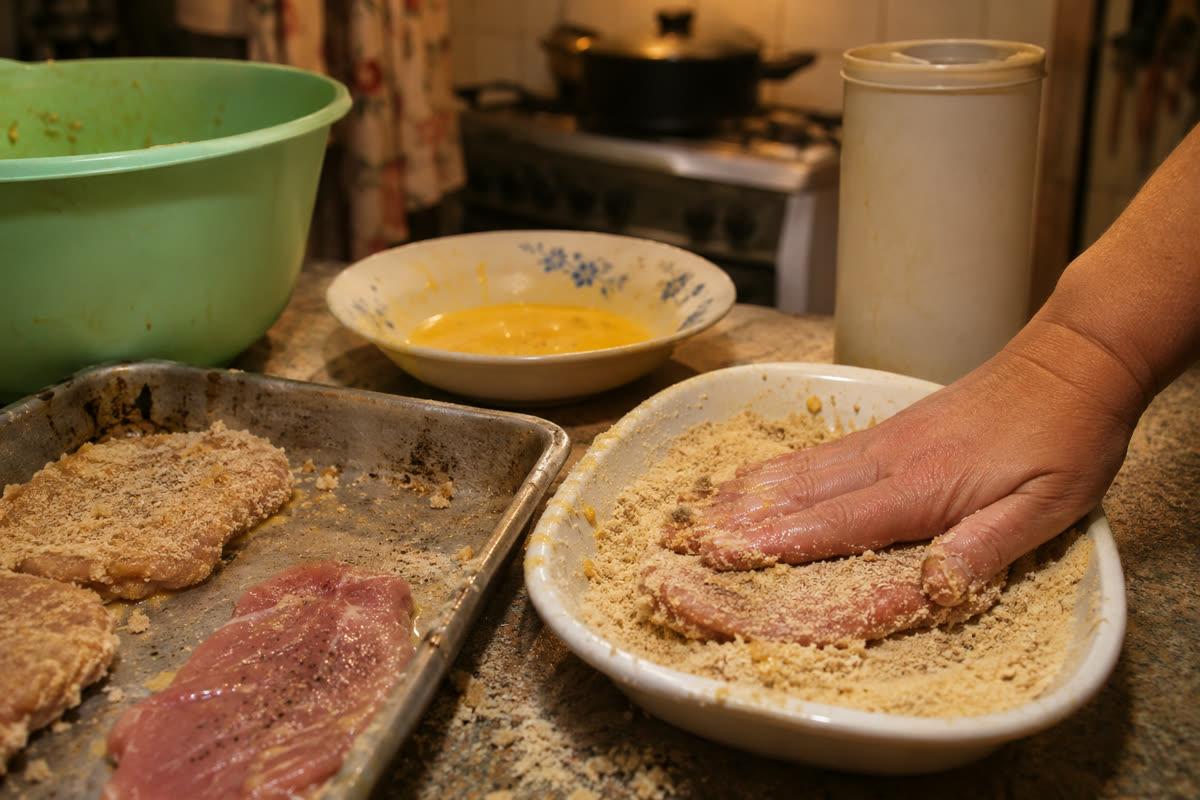 Gluten-free breadcrumbs, panko and coatings: what to read on the packHow to read a crumb, panko or batter mix for wheat, which gluten-free crumbs makers state, and what their pages say about baking and frying.
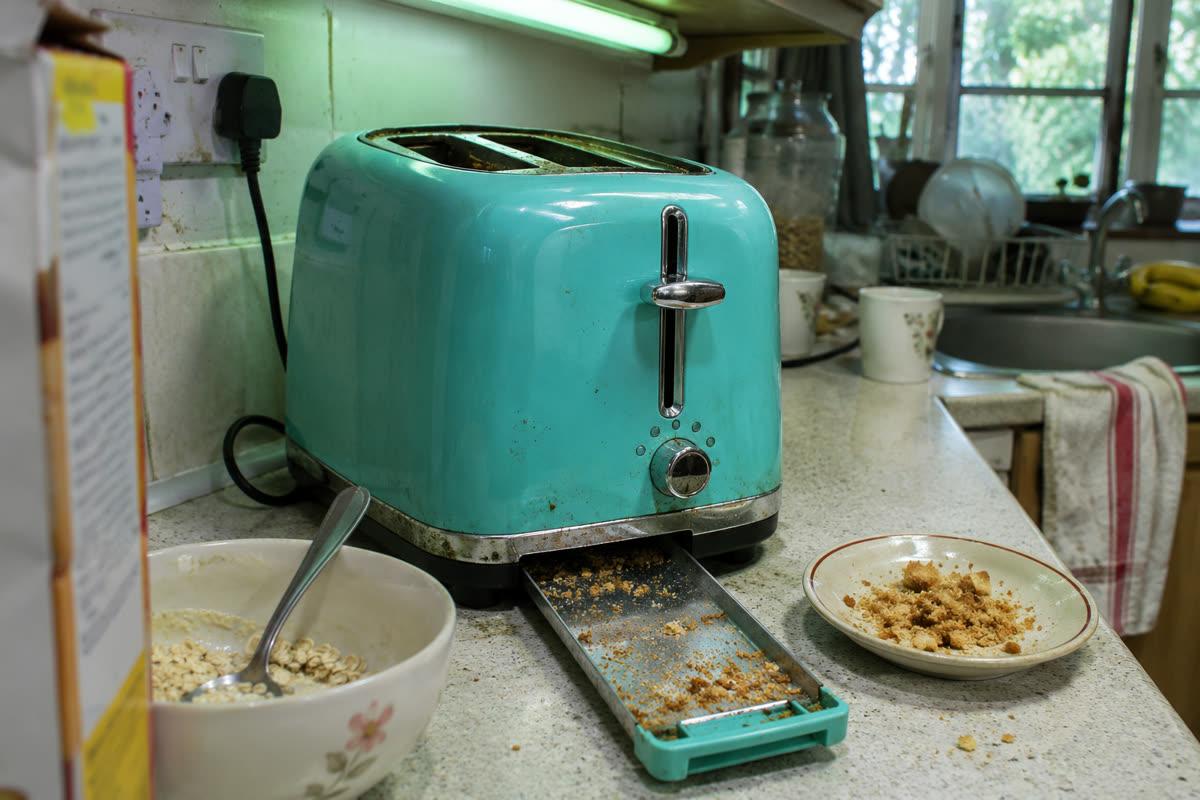 Gluten-free breakfast: what to check on the label and in your kitchenGo through a usual breakfast item by item: what is gluten-free by nature, what needs a label check, and which kitchen habits cause trouble.
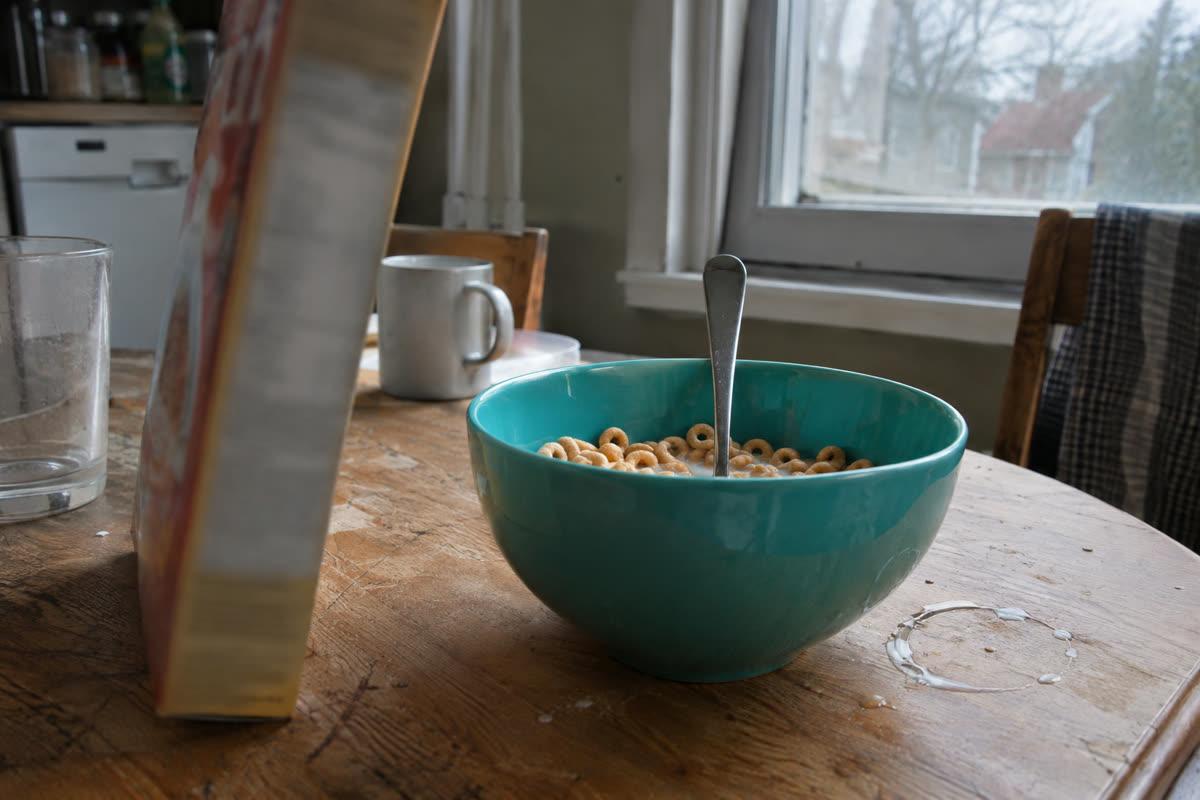 Gluten-free cereal: how to check a cereal boxCheck a cereal box in order: the gluten-free claim, malt and wheat in the ingredient list, the oats, then the maker’s own page for that flavour.
 Gluten-free flours and starches: what each one is and how to read the bagWhich flours and starches are gluten-free by nature, what a claim and a certification mark on the bag each mean, and how to read a blend’s list.
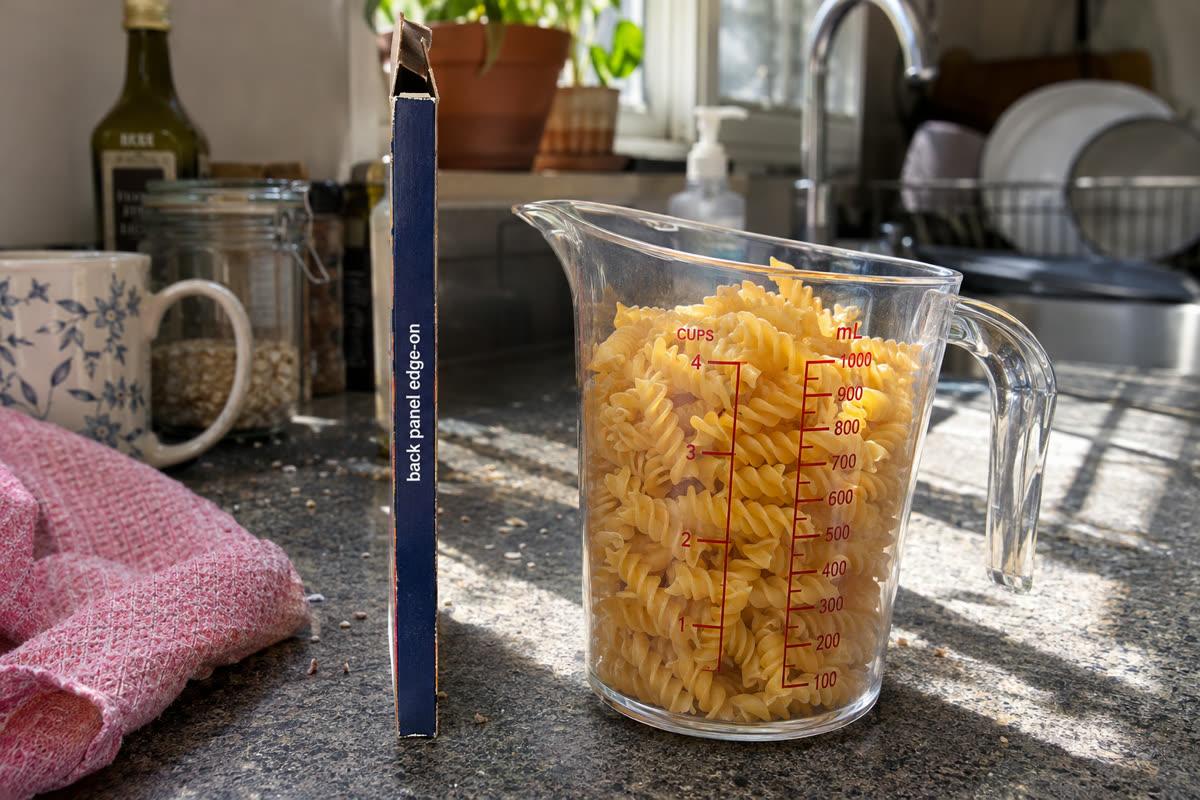 Gluten-free pasta and noodles: what to read on the boxHow to read a pasta or noodle box: the gluten-free claim, the ingredient list, same-brand wheat twins, and why soba and udon need a close read.
 Gluten-free substitutes: the swap for each wheat ingredient and the label check it needsA lookup table of gluten-free swaps for wheat flour, pasta, bread, soy sauce, beer and more, with the one label check each swap needs.
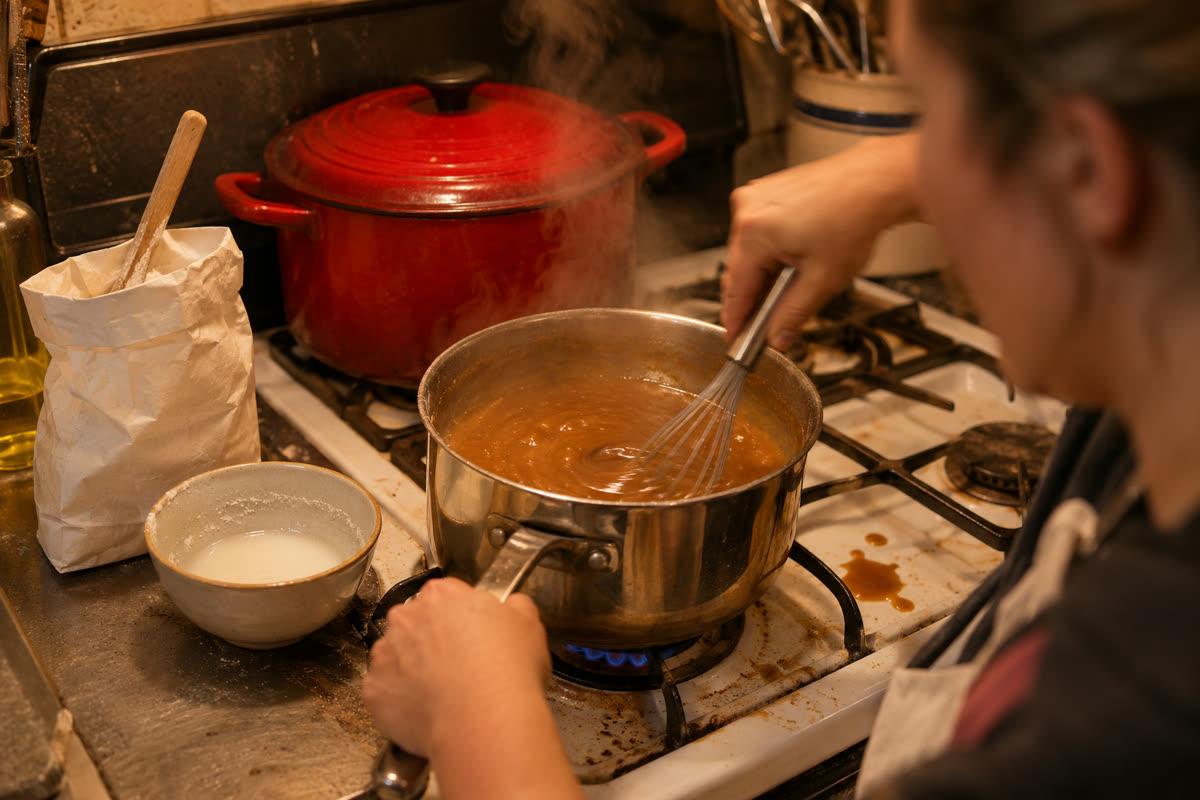 Gluten-free thickeners: cornstarch, tapioca, arrowroot, potato starch and rice flourPick a gluten-free thickener for gravy, soup or pie filling, follow the maker's directions, choose slurry or roux, and spot wheat thickeners.
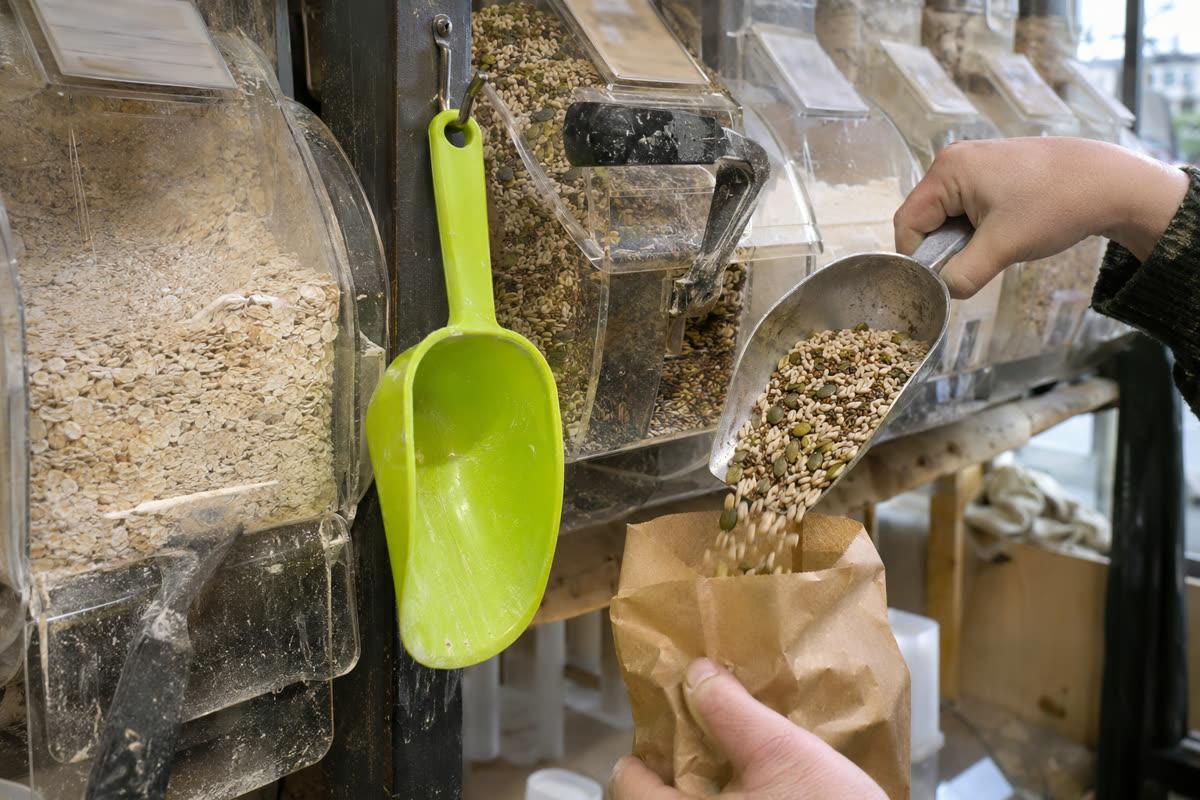 Millet, sorghum, quinoa, buckwheat, teff, amaranth and wild rice: what the bag has to sayWhich grains and seeds are gluten-free plants, what makers and certifiers say about seven of them, and the cross-contact checks for bags, bins and blends.
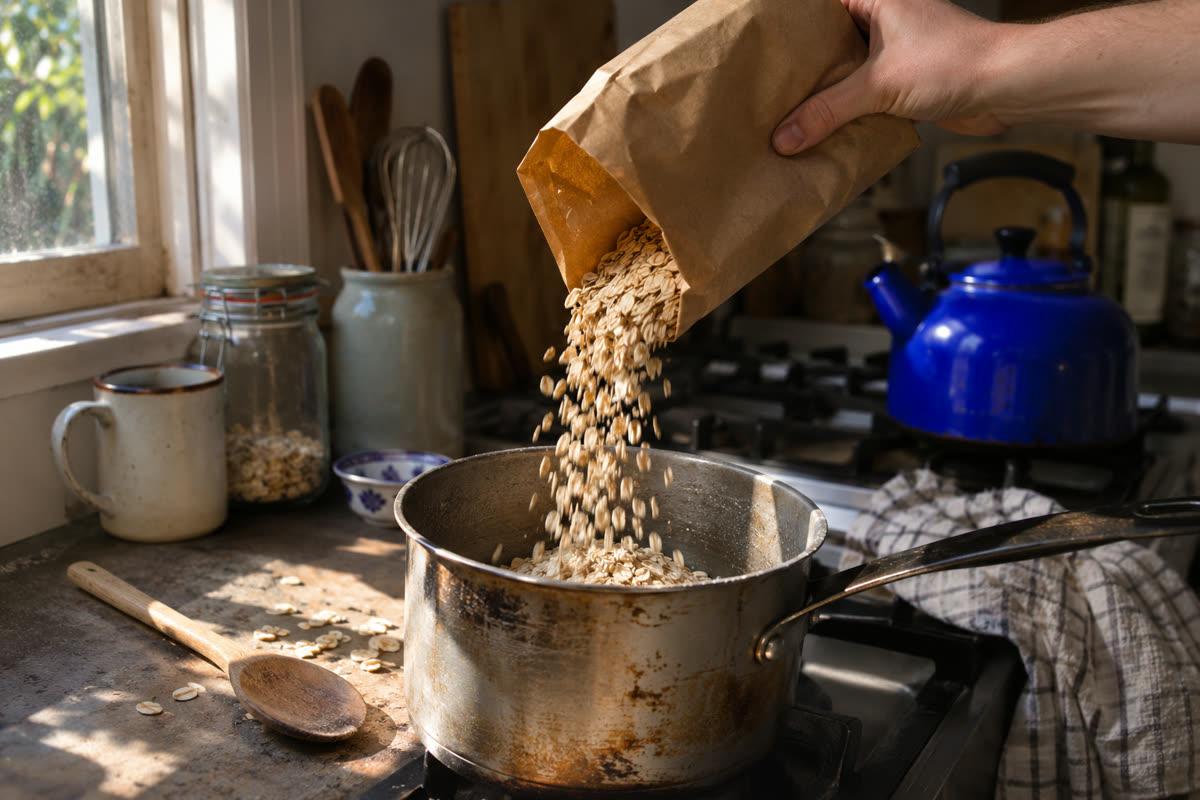 Mechanically sorted or purity-protocol oats: what the makers' own pages sayTwo routes lead to a gluten-free oat label. See how to sort a pack by the maker's own words, which pages say what, and what they leave out.
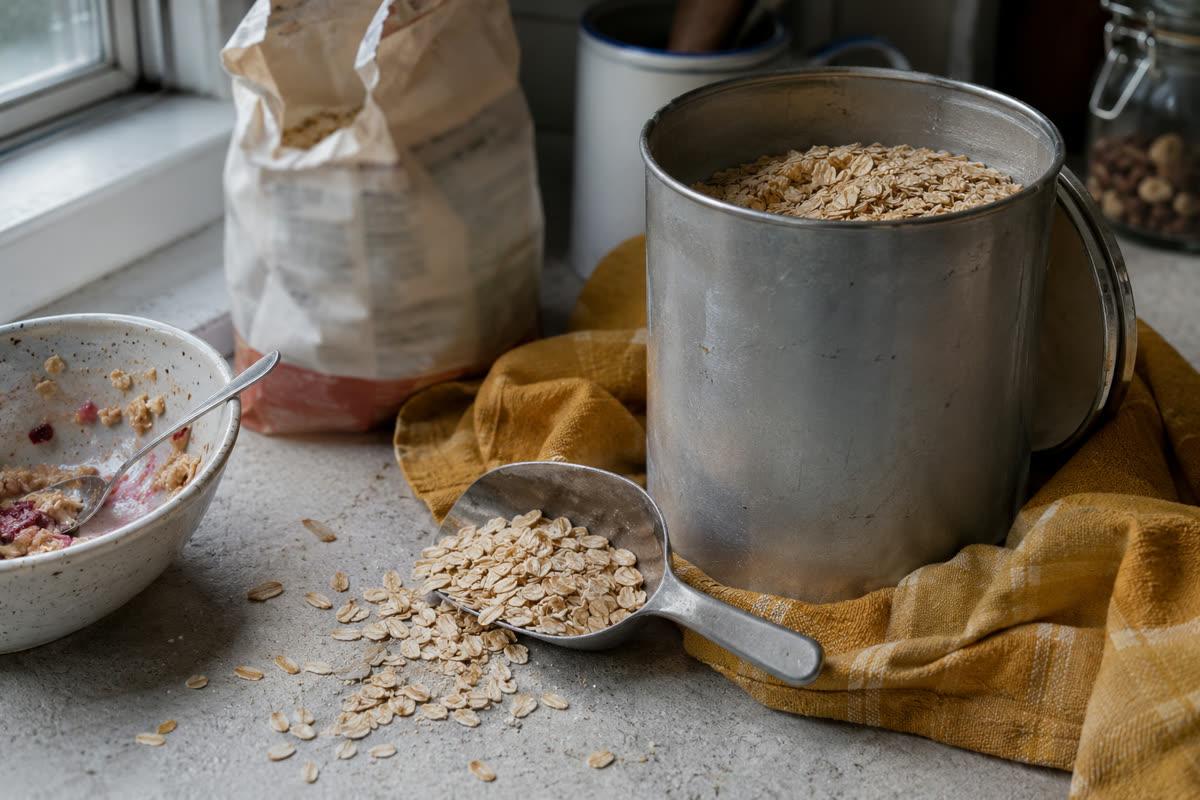 Oats and celiac disease: what a gluten-free oat label does and does not tell youWhat FDA’s rule covers for oats, how makers get oats to the gluten-free limit, what avenin studies found, and what to ask your doctor.
 Spelt, farro, Kamut, bulgur, couscous and freekeh: wheat under other namesWhich shop and menu names are wheat: spelt, farro, Kamut, einkorn, bulgur, couscous, freekeh and more, and what FDA’s rules say about them.
Gluten-free baking technique
How gluten-free flours, binders and doughs behave, from sources that test them.
 Egg and dairy substitutes in gluten-free baking: what each one doesWhich job an egg or dairy ingredient does in a bake, which substitutes makers and bakers describe for it, and how to check each one's gluten-free status.
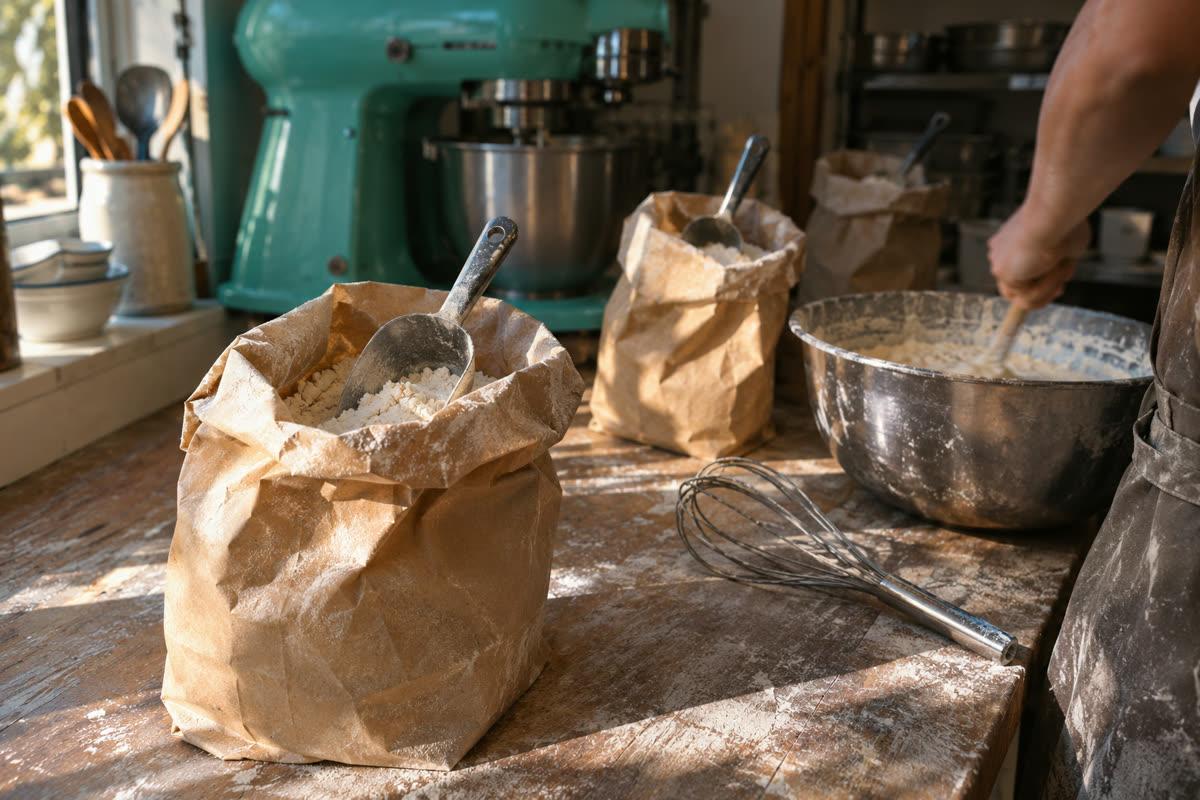 1-to-1, all-purpose and bread flour blends: what each maker’s page says the bag is forWhat King Arthur and Bob’s Red Mill say their 1-to-1, all-purpose, bread and pizza gluten-free flours are for, and which bakes each sends elsewhere.
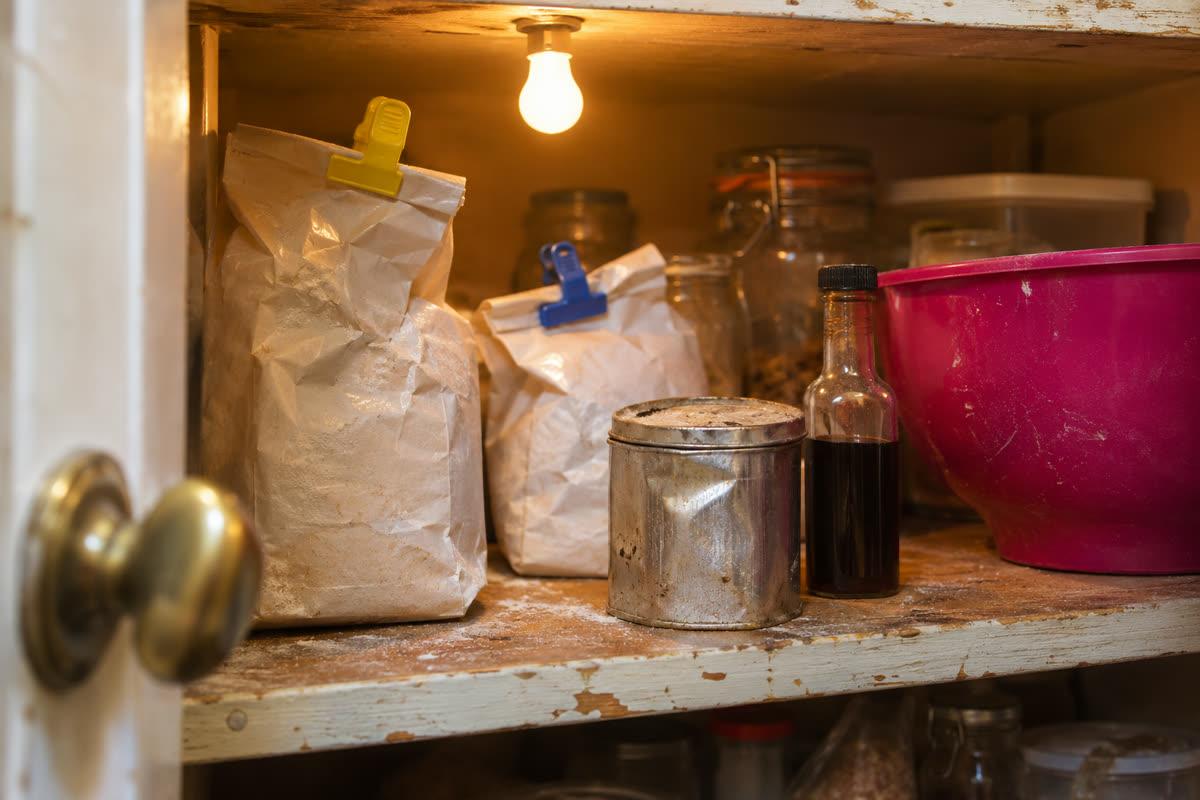 Baking pantry items that can carry glutenBaking powder, cornstarch, powdered sugar, chocolate chips, sprinkles and food coloring: what to read on each label and what the makers say.
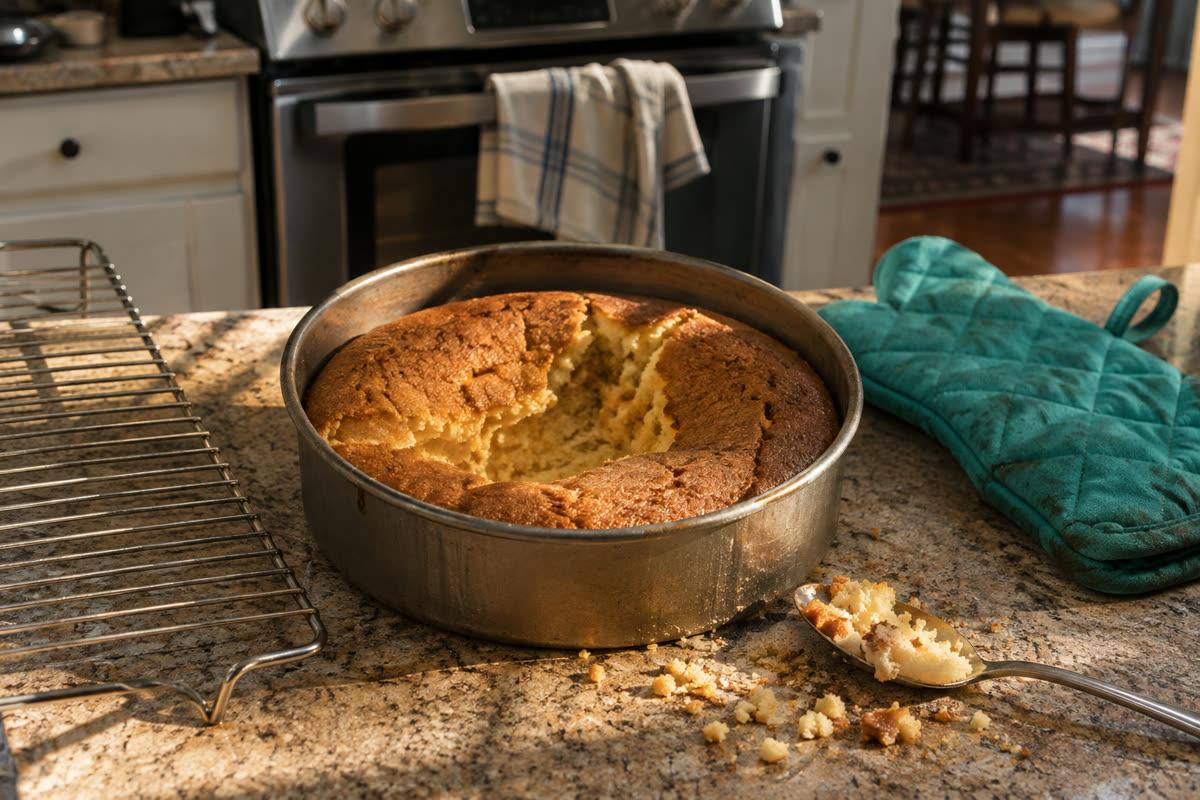 Gluten-free baking gone wrong: dense, gummy, crumbly, gritty or sunkenMatch a dense, gummy, dry, gritty or sunken gluten-free bake to the causes flour makers name, see where their advice differs, and pick one change.
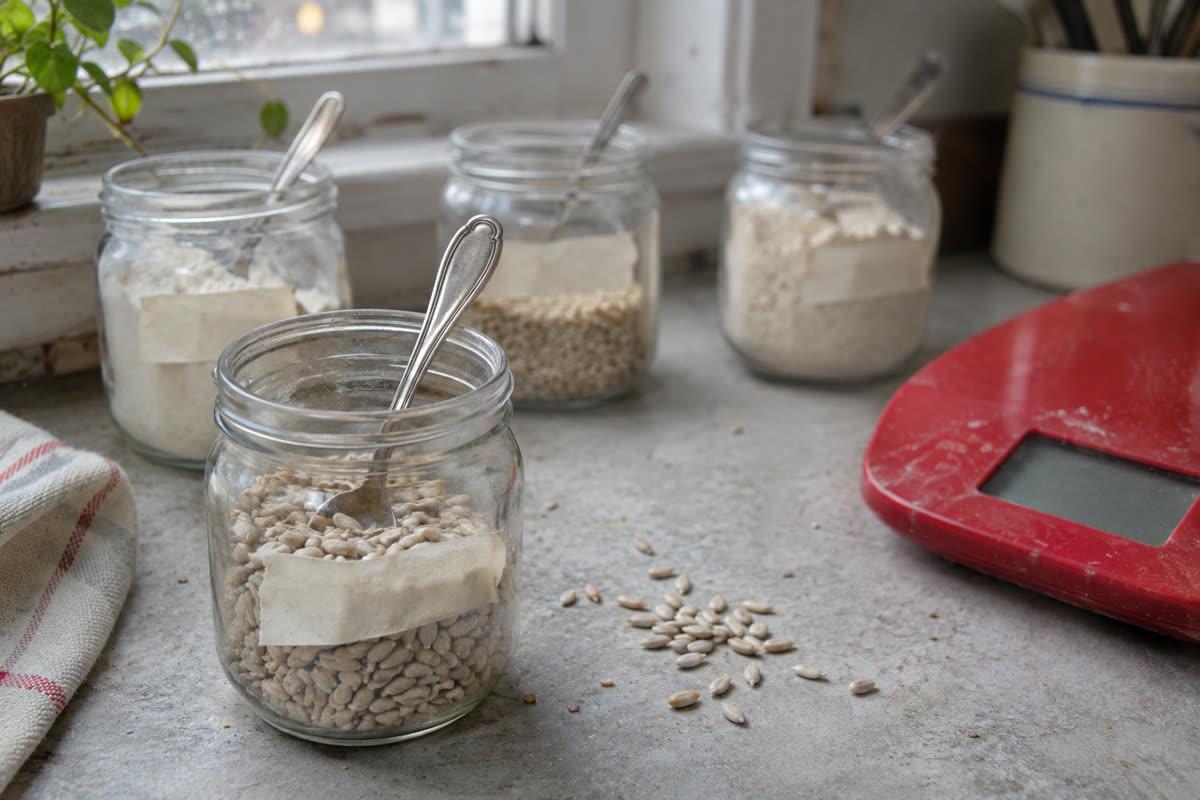 Gluten-free binders: what makers say about xanthan, guar, psyllium and flaxWhich gluten-free flours already list xanthan gum, what makers say about adding more, and how xanthan, guar, psyllium and flax are each described.
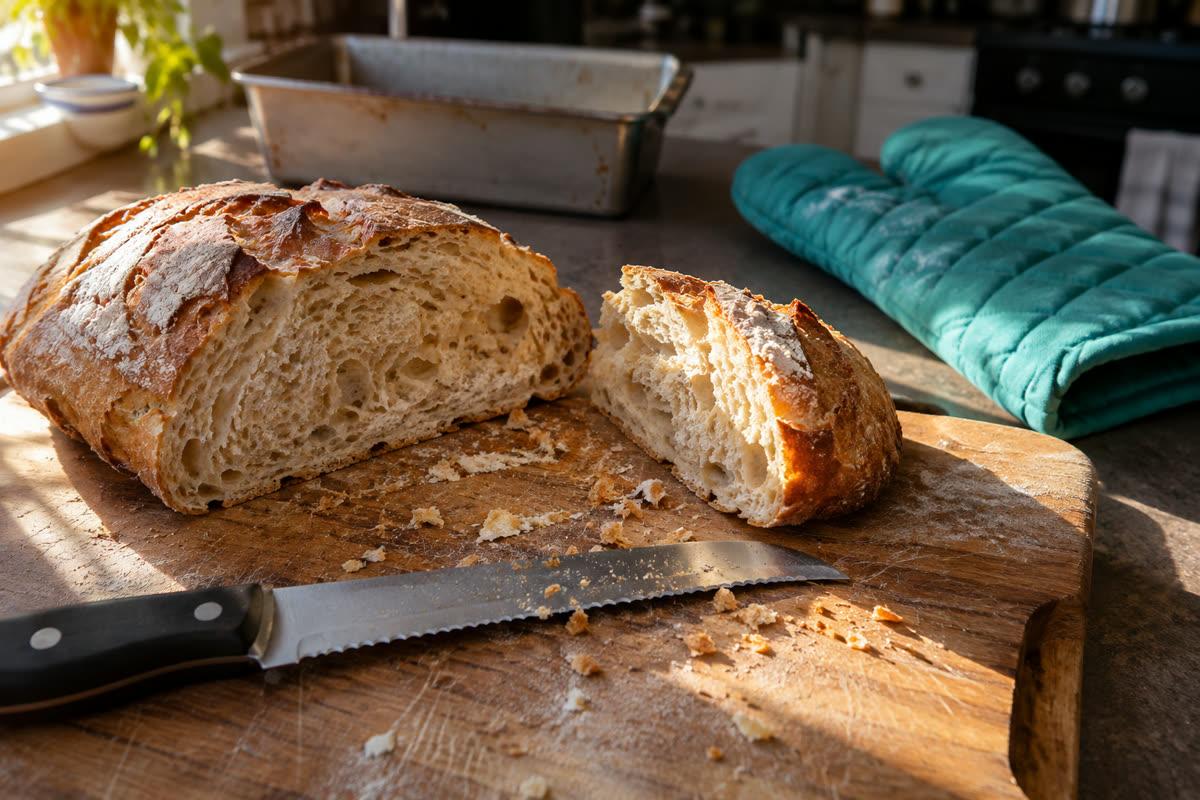 Why gluten-free bread crumbles: binder, rise, oven and storageWhat flour, mix and yeast makers and a 2026 review say about crumbly gluten-free bread: binder, rise, oven setting, cooling and storage.
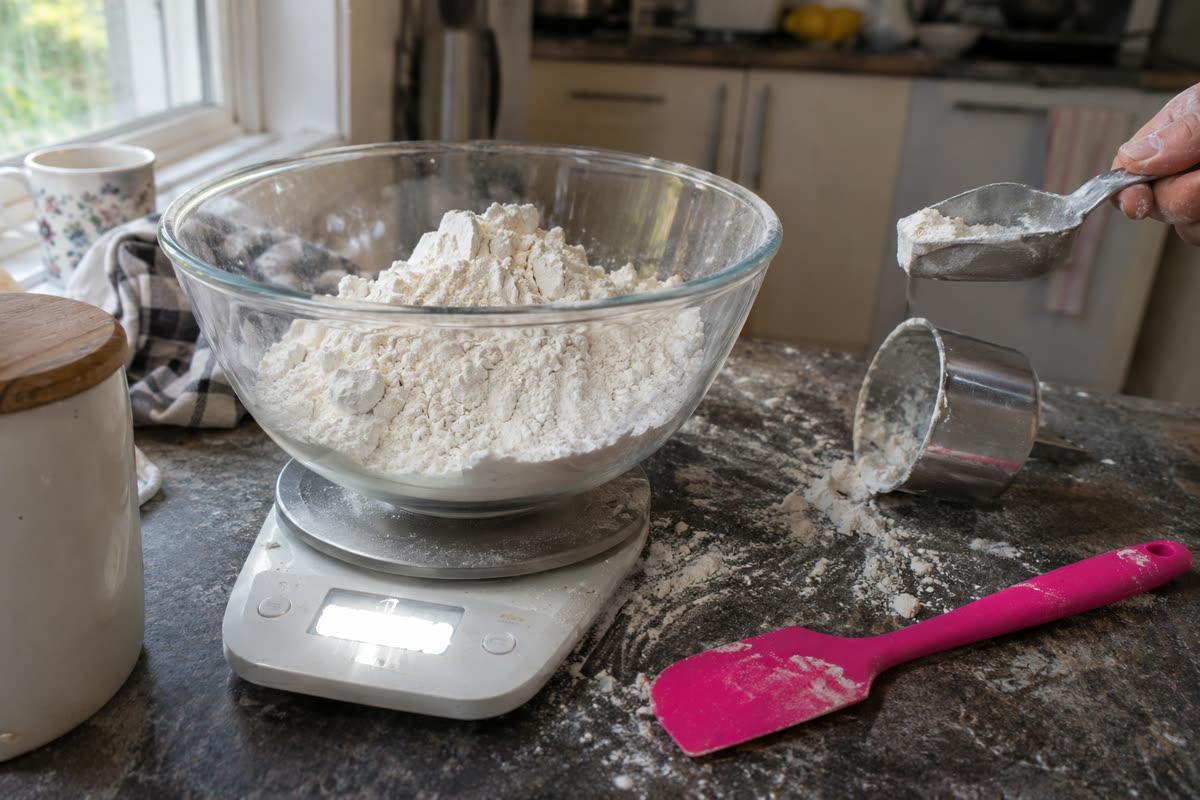 Gluten-free flour cups to grams: the weights makers print on their labelsGrams per cup for gluten-free flours, copied from King Arthur’s chart and the Bob’s Red Mill, Krusteaz and Pamela’s panels, with where each figure sits.
 Gluten-free flours for baking: what rice, sorghum, tapioca, almond and coconut flour each doWhat makers say rice, sorghum, millet, tapioca, potato starch, almond and coconut flour do in a bake, and which bags say gluten-free on the label.
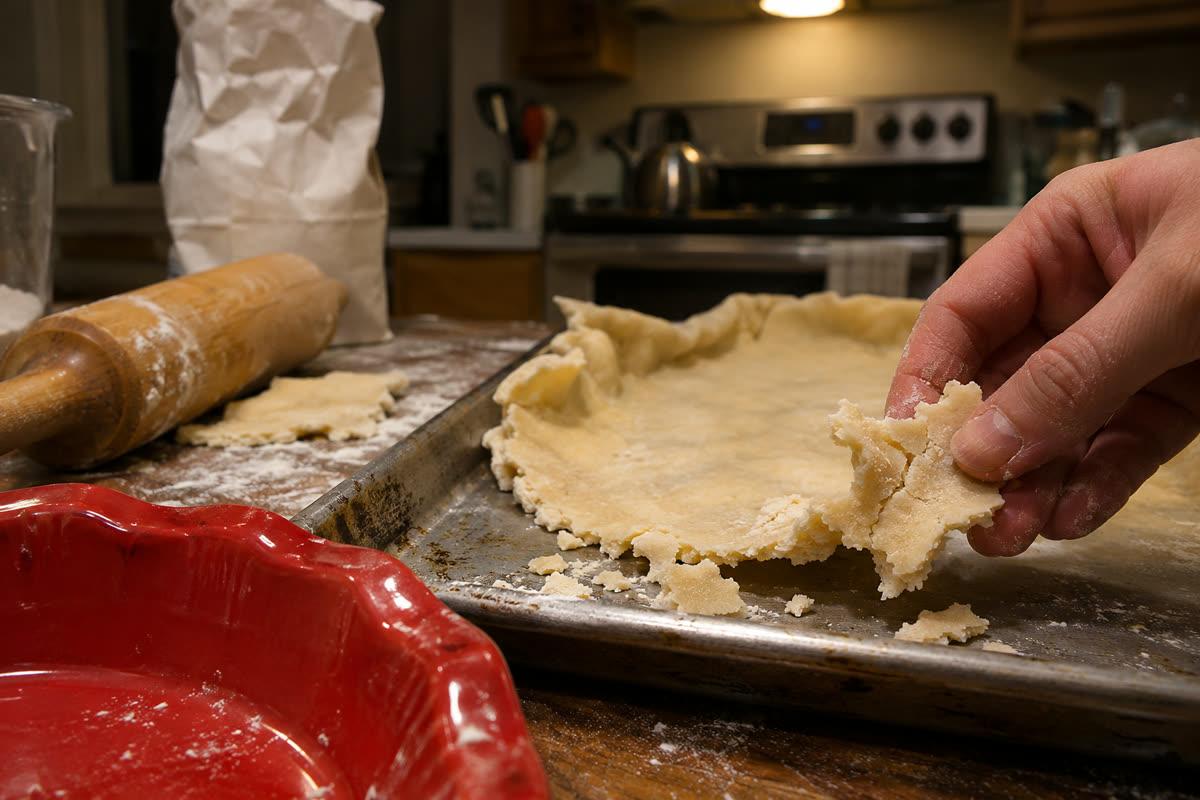 Gluten-free pizza crust, pie crust and cookie problems: what the makers sayMatch a gummy pizza, cracking pie dough or flat cookies to hydration, heat, fat or chill, with what flour and mix makers say and where they stay silent.
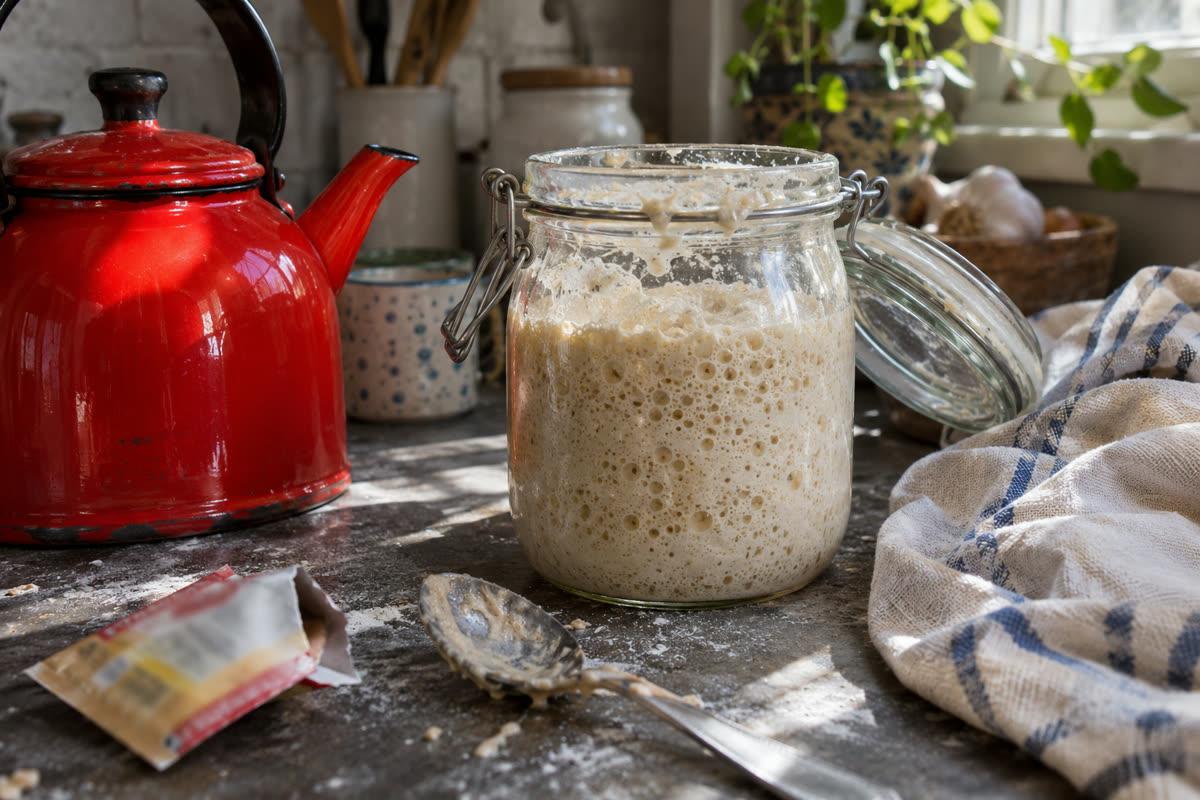 Is yeast gluten-free? What yeast and sourdough starter labels sayCheck a yeast packet and the maker’s statement, tell baker’s yeast from brewer’s yeast and yeast extract, and read a sourdough starter seller’s page.
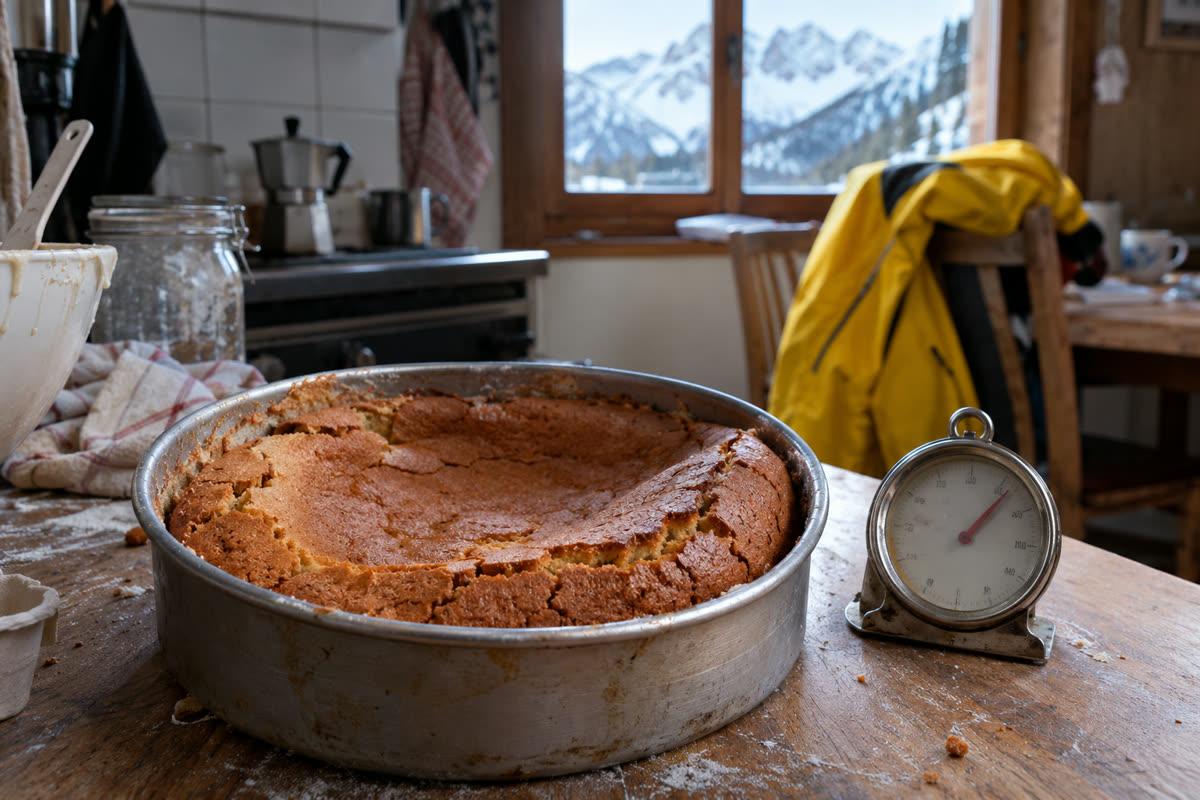 High-altitude gluten-free baking: what extension services and flour makers sayWhat Colorado State Extension, King Arthur and Bob's Red Mill publish for baking above 3,000 feet, and where no source covers gluten-free flours.
Holidays, weddings and celebrations
Holidays, weddings, parties and religious events without the guesswork.
 Ordering a gluten-free birthday cake: what to ask the bakeryBakery, labeled packaged cake or your own? The questions to ask a bakery that also bakes wheat, and how to cut and serve the cake at the party.
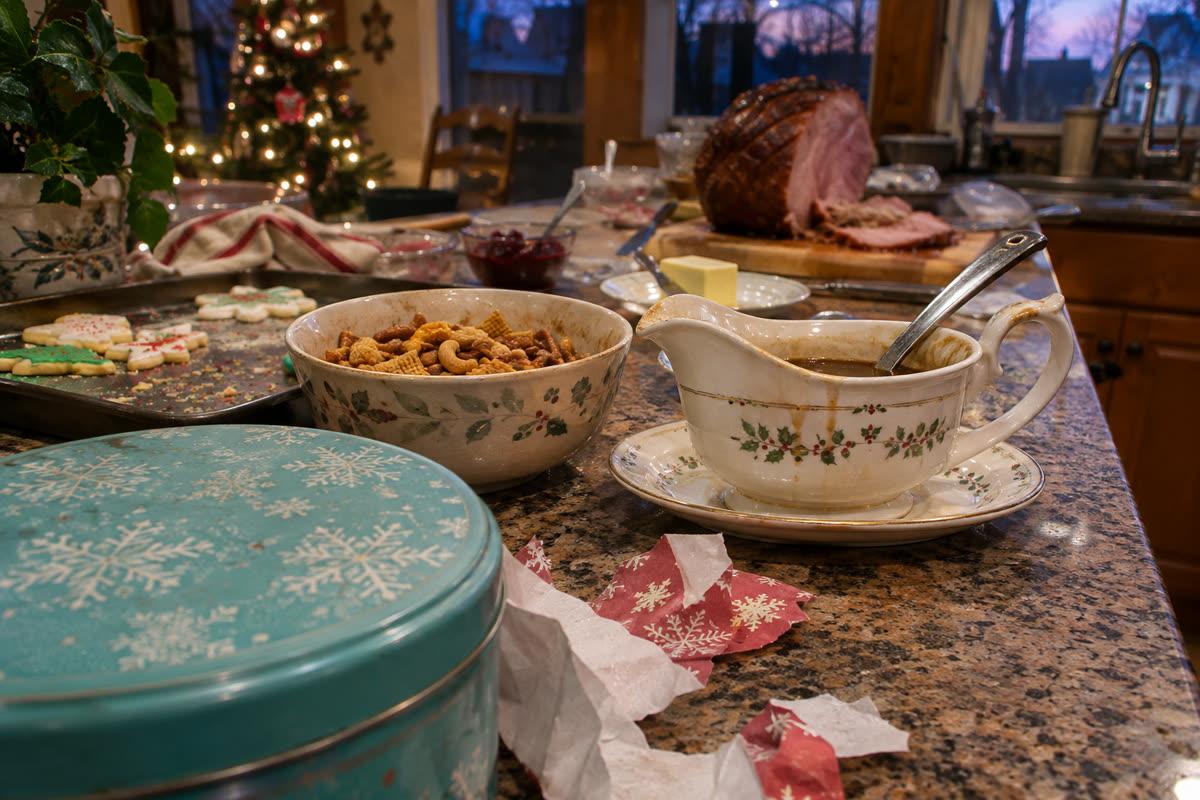 Gluten-free Christmas table: ham glaze, gravy, eggnog, snack mix and cookie trayCheck the ham glaze packet, gravy, eggnog, Chex Mix and cookie tray against the makers' own pages, and learn which agency covers a ham label.
 Festival foods and gluten: where wheat enters and what to ask the cookWhere wheat enters South Asian and East Asian festival meals, what the sources leave out for Ramadan and Eid, and what to ask a host or sweet shop.
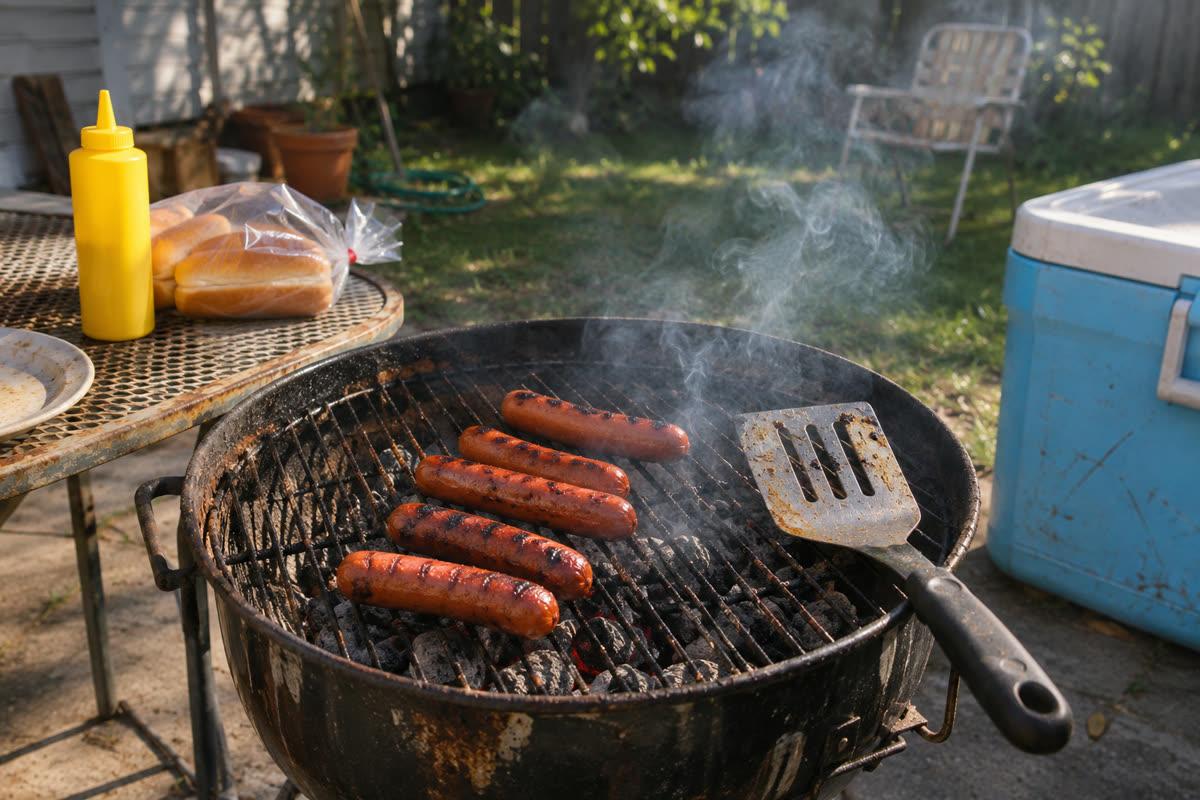 Gluten-free Fourth of July cookout: what to check on the table and at the grillCheck franks, buns, sauces, sides and drinks for gluten, and set up the grill and a mixed table for a Fourth of July, Memorial Day or Labor Day cookout.
 Gifts for someone with celiac disease: what to give and what to write on the cardNon-food gift ideas, gift cards, the one check for a food gift and card wording that makes no health claim, with the sources linked.
 Receiving Communion With Celiac Disease: What Each Church Says in Its Own DocumentsWhat Catholic, United Methodist, Lutheran and Episcopal documents say about low-gluten hosts, the cup and a separate chalice, and how to ask your clergy.
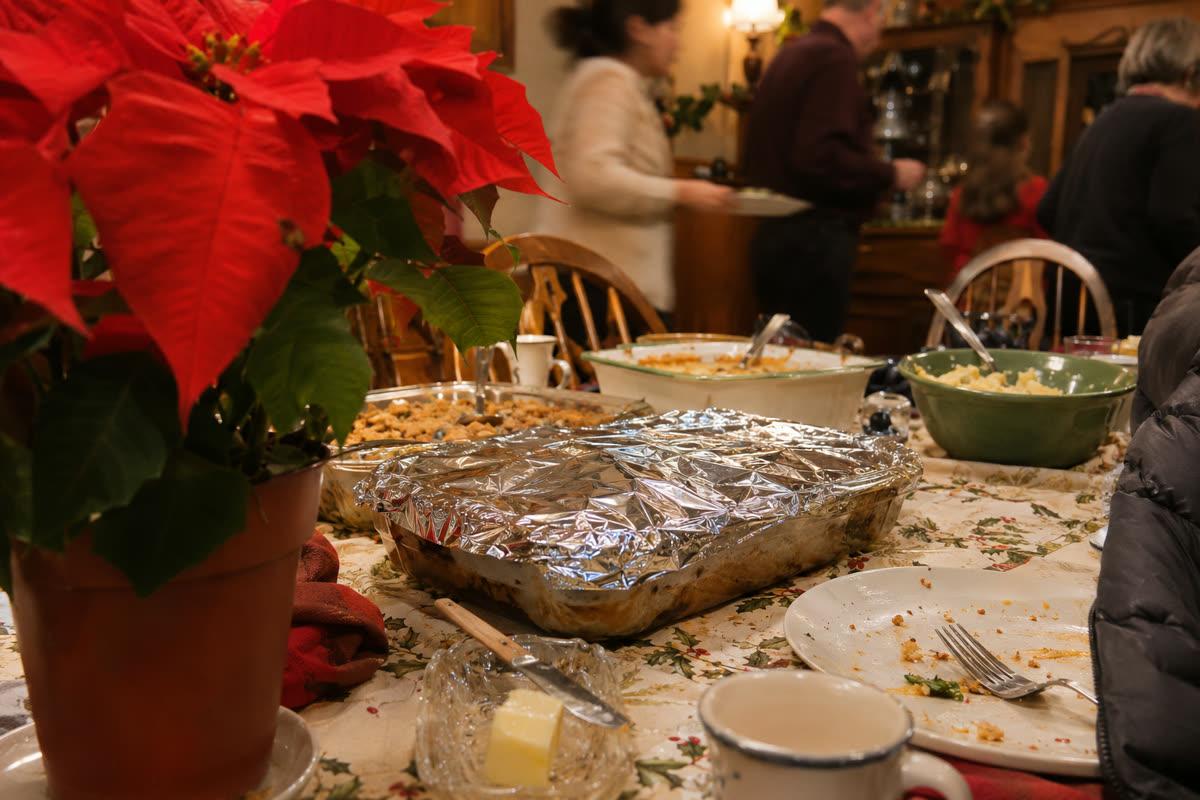 Gluten-free at a holiday dinner, potluck or cookout as a guestHow a guest with celiac disease can message the host, bring a dish, serve first at a buffet and decide when to eat only their own food.
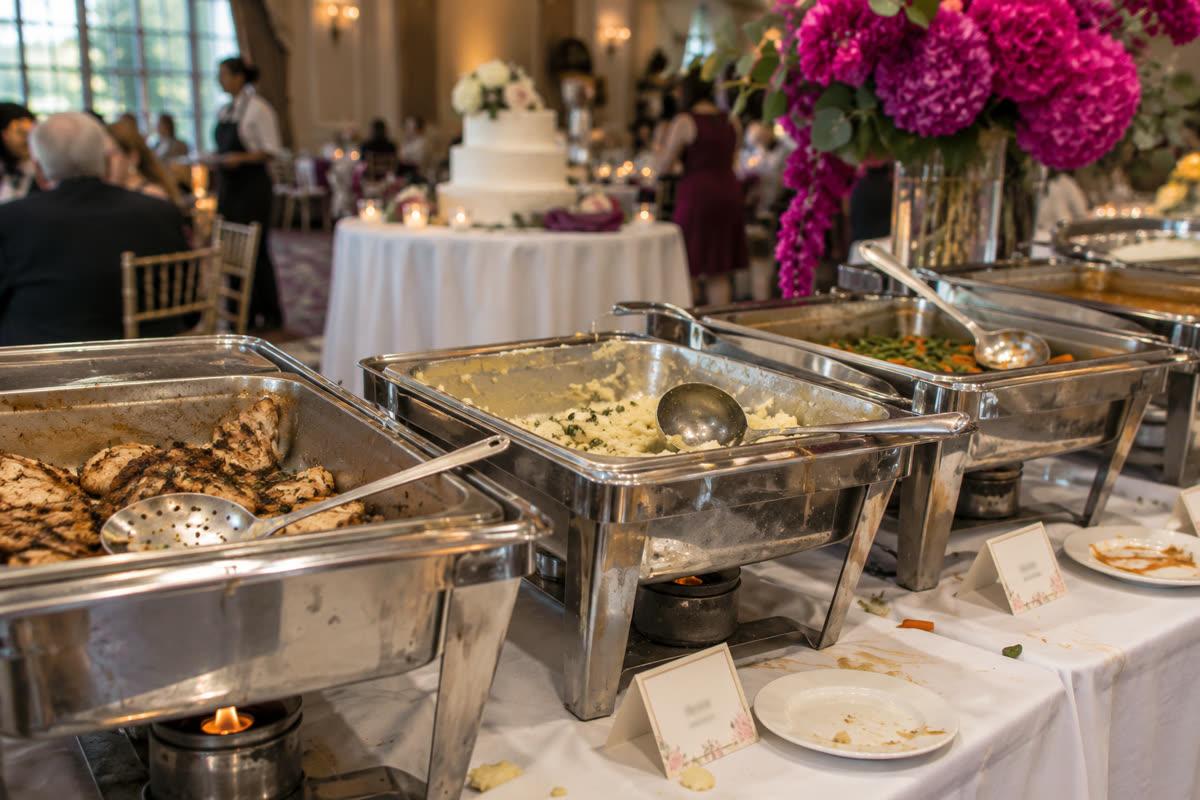 Gluten-free wedding catering: what to ask the caterer and the cake bakerQuestions for a wedding caterer and cake baker, what a real answer sounds like, a tasting checklist and what to put in the contract for a celiac guest.
 Teal pumpkins, non-food treats and candy swaps for a gluten-free HalloweenWhat a teal pumpkin means, what to put in a non-food bowl, how to run a candy swap for a gluten-free child, and a note to send a party host.
 Hanukkah and gluten: latkes, gelt and sufganiyotWhat to check at a Hanukkah table on a gluten-free diet: the latke binder, boxed mixes, shared frying oil, gelt wrappers and jelly doughnuts.
 Hosting a gluten-free party: a menu and cross-contact planPlan a mixed party table for a guest with celiac disease: what to ask, which store-bought items to check, and how to keep dishes apart.
 Passover and gluten: matzo, matzo meal and what a kosher mark leaves outWheat matzo contains gluten and a kosher-for-Passover mark is not a gluten-free claim. How to check matzo, matzo meal, cake meal and seder dishes.
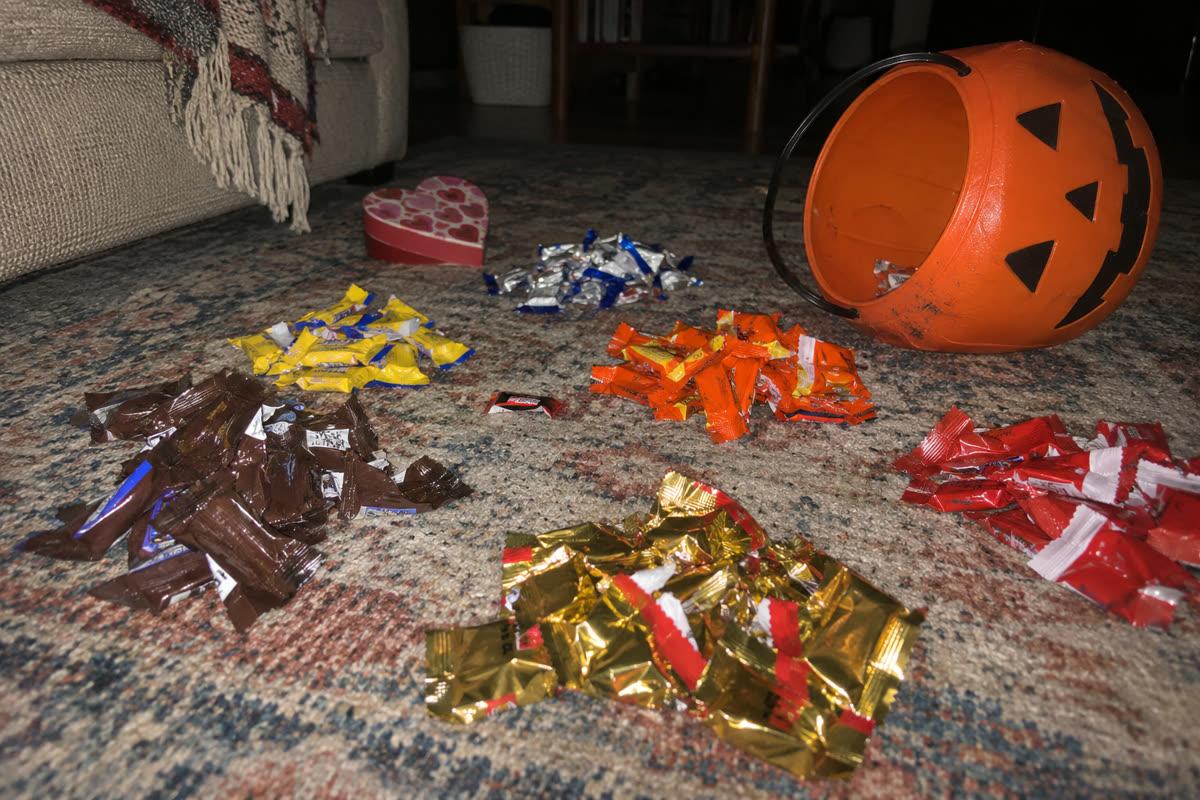 Holiday candy and gluten: how to check each piece, Halloween to Valentine’s DayA holiday shape or fun-size bag can differ from the full-size candy. Check seasonal candy against its wrapper, maker page and certifier, with dated cases.
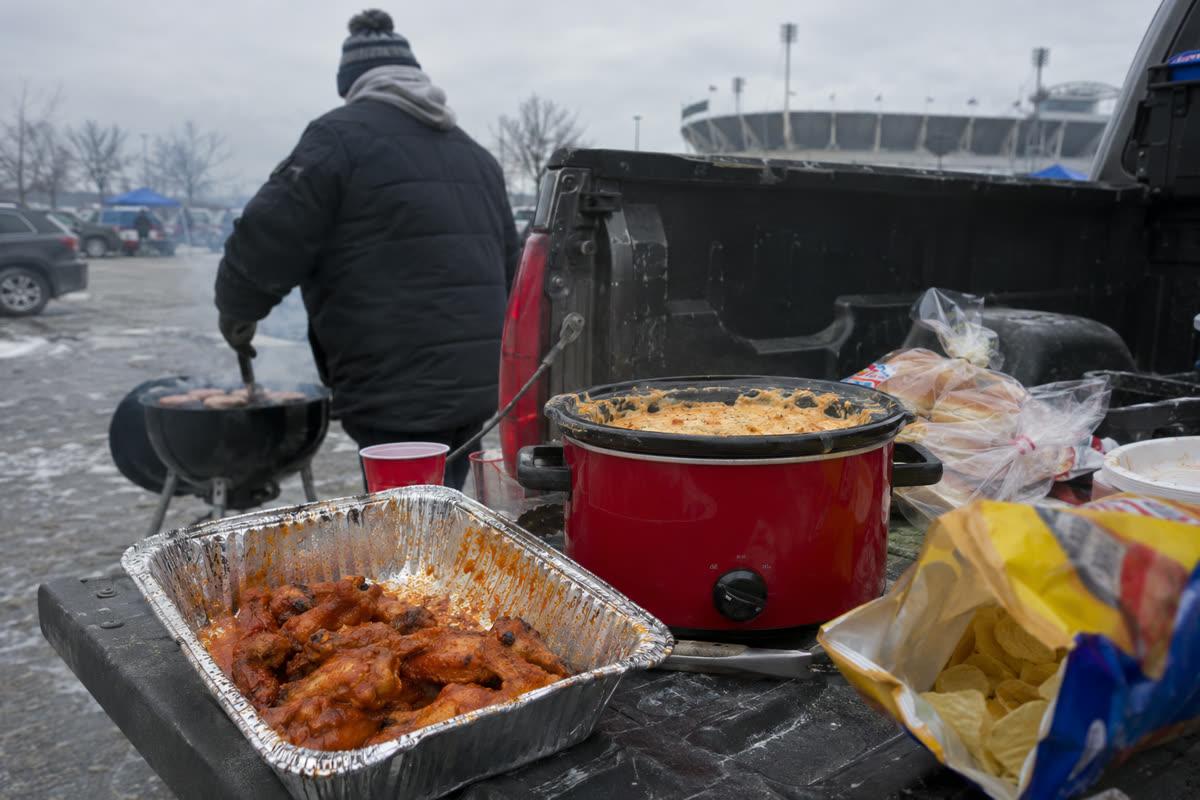 Super Bowl and tailgate food: label checks for dips, wings, chips and bunsCheck dips, chips, wings, sauces and buns for gluten before game day, ask the right questions about wings, and keep one dish apart on a shared table.
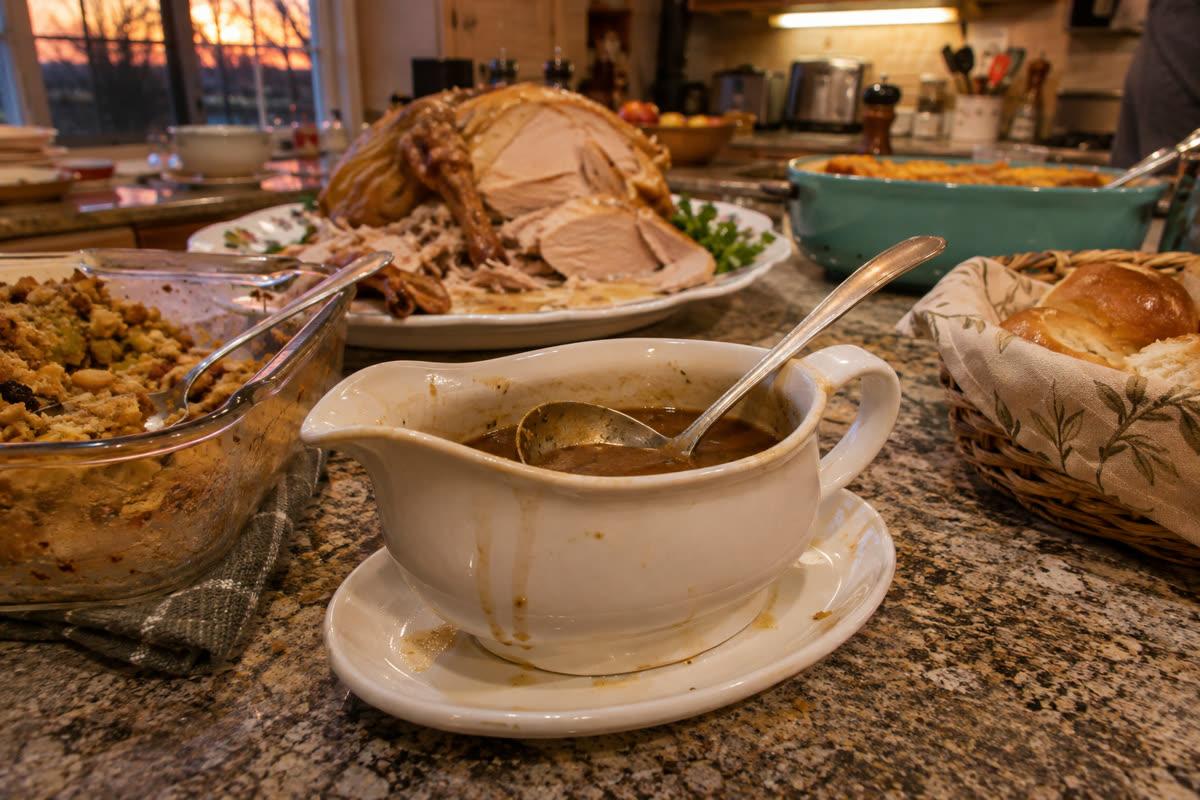 Gluten-free Thanksgiving: a dish-by-dish check of the menuTurkey, stuffing, gravy, cranberry sauce, casserole and pie: which dishes need a label or maker check, and how to order the work in a shared kitchen.
 Eating at a wedding with celiac disease: what to write, who to call and what to askA wedding guest with celiac disease: the RSVP line, the caterer call, the questions to ask and when to rely on your own food.
Kids, school, college and family
School meals, 504 plans, college dining and family life with celiac disease.
 A 504 plan and school meal rules for celiac disease: what to ask for and where to complainMeal substitution or a 504 plan for a child with celiac disease: what each rule says, what the medical statement must hold, and where to complain.
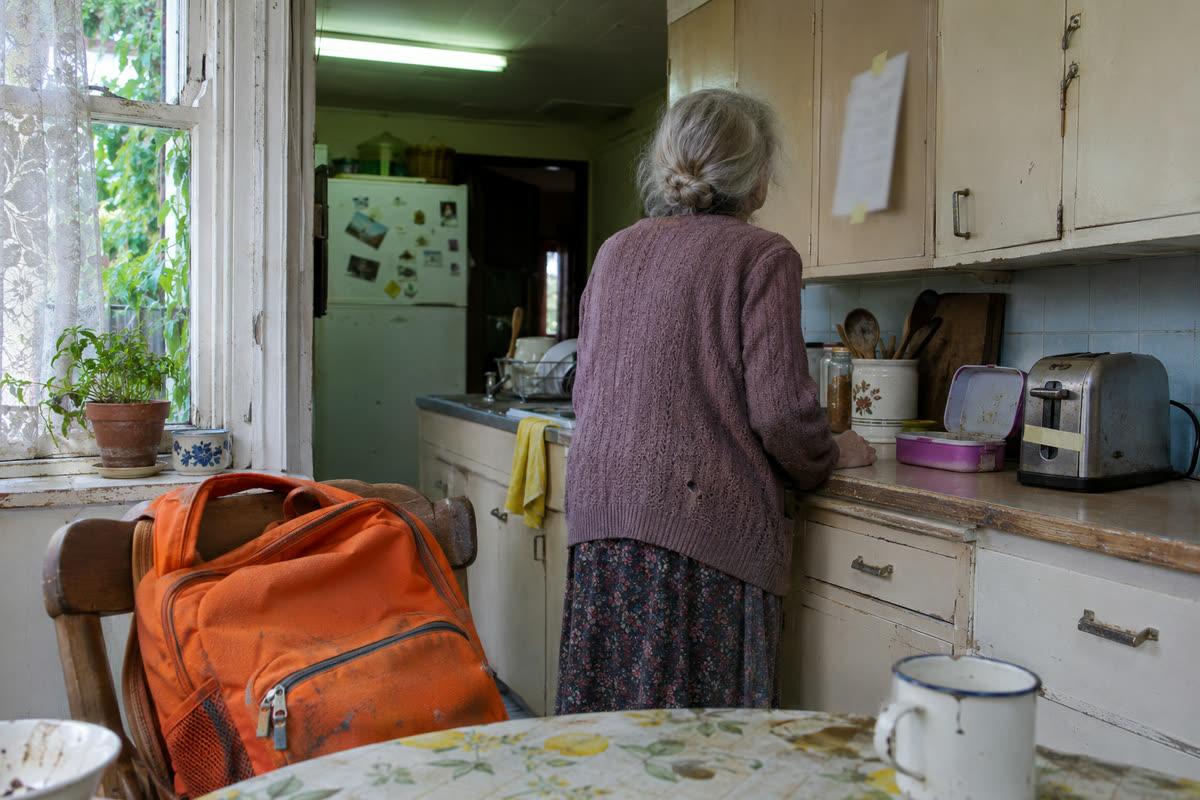 A care sheet for the babysitter or grandparent of a child with celiac diseaseA one-page care sheet for a babysitter or grandparent: the checked foods, the kitchen cross-contact points, what to do after an exposure, and whom to call.
 Celiac disease in teenagers: friends, eating out and taking over their own careWhat research and celiac charities say about teenagers with celiac disease: telling friends, eating out, taking over care and clinic follow-up.
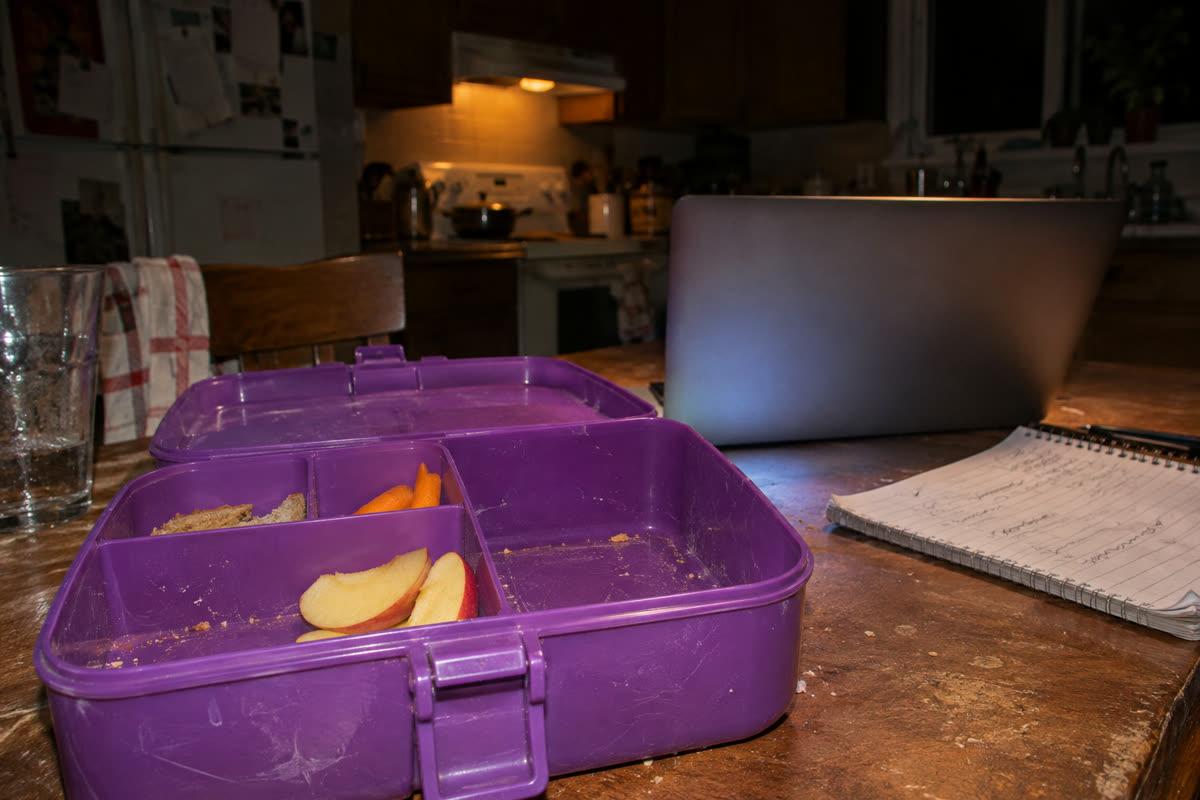 Your child ate gluten at school: what to record, what to email, what to ask forWhat the sources say about a school gluten exposure: celiac versus wheat allergy, what to record, a follow-up email template and what to ask for.
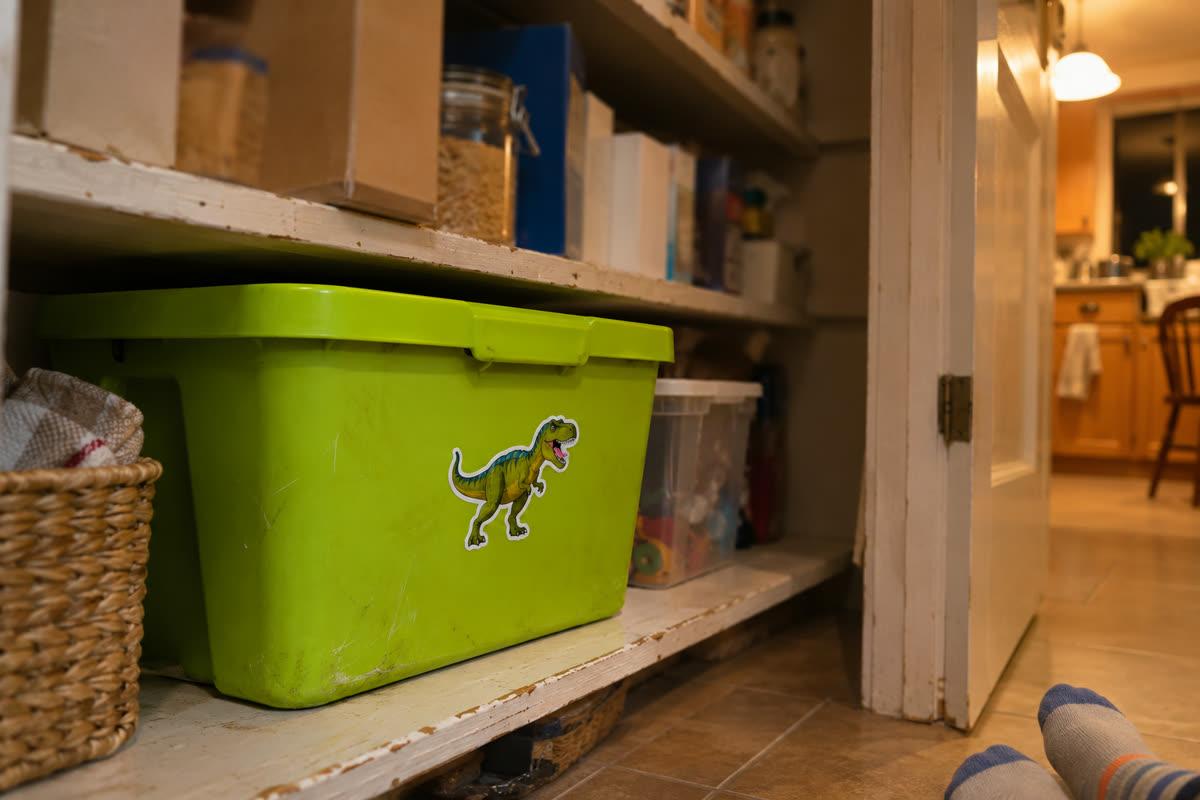 Your child has celiac disease: a first-week plan for the kitchen, labels, school and talking to your childThe first week after a child’s celiac diagnosis, in order: the diet plan, first labels, kitchen, two school routes, talking to your child and follow-up.
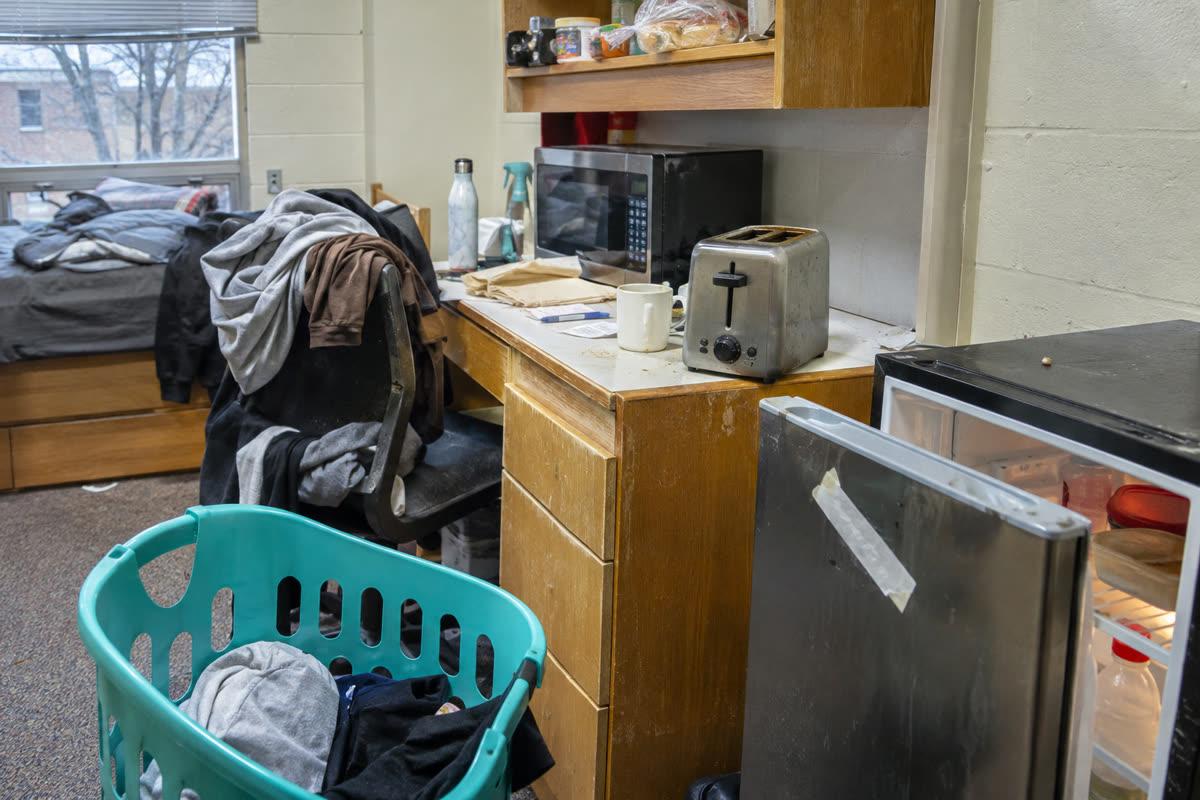 Gluten-free in a college dorm: the fridge, microwave, toaster and roommate rulesHow to set up a shared dorm room or kitchen for gluten-free living: fridge, microwave, toaster, sponges, a roommate script and how to ask for housing help.
 A gluten-free kid at a birthday party: the host text, the cake knife and the snack tableA parent’s plan for a celiac child at a party or sleepover: the host text, own food, cake and snack-table cross-contact, and hand washing.
 Sleepaway camp, Scouts and school trips for a gluten-free child: what to ask and what to sendWhat to ask a camp, Scout unit or school in writing, what goes on the health form, what food to send, and where gluten-free camps run.
 A gluten-free child who refuses food: what to track and when to ask the doctorHow to tell ordinary picky eating from a pattern to raise with your child’s doctor or dietitian, what ARFID is, and a one-week log to bring.
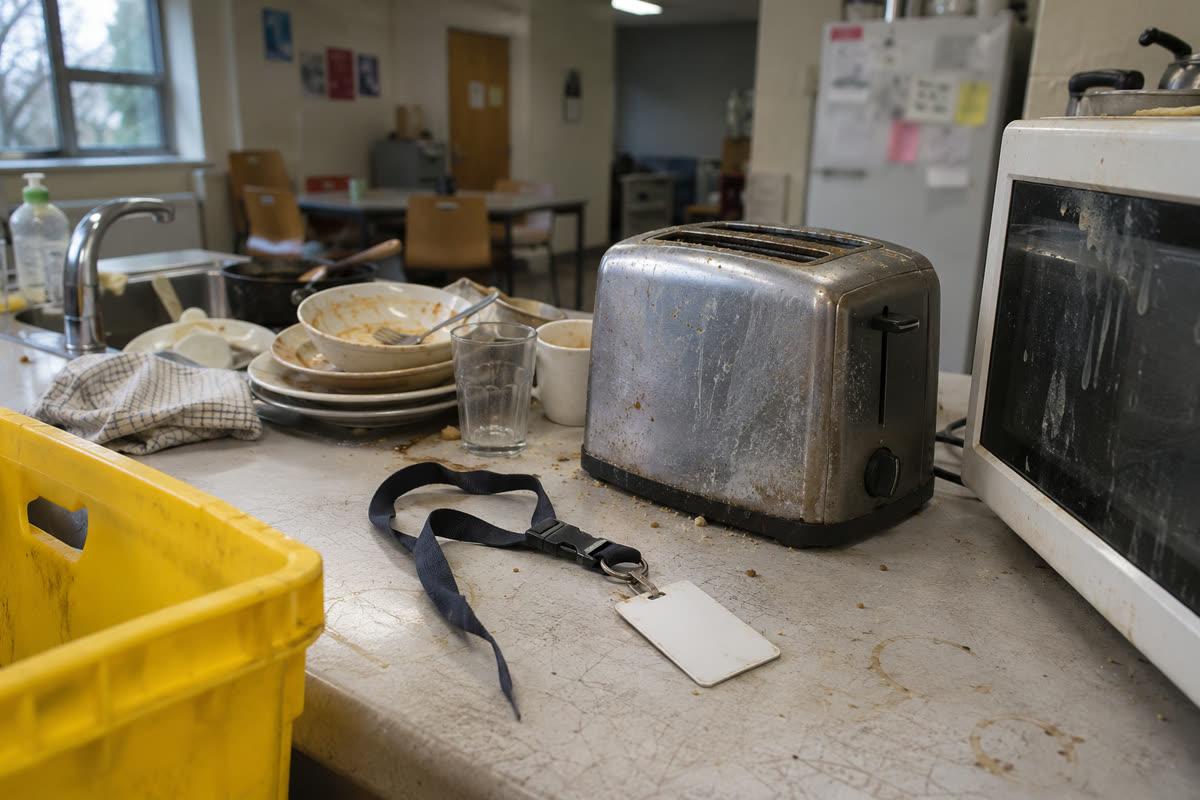 Gluten-free at college: disability services, meal plans and dining hallsHow a college student with celiac disease asks for accommodations, questions dining staff, weighs a meal-plan exemption and escalates.
 A gluten-free care plan for daycare and preschoolWrite a one-page gluten-free care plan for daycare or preschool, ask the right questions on a tour, and see which government rule covers each program.
 Helping a gluten-free child feel included at the table, at parties, in class and at restaurantsOne plan for each place a gluten-free child gets singled out: the table, parties, class and restaurants, with a sentence the child can say.
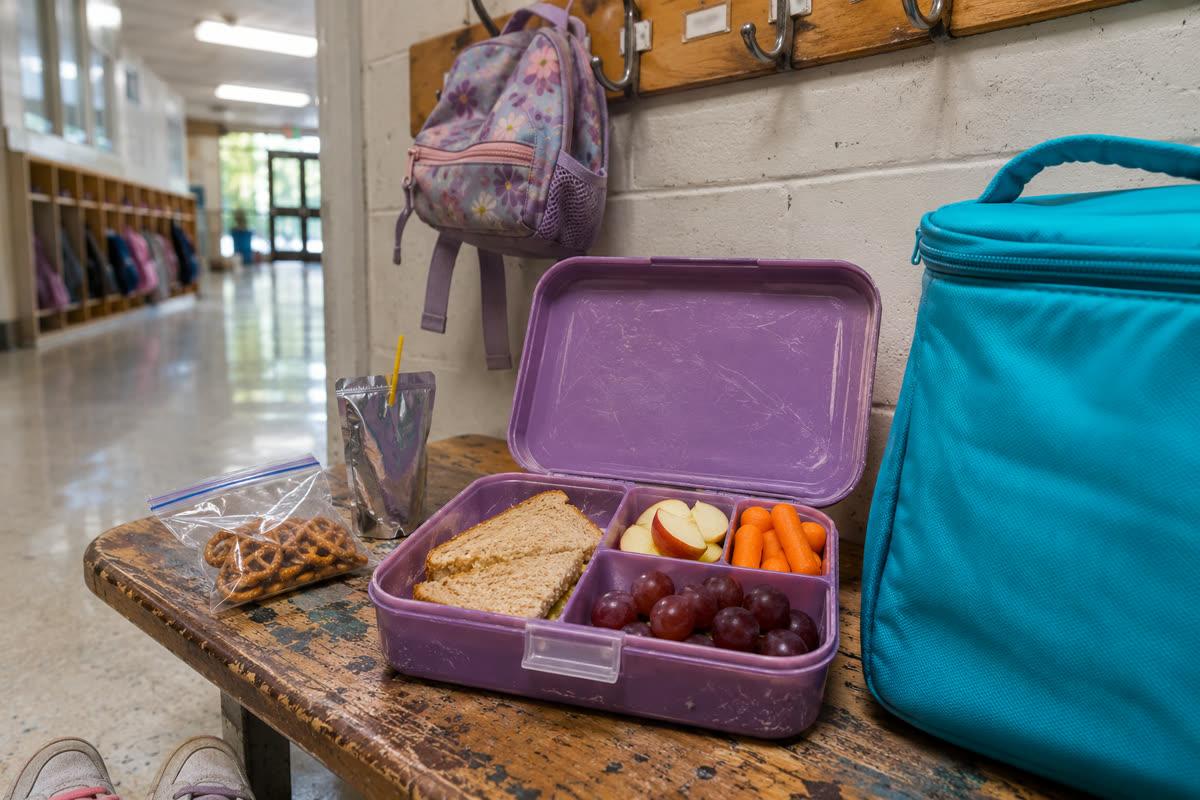 Gluten-free school lunches and classroom snacks: a checklist for parentsHow to prove each lunchbox item, read a snack label for oats, malt and wheat, brief the teacher, and when the school cafeteria is the better route.
 Talking to your child’s teacher about celiac disease: a script, a one-page sheet and the classroom questionsA two-minute script, a one-page sheet, a template email and the classroom questions about snacks, crafts and trips, drawn from US celiac charity guidance.
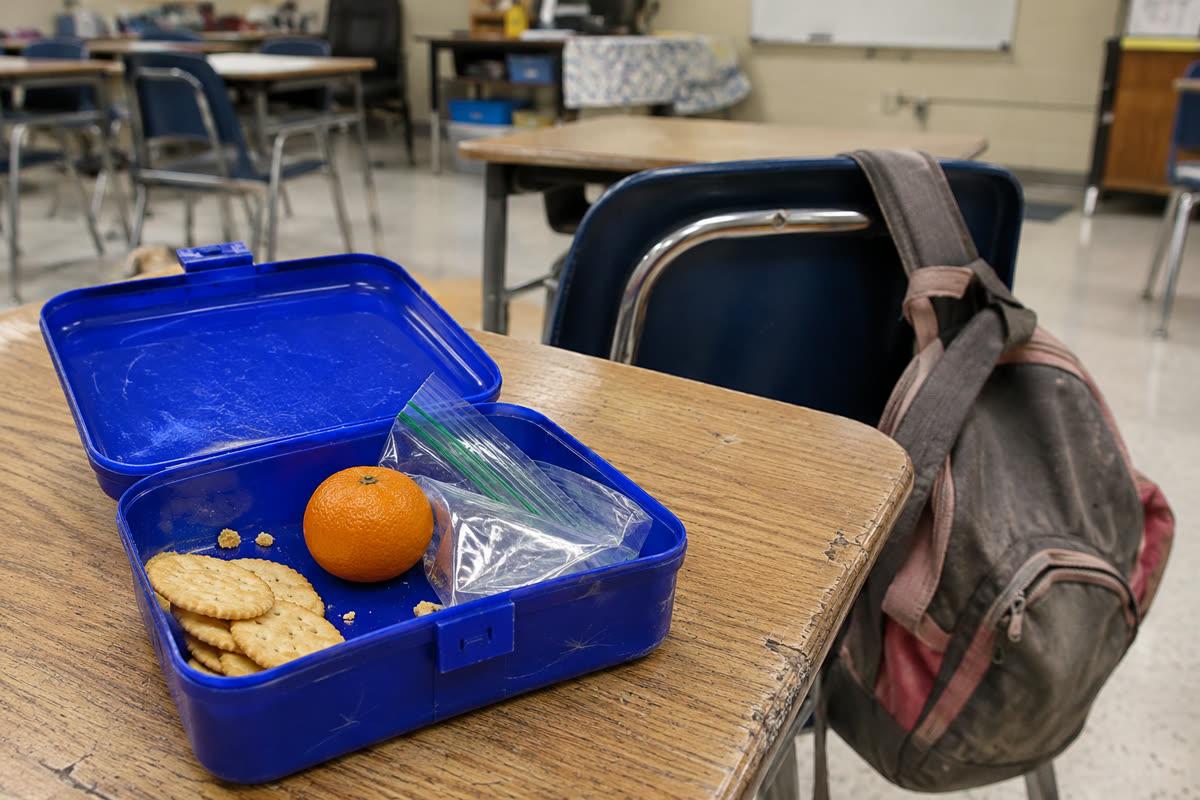 Why Goldfish, Cheez-It and Nutri-Grain contain gluten, and what a swap has to showSee the wheat ingredient in Goldfish, Cheez-It and Nutri-Grain in each maker's words, then check any swap against a gluten-free claim or certifier mark.
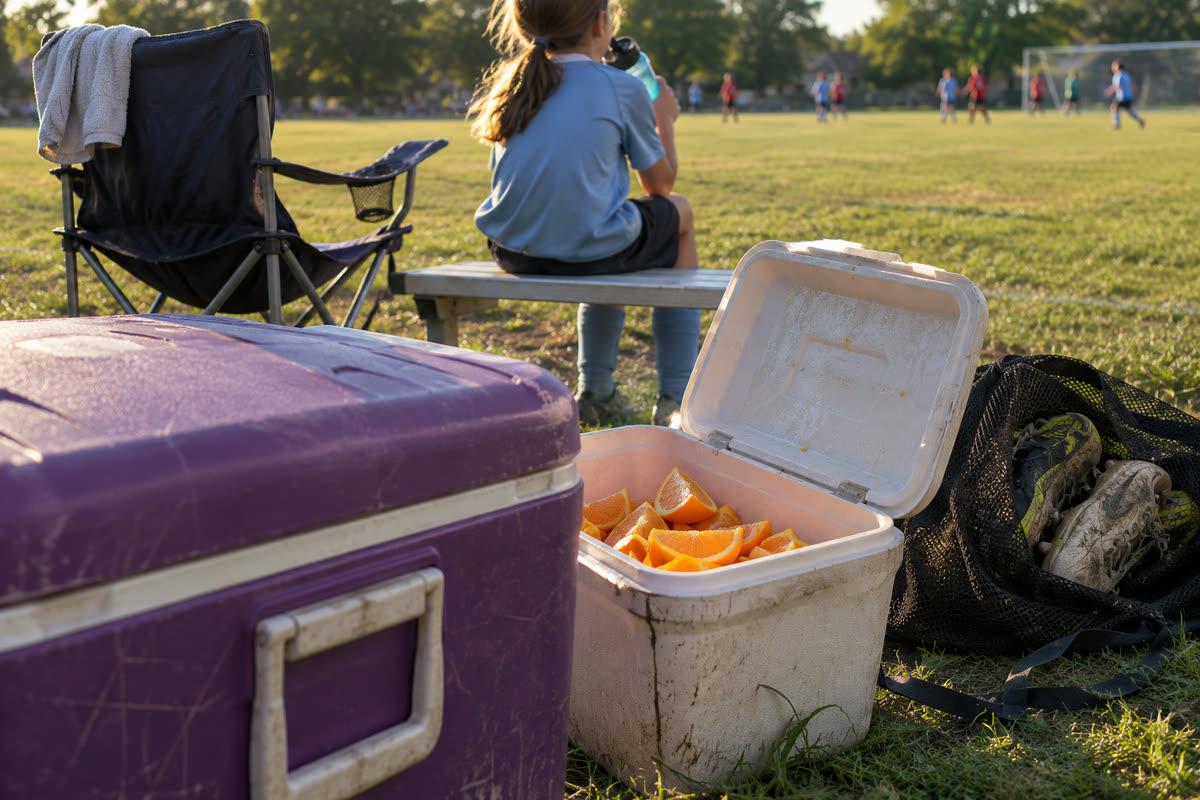 Youth sports with a gluten-free kid: team snacks, the coach and tournament weekendsA parent’s plan for team snacks, sports drinks, a coach card and tournament weekends with a gluten-free child, with a source for each claim.
 Going gluten-free as a family: choose the household rule, then fix the kitchenAll gluten-free, shared with rules or split: what NIDDK, the charities and one small study say, plus rules for siblings and visiting relatives.
 Pediatric celiac clinic visits: what to bring and what to askWhat to bring to a child’s celiac follow-up and the questions for the gastroenterologist and dietitian, drawn from the Celiac Disease Foundation checklist.
 Play-Doh, paste and art supplies: what the makers say about wheatWhat Hasbro and Crayola say about wheat in dough and craft supplies, what one school study measured, and what to ask the teacher.
 Study abroad and gap years with celiac disease: what to settle before you goWhat to ask a study abroad program or host family in writing, how gluten-free labeling differs abroad, and what to carry for a semester or gap year.
 Teaching a child to read gluten-free labels, one skill at a timeFour label skills to teach a gluten-free child in order, a cupboard practice game, and the questions an adult still answers.
Explaining celiac and everyday social life
Explaining celiac disease to family, friends and coworkers, and everyday social life.
 Gluten-free at work: catered lunches, client dinners, the office kitchen and business tripsWhat to ask a caterer, say to a server, label in the office fridge and carry on a business trip, from GIG, NIDDK, FDA and a chain's own allergen page.
 Asking an employer for celiac-related accommodations: what the ADA, EEOC and JAN sayHow to ask an employer for a celiac-related accommodation: what the ADA, EEOC and JAN say, what a request contains, and the EEOC charge deadline.
 Medical ID for celiac disease: what to carry and what to tell paramedics or an ERWhere to keep celiac medical ID information (phone, bracelet, wallet card), what to list, and what to say to paramedics, with a fill-in card.
 When your partner has celiac disease: gluten-free home or split kitchenChoose between a gluten-free home and a split kitchen, and find what to say at restaurants and to family, with NIH and charity sources.
 Celiac awareness dates, events and groups for the people around someone with celiac diseaseWhich celiac awareness dates exist, one way to take part from a charity’s own page, and how to judge a support group or online community.
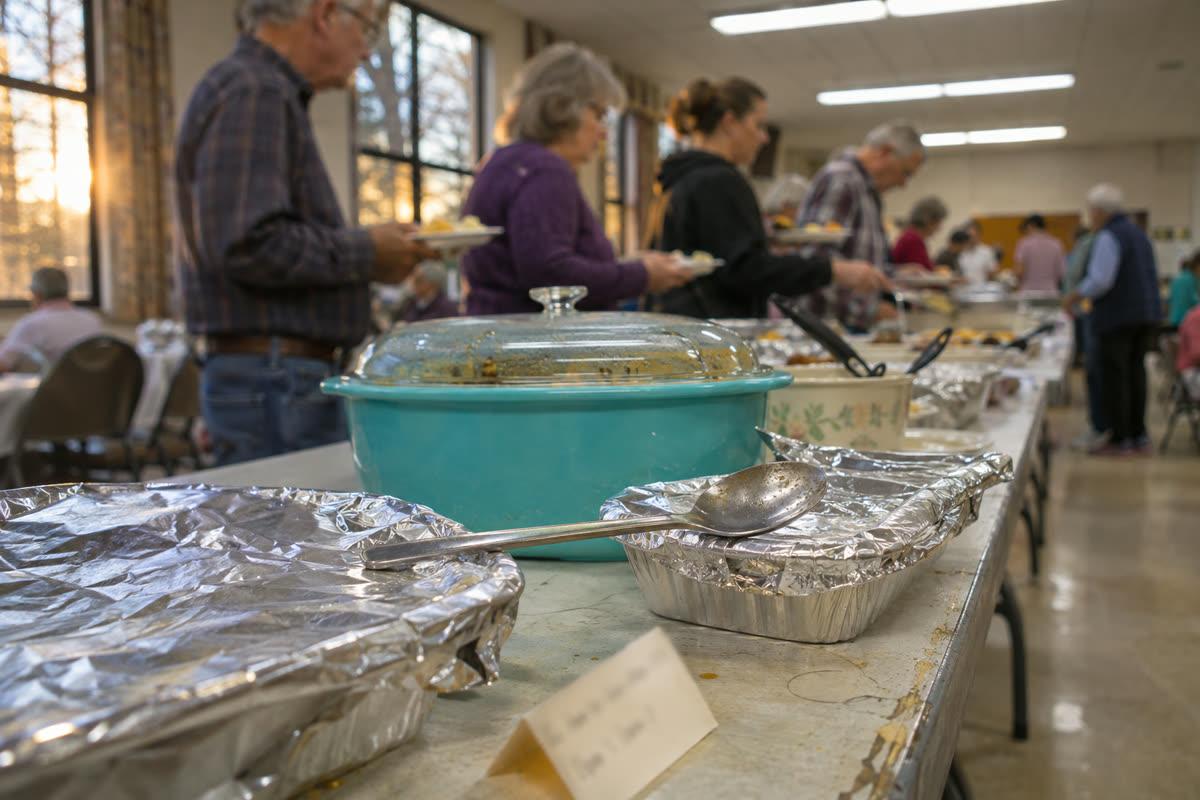 Gluten-free at church suppers, clubs and volunteer events: what to ask before the dayWhat to ask organizers, what to bring and how to handle the serving line at a church supper, club meal or volunteer shift, plus a note to hand over.
 Dating with celiac disease: when to tell, what to say, and what has been published about kissingWhen people with celiac disease tell a date, how to word the message, and what GIG and a 2026 study report about kissing, each quoted.
 Celiac disease and joining the US military: what the DoD medical standards sayWhat the Department of Defense medical standards say about celiac disease, how waivers are decided, and what to ask a recruiter.
 When gluten-free eating wears you down: fewer decisions, same rulesEase gluten-free burnout with routines: check each product once, set a standing plan for eating out, and know which rules stay fixed.
 Gluten-free in the hospital: meals, medicines and prep products to ask aboutHow to ask for a gluten-free tray, question the pharmacist about medicines and prep products, and bring a fallback before a planned stay or procedure.
 How to explain celiac disease to friends and familyA three-sentence explanation of celiac disease, then sourced replies to the usual questions: allergy, fad, how strict, and what to cook.
 Gluten-free meals in a nursing home or assisted living: the rules and what to askWhich meal rules cover a nursing home or assisted living, what to ask on a tour, how to get a gluten-free diet into the care plan, and where to complain.
 How to tell a host or relative you have celiac diseaseWhat to send a host before the meal, the cross-contact rule in one sentence, questions to ask about a dish, bringing your own, and how to pass on a dish.
 What to say to someone with celiac disease, and what to skipSentences to use, and ones to skip, when you cook for, eat out with or work beside someone with celiac disease, each tied to the fact behind it.
 When a relative says a little gluten won’t hurt: what to say, and what to let goOne-line replies for the relative who scrapes off croutons or says one bite is fine, each with its source, plus what to push back on and what to let go.
Cost, taxes and food assistance
What gluten-free food costs, tax rules and food assistance.
 Financial help for a gluten-free diet in the US: each program and where to startThe US programs that touch the cost of a gluten-free diet, who runs each one, and which page to open to read its own rule.
 College meal plans and gluten-free food: accommodations, waivers and the costHow a student with celiac disease asks a college for a changed meal plan or a waiver: the disability office, documents, dining questions, cost.
 Claiming the extra cost of gluten-free food in Canada: what the CRA allows and what to keepWhat the CRA lets a person with celiac disease claim for gluten-free food, how to work out the extra cost, what to keep, and the $1,000 proposal.
 Is gluten-free food tax deductible? What the IRS says and what to keepWhat IRS Publication 502 says about special food as a medical expense, how the excess-cost sum works, and what records to bring to a tax professional.
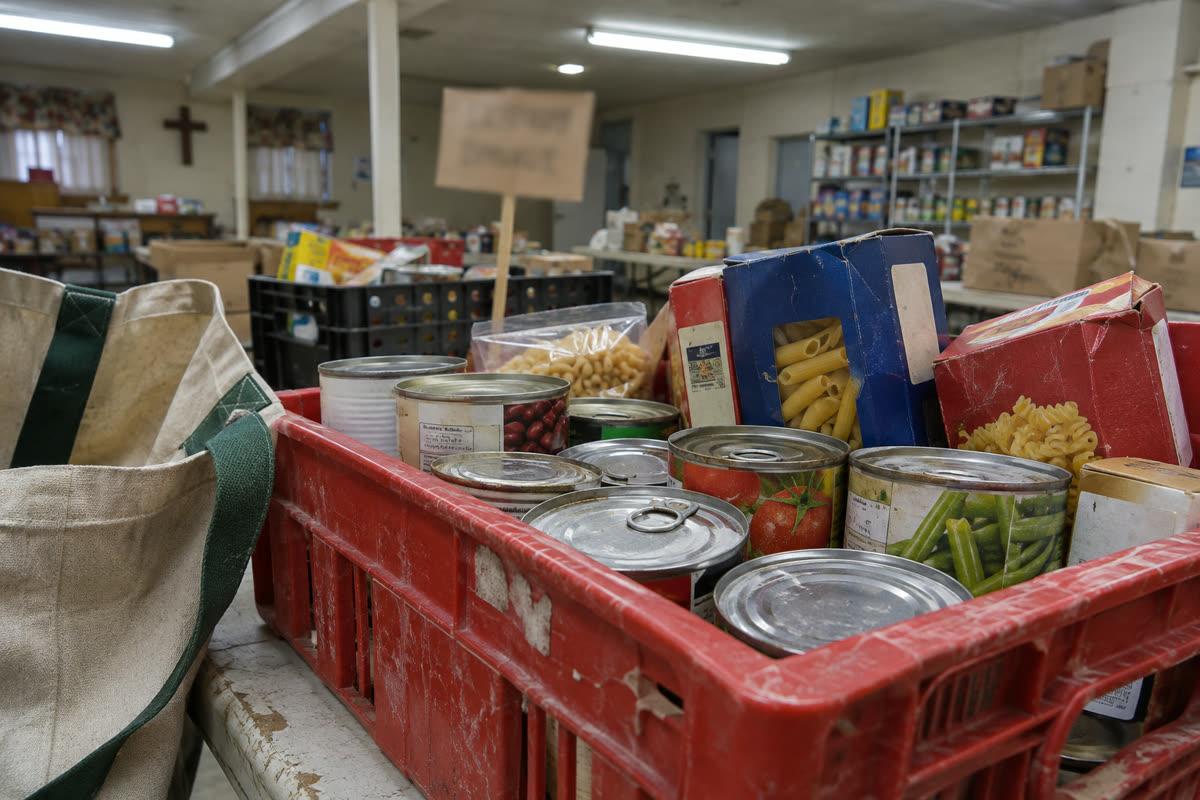 Food banks and pantries: how to ask for gluten-free items and check donated foodHow to find a pantry, ask for gluten-free items in a way a volunteer can act on, and check a donated item before you eat it or serve it.
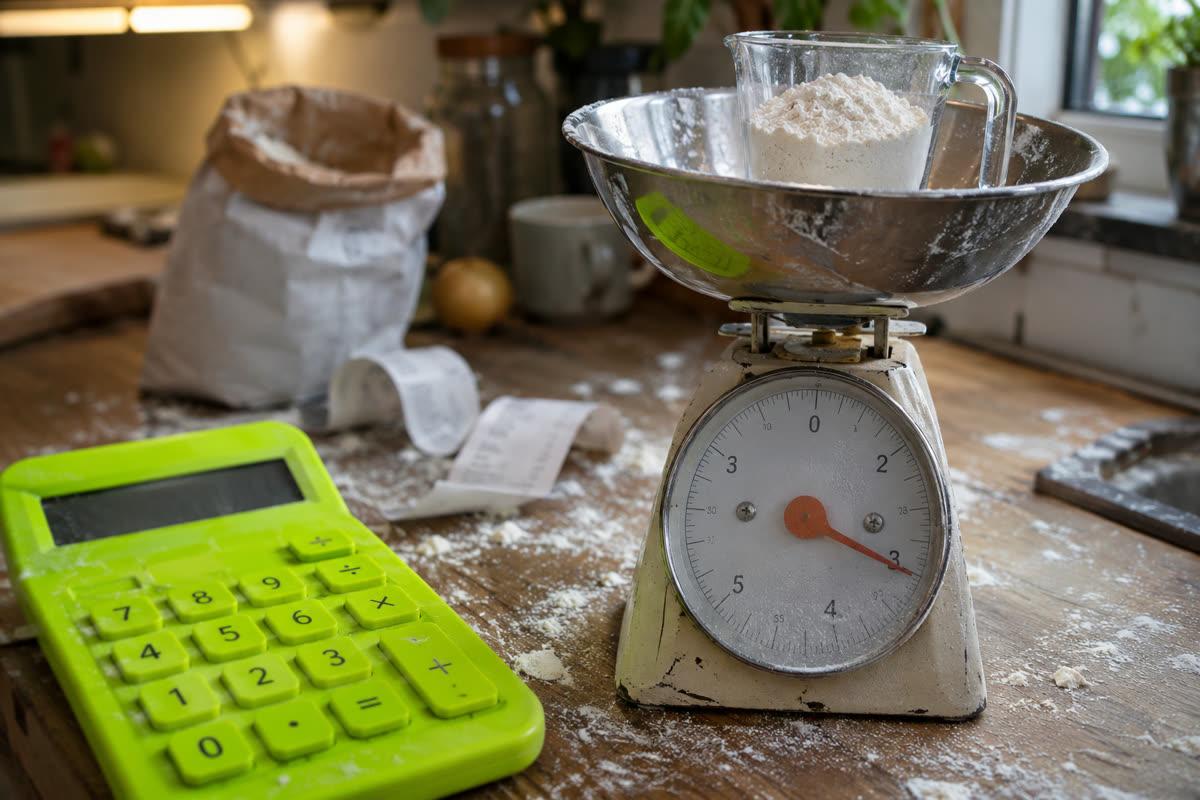 Gluten-free flour and baking mix cost per cup, with each maker’s statementWhat a cup of gluten-free flour or baking mix costs from each maker’s own price and label, shown beside what the maker says about gluten.
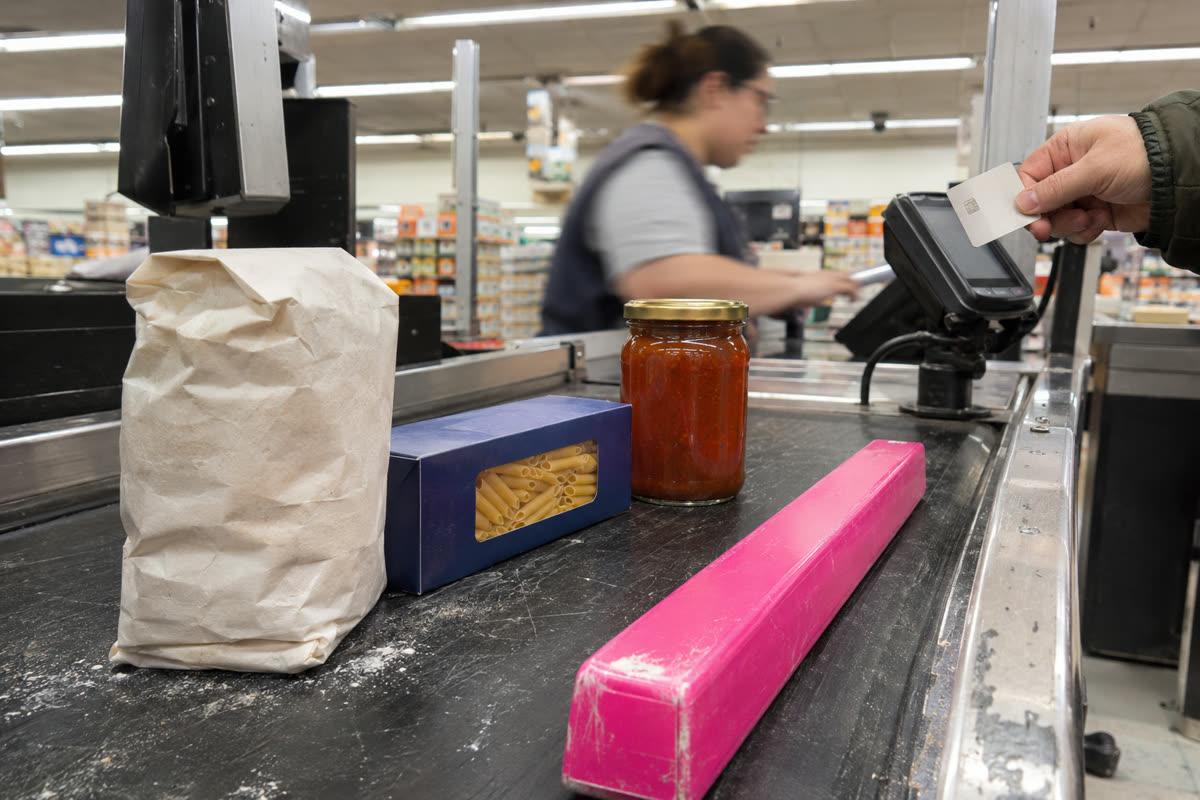 Paying for gluten-free food and dietitian visits with an HSA or FSAWhat IRS rules say about paying for special food, dietitian visits and test kits from an HSA or FSA, what a physician's letter covers and what to keep.
 Gluten-free food on prescription in the UK: how to check your areaWhat gluten-free staples the NHS prescribes in England, Scotland, Wales and Northern Ireland, how amounts are set, what you pay, and where to check.
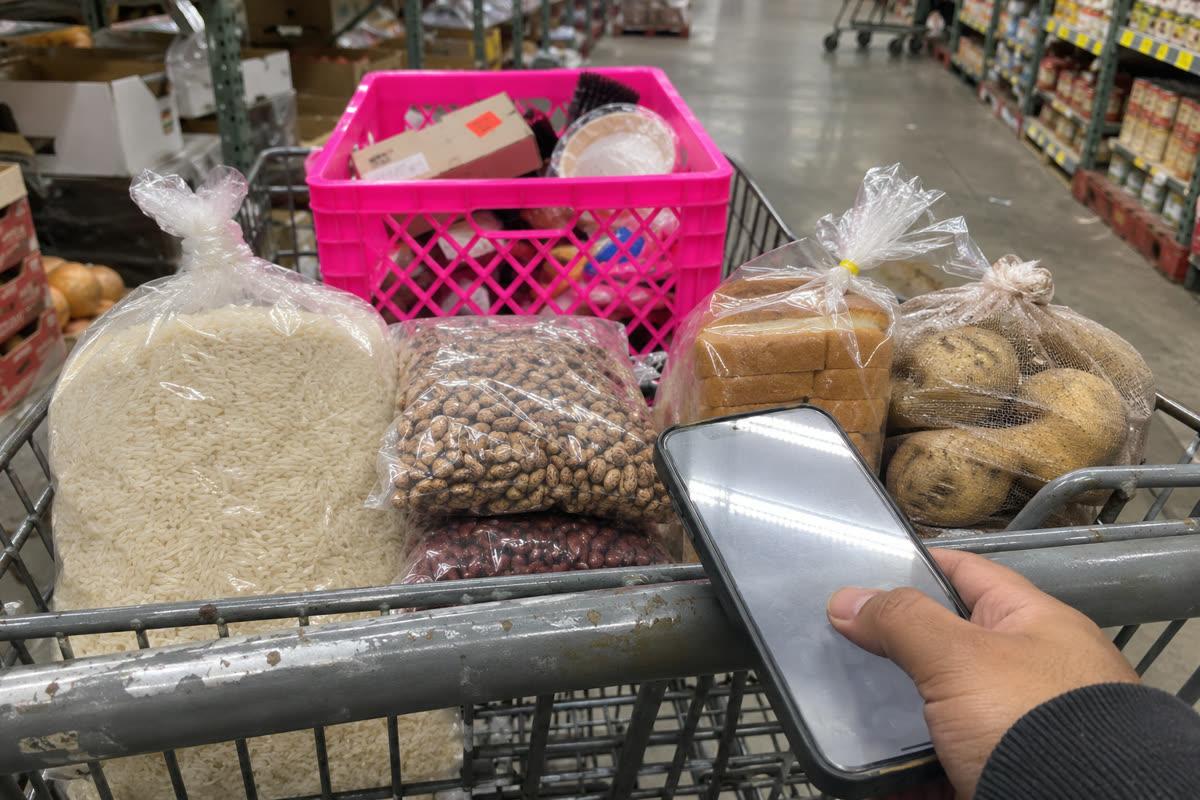 Gluten-free on a budget: what costs extra and what does notSort a gluten-free shopping list into plain foods, foods that need a statement and packaged substitutes, then compare costs and check each claim.
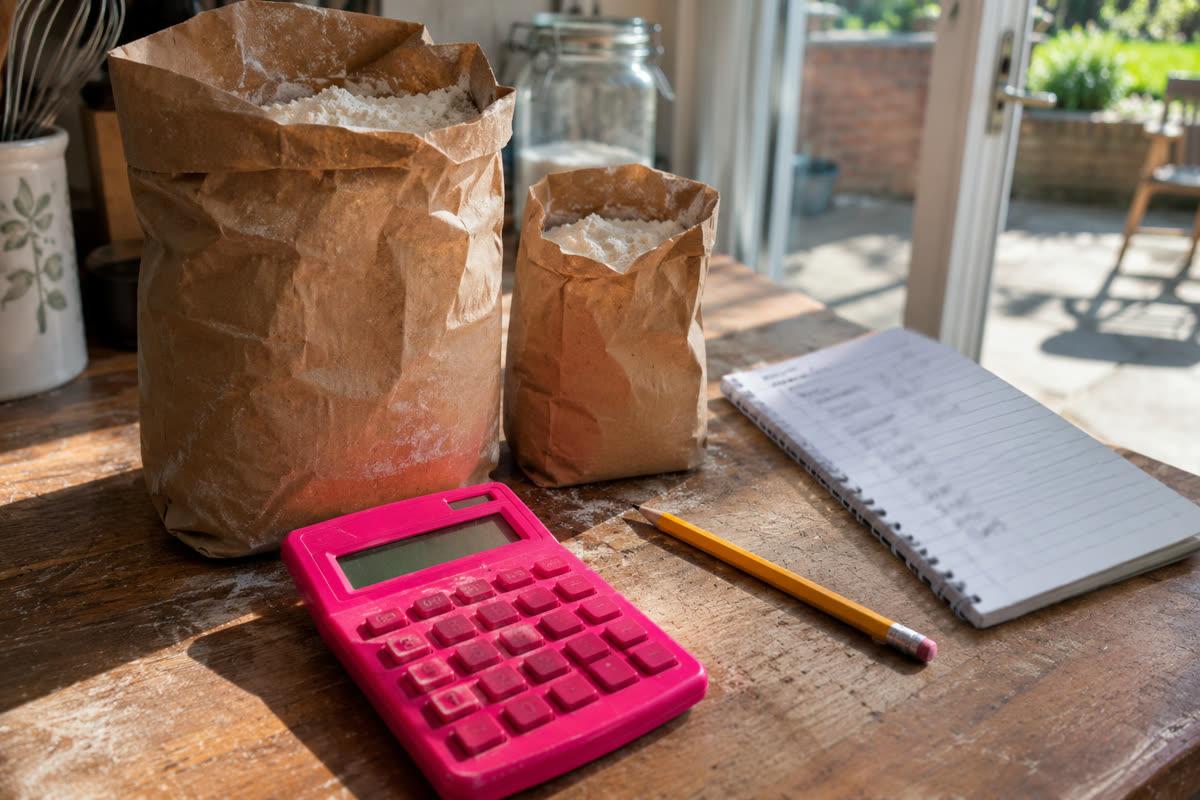 A price-per-ounce worksheet for comparing gluten-free staples at any store, club or onlineA worksheet for comparing gluten-free staples by price per ounce across stores, clubs and online, with a column for the gluten-free statement.
 Does insurance cover celiac testing and dietitian visits in the US?What a US plan pays for celiac blood tests, biopsy and dietitian visits depends on the plan. Reference points, questions to ask and appeal steps.
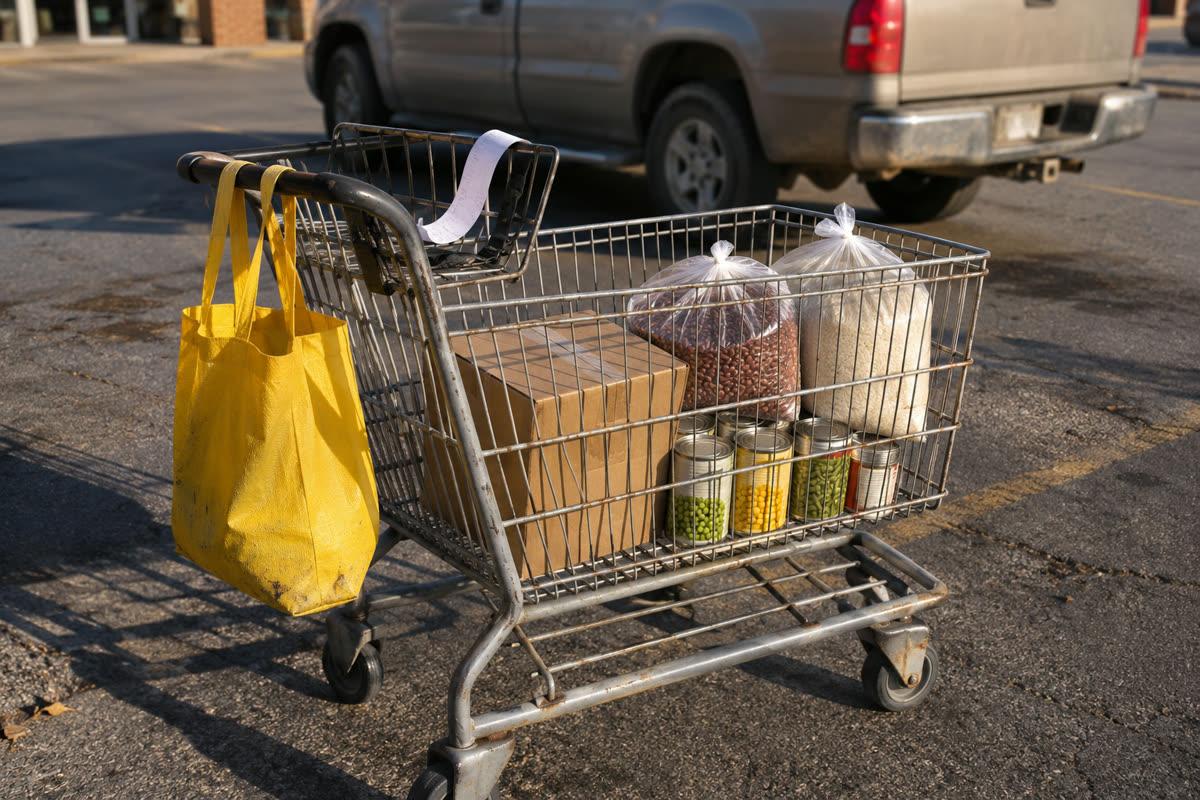 SNAP and gluten-free food: what the benefit covers and how to shop itWhich gluten-free foods SNAP covers, what it excludes, and how to build a list from naturally gluten-free staples plus a few labeled items.
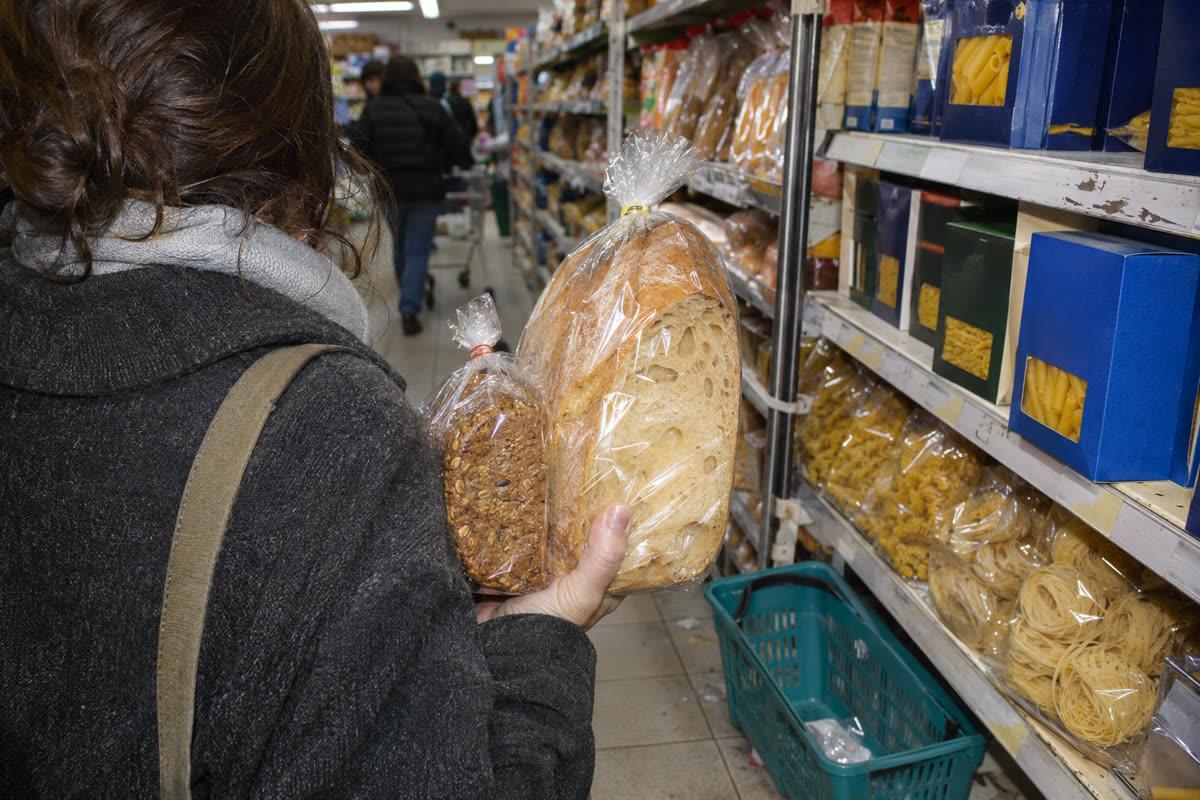 Why gluten-free packaged food costs more, and what the price surveys showWhat price surveys found, what researchers say drives the gap, what FDA’s rule and one certifier require, and what a shopper can avoid.
 WIC and gluten-free food: what the package includes and how to ask for a substitutionHow WIC food packages treat wheat, how states mark gluten-free items, and what to ask the clinic about a substitute for bread, cereal or grains.
Head-to-head comparisons
Two foods side by side, with the verdict for each.
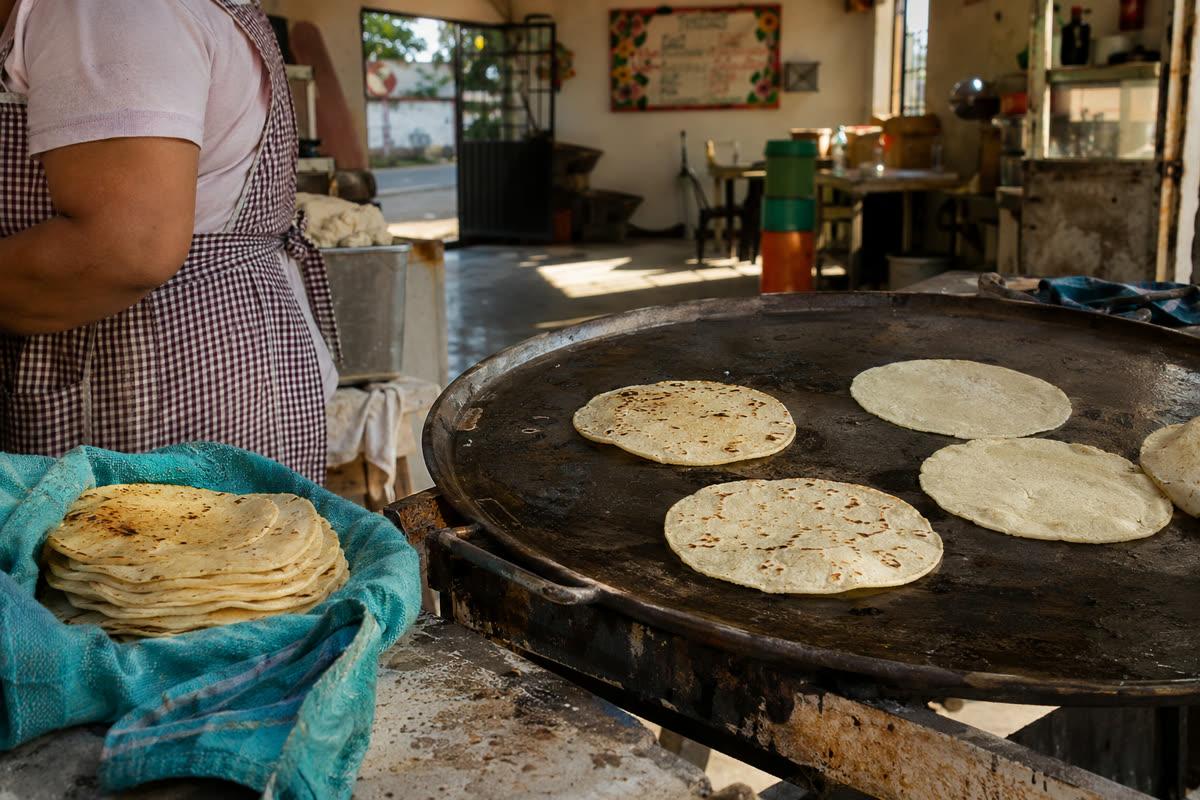 Corn vs flour tortillas: the label line and the griddle questionFlour tortillas contain wheat; corn ones may too. What to read on the package, and two questions to ask a restaurant about the tortillas and the griddle.
 Gluten-free oats vs regular oats: what the label changesTwo canisters of rolled oats, one labeled gluten-free: what the US claim means, how oats reach it, what it does not cover, and how to check.
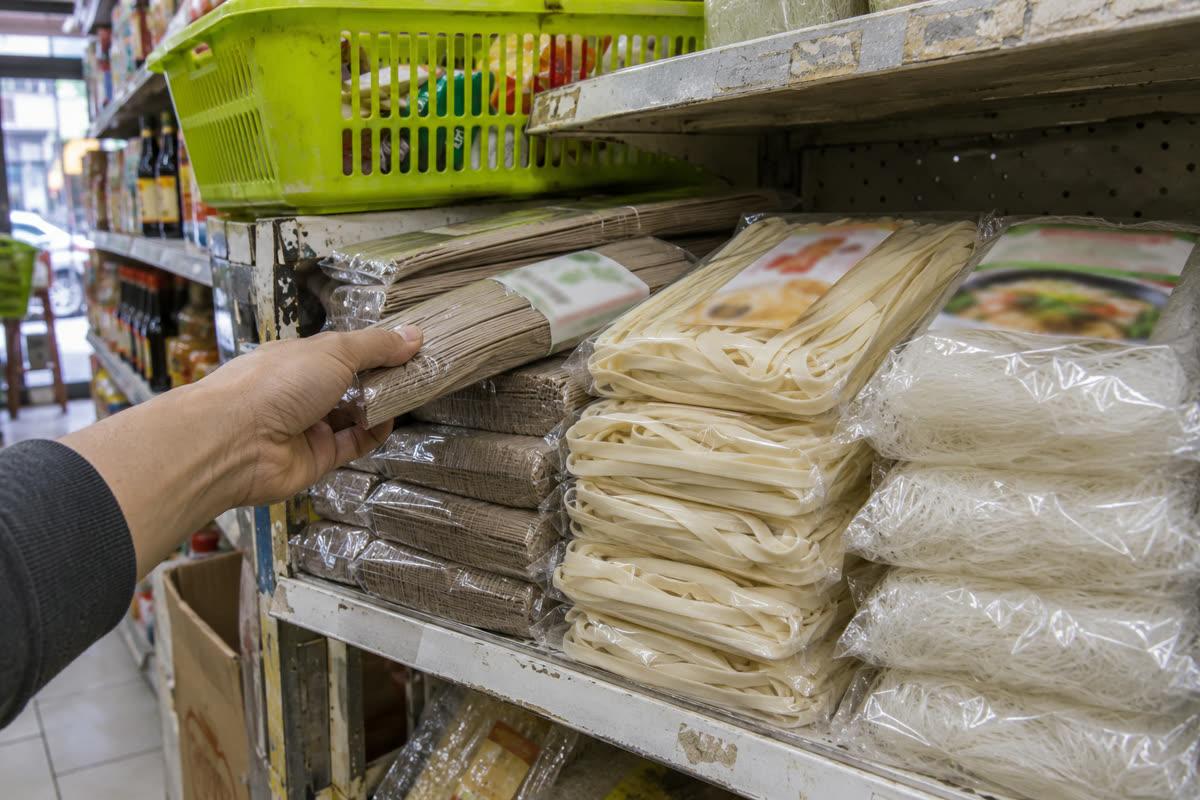 Soba vs udon vs rice noodles: which noodle holds wheatUdon is wheat, soba can be a buckwheat and wheat mix, and rice noodles are rice. How to read a package and ask about the broth and dipping sauce.
Gluten basics and myths
What gluten is, where it comes from, and the claims that do not hold up.
 Fine on bread in Europe? What it does and does not showWhat a trip where bread felt fine does and does not show about celiac disease, and how EU and US gluten-free label rules compare.
 Gluten and autism, ADHD or arthritis: what the research showsWhat reviews and trials report on gluten-free diets for autism, ADHD and arthritis, who ran them, how strong they are, and how celiac disease differs.
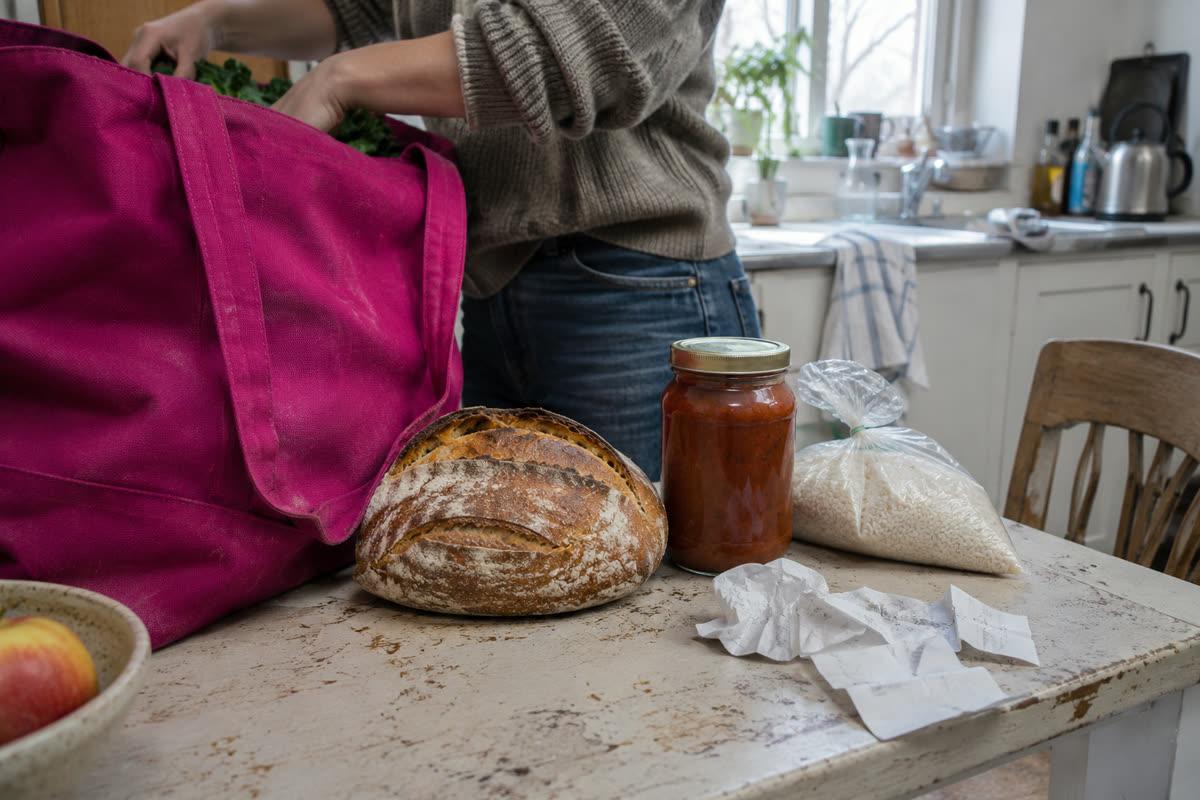 Gluten-free myths about labels and food, checked against the rulesNatural, organic, zero gluten, fermenting and oats: each gluten-free myth checked against the page that states the rule, with the wording and read date.
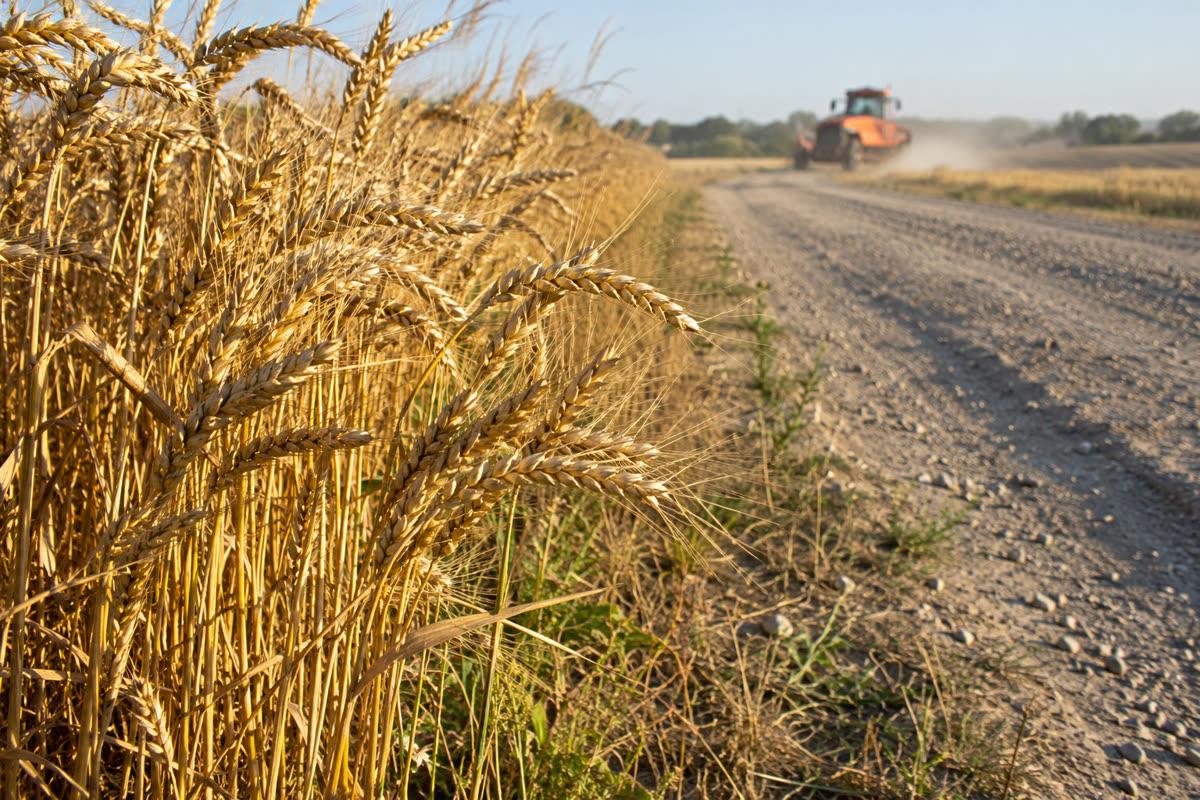 Glyphosate, lectins and “wheat belly”: three wheat claims checkedWhere the glyphosate, wheat lectin and “wheat belly” claims come from, what the reviews found, and what NIDDK and FDA’s gluten-free rule say.
 How the 20 ppm gluten-free limit was chosen, and by whomWho set the 20 ppm gluten-free limit and when: the 2004 law, FDA's 2013 rule and its stated reasons, the 2020 follow-up rule, and Codex and EU wording.
 How common is celiac disease? The figures people quote, and what each one counts1 in 100, 1 in 22 relatives, 3 percent of gene carriers: the group and study behind each celiac disease figure, and what studies say about a rise.
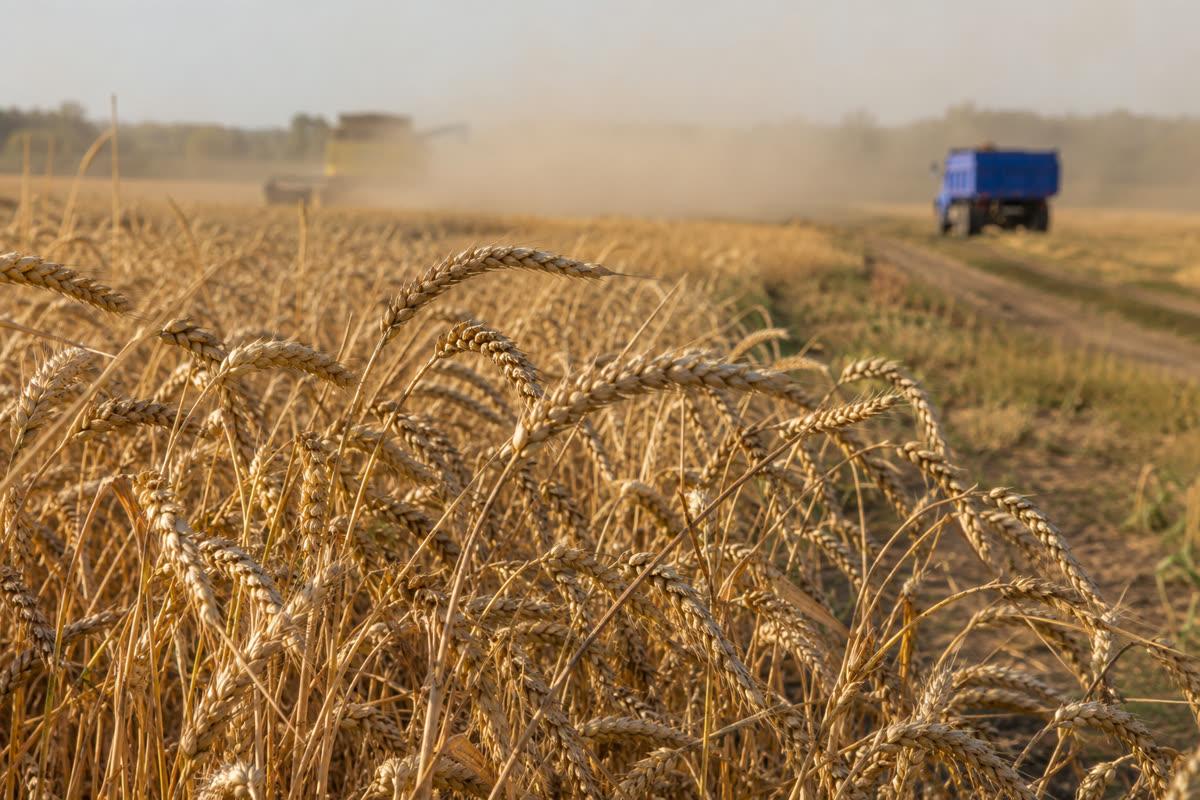 Is gluten in everything? Where it starts and where it gets addedSort your pantry into foods that start without gluten, foods where it is added as an ingredient, and foods that pick it up by contact.
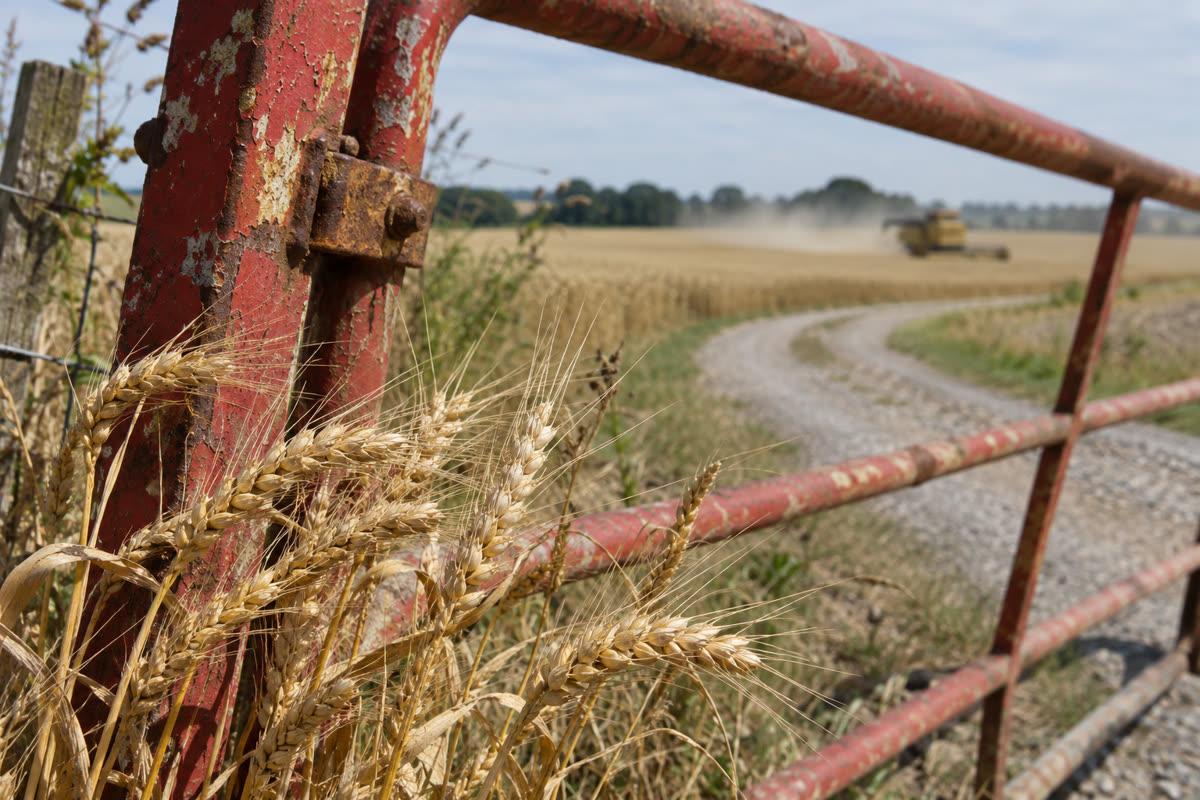 Did modern wheat get worse? What the variety studies show on glutenWhat studies of old and modern wheat varieties show on gluten, and what they say about spelt, einkorn and ancient wheats and celiac disease.
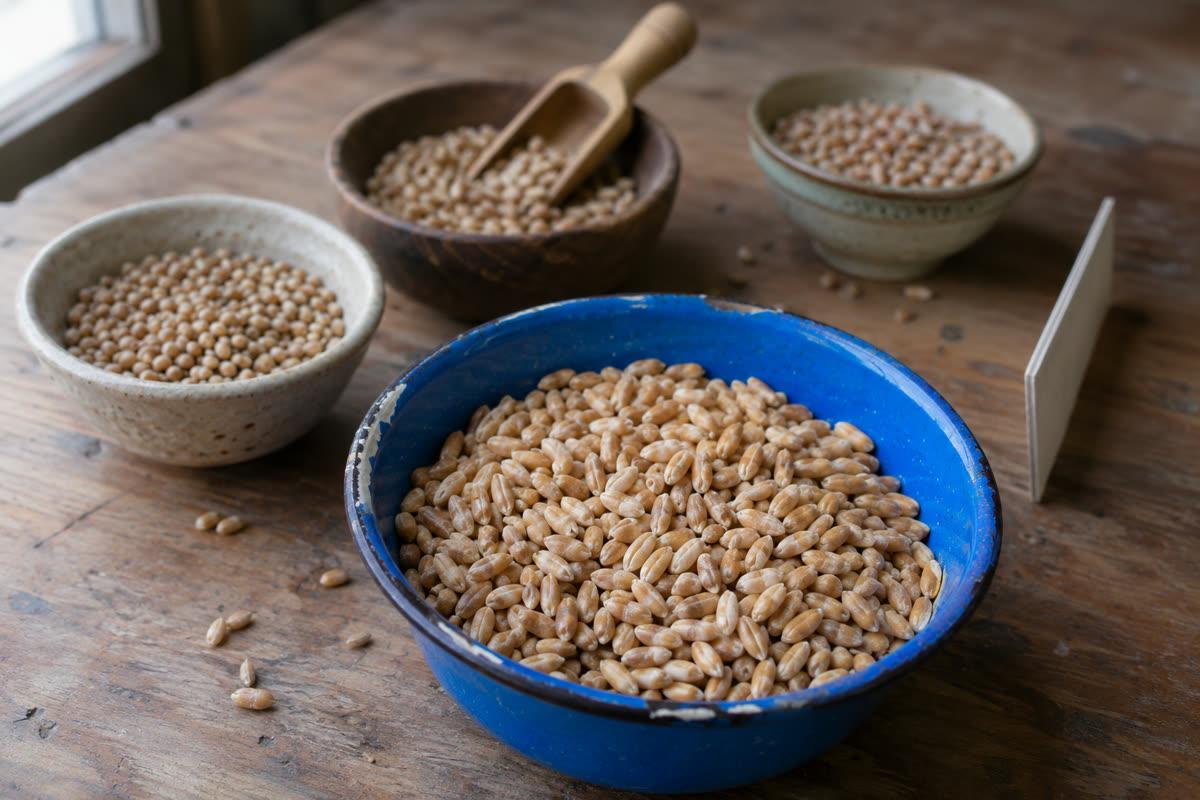 Spelt, Kamut, Durum and Einkorn: Every Kind of Wheat Has GlutenDurum, semolina, spelt, einkorn, kamut, farro: which wheat words on a US label count as gluten, and what the FDA rule and the sources say about each.
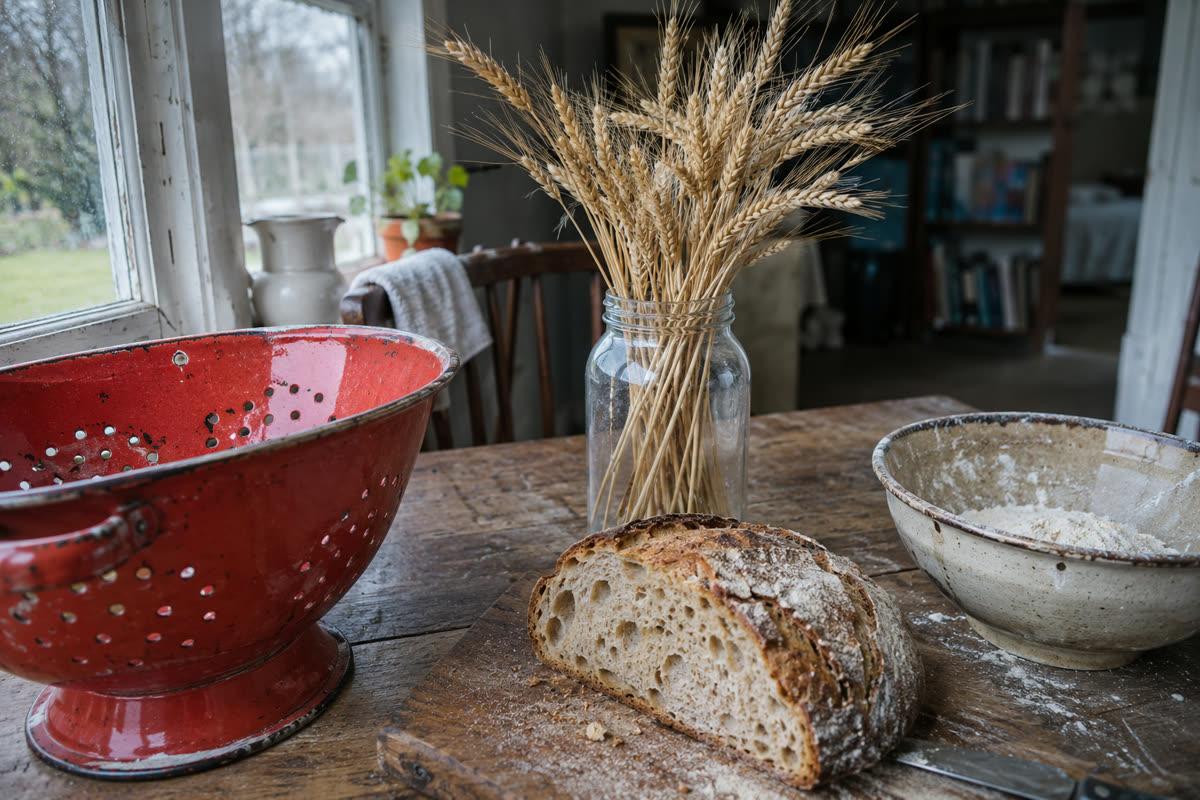 What in wheat bothers people if it is not gluten?The non-gluten candidates for wheat symptoms (fructans, ATIs, wheat allergy), the trial or review behind each, and what limits it.
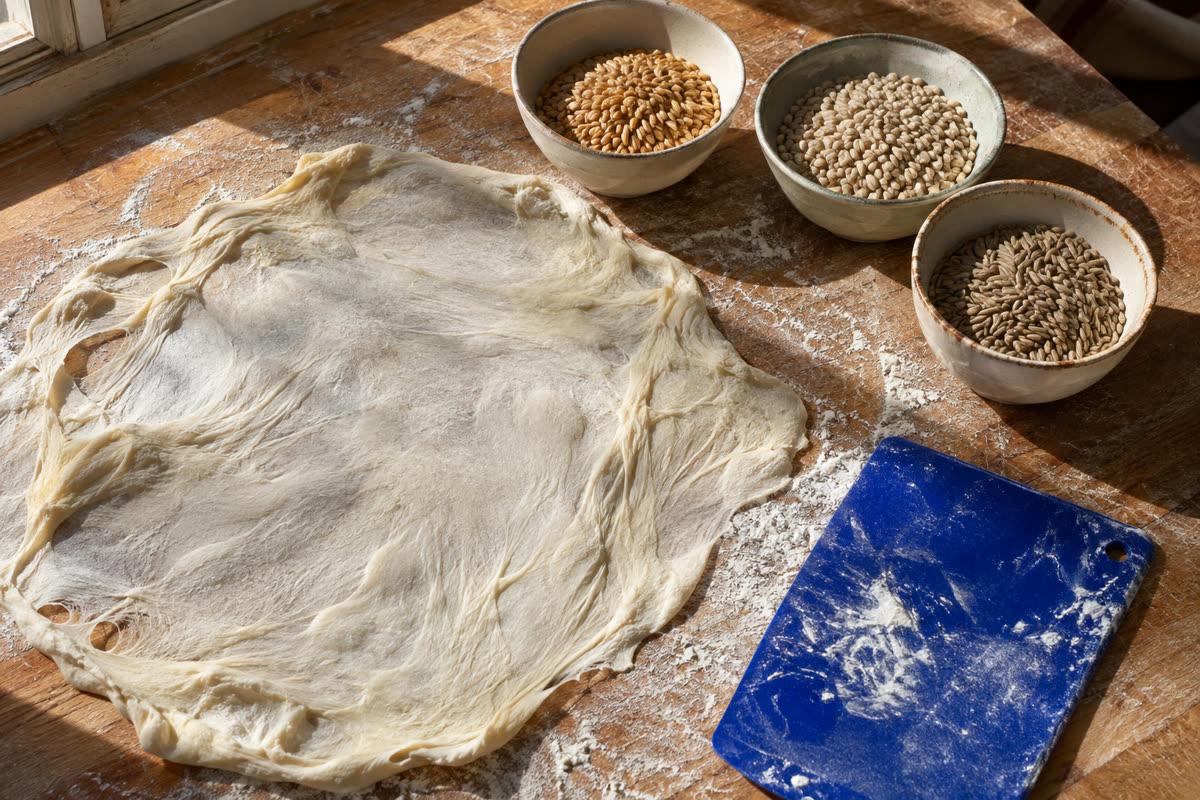 What gluten is, which grains carry it and what “gluten-free” meansA plain definition of gluten, the grains that carry it, look-alike words such as malt and wheat starch, and what a US gluten-free label means.
 Why gluten problems seem more common: what the evidence separatesGluten problems seem everywhere. Studies separate three things: cases found, cases that exist, and people avoiding gluten.
 Zein, avenin and gluten: how corn and oats differ from wheatIs zein gluten? How FDA’s rule defines gluten, what “corn gluten” and avenin are, and why a gluten-free label matters for oats.
Nutrition and combining diets
Eating well on a gluten-free diet, and combining it with other diets.
 Calcium and magnesium on a gluten-free, dairy-free dietWhere calcium and magnesium come from without dairy or gluten, and how to read a plant milk’s panel and ingredient list for added calcium.
 Paleo or AIP After a Celiac Diagnosis: What the Evidence Does and Does Not SupportWhat celiac guidelines say about paleo, AIP and dropping corn, oats or dairy, and how to check a packaged paleo food for gluten.
 Vitamin D with celiac disease: reading a result and checking a supplement for glutenWhat a vitamin D blood result measures, the published reference levels and upper intake level, and how to check a supplement label for gluten.
 Nutrient deficiencies in celiac disease: what the guidance names for checkingWhich nutrients a celiac guideline and a charity's clinician page name for checking, where reported deficiency figures differ, and questions to bring.
 Does a gluten-free diet help you lose weight?What reviews, NIDDK and celiac charities report about a gluten-free diet and weight outside celiac disease, and what the substitute foods contain.
 Fiber on a gluten-free diet: where it drops and what fills the gapCheck the fiber on gluten-free breads and pastas against the US Daily Value, and see which gluten-free whole foods charities list to add more.
 Folic acid in gluten-free foods: how to check the labelUS rules require folic acid in enriched flour, not in every product. Where to look on a label, and what CDC and FDA say.
 What to eat after a celiac diagnosis: what the sources document and what they do notBone broth, collagen, glutamine or plain staples? What NIDDK, ACG and celiac charities document after a diagnosis, and what no page we read names.
 Reading a US label for gluten and another food allergyHow to read a US food label for gluten and a second allergen: what the Contains line, gluten-free claim and may-contain lines each cover.
 Gluten-free and dairy-free: how to check a US label for bothUS labels treat milk and gluten under different rules. How to read for both, which makers state both claims, and what to ask when eating out.
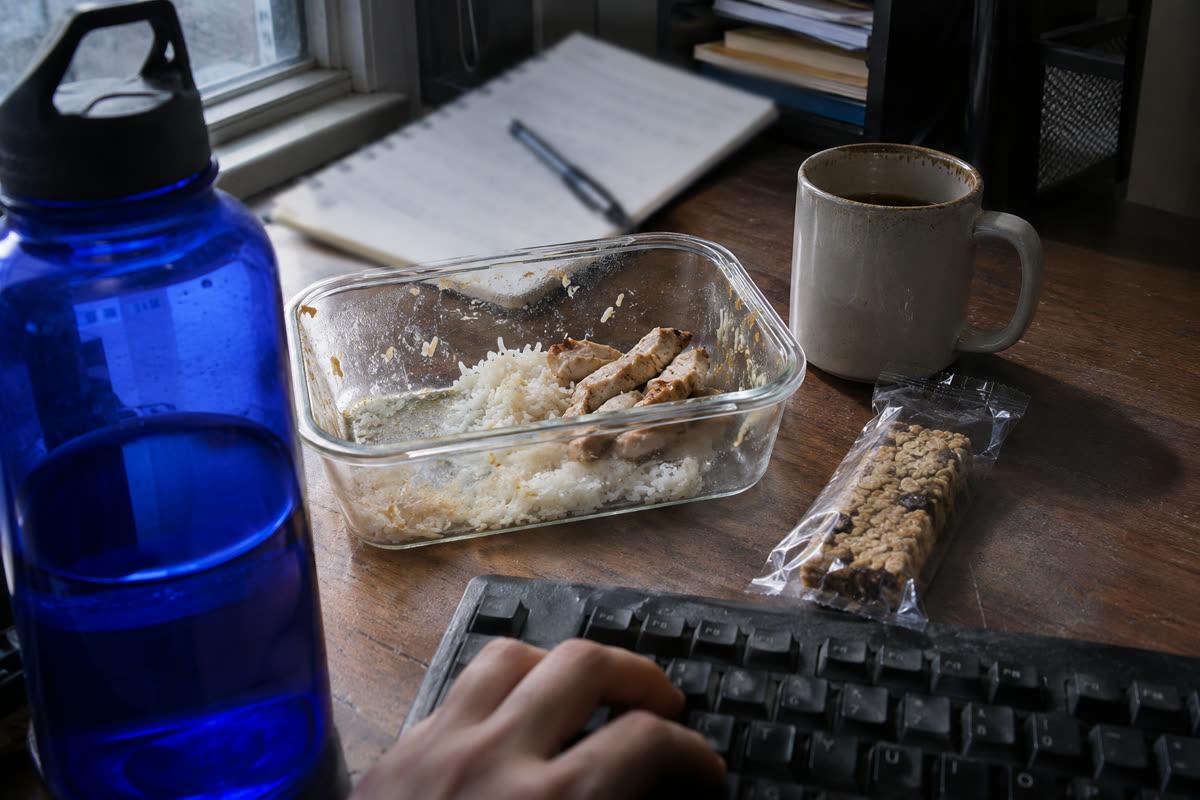 Does a gluten-free diet change blood sugar? What each study measuredRead the BMJ heart-disease cohort, the type 2 diabetes cohort, a pasta glucose trial and celiac and type 1 diabetes sources by what each measured.
 Celiac disease and eating disorders: what the research and clinicians reportWhat studies link celiac disease and eating disorders, how a required diet connects to disordered eating, the cautions clinicians raise, and US help lines.
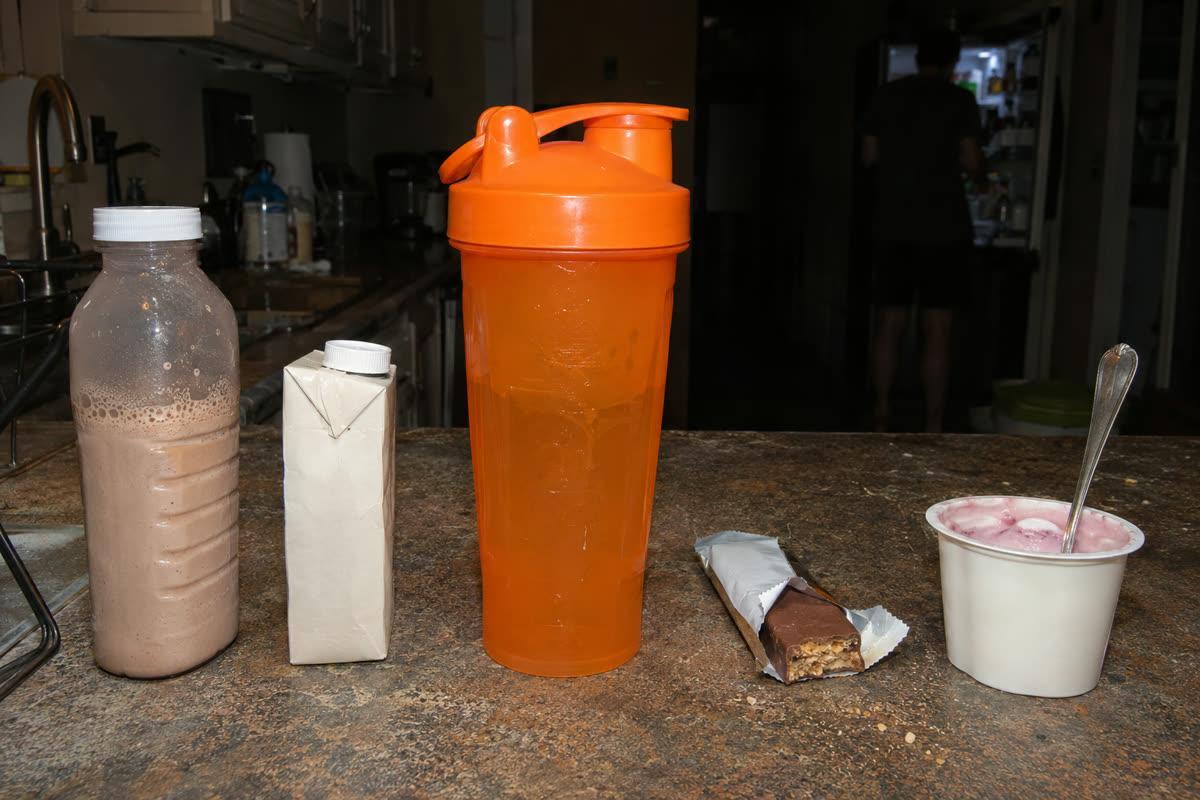 Gluten-free eating on a GLP-1 medication: what to read on shake, broth, bar and cup labelsHow to read a shake, broth, bar or cottage cheese cup for a gluten-free claim, a certifier mark and shared-equipment text while on a GLP-1 medication.
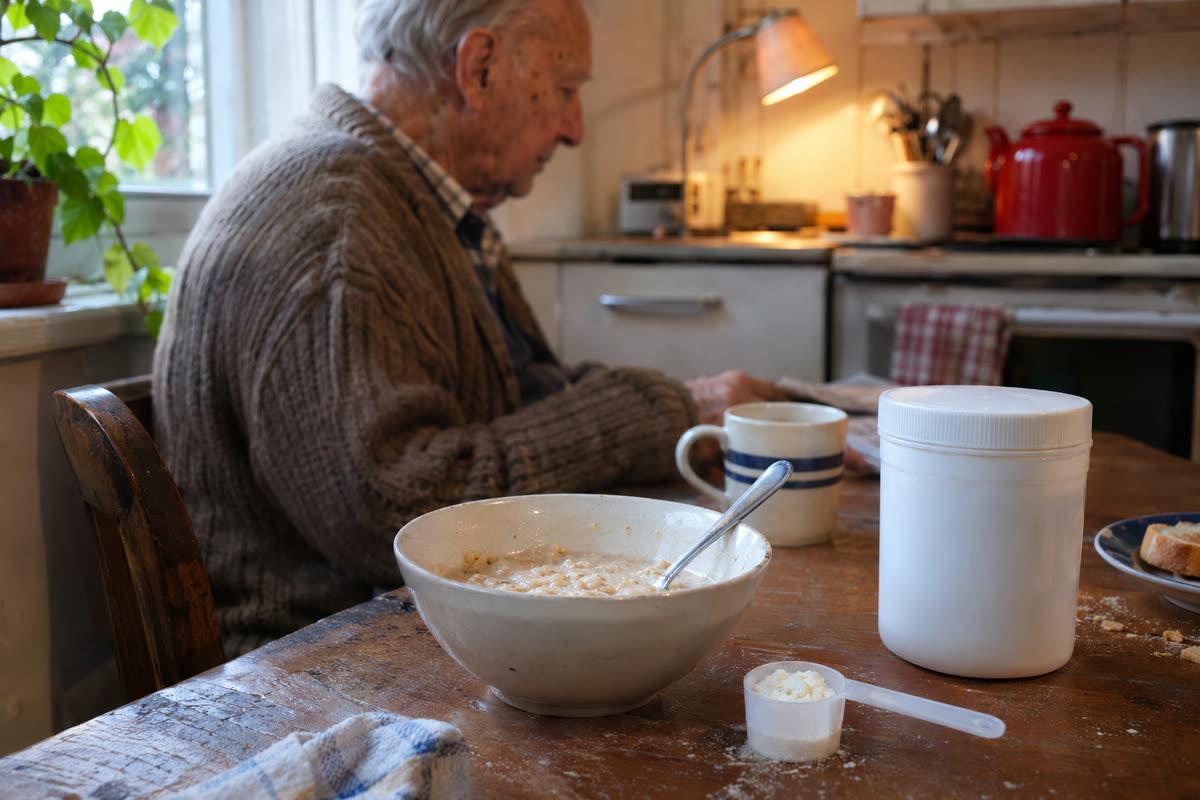 Gluten-free for older adults: swallowing difficulty, small appetite and thickenersHow to check thickeners, nutrition drinks and soft foods for a gluten statement, what the IDDSI texture levels are, and whom to ask about swallowing.
 Gluten-free high-protein foods: where gluten hides in bars, powders, jerky and marinadesCheck each protein product type for its gluten trap: seitan, jerky, bars, powders, sausage and broth, with what makers say on their own pages.
 Gluten-free and low FODMAP: what to check when symptoms continueHow gluten and FODMAPs differ, what guidelines list for persistent symptoms on a gluten-free diet, and FODMAP ingredients to look for on labels.
 Gluten-free fuel for training and race day: gels, bars, protein powder and aid stationsHow to check gels, chews, bars, protein powder and drinks for gluten, read sport-certification marks, and plan aid-station and pre-race food.
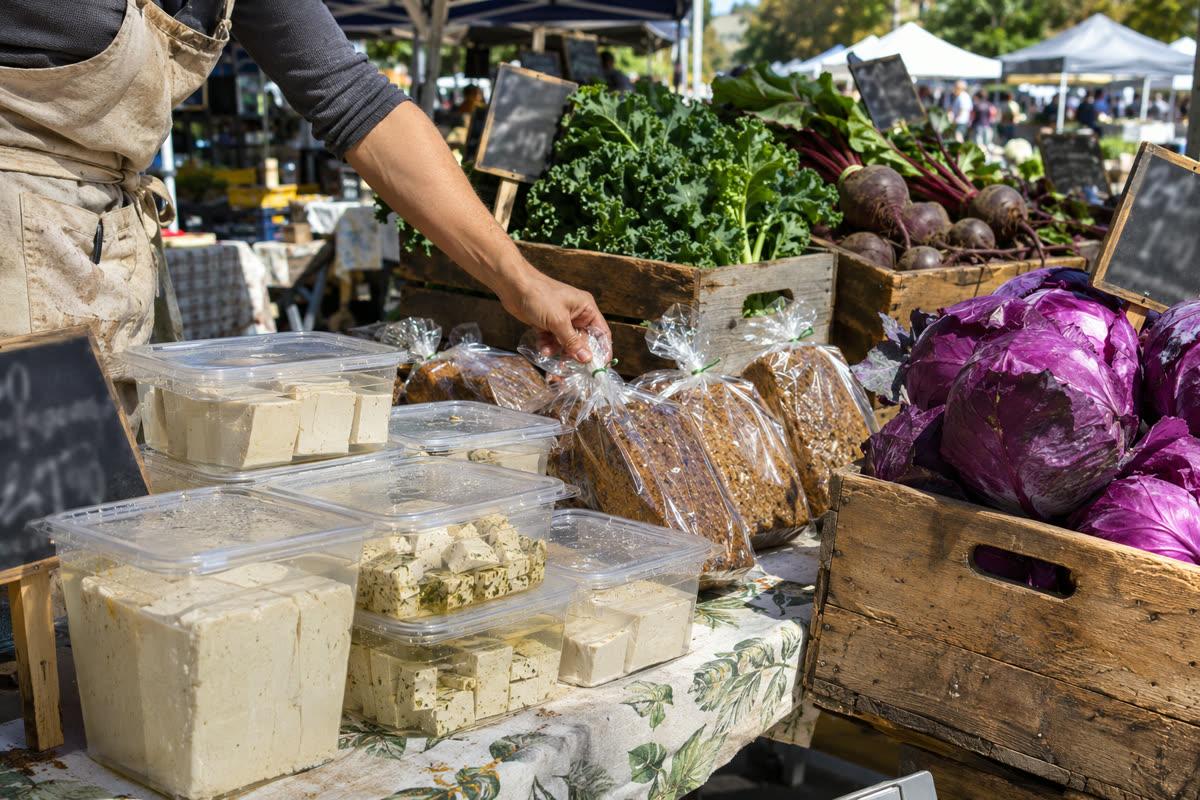 Gluten-free and vegan: where wheat hides in plant-based foodSpot wheat gluten in vegan meat substitutes and sauces, ask the right questions at a restaurant, and see where the charities send you for nutrition.
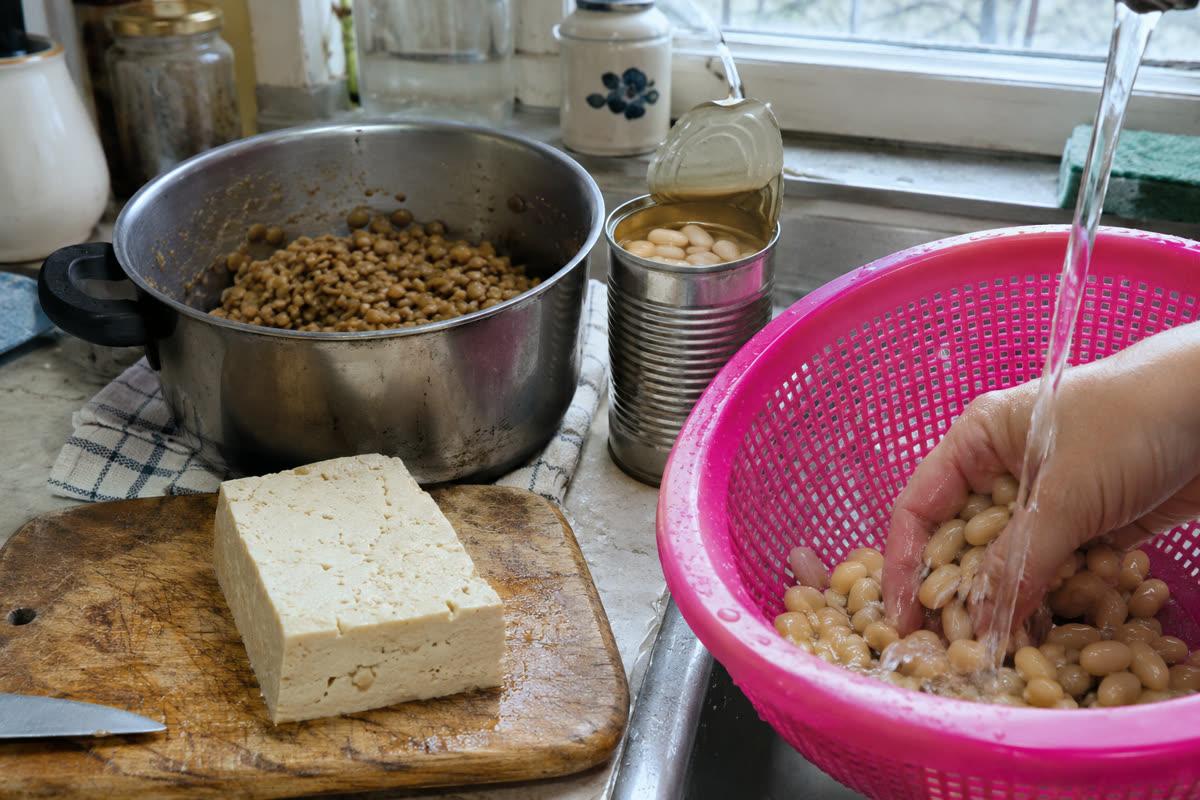 Gluten-free vegetarian protein: what to check on beans, lentils, tofu and tempehWhat to read on beans, lentils, tofu, tempeh and meat substitutes when you are vegetarian and gluten-free: stray grain, added grains, sauces and batters.
 Gluten-free with type 2 diabetes or high cholesterol: where the plans overlapWhere a gluten-free plan and a diabetes or cholesterol plan agree, where packaged gluten-free foods cut across them, and what to ask a dietitian.
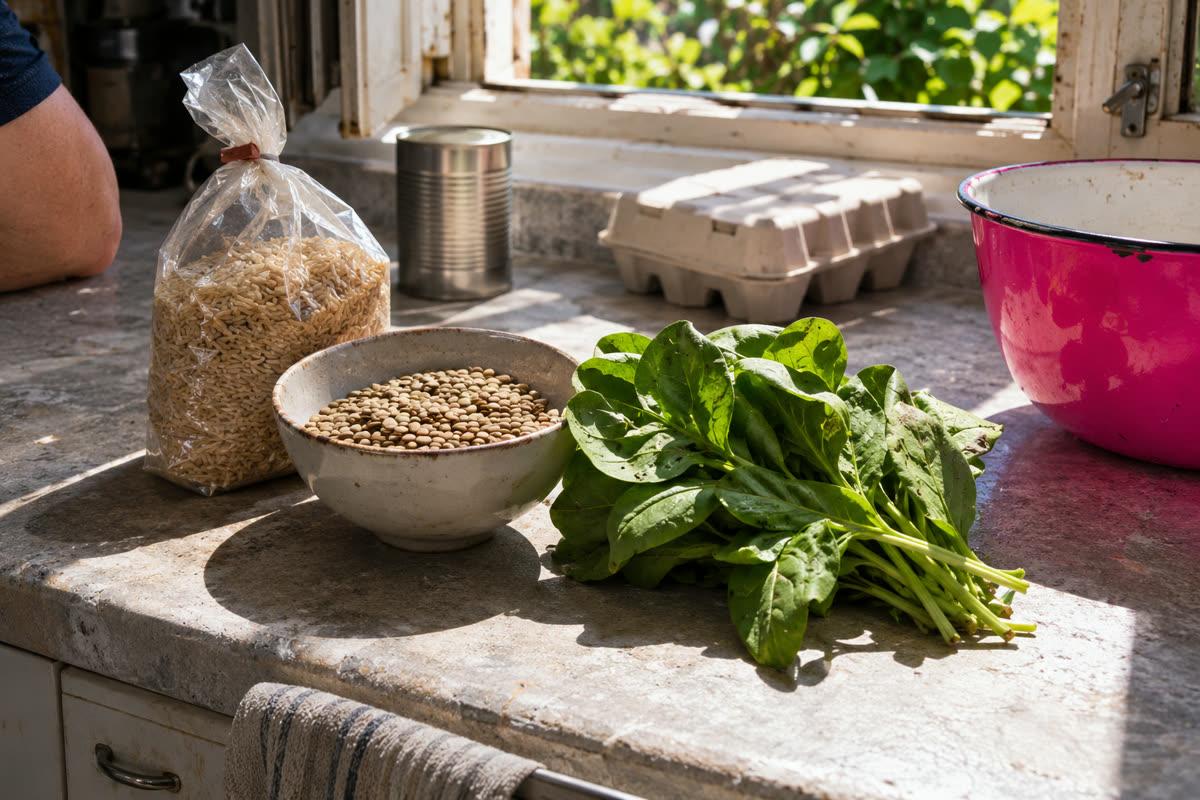 Iron, B12 and B6 on a gluten-free diet: where they come from and how to check a labelWhich foods supply iron, B12 and B6, what US enrichment standards name, and how to check whether a gluten-free flour, bread or cereal is fortified.
 Is a gluten-free diet healthy if you do not have celiac disease?What a gluten-free label promises, what studies of gluten-free products and eaters report, and why testing comes before cutting gluten.
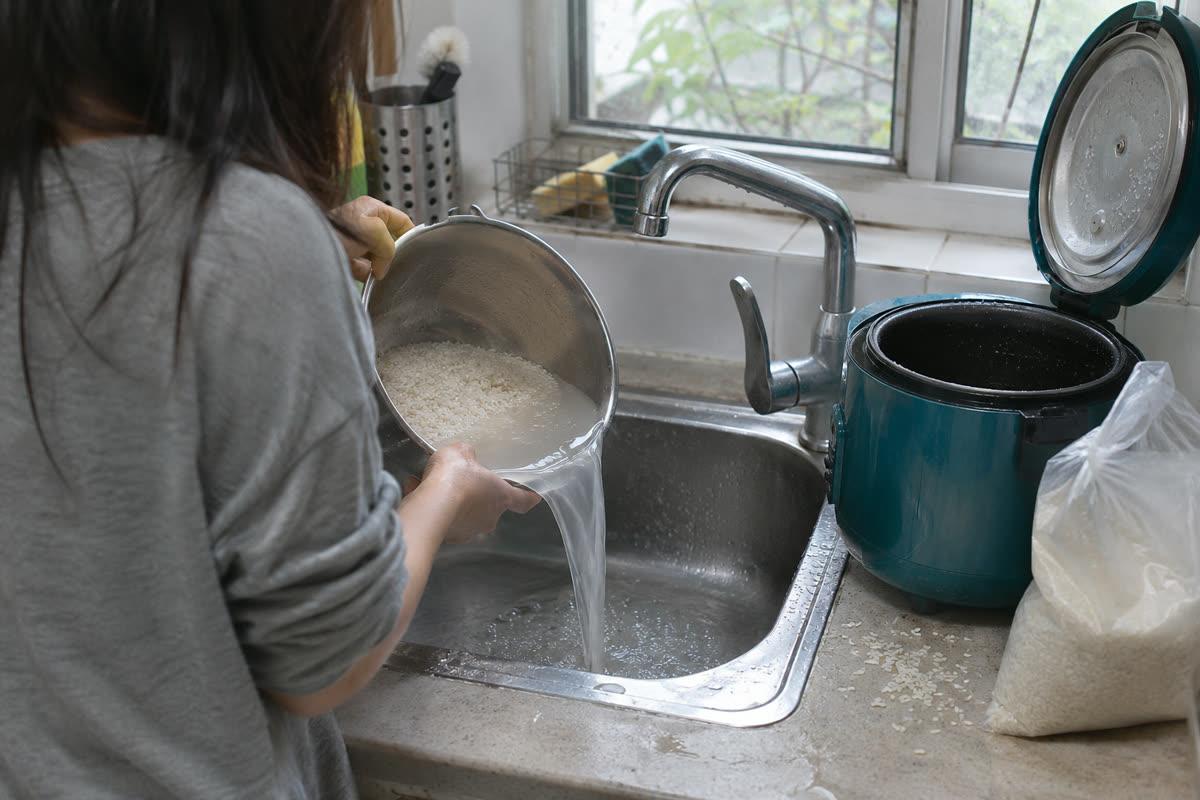 Rice and arsenic on a gluten-free diet: what FDA saysWhat FDA says about arsenic in rice, which gluten-free staples are rice-based, and the cooking and variety tips FDA and celiac charities give.
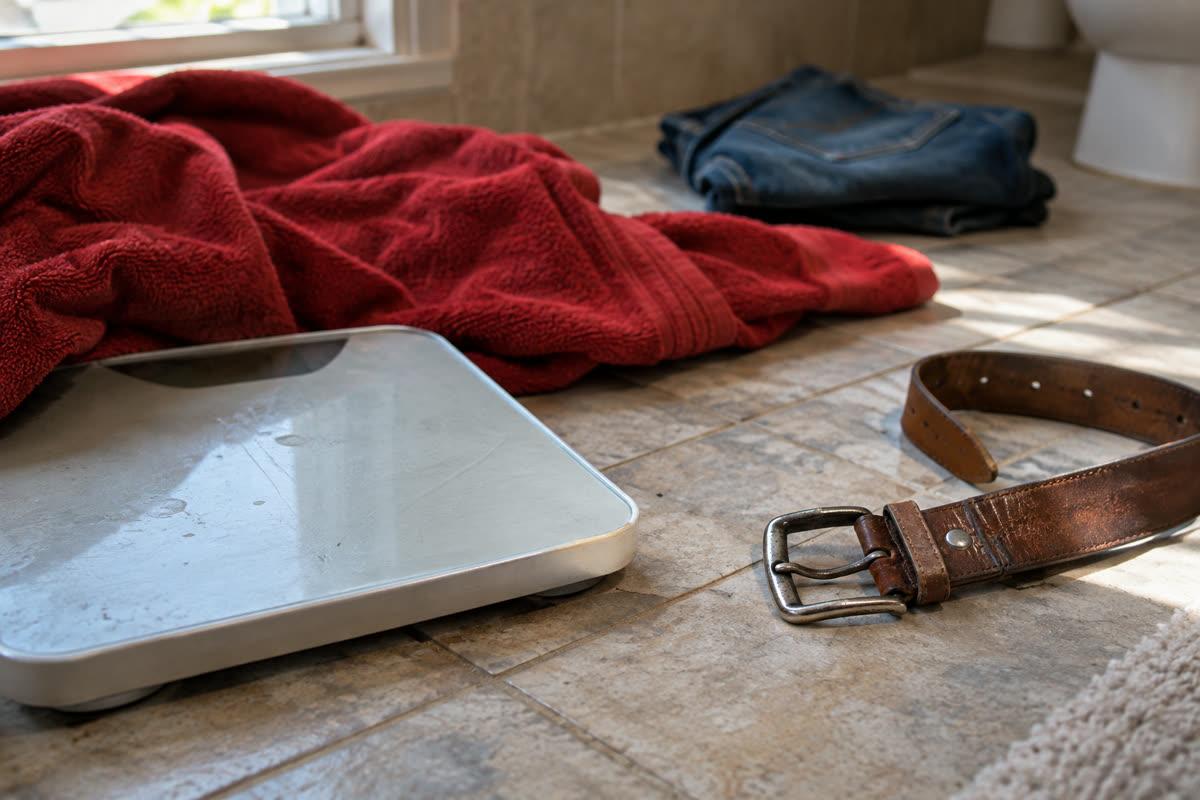 Weight gain or loss after a celiac diagnosis: what the research foundWhat two studies found about weight before and after a celiac diagnosis, what sources say about gluten-free foods, and what to bring to a dietitian.
Celiac diagnosis, testing and gluten sensitivity
How celiac disease and gluten sensitivity are diagnosed, from NIH and the celiac charities.
 At-home celiac and gluten sensitivity tests: what they can and cannot showWhat home celiac antibody kits, IgG food panels, stool and genetic tests can and cannot show, and what a result still needs from a clinician.
 Can non-celiac gluten sensitivity go away? What the trials show and do not showWhat the sources say about whether non-celiac gluten sensitivity fades, what challenge and FODMAP trials found, and what to ask a clinician.
 Reading a celiac biopsy report: Marsh grades and villous atrophyWhat villous atrophy, lymphocyte counts and Marsh 0 to 3c on a celiac biopsy report describe, and why guidelines read them with blood tests.
 Celiac Blood Tests: What tTG-IgA, Total IgA, DGP and EMA Each CheckWhat tTG-IgA, total IgA, EMA and DGP check, why total IgA is drawn with tTG-IgA, when back-up tests are used, and why gluten stays in the diet first.
 Diagnosing celiac disease in children without a biopsy: what the ESPGHAN guideline requiresThe conditions ESPGHAN sets for diagnosing celiac disease in a child without a biopsy, what must be confirmed first, and how US guidance differs.
 How celiac disease is diagnosed, step by stepFrom blood test to biopsy or no-biopsy diagnosis: what US, European and UK guidelines say, where they differ, and what they say about eating gluten first.
 Celiac disease or IBS: overlapping symptoms and what guidelines say about testingWhat the ACG IBS guideline says about celiac blood tests, how the two conditions compare per NIDDK, and why celiac testing needs gluten in the diet.
 Celiac disease vs lactose intolerance: how each is tested and why they overlapWhat celiac disease and lactose intolerance are, how each is tested, and why lactose intolerance can come with celiac disease, from NIDDK and ACG.
 Endoscopy for celiac disease: what to expect on the dayWhat NIDDK, the ACG and celiac charities say about the endoscopy and small intestine biopsy used to diagnose celiac disease, before, during and after.
 Follow-up testing after a celiac diagnosis: what the guidelines listWhat celiac guidelines and charities list for follow-up: antibody checks, repeat biopsy, nutrient tests, and what is checked if symptoms continue.
 How a gluten challenge works before celiac testingWhat named celiac sources say about the amount and length of a gluten challenge before testing, side by side, and why a clinician plans it.
 Reading a tTG-IgA result: cutoffs, borderline results and lab differencesWhat the number, cutoff and flag on a tTG-IgA report mean, why labs differ, and where guidelines draw the line at 10 times the upper limit of normal.
 Celiac disease vs gluten intolerance: three conditions, three diagnosesHow celiac disease, non-celiac gluten sensitivity and wheat allergy differ in mechanism, diagnosis and diet, with a source behind every point.
 Wheat allergy tests vs celiac tests: which test answers which conditionWhich test answers which condition: celiac antibodies and biopsy versus wheat IgE, skin prick and food challenge, as ACG, NIAID, FARE and NIH say.
 Finding a dietitian who knows celiac disease: credentials, directories and questionsWhat RD and RDN mean, which celiac-related credentials and directories exist, and what to ask a dietitian at your first visit after a celiac diagnosis.
 Low total IgA and celiac disease: which tests guidelines name insteadWhy very low total IgA can hide celiac disease on the usual tTG-IgA test, which IgG-based tests guidelines name instead, and what a clinic should cover.
 Bloated after bread or pasta? Why the celiac blood test comes before cutting glutenWhy bloating after bread or pasta cannot name its cause, why celiac blood tests come before a gluten-free diet, and what to ask a clinician.
 Marsh 1 on a biopsy report with negative celiac blood tests: what the guidelines sayWhat Marsh 1 or lymphocytic duodenosis means when celiac antibodies are negative, which other causes sources list, and what guidelines say comes next.
 How non-celiac gluten sensitivity is diagnosed: the Salerno criteriaWhat counts as a diagnosis of non-celiac gluten sensitivity: the exclusions, the Salerno criteria steps and what a blinded gluten challenge involves.
 Positive celiac blood test but a normal biopsy: what doctors call potential celiac diseaseWhat celiac guidelines say when antibodies are positive but the biopsy looks normal: potential celiac disease, other causes, and the follow-up described.
 Questions to bring to a gastroenterologist when celiac disease is suspectedQuestions for a celiac disease appointment: what to bring, what the sources say about diet before testing, and what to ask about the biopsy and follow-up.
 Seronegative celiac disease: when antibodies are negative but the biopsy is notWhat seronegative celiac disease means, which checks come before the label (total IgA, gluten intake, other causes) and what published series report.
 Silent celiac disease: who is tested when there are no symptomsWhat silent celiac disease means, what the US Preventive Services Task Force said about screening without symptoms, and which groups guidelines test.
 Villous atrophy that is not celiac disease: other causes doctors checkConditions and medicines that clinical consensus and reviews name as causes of flat small-bowel villi besides celiac disease, and what the work-up covers.
 Wheat-dependent exercise-induced anaphylaxis (WDEIA): a wheat allergy that needs a co-factorWhat allergy societies say WDEIA is, how it is diagnosed, how it differs from celiac disease, and why an allergist and emergency plan matter.
Celiac genetics and family risk
Celiac genes, family risk and what a gene test can and cannot tell you.
 23andMe versus a clinical HLA test for celiac disease: what each reads and what a negative meansWhich gene variants the FDA-authorized 23andMe celiac report and clinical HLA typing read, and how labs and charities describe a negative or positive.
 Can eating too much gluten cause celiac disease? What genes, trials and cohort studies showWhat NIDDK, two infant-feeding trials and the TEDDY cohort studies report on genes, gluten amount and celiac disease risk, and what is still unknown.
 Can you develop celiac disease as an adult? What the studies say about late diagnosisWhat NIH, clinical guidelines and studies say about celiac disease found in adulthood, an earlier negative test, delayed diagnosis and testing on gluten.
 Carrying a celiac gene: how often it leads to celiac disease and what changes the oddsHow often people with the celiac gene variants develop celiac disease, how a relative with it changes the odds, and what is proven or only suspected.
 Celiac genetic testing: what HLA-DQ2 and DQ8 results can and cannot tell youWhat HLA-DQ2 and DQ8 typing checks for, how NIDDK, ACG, ESPGHAN and WGO read a negative or positive result, and where the guidelines place the test.
 Celiac disease genes beyond HLA: what large genetic studies foundWhat large genetic studies found beyond HLA in celiac disease, how much of the inherited risk those regions explain, and whether clinical tests cover them.
 Celiac screening in type 1 diabetes, Down syndrome and Turner syndrome: what the guidelines sayWhat ADA, ISPAD, AAP, ESPGHAN and the Turner syndrome guideline say about celiac antibody tests: the first test, the age to start, and how often to repeat.
 What sets off celiac disease? What the evidence says about infections, surgery, pregnancy and stressInfection, surgery, pregnancy and stress are often blamed for celiac disease. Each is graded here by the kind of study behind it and where it stops.
 A positive celiac gene test in your child: what it means and what happens nextWhat a positive HLA (DQ2 or DQ8) result in a child means, why sources say gluten stays in the diet until testing, and what clinicians check next.
 Gone gluten-free without testing: what an HLA gene test can settleWhat an HLA-DQ2/DQ8 gene test can and cannot settle if you stopped gluten before celiac testing, and what sources say a gluten challenge involves.
 Celiac genetic test results in the US: who can see them, and what the law coversWhat US law covers when a genetic test result exists, such as a celiac HLA result: health insurance, jobs, the gaps, and a test company's policy.
 HLA-DQ2 and HLA-DQ8 explained: the allele names on a celiac gene reportWhat DQA1, DQB1, DQ2.5, DQ2.2 and DQ8 mean on a celiac gene report, how often each appears in celiac disease, and how common they are overall.
 Is celiac disease hereditary? What runs in families and what does notWhat NIDDK and pooled studies report on inherited risk for celiac disease: the DQ2 and DQ8 genes, twin data, and how rates differ among relatives.
 MTHFR variants and celiac disease: what studies show about homocysteine and folateWhat four studies found on MTHFR variants in celiac disease, what CDC and ACMG say, and why homocysteine and folate can change at diagnosis.
 Screening first-degree relatives for celiac disease: who, when and how oftenWhat the ACG, NICE, BSG, ESPGHAN and NIDDK say about testing parents, siblings and children of someone with celiac disease, and how often.
Symptoms, reactions and persistent complaints
Symptoms, reactions and complaints that persist on the diet, as the authorities describe them.
 Brain fog with celiac disease: what the research and charities reportWhat research and celiac charities report on brain fog: how it is measured, how long it may last on a gluten-free diet, and other causes the sources name.
 Celiac disease and acid reflux: what the studies showWhat studies report about reflux and celiac disease, how reflux differs before and after diagnosis, and how to check an acid medicine’s ingredients.
 Celiac disease and migraines: what studies report and how strong the evidence isWhat studies report about migraine and headache in celiac disease, how strong that evidence is, and where to read a medicine’s inactive ingredients.
 Sleep problems and celiac disease: what studies reportWhat studies report on insomnia and restless legs in celiac disease, what NINDS says about low iron, and the tests the sources name.
 Joint pain and celiac disease: what the research documents and what it does notWhat studies report on joint pain in celiac disease, how strong each link is, why the rheumatoid arthritis evidence is mixed, and other causes.
 Numbness and tingling in celiac disease: what studies show and what else is on the listWhat studies report on numbness and tingling in celiac disease, how B12 and other causes fit, and where celiac testing sits in a nerve work-up.
 Celiac disease symptoms in children, and who pediatric guidelines say to testTypical and less typical celiac signs in children, who pediatric guidelines say to test, and why the child keeps eating gluten until testing ends.
 Celiac disease symptoms in teenagers and older adults: what changes with ageWhat NIH, celiac charities and clinical guidelines report about celiac disease in teenagers and older adults, and why diagnosis is often late.
 Celiac disease symptoms in adults: what the sources list and who gets testedDigestive and non-digestive celiac symptoms as NIDDK, ACG and Coeliac UK list them, who guidelines say to test, and why gluten stays in the diet first.
 Constipation and celiac disease: when it is the main symptomWhat studies and guidelines report about constipation in celiac disease, why it is easy to miss, and how diet-related constipation differs.
 Gluten ataxia: what it is and how it differs from celiac neuropathyWhat gluten ataxia is, how it differs from peripheral neuropathy and other ataxias, and what the specialist studies say about tests and diet.
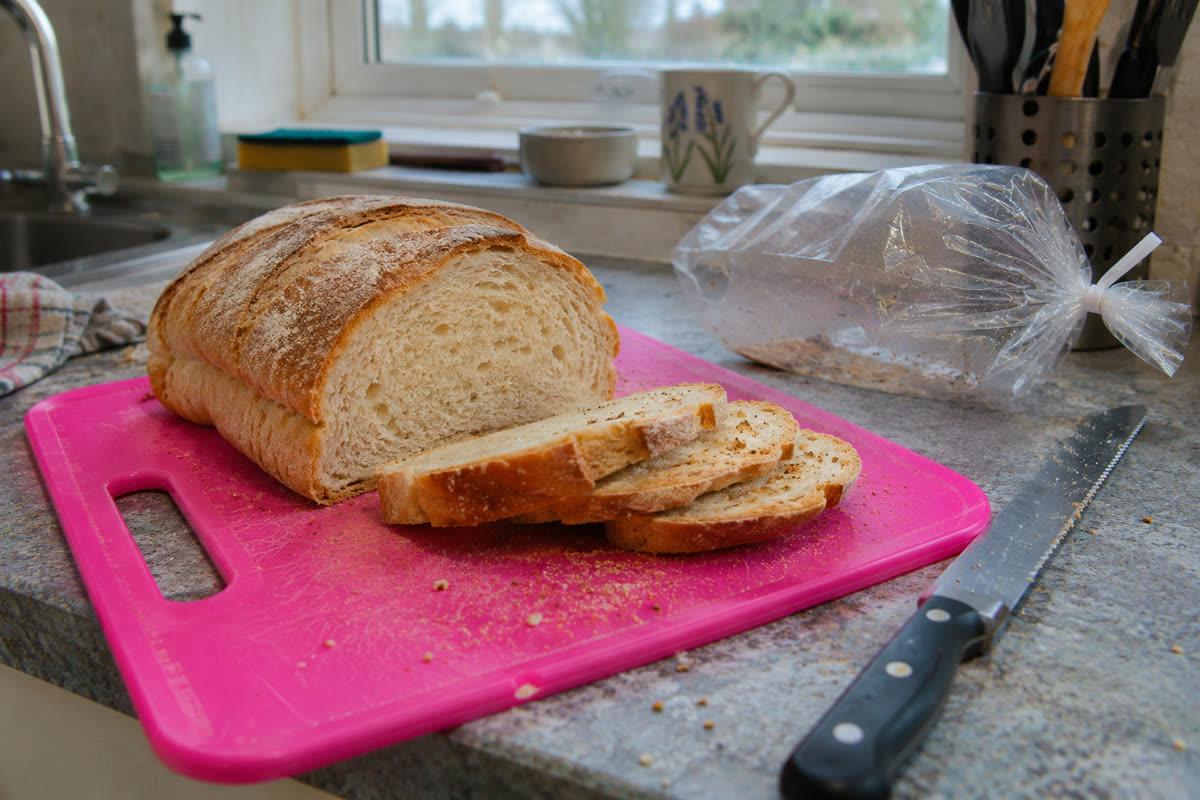 Stomach pain after gluten-free bread: what the label can and cannot tell youWhy gluten-free bread can hurt: ingredients that cause gas, how gluten gets in, a one-change log to tell them apart, and when sources say see a doctor.
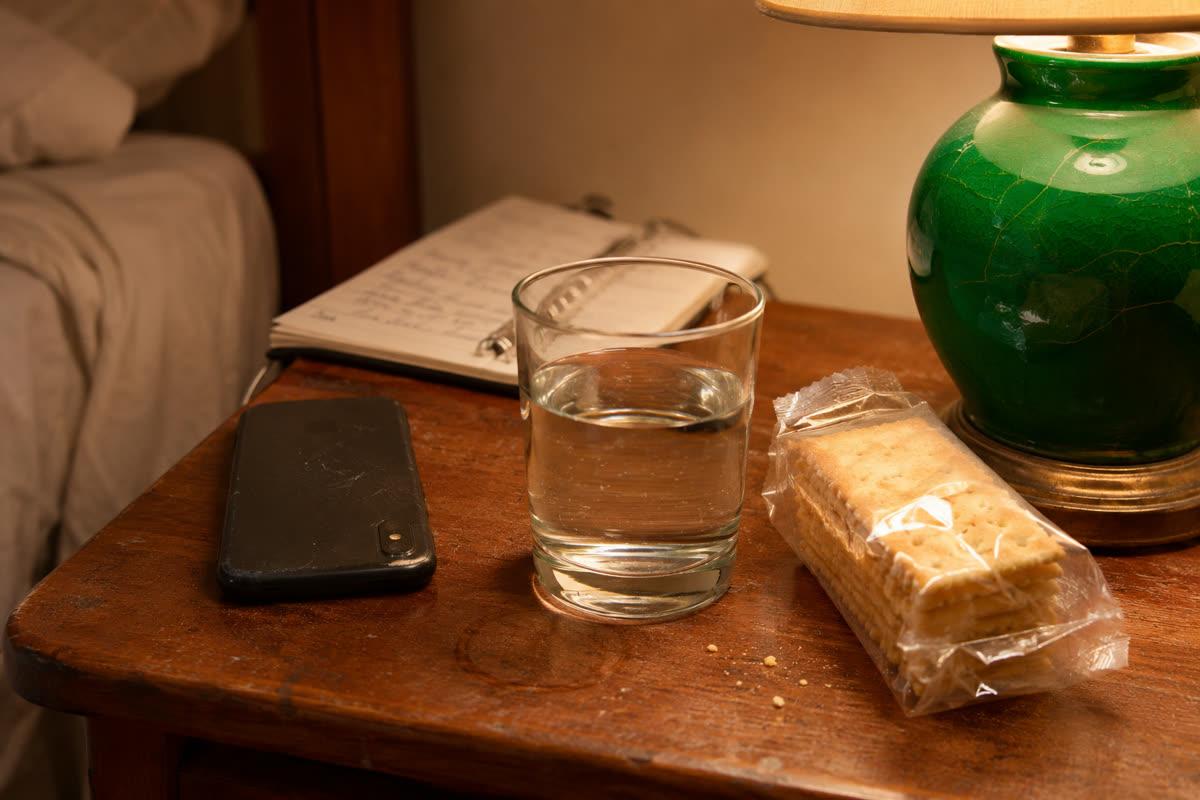 Gluten reaction or food poisoning? What the sources say about telling them apartHow onset, duration, symptoms and warning signs compare for a gluten reaction and food poisoning, and the signs NIDDK and CDC list for seeing a doctor.
 If you think you were glutened: what the celiac organizations say to doWhat the celiac charities, FDA and NIDDK say to do after accidental gluten exposure, when to contact a clinician, and how to trace the cause.
 How long after eating gluten do symptoms start, and how long do they last?Onset and duration after gluten as celiac charities and studies report them, and how sources time celiac disease, gluten sensitivity and wheat allergy.
 Non-responsive celiac disease: what clinicians check, and in what orderWhat guidelines say clinicians check when celiac disease does not settle on the diet: gluten exposure, antibodies, biopsy, other causes.
 Refractory celiac disease: what it is, how rare it is and how it is diagnosedWhat refractory celiac disease is, how rare it is, how type 1 and type 2 differ and why doctors rule out other causes first, per AGA, ACG and BSG.
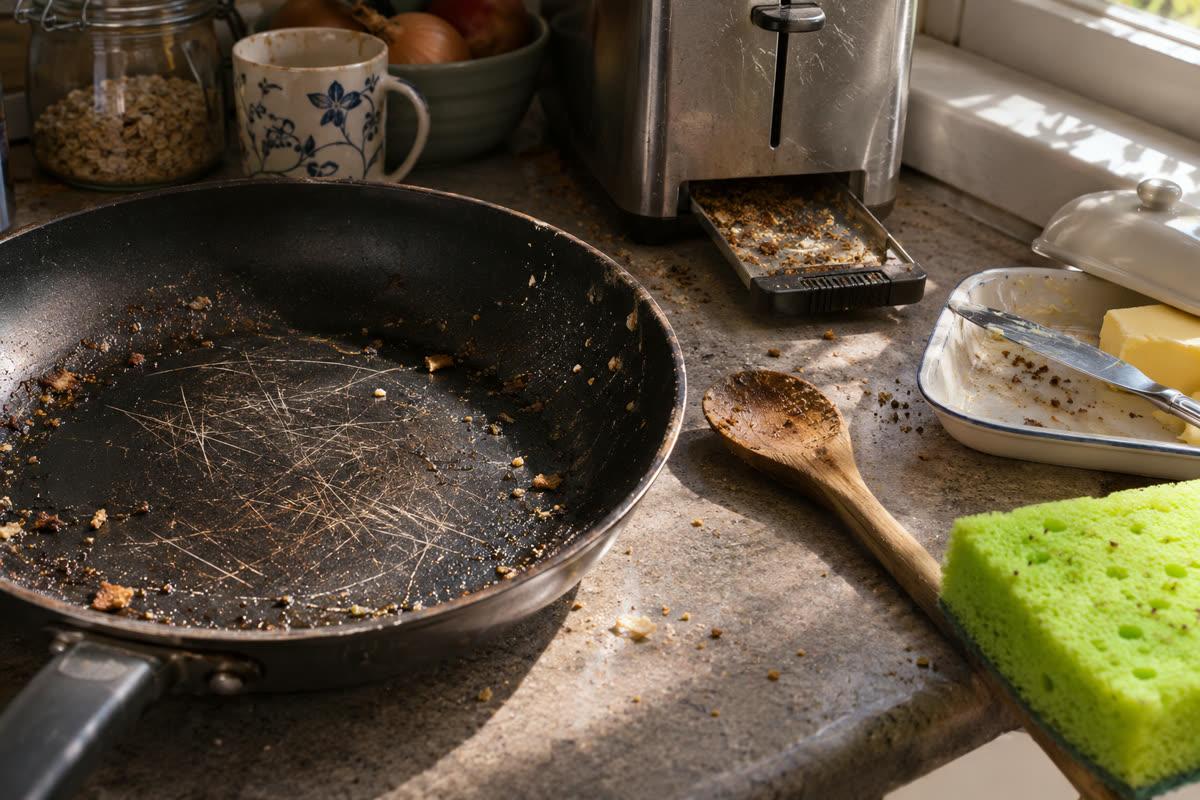 Still having symptoms on a gluten-free diet? Where gluten can still get inA checklist of label, kitchen, restaurant, product and medicine sources of gluten, and what the sources say about when to see a doctor.
 Still tired on a gluten-free diet: the causes clinicians checkWhy fatigue can continue on a gluten-free diet: gluten exposure, other gut conditions, iron, B12, thyroid, sleep, mood, and follow-up lists.
 A food and symptom diary for tracking possible gluten exposureWhat to write in a food and symptom diary on a gluten-free diet, how to read it, a template to copy, and what to bring to a dietitian or doctor.
 How to trace a reaction after a restaurant meal marked gluten-freeHow to work out how gluten reached a restaurant dish, what to ask the kitchen, what to write down, and which agency takes a complaint.
 What happens in the body when a person with celiac disease eats glutenWhat gluten sets off in the small intestine, what challenge studies measured, and why symptoms and damage do not always match.
Related conditions and complications
Conditions linked to celiac disease, as the authorities describe them.
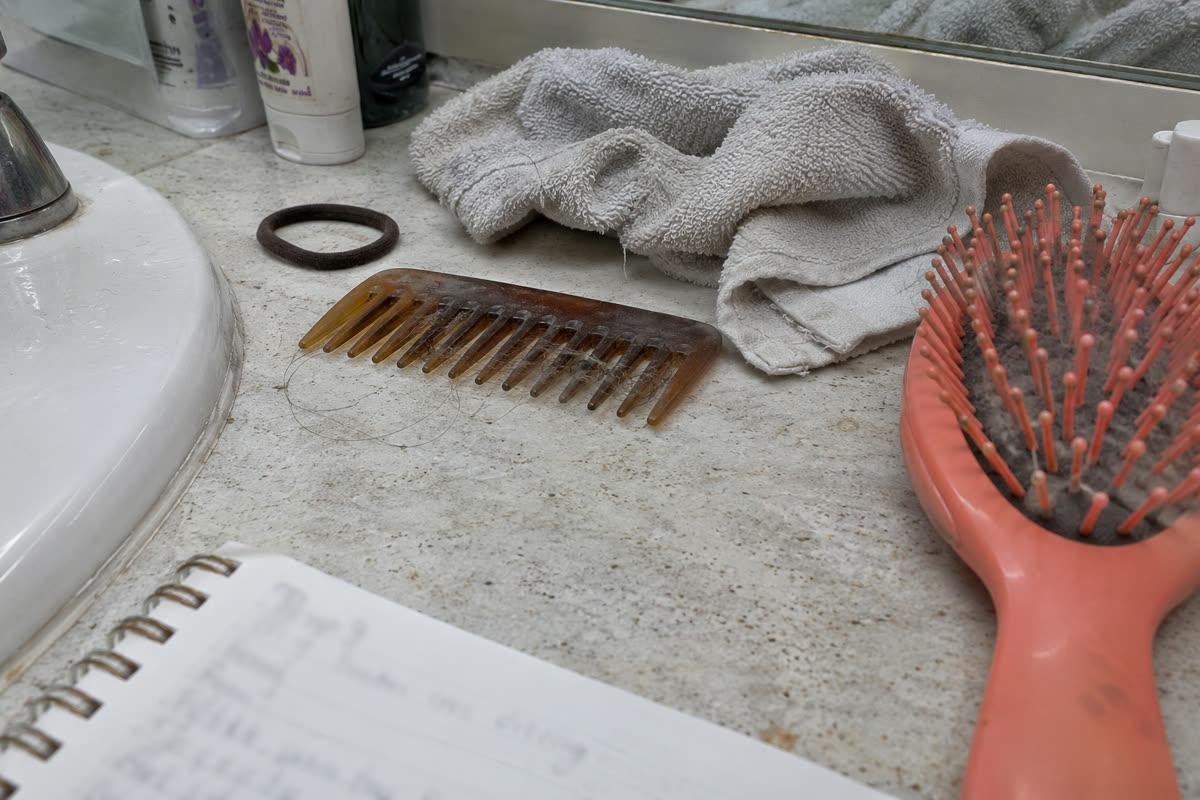 Hair loss and celiac disease: four causes to tell apart and what regrowth looks likeShedding, a nutrient shortfall, thyroid disease and alopecia areata can look alike. What dermatology sources and studies say about each and regrowth.
 Lactose intolerance after a celiac diagnosis: why it happens and how long it lastsWhy lactose intolerance can follow a celiac diagnosis, what published studies report about recovery on a gluten-free diet, and how lactose-free milk fits.
 High liver enzymes and celiac disease: how often, and what else is checkedHow often raised ALT and AST are reported in celiac disease, how often they normalize on a gluten-free diet, and what else gets checked if they do not.
 Celiac disease and other autoimmune conditions: which pairings have testing adviceWhich autoimmune conditions are reported with celiac disease, which have testing advice from named bodies, and which do not.
 Celiac disease and thyroid disease: how they are linked and which tests the guidelines nameHow often celiac and thyroid disease occur together, which tests guidelines name in each direction, and how to check a thyroid tablet’s label.
 Celiac disease and tooth enamel defects: what they are, who gets them, what a dentist can doWhat studies say about celiac disease and enamel defects: when they form, how common they are, what dentists can do, and toothpaste gluten statements.
 Type 1 diabetes and celiac disease: the overlap and the screening guidelinesWhy celiac disease is more common with type 1 diabetes, what the ADA, ISPAD and ACG say about screening and timing, and what to ask the care team.
 Celiac disease and bone density: who is scanned, how to read the report and what recovery looks likeWhen guidelines advise a bone density scan in celiac disease, how a T-score or Z-score is read by age, and what published studies show about recovery.
 Depression, anxiety and celiac disease: what studies report and when to see a clinicianWhat meta-analyses report about depression and anxiety in celiac disease, what is known about the gut-brain link, and when to contact a clinician.
 Iron deficiency anemia and celiac disease: why it appears and what clinicians checkWhy celiac disease causes iron deficiency anemia, what NICE and ACG say about testing, what decides oral or IV iron, and checking a supplement for gluten.
 Celiac disease complications and cancer risk: how to read the numbersWhat NIDDK, Coeliac UK, a 2025 European guideline and Swedish cohort studies report on celiac disease complications and cancer, relative next to absolute.
 Celiac disease, vaccines and the spleen: what the guidance saysWhat published guidance says on hepatitis B vaccine response, reduced spleen function and pneumococcal vaccination in celiac disease.
 Dermatitis herpetiformis: how it is diagnosed and treated, and how other skin conditions link to celiac diseaseWhat NIDDK, Coeliac UK, GIG and published reviews say about dermatitis herpetiformis: the skin biopsy, the diet, dapsone, and weaker skin links.
 Eosinophilic esophagitis and celiac disease: how they differ and how each is diagnosedHow eosinophilic esophagitis and celiac disease differ, what studies report about having both, how each is diagnosed, and how their diets differ.
 Microscopic colitis and celiac disease: how they overlap and how each is diagnosedWhat microscopic colitis is, why a colon biopsy diagnoses it, what studies report about its overlap with celiac disease, and questions to ask.
 SIBO and celiac disease: how often it is found and what testing showsWhat studies report about SIBO in celiac disease, how breath tests work and where they fall short, and and what else is checked when symptoms persist.
Women, pregnancy and babies
Pregnancy, babies and celiac disease, as the authorities describe them.
 Breastfeeding with celiac disease: what studies show about gluten in breast milkWhat studies measured about gluten in breast milk, what ESPGHAN says about breastfeeding and a child’s celiac risk, and what one survey found after birth.
 Celiac disease and infertility: what studies report and what guidelines say about testingWhat meta-analyses report on celiac disease in women with infertility, what ESHRE, NICE and the ACG say about testing, and why a test needs gluten.
 Miscarriage and celiac disease: what studies report and how strong the evidence isWhat pooled studies report about celiac disease and miscarriage, why they cannot show cause, and what ESHRE and ACOG say about testing.
 Celiac disease in women: what research links to periods, fertility and pregnancyWhat reviews and guidelines say about celiac disease and periods, fertility, pregnancy and bones, and where the results differ.
 Periods, menopause, PCOS and celiac disease: which links are documentedWhich period, menopause, hormone, PCOS and endometriosis links studies report for celiac disease, how firm each is, and when agencies advise a clinician.
 Celiac disease and pregnancy: what the research reportsWhat studies report on celiac disease and pregnancy, what charities, NIDDK and the USPSTF say about care and folic acid, and a child's own risk.
 Gluten-free baby food: what the makers’ labels say about wheat, barley and oatsWhat baby cereal, puff, snack and pouch makers print about wheat, barley, oats and gluten, read from their own pages, with the date we read them.
 Reading an infant formula or toddler drink label for glutenWhich words on a formula or toddler-drink label to read for wheat, barley and rye, what makers say about gluten, and what to ask when a page is silent.
 Introducing gluten to a baby when celiac runs in the familyWhat two randomized trials, pooled reviews and pediatric societies found on timing the first gluten, and when family testing is discussed.
 Prenatal vitamins and gluten: how to check the label and the maker’s statementHow to read a prenatal vitamin’s Other Ingredients list and gluten claim, what to ask the maker, and where folic acid and iron advice comes from.
 Starting solids in a home with a celiac family member: kitchen routinesKitchen routines for a baby starting solids when someone at home has celiac disease: crumbs, spreads, towels, spills and hands, from charity guidance.
Gut science, healing and treatment research
How the gut heals and what treatment research is under way.
 Can someone with celiac disease eat gluten again?What NIDDK, the ACG guideline and studies say about eating gluten again with celiac disease, why feeling well is not healing, and who runs a challenge.
 Celiac disease drugs in clinical trials: what each record showsWhat the trial records and published papers show for celiac disease drug candidates, dated, and how to read a phase, a gluten challenge or a headline.
 How long celiac healing takes: symptoms, antibodies and the gut liningWhat studies report on how long symptoms, blood antibodies and the intestinal lining take to recover on a gluten-free diet, and what to ask your care team.
 What gluten does in the gut: celiac disease, wheat allergy and gluten sensitivity comparedHow celiac disease, wheat allergy and non-celiac gluten sensitivity differ in the gut, and why testing comes before cutting out gluten.
 The gut microbiome and celiac disease: what studies have measuredWhat studies have measured about gut bacteria in celiac disease, what probiotic trials found, and what guidelines say, so you can sort a claim.
 What a mail-in gut microbiome or leaky-gut test can say about glutenWhat microbiome, stool and zonulin kits measure, what the NIDDK, a regulator and reviews say about them, and what to ask a seller before paying.
 How celiac disease damages the small intestine, step by stepThe steps from gluten to blunted villi in celiac disease: the genes, the immune response, how damage is graded and which test shows which step.
 How much gluten causes damage: what dose studies show and what 20 ppm meansWhat dose studies in celiac disease measured, how 20 ppm converts to milligrams for a real portion, and what FDA’s limit is and is not.
 Leaky gut and gluten: what the studies measured, and in whomIs “gluten causes leaky gut” true? Sort the claims by evidence: cell and biopsy studies, trials in people, zonulin tests, and what to ask a test seller.
 The repeat biopsy in celiac disease: when guidelines suggest one and what the result meansWhen guidelines suggest a repeat biopsy in celiac disease, what Marsh grades on the report mean, and what the guidelines say follows if damage persists.
 What happens when you stop eating gluten, condition by conditionWhat a gluten-free diet does in celiac disease, dermatitis herpetiformis, wheat allergy, gluten sensitivity and with no diagnosis, with the trials.
Medications, supplements and non-food products
Gluten in medicines, supplements, cosmetics and other non-food products.
 Are vitamins gluten-free? What a bottle’s claim, mark and ingredient list showWhat “gluten-free” on a vitamin bottle rests on (FDA rule, certifier listing or nothing) and how to read Other Ingredients for binders and fillers.
 Children’s medicines, gummies and liquids: reading the ingredients for glutenHow to read a children’s medicine, syrup or gummy for gluten: drug or supplement, which list to read, how to match it on DailyMed, and who to ask.
 Gluten-digesting enzyme pills: what the trials found and what the labels sayWhat the Gluten Intolerance Group says about enzyme pills, what published trials measured, and how to read a capsule's label wording.
 Who regulates a gluten-free claim on pills, cosmetics, toothpaste and pet foodWhich products FDA’s 20 ppm gluten-free rule covers, and what a gluten-free line on a medicine, cosmetic, toothpaste or pet food rests on.
 Gluten in lipstick, lip balm, shampoo and other cosmeticsWhat celiac organisations say about gluten in lipstick, lip balm, shampoo and creams, what the FDA rule covers, and which ingredient names to check.
 Gluten in medications: what the label, DailyMed and a pharmacist can showFDA’s gluten-free food rule does not cover drugs. Use the ingredient list, DailyMed, the maker and a pharmacist, and know what each can show.
 Gluten in toothpaste, mouthwash and floss: what the makers say, and what to ask the dentistToothpaste and mouthwash sit outside FDA’s food gluten-free rule. Read each maker’s own statement, and the questions to ask before a dental visit.
 Gluten and vaccines: how to read the ingredient information yourselfFind a vaccine’s FDA package insert and ingredient list, see what two inserts name, and learn what the lists cannot show.
 How to check a medicine for gluten, from the bottle to the makerFind your exact medicine by NDC in DailyMed, read its inactive ingredients, compare refills, and ask the maker about starch names the label leaves open.
 What gluten wording on an over-the-counter medicine box meansFind the inactive-ingredient line in Drug Facts and see what each kind of gluten wording on an OTC medicine box has behind it, from silence to a mark.
 Probiotics and celiac disease: what reviews say and how to check the labelWhat published reviews and celiac charities say about probiotics in celiac disease, and how to check a probiotic for gluten on the label.
 How to read a supplement label for glutenWhere gluten can hide on a US supplement label: the Supplement Facts panel, the Other Ingredients list and the allergen line, and what each leaves out.
 Supplements for celiac disease: what guidelines test first, and what we found on gut-repair claimsWhat celiac guidelines ask clinicians to test, how supplements follow a result, and which gut-repair claims we found no celiac trial for.