Talking to your child’s teacher about celiac disease: a script, a one-page sheet and the classroom questions
Short answer
Say five things out loud, then hand over a written page1. If talking is not enough, a 504 plan can be the next step2.
- What your child cannot eat: wheat, barley, rye and anything made from them3, and oats unless the package says gluten-free or carries a gluten-free certification mark, because GIG says oats without either may not be gluten-free4.
- What counts as cross-contact: gluten-containing food touching gluten-free food5, which is why GIG asks for clean plates, bowls, utensils and hands when preparing food6.
- What the teacher does if your child feels ill, when to send your child to the nurse, and unrestricted bathroom access7.
- Which activities involve food or craft supplies: parties, field trips, school events, art supplies and cooking classes8.
- A request for notice before any food activity, ideally a week, so you can send something to match9, 17.
Part of Kids, school, college and family, 21 guides

Key points
- Keep the teacher’s sheet to one page: the diagnosis, what your child cannot eat, what to do if your child feels ill, when to use the nurse and which activities involve food7, 8.
- Cross-contact is the habit to teach: clean plates, utensils and hands when preparing food6, and watching for food sharing10.
- Crafts count. GIG’s bulletin for teachers flags paste-type glues and Play Dough as items to investigate11.
- GIG suggests a snack box or a container of treats kept in the classroom for parties12, 13.
- GIG says talking with school staff can sometimes be sufficient, with a 504 plan as a possible next step2. School meals have their own federal rule and paperwork14.
The two-minute script for the first meeting
Say these five things in this order, then hand over the page described in the next section. Change the words, keep the order. The numbers point to the sources listed below the guide; leave them out when you speak.
- “[Child] has celiac disease, so a strict gluten-free diet is a medical requirement15.”
- “Gluten is in wheat, barley and rye and in anything made from them3. Unless the oats package says gluten-free or carries a gluten-free certification mark, oats may not be gluten-free4.”
- “Even a very small amount of gluten can cause medical problems16, so when [Child]’s food is prepared, please use a clean plate, clean utensils and clean hands6. Cross-contact is gluten-containing food touching gluten-free food5.”
- “If food is coming into the classroom, or the class will prepare food, please tell me ahead of time so I can send something to match9. A week’s notice would let me plan17.”
- “Here is a sheet with what to do if [Child] feels ill and when to send [Child] to the nurse, and here is my number1.”
Two minutes is enough for that. The rest goes on paper: the Gluten Intolerance Group (GIG) advises putting everything you want school staff to know in writing, for your child’s file18, and a letter from your child’s doctor belongs with it when there is a medical reason for the diet19.
If the teacher asks, “Is it an allergy?”
A teacher used to food allergies may ask whether this is one. The National Institute of Diabetes and Digestive and Kidney Diseases (NIDDK) describes celiac disease as a chronic digestive and immune disorder triggered by eating gluten20. It also says celiac disease is different from a wheat allergy: some wheat-allergy symptoms, such as itchy eyes or a hard time breathing, differ from those of celiac disease21.
Leave medical specifics to your child’s doctor. GIG suggests attaching the doctor’s letter to what you give the teacher19.
The one-page teacher sheet
GIG’s back-to-school guide lists what to tell a child’s teachers when there is no 504 plan1. Copy the table into a document, fill in the right-hand column for your child and keep it to one page.
| Heading | What to write under it |
|---|---|
| Diagnosis | Celiac disease, if that is your child’s diagnosis. GIG puts the diagnosis first in its list of what to tell a teacher7. |
| What your child cannot eat | Wheat, barley, rye and anything made from them3. Oats unless the package says gluten-free or carries a certification mark, since GIG says oats without either may not be gluten-free4. |
| Cross-contact | Clean plates, bowls, utensils and hands when your child’s food is prepared6. |
| If your child feels ill | The reactions your child usually has and what you want the teacher to do7. GIG’s sample letter also asks for unlimited restroom access22. |
| When to go to the nurse | Say when you want your child sent to the nurse7. |
| Food kept at school | Where your child’s snack box or treat container is, and that your child may reach their own supply as needed23. |
| Food and craft activities | A request for notice, ideally a week, before any activity involving food9, 17. Name the situations GIG lists: classroom parties, field trips, school events, art supplies and cooking classes8. |
| Who to call | Your phone number, and a second adult if you have one. |
GIG also posts editable Word and fill-in PDF letters24: one for teachers and administrators at elementary level, one for middle and high school, one for the school nurse and one for field trips25.
A child too young to explain the diet can carry a card. GIG suggests a card in the backpack that the child can hand to a teacher or another trusted adult26. Keep it to two or three lines.
Cross-contact in the classroom, without a lecture
One sentence covers it: NIDDK defines cross-contact as what happens when foods or products that contain gluten come into contact with gluten-free foods5. In a classroom that comes down to three habits.
- Food stays with its owner. GIG’s bulletin tells teachers to watch for food sharing, because children frequently share food10. For parents, GIG says to remind the child not to share lunch and not to accept food from other children27.
- Clean plate, utensils and hands. GIG’s sample elementary letter asks for them when preparing food and calls cross-contact an all-too-common way to be exposed to gluten6.
- Wash hands with soap and water, or use wipes. A GIG article by a registered dietitian says commercial wet wipes, detergent on a wet cloth, and soap and water remove food proteins, while hand sanitizer and dry towels are often found to leave residue behind28.
Classroom activities to ask about, one at a time
GIG’s list of situations to flag for a teacher is parties, field trips, school events, art supplies and food-related classes8. Coeliac UK, a UK charity, tells teachers not to forget school trips, celebrations and cookery classes29. Ask about each in turn rather than handing over a long list.
| Activity | What to ask | What the charities say |
|---|---|---|
| Birthday treats and surprise celebrations | Can a labeled treat or snack box stay in the classroom? | GIG’s sample letter suggests a container of gluten-free treats kept on hand in the classroom13. Its back-to-school article suggests a snack box the teacher can pull out at a moment’s notice12. |
| Class snacks and parties | Will you tell me the menu ahead of time? | GIG suggests asking the teacher what is on the menu in advance when food is the focus of a party30, and asking for at least a week’s notice of any food activity17. |
| Candy and other reward food | Is food ever used as a reward, and can I send an alternative? | NIDDK says gluten may be found in a variety of foods, including candy31. GIG’s bulletin lists some candies and chewing gum among common products with gluten32. |
| Art and craft supplies | Which glues, doughs, paints and kits will the children handle? | GIG’s bulletin says paste-type glues and Play Dough are potential hazards and should be investigated11. Its 504 page names certain play doughs, paints, glues, papier-mâché (wheat flour-based) and dried pasta33. Its sample letter asks staff to check labels on any substance that could be inadvertently eaten34. |
| Cooking and culinary classes | Can I see the recipe in advance, and can my child make a gluten-free version? | GIG names family and consumer sciences or a culinary class among situations where food is present8. Its sample letter asks to be told ahead of time about food-preparation assignments so a similar item can be brought9. |
| Assemblies, pep rallies and other school events | Will food be served, and who runs it? | GIG lists school-sponsored events such as assemblies and pep rallies among the situations to flag8. |
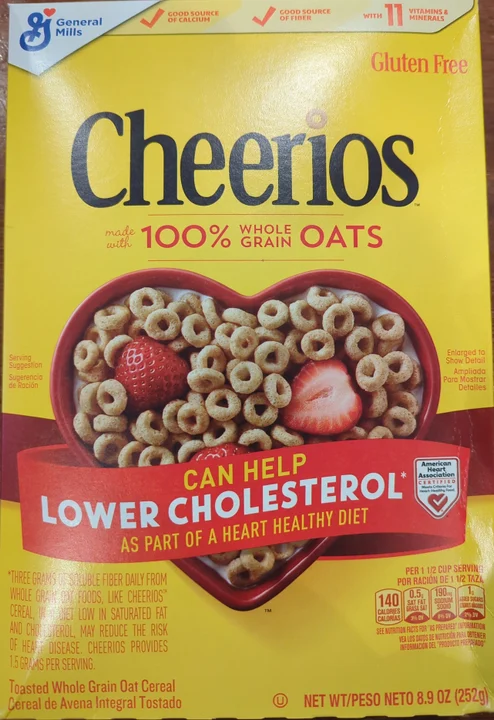
If the class snack is cereal or bread, the answer depends on the exact product. Our verdicts on Cheerios and bread show what we read and the dates we read it.
A template email to send before the first day
This email makes three requests and attaches the sheet. It leaves the gluten facts to the sheet, so there is nothing in it to go out of date. Replace the bracketed words.
Subject: [Child]’s medical diet: one-page sheet for the classroom
Dear [Teacher], I’m [Parent], [Child]’s parent. [Child] has celiac disease and has to eat gluten-free for medical reasons. I’ve attached a one-page sheet with what to avoid, what to do if [Child] feels ill, and how to reach me. [The school nurse has a copy of the doctor’s letter.]
I have three requests:
- When an activity will involve food, could you tell me ahead of time, ideally a week, so I can send something to match?
- Could we keep a labeled box of [Child]’s snacks in the classroom for surprise treats?
- Before the class uses play dough, paste or other craft supplies that children might put in their mouths, could you let me read the labels or check with me?
Could we talk for five minutes in the first week? I’m at [phone]. Thank you for helping [Child] take part in everything. [Parent]
Copy the school nurse on it, and any aide who will be in the room. GIG advises briefing each person you bring onto the team35.
The school nurse and what goes in the plan
GIG suggests a one-page sheet for the nurse as well36. Its list, in our order:
- Whether your child has celiac disease or gluten sensitivity, and what reactions your child shows if “glutened”37.
- What you want the nurse to do about those reactions37.
- Which medications, if any, your child may take to ease a reaction37. If you want the nurse to hold medication, GIG says to ask about the school’s procedures and paperwork38.
- The doctor’s letter. GIG’s sample nurse letter encloses one, asks the nurse to keep it on file and gives permission to pass a copy to anyone at the school who needs it39.
- A request to be told if your child makes frequent trips to the nurse’s office with stomach or intestinal upset or other symptoms of gluten exposure40.
If your child has a 504 plan, GIG says the nurse should be automatically included in planning and present for all meetings41.
GIG’s bulletin for teachers says the severity of symptoms will vary but is not likely to escalate to a state of emergency requiring medical intervention, and that parents should be notified if gluten is ingested42. What else the plan says is for your child’s doctor to decide.
In the UK, Coeliac UK says a school should arrange an individual healthcare plan with the child’s parents or carers, teachers, catering staff and school leadership43.
Substitute teachers and field-trip chaperones
These are the adults who meet your child with no briefing. GIG notes that school meals, classroom parties and field trips are situations where a parent cannot be there to help monitor what the child eats44.
- Substitutes: ask the teacher to keep the sheet and the treat box where a substitute will find them.
- Aides and other staff: GIG’s list of people to brief includes a teacher’s assistant and adults supervising or chaperoning extracurricular activities45.
- Field trips: GIG’s sample field-trip letter is addressed to staff and any adults present on the trip or off-campus activity46. GIG’s article says to plan with teachers and trip chaperones so that you know what your child can eat and what they should avoid47.
The check-in a month in
Book it at the first meeting, for about a month in. Ask the teacher what came up, what was hard, and what the sheet should add.
Ask your child as well. GIG suggests asking what you can do to make school days less stressful around gluten-free eating and potential exposure48. If bullying or ridiculing about the diet has been an issue, GIG says to raise it with the teacher and the school administrator49.
If something did go wrong, write it down and send it to the people involved. For a 504 plan that is not being followed, GIG’s advice is to document everything and send the stakeholders a letter explaining what happened so it can be prevented in the future50.
When talking is not enough: the 504 plan and the meal statement
GIG says that simply communicating with teachers, the school nurse, administrators and food service staff can sometimes be sufficient, and that a 504 plan can be the next step if it is not2.
School lunch has its own federal rule. A school food authority must make meal modifications for children with a disability whose disability restricts their diet, at no additional cost to the child or household51. When a modified meal does not meet the meal pattern, reimbursement requires a written medical statement signed by a State licensed healthcare professional, and a statement signed by a registered dietitian must also be accepted14. The steps, the paperwork and where to complain are in our guide to the 504 plan and school meal rules.
Verdicts in this guide

Questions people ask
Does my child need a 504 plan before I talk to the teacher?
No. GIG says to give teachers background about the condition when there is no 504 plan1, and that communicating with the teachers, nurse and school staff can sometimes be sufficient, with a 504 plan as a possible next step if not2.
Who else should get the sheet?
Besides the teacher and the school nurse, GIG’s list of people to brief includes a school administrator, a guidance counselor, the administrator of a 504 plan, a teacher’s assistant and adults supervising or chaperoning extracurricular activities45.
What if my child is too young to explain the diet?
GIG suggests a card in the backpack that the child can hand to a teacher or another trusted adult26.
More in Kids, school, college and family
 Your child has celiac disease: a first-week plan for the kitchen, labels, school and talking to your childThe first week after a child’s celiac diagnosis, in order: the diet plan, first labels, kitchen, two school routes, talking to your child and follow-up.
 A 504 plan and school meal rules for celiac disease: what to ask for and where to complainMeal substitution or a 504 plan for a child with celiac disease: what each rule says, what the medical statement must hold, and where to complain.
 A care sheet for the babysitter or grandparent of a child with celiac diseaseA one-page care sheet for a babysitter or grandparent: the checked foods, the kitchen cross-contact points, what to do after an exposure, and whom to call.
 Gluten-free school lunches and classroom snacks: a checklist for parentsHow to prove each lunchbox item, read a snack label for oats, malt and wheat, brief the teacher, and when the school cafeteria is the better route.
 A gluten-free care plan for daycare and preschoolWrite a one-page gluten-free care plan for daycare or preschool, ask the right questions on a tour, and see which government rule covers each program.
 Teaching a child to read gluten-free labels, one skill at a timeFour label skills to teach a gluten-free child in order, a cupboard practice game, and the questions an adult still answers.
Related guides
 Play-Doh, paste and art supplies: what the makers say about wheatWhat Hasbro and Crayola say about wheat in dough and craft supplies, what one school study measured, and what to ask the teacher.
 Your child ate gluten at school: what to record, what to email, what to ask forWhat the sources say about a school gluten exposure: celiac versus wheat allergy, what to record, a follow-up email template and what to ask for.
 Gluten cross-contact at home: where it happens and what to do about itHow gluten reaches gluten-free food at home, whether to separate, wash or ask for each route, and which rules have lab data behind them.
 Your first 30 days after a celiac diagnosis: a week-by-week planA week-by-week plan for the first month after a celiac diagnosis: label rules, kitchen changes, a dietitian, follow-up tests and questions for your doctor.
Sources
- [1, 2, 7, 8, 18, 19, 26, 35, 36, 37, 38, 41, 45, 48, 49] Gluten Intolerance Group, Building Your Back-to-School Team, checked Nov 17, 2026.
Read on 2026-11-17: the list that follows that sentence names whether the child has a celiac disease diagnosis or gluten sensitivity; what reactions the child exhibits if “glutened”; what actions the teacher should take if the child exhibits those reactions; when sending the child to the school nurse is warranted; and special bathroom access without restriction.
Read on 2026-11-17: the list that follows “a list of situations where gluten could be an issue” names classroom parties; field trips; school-sponsored events (like assemblies and pep rallies); arts and crafts supplies; and other situations where food is present or served (such as family and consumer sciences, formerly known as Home Ec., or a culinary class).
Read on 2026-11-17: the list that follows that sentence names whether the child has a celiac disease diagnosis or gluten sensitivity; what reactions the child exhibits if “glutened”; what actions the school nurse should take; and what medications, if any, the child should be allowed to take to alleviate adverse reactions.
Read on 2026-11-17: the list headed “Other Team Members” names a school administrator; a school guidance counselor; the administrator of your child’s 504 Plan; a teacher’s assistant (TA); adults supervising or chaperoning extracurricular activities; parents of classmates; and supportive classmates and friends.
- [3, 4, 6, 16, 22, 23, 34] Gluten Intolerance Group, Sample school letter to teachers, elementary (PDF), checked Nov 17, 2026.
- [5, 31] National Institute of Diabetes and Digestive and Kidney Diseases (NIDDK), Eating, Diet, & Nutrition for Celiac Disease, checked Nov 17, 2026.
- [9, 13] Gluten Intolerance Group, Sample letter to teachers, celiac disease, elementary (PDF), checked Nov 17, 2026.
- [10, 11, 15, 32, 42] Gluten Intolerance Group, Understanding Your Gluten-Free Student (educational bulletin for teachers), checked Nov 17, 2026.
Read on 2026-11-17: the list headed “Common products with gluten” names bread products, cereals, crackers and pasta; pastries, donuts, cookies, cakes, and other desserts; many snack foods; some candies and chewing gum; finger paints; Play Dough and some crayons; and some paste/glue.
- [12, 27, 30, 47] Gluten Intolerance Group, Acing the School Year, Easy as 1-2 Gluten-Free, checked Nov 17, 2026.
- [14, 51] US Department of Agriculture (rule text via eCFR), 7 CFR 210.10, Meal requirements for lunches and requirements for afterschool snacks, checked Nov 17, 2026.
- [17] Gluten Intolerance Group, No Gluten, No Problem: A Parent’s Guide to School Year Eating, checked Nov 17, 2026.
- [20, 21] National Institute of Diabetes and Digestive and Kidney Diseases (NIDDK), Definition & Facts for Celiac Disease, checked Nov 17, 2026.
- [24, 25, 44] Gluten Intolerance Group, School Letters, checked Nov 17, 2026.
Read on 2026-11-17: the list headed “The letters included here are:” names a school letter to teacher and administrators for elementary school; one for middle and high school; a school letter for the nurse; and a school field trip letter.
- [28] Gluten Intolerance Group, Navigating School Parties and Community Events This Fall, checked Nov 17, 2026.
- [29, 43] Coeliac UK, Guidance for teachers and support staff, checked Nov 17, 2026.
- [33, 50] Gluten Intolerance Group, Your Child’s 504 Plan (school page, updated July 15, 2021), checked Nov 17, 2026.
- [39, 40] Gluten Intolerance Group, Sample school letter to the school nurse (PDF), checked Nov 17, 2026.
- [46] Gluten Intolerance Group, Sample school field trip letter (PDF), checked Nov 17, 2026.