Soy, hoisin, oyster, teriyaki and fish sauce: which bottles carry wheat
Short answer
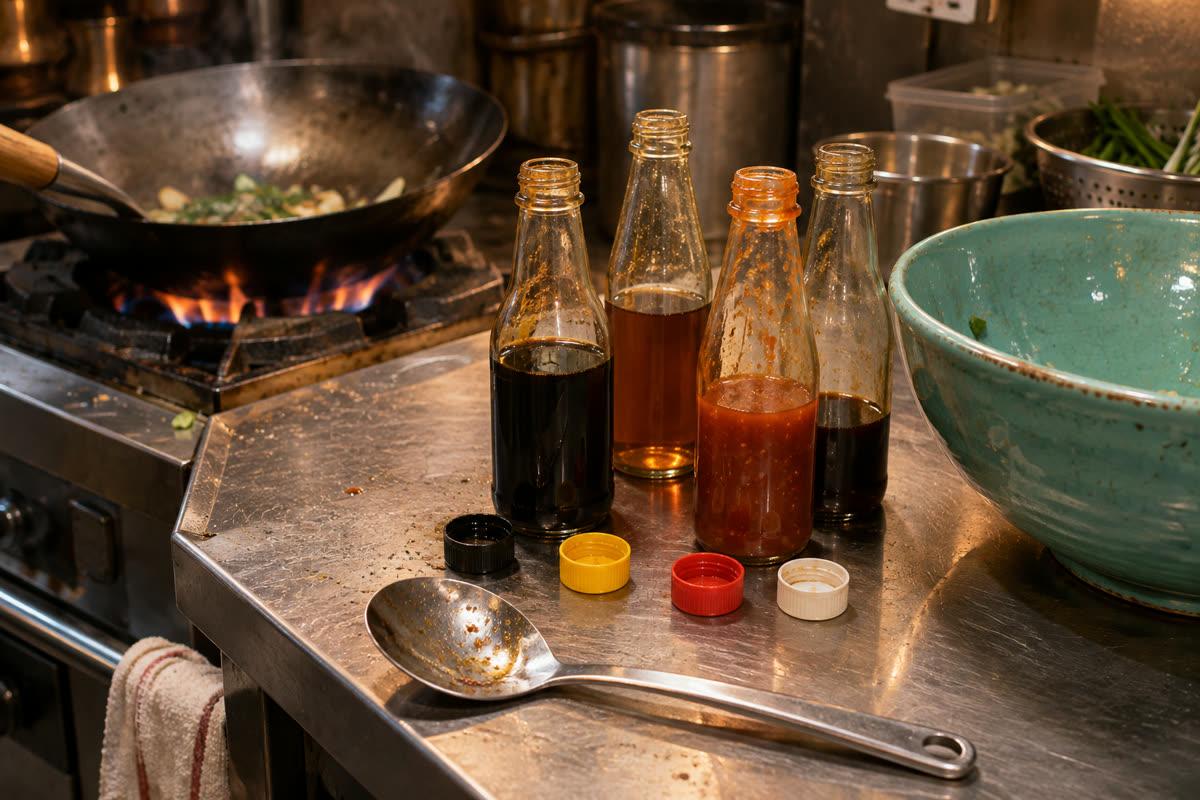
Soy sauce is ordinarily made from soybeans and wheat1, and for hoisin, oyster, teriyaki and fish sauce the bottle in your hand decides. What the bottles we read showed:
- Soy sauce: Kikkoman’s regular bottle lists wheat2; its gluten-free bottle swaps wheat for rice3, and San-J’s tamari lists soybeans, salt and alcohol, with no wheat4.
- Hoisin: Lee Kum Kee’s regular jar lists wheat flour5 and Kikkoman’s lists a soy sauce made with wheat6; each maker also sells a labeled gluten-free hoisin7, 8.
- Oyster sauce: Lee Kum Kee’s Panda Brand lists wheat flour9, Kikkoman’s regular bottle lists none10, and both makers sell a labeled gluten-free one11, 12.
- Teriyaki: Kikkoman’s regular bottle lists soy sauce made with wheat13; Kikkoman’s gluten-free version and San-J’s teriyaki carry gluten-free claims14, 15.
- Fish sauce: neither the Kikkoman nor the Red Boat bottle we read lists wheat; Red Boat’s lists anchovy and sea salt, Kikkoman’s adds sugar and water16, 17.
Part of Hidden gluten in ingredients, sauces and processed foods, 21 guides
Key points
- A maker can sell a regular and a gluten-free bottle of the same sauce, and FDA says a maker’s “gluten-free” claim on some of its foods does not mean every food it makes is free of gluten18.
- In the bottles we read, wheat entered two ways: as the brewing grain in soy sauce, and as wheat flour in the ingredient list, as in Lee Kum Kee’s regular hoisin and oyster sauces19, 5, 9.
- Kikkoman’s regular teriyaki and hoisin list a soy sauce made with wheat, so the wheat comes in through that line13, 6.
- Tamari is not automatically wheat-free: San-J says some tamari brands can contain wheat20.
- FDA’s gluten-free rule applies to packaged foods; for a restaurant’s “gluten-free” menu line, FDA recommends consistency with its definition21.
Five sauces, one question
Gluten Intolerance Group names soy sauce as one of the wheat-based ingredients in many traditional Asian dishes22. The other four bottles in the Asian aisle (hoisin, oyster, teriyaki and fish sauce) raise the same question, and the name on the front does not answer it. The ingredient list does.
A “gluten-free” claim is the quickest signal. FDA’s rule makes the claim voluntary23. On a food that carries it, no wheat, barley or rye can be an intentional ingredient unless it was processed to remove gluten24, and any unavoidable gluten must stay under 20 ppm25. Without the claim, read the list.
A maker’s name is not enough either. FDA says a manufacturer may make foods that are “gluten-free” and foods that contain gluten18, and Kikkoman and Lee Kum Kee do exactly that in the sections below: a regular and a gluten-free version of the same sauce, each with its own ingredient list.
Why is there wheat in soy sauce?
Kikkoman says wheat is a traditional ingredient in soy sauce brewing, that it develops the sauce’s color and flavor during fermentation, and that it also contains gluten19. FDA describes soy sauce the same way: ordinarily a fermented mixture of soybeans and wheat1.
San-J gives the split between styles: shoyu is typically brewed with about equal parts soybeans and wheat, while tamari is brewed with all soybeans or only very small amounts of wheat26. The same page adds that some tamari brands can contain wheat20.
That brewing step is why the other sauces matter: a sauce made with a wheat-brewed soy sauce inherits it13, 6, and some bottles add wheat flour as a separate ingredient, so a sauce with no soy sauce in it can still list wheat9.
We keep a verdict for each: soy sauce, hoisin sauce, oyster sauce, teriyaki sauce and fish sauce.
Soy sauce: the regular and the gluten-free bottle
Kikkoman’s regular soy sauce lists water, soybeans, wheat and salt2. Lee Kum Kee’s Premium Soy Sauce lists wheat flour27, and San-J’s Organic Shoyu is brewed with soybeans and wheat28.
The gluten-free bottles take two routes:
- Rice for wheat: Kikkoman’s Gluten-Free Soy Sauce swaps wheat for rice3.
- Tamari: Kikkoman’s Gluten-Free Tamari is made from water, soybeans, salt and sugar29, and San-J’s Tamari lists water, soybeans, salt and alcohol, and says it is verified by the Gluten-Free Certification Organization4.
Kikkoman says its gluten-free products are certified at less than 10 ppm by the Gluten Free Certification Organization30. FDA’s own limit for a gluten-free claim is less than 20 ppm25.
Hoisin sauce
Two regular jars, two routes to wheat. Lee Kum Kee’s Hoisin Sauce lists wheat flour inside its fermented soybean paste5. Kikkoman’s Hoisin Sauce has no wheat flour but lists a soy sauce made with wheat6.
The gluten-free versions change exactly that line. Lee Kum Kee’s Gluten-Free Hoisin lists fermented soybean paste made with corn starch in place of wheat flour5, 7, and Kikkoman’s lists a soy sauce of water, soybeans, salt and sugar and carries a Certified Gluten-Free line8. San-J lists a certified gluten-free hoisin in a food-service size31.
Our full read is on the hoisin sauce verdict.
Oyster sauce
Oyster sauce is the one where the maker matters most. Lee Kum Kee’s Panda Brand Oyster Flavored Sauce lists wheat flour9. Kikkoman’s regular Oyster-Flavored Sauce lists no wheat10, but its page makes no gluten-free claim32, so it is a bottle to read rather than a bottle that says it is gluten-free.
Both makers sell a labeled gluten-free bottle: Lee Kum Kee’s Panda Brand green label11 and Kikkoman’s Gluten-Free Oyster-Flavored Sauce, which carries a Certified Gluten-Free line12. Gluten Intolerance Group also lists oyster sauce among the Asian sauces that come in a gluten-free version, including GFCO-certified products33.
See the oyster sauce verdict for the bottles we compared.
Teriyaki and stir-fry sauces
Kikkoman’s Teriyaki Marinade & Sauce lists a soy sauce made with wheat and carries a Contains: Soy, Wheat statement13. Where a teriyaki sauce lists soy sauce, the wheat question moves to that line.
Two labeled versions we read: Kikkoman’s Gluten Free & Less Sodium Teriyaki Marinade & Stir-fry Sauce, whose soy sauce is water, soybeans, salt and sugar14, and San-J’s Teriyaki Sauce, made on tamari and certified gluten-free by GFCO, according to San-J15.
The same check works for any bottle sold as a stir-fry, glaze or marinade sauce: find the soy sauce line, then look for wheat or wheat flour. The Celiac Disease Foundation lists marinades among foods that may contain soy sauce and must be checked on the label or with the maker34, 35. For barbecue-style bottles, see our BBQ sauce and marinade label check.
The teriyaki sauce verdict has the bottles we read.
Fish sauce
Fish sauce is the odd one out. San-J describes it as fish or krill fermented in salt36, and the two bottles we read list anchovy and sea salt: Kikkoman’s adds sugar and water and carries a Certified Gluten-Free line16; Red Boat’s 40°N lists anchovy and sea salt only17.
Red Boat says its fish sauces do not contain any wheat or wheat by-products and are produced in a gluten-free facility37. It does not say that on the same terms for every product: its Vietnamese Lemongrass Curry, Spicy Lemongrass Curry and Sweet & Savory Simmer Sauce are produced in a facility that uses wheat38. Other fish sauce brands may differ, so the ingredient list still decides.
See the fish sauce verdict.
Side by side: ingredient lines and claims we read
| Sauce | Regular bottle: wheat in the ingredient list? | Labeled gluten-free bottle |
|---|---|---|
| Soy sauce | Kikkoman: wheat2. Lee Kum Kee Premium: wheat flour27. San-J Organic Shoyu: wheat28. | Kikkoman Gluten-Free Soy Sauce (rice for wheat)3; Kikkoman Gluten-Free Tamari29; San-J Tamari4. |
| Hoisin sauce | Lee Kum Kee jar: wheat flour5. Kikkoman: soy sauce made with wheat6. | Lee Kum Kee Gluten-Free Hoisin7; Kikkoman Gluten-Free Hoisin8; San-J hoisin, food-service size31. |
| Oyster sauce | Lee Kum Kee Panda Brand: wheat flour9. Kikkoman: no wheat listed, no gluten-free claim on the page10, 32. | Lee Kum Kee Panda green label11; Kikkoman Gluten-Free Oyster-Flavored Sauce12. |
| Teriyaki sauce | Kikkoman Teriyaki Marinade & Sauce: soy sauce made with wheat13. | Kikkoman Gluten Free & Less Sodium Teriyaki14; San-J Teriyaki15. |
| Fish sauce | Neither bottle we read lists wheat: Kikkoman16, Red Boat17. | Kikkoman Gluten-Free Fish Sauce16; Red Boat says no wheat or wheat by-products37. |
Makers change recipes, so treat this table as a dated reading of the pages, not as a promise about the bottle in your pantry.
What to ask at a restaurant counter
The bottle you trust at home does not follow you to a restaurant. FDA’s gluten-free rule applies to packaged foods, and for restaurants that make a “gluten-free” claim on a menu it recommends they be consistent with its definition21. Gluten Intolerance Group advises calling ahead to confirm gluten-free ingredients and sauces are used, that the gluten-free standard is understood, and that cross-contact is avoided39. The Celiac Disease Foundation adds that soy sauce marinades are a point of caution when eating out, even on naturally gluten-free tofu40.
Questions that put that into practice:
- Which sauces go into my dish? Name them: soy, hoisin, oyster, teriyaki, fish, and any “house sauce” or glaze.
- Is any of them poured from a bottle labeled gluten-free? Ask to read the label, not just hear the answer.
- Is a regular bottle used anywhere else in the dish, such as the marinade, the wok or a glaze brushed on at the end?
- Are the sauces added in the wok or at the table, and are the pan and utensils clean of the regular sauces?
A gluten-free hoisin does exist in a food-service size, as San-J’s case of six 64-ounce containers shows31, but whether a given kitchen buys it is a question only that kitchen can answer.
Our verdicts for related dishes: fried rice, pad thai, orange chicken, poke and sushi. For a cuisine’s full ordering list, see our guides to Chinese, Japanese and Thai restaurants, and to miso, gochujang and other fermented pastes.
Verdicts in this guide
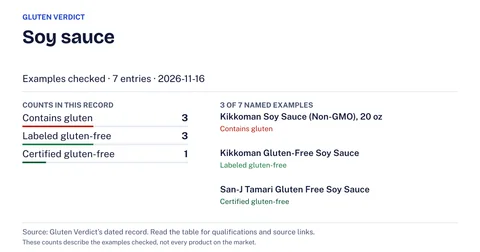 Soy sauceDepends on the product3 of 7 products we checked contain gluten: Kikkoman Soy Sauce (Non-GMO), 20 oz; San-J Organic Shoyu Soy Sauce; and Lee Kum Kee Premium Soy Sauce (No Preservatives Added)checked Nov 16, 2026
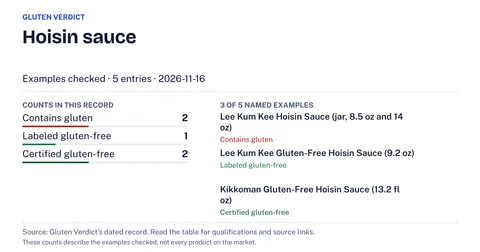 Hoisin sauceDepends on the product2 of 5 products we checked contain gluten: Lee Kum Kee Hoisin Sauce (jar, 8.5 oz and 14 oz) and Kikkoman Hoisin Sauce (9.3 oz)checked Nov 16, 2026
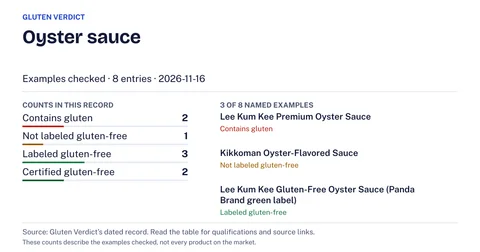 Oyster sauceDepends on the product2 of 8 products we checked contain gluten: Lee Kum Kee Premium Oyster Sauce and Lee Kum Kee Panda Brand Oyster Flavored Saucechecked Nov 16, 2026
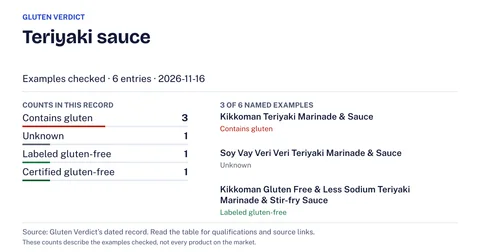 Teriyaki sauceDepends on the product3 of 6 products we checked contain gluten: Kikkoman Teriyaki Marinade & Sauce, Kikkoman Teriyaki Marinade & Stir-fry Sauce – Roasted Garlic, and Kikkoman Teriyaki BBQ Sauce – Originalchecked Nov 16, 2026
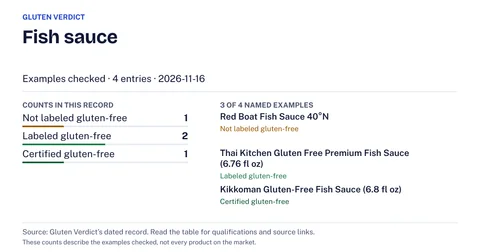 Fish sauceDepends on the productchecked Nov 16, 2026
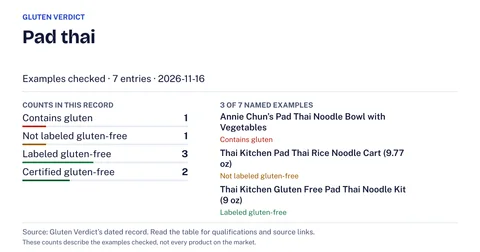 Pad thaiDepends on the product1 of 7 products we checked contains gluten: Annie Chun’s Pad Thai Noodle Bowl with Vegetableschecked Nov 16, 2026
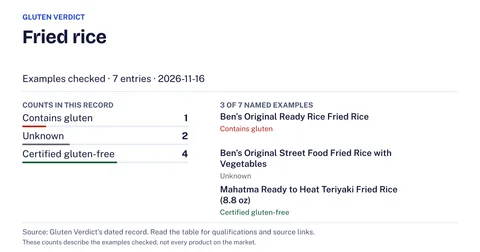 Fried riceDepends on the product1 of 7 products we checked contains gluten: Ben’s Original Ready Rice Fried Ricechecked Nov 16, 2026
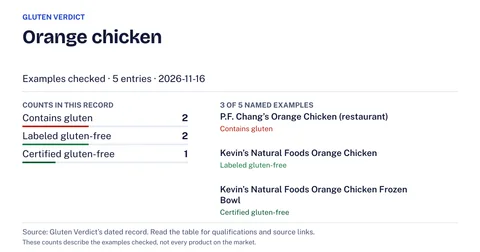 Orange chickenDepends on the product2 of 5 products we checked contain gluten: P.F. Chang’s Orange Chicken (restaurant) and P.F. Chang’s Kid’s Orange Chicken (restaurant)checked Nov 16, 2026
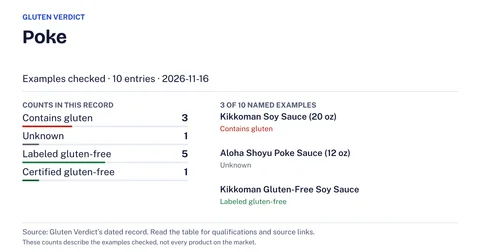 PokeDepends on the product3 of 10 products we checked contain gluten: Kikkoman Soy Sauce (20 oz), Pokeworks Umami Shoyu sauce, and Pokeworks Seaweed Salad toppingchecked Nov 16, 2026
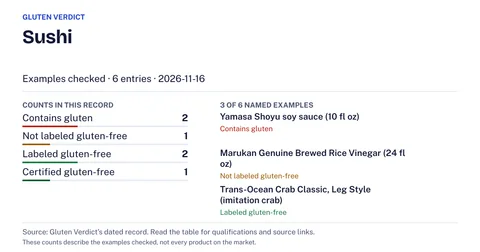 SushiDepends on the product2 of 6 products we checked contain gluten: Yamasa Shoyu soy sauce (10 fl oz) and Lee Kum Kee Less Sodium Soy Saucechecked Nov 16, 2026
More in Hidden gluten in ingredients, sauces and processed foods
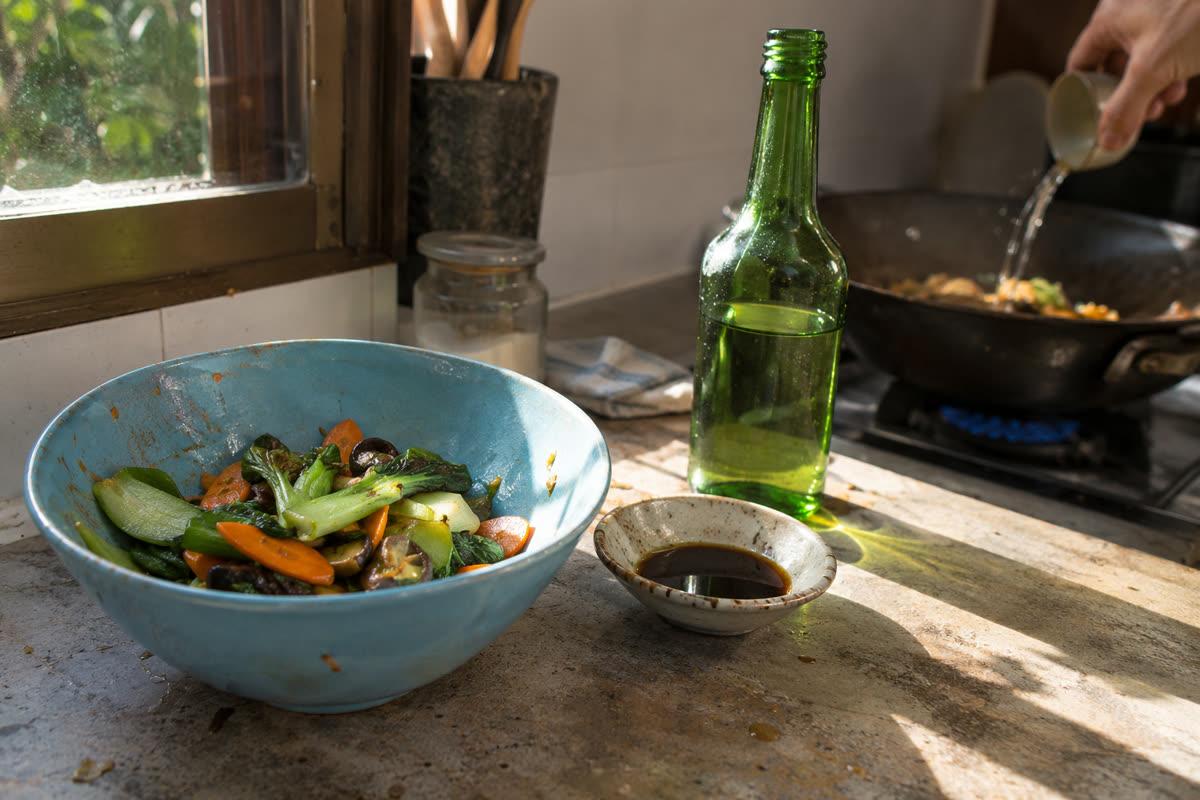 What to use instead of soy sauce when you eat gluten-freeTamari, gluten-free soy sauce, coconut aminos and liquid aminos: what each maker says, how to confirm it on the bottle, and what changes when you cook.
 BBQ sauce, dry rub and marinade labels: which state gluten-free and which list wheatSort a BBQ sauce, dry rub or marinade label into three groups: maker states gluten-free, no grain listed, or wheat listed.
 Gravy, jarred pasta sauce and cheese sauce: where flour and starch thicken the potHow to read a gravy packet, gravy jar, cheese sauce or pasta sauce for wheat flour, wheat gluten and starch, with maker pages read on 2026-11-17.
 Where wheat, barley and rye hide in processed food: 15 places to checkFifteen processed foods where wheat, barley or rye turn up, the label step that catches each, and what US allergen law does and does not flag.
 Keto and low-carb breads, wraps and bars: where wheat gluten hidesSome keto and low-carb breads, wraps and bars list wheat gluten. How to read the label, with named products and the makers’ own statements.
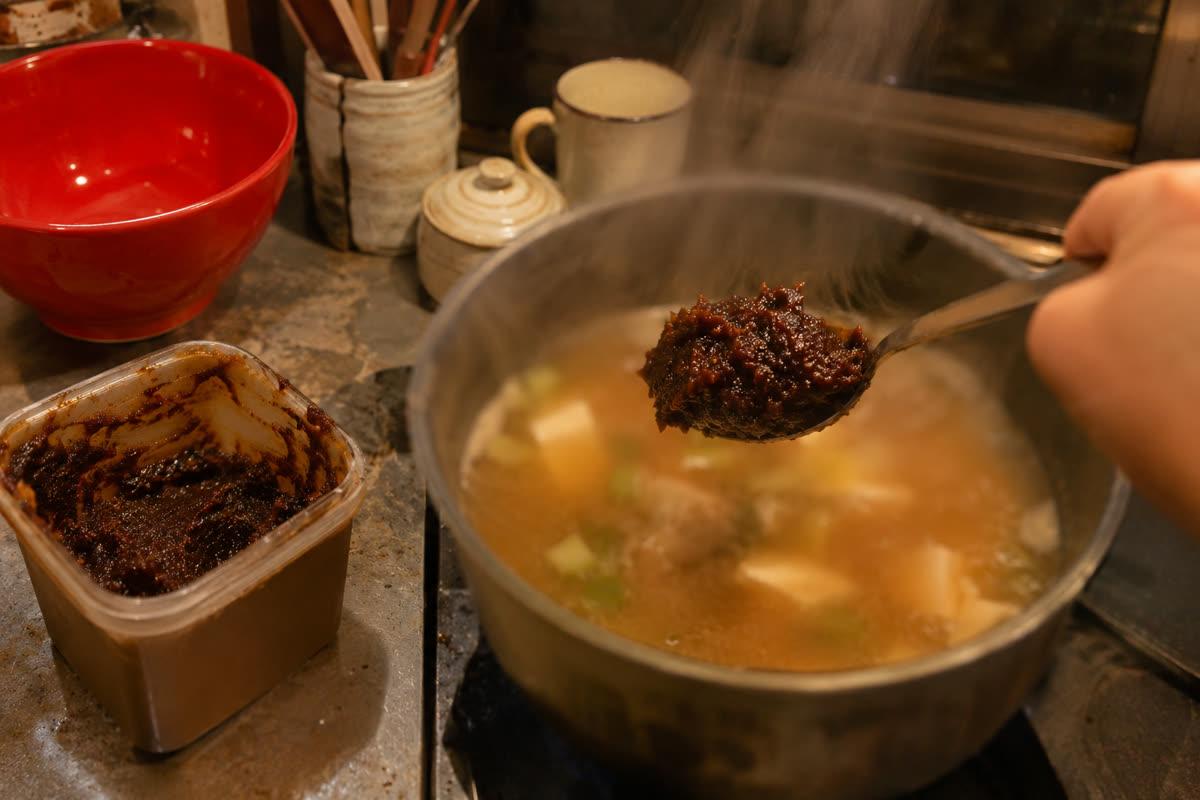 Miso, gochujang and other fermented pastes: where barley and wheat are usedHow to pick a miso or gochujang jar: read the koji grain, the full ingredient list and the maker’s gluten-free statement.
All 21 guides in Hidden gluten in ingredients, sauces and processed foods
Related guides
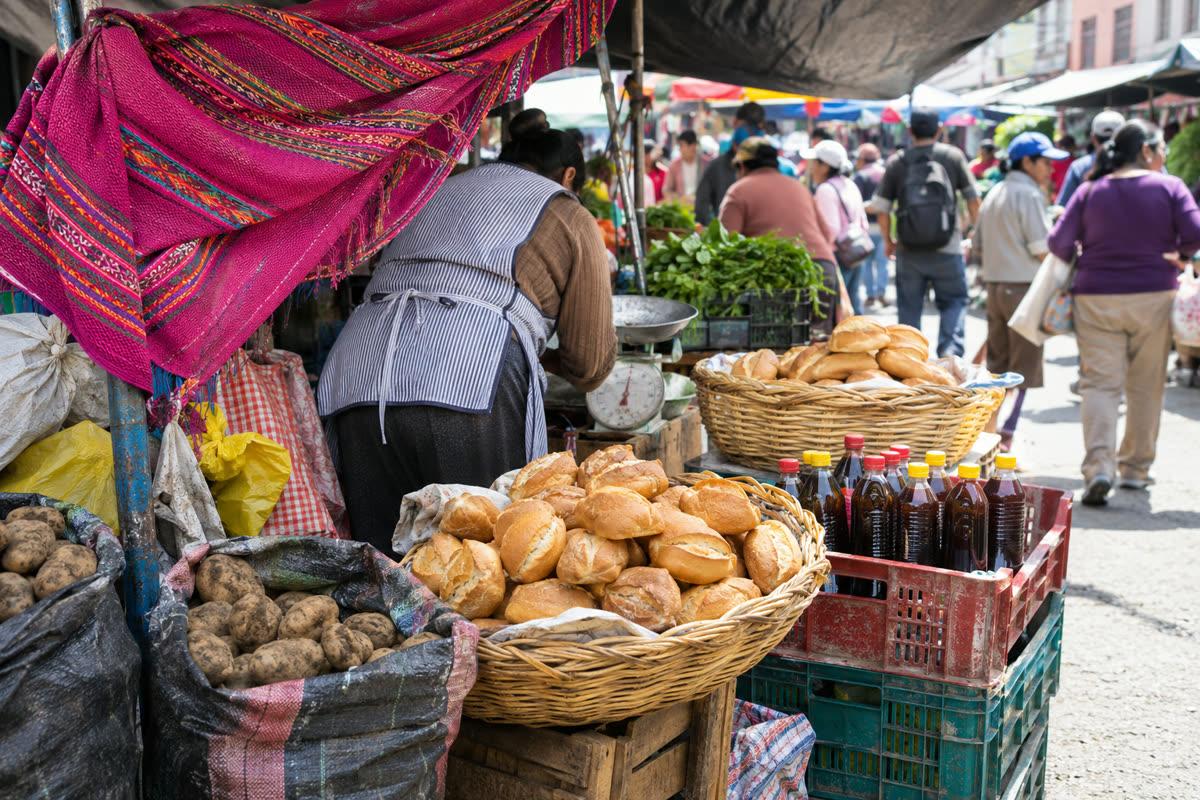 Gluten-free in Peru: chifa soy sauce, bread in the sauce and Ley 31881Where wheat enters Peruvian cooking (sillao in chifa dishes, bread in sauces), what Peru’s gluten-free label law settles, and how to plan trek meals.
 Gluten-free in Japan: soy sauce, miso, barley tea and the allergen boxWhat to check in Japan: wheat in soy sauce, barley in miso and barley tea, and what the Japanese allergen box covers and leaves out.
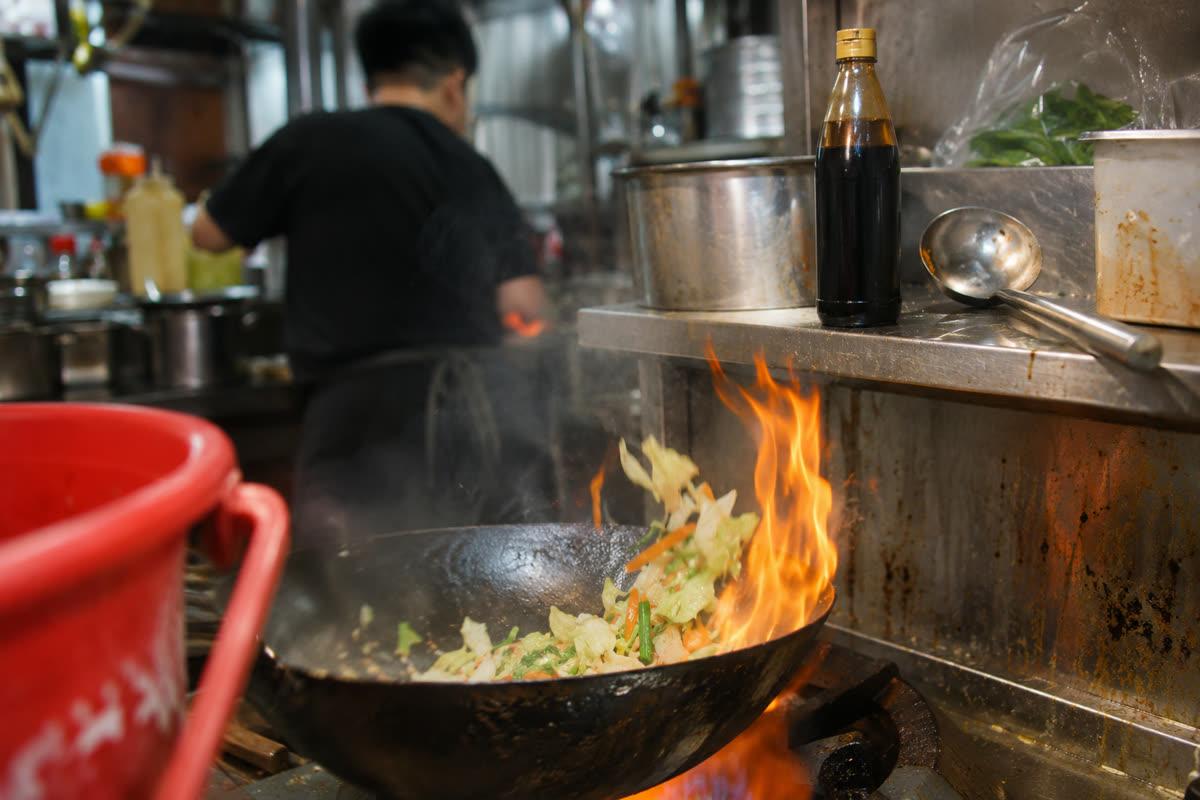 Ordering gluten-free at a Chinese restaurant: sauces, coatings, wine, woks and MSGWhere wheat enters Chinese-restaurant cooking (sauces, coatings, cooking wine, woks), why MSG is not a gluten source, and what to ask before you order.
 Reading a US label for gluten and another food allergyHow to read a US food label for gluten and a second allergen: what the Contains line, gluten-free claim and may-contain lines each cover.
Sources
- [1, 18, 21, 23, 24, 25] US Food and Drug Administration, Questions and Answers on the Gluten-Free Food Labeling Final Rule, checked Nov 17, 2026.
- [2] Kikkoman USA, Soy Sauce (Non-GMO), checked Nov 17, 2026.
- [3, 19, 29] Kikkoman USA, Gluten-Free Soy Sauce, checked Nov 17, 2026.
- [4] San-J, Gluten Free Tamari Soy Sauce, checked Nov 17, 2026.
- [5] Lee Kum Kee USA, Hoisin Sauce (Jar), checked Nov 17, 2026.
- [6] Kikkoman USA, Hoisin Sauce, checked Nov 17, 2026.
- [7] Lee Kum Kee USA, Gluten-Free Hoisin Sauce, checked Nov 17, 2026.
- [8] Kikkoman USA, Gluten-Free Hoisin Sauce, checked Nov 17, 2026.
- [9] Lee Kum Kee USA, Panda Brand Oyster Flavored Sauce, checked Nov 17, 2026.
- [10, 32] Kikkoman USA, Oyster-Flavored Sauce, checked Nov 17, 2026.
Read on 2026-11-17: the page for Kikkoman Oyster-Flavored Sauce has an ingredient list with no wheat in it, and no “gluten-free” statement, certification line or gluten-free wording anywhere on the page.
- [11] Lee Kum Kee USA, Gluten-Free Oyster Sauce (Panda Brand green label), checked Nov 17, 2026.
- [12] Kikkoman USA, Gluten-Free Oyster-Flavored Sauce, checked Nov 17, 2026.
- [13] Kikkoman USA, Teriyaki Marinade & Sauce, checked Nov 17, 2026.
- [14] Kikkoman USA, Gluten Free & Less Sodium Teriyaki Marinade & Stir-fry Sauce, checked Nov 17, 2026.
- [15] San-J, Teriyaki Sauce Gluten Free, checked Nov 17, 2026.
- [16] Kikkoman USA, Gluten-Free Fish Sauce, checked Nov 17, 2026.
- [17] Red Boat Fish Sauce, Red Boat Fish Sauce 40°N, checked Nov 17, 2026.
- [20, 26, 36] San-J, Is Soy Sauce Gluten Free?, checked Nov 17, 2026.
- [22, 33, 39] Gluten Intolerance Group, Explore Asian Cuisine Gluten-Free, checked Nov 17, 2026.
- [27] Lee Kum Kee USA, Premium Soy Sauce (No Preservatives Added), checked Nov 17, 2026.
- [28] San-J, Shoyu Soy Sauce Organic, checked Nov 17, 2026.
- [30] Kikkoman USA, Does Kikkoman make gluten-free products?, checked Nov 17, 2026.
- [31] San-J, Hoisin Sauce for Food Service, checked Nov 17, 2026.
- [34, 35, 40] Celiac Disease Foundation, Sources of Gluten, checked Nov 17, 2026.
- [37, 38] Red Boat Fish Sauce, Red Boat FAQs, checked Nov 17, 2026.