Gluten-free in Hawaii, Puerto Rico and the US Virgin Islands
Short answer
A “gluten-free” claim on a packaged food FDA regulates should mean the same on the islands as at home: less than 20 parts per million of gluten, under a federal rule that no state may vary1, 2, and the Federal Food, Drug, and Cosmetic Act counts Puerto Rico and the territories as “State”3, 4. What changes is the food and sometimes the language, so check these four things:
- The language of the pack: one distributed solely in Puerto Rico may carry its required statements in the predominant language instead of English, and FDA’s Spanish pages give the wording to look for in Spanish5, 6.
- Soy sauce, poke sauce and teriyaki in Hawaii: Aloha Shoyu’s poke sauce lists soy sauce made with wheat gluten7.
- The exact SPAM or musubi: SPAM Classic is on Hormel’s gluten-free list, SPAM Teriyaki lists wheat, and L&L’s chart marks wheat on its SPAM musubi8, 9, 10.
- Seasoning packets, batters and fryers: start with the maker’s page and the packaging, and ask the kitchen about fryers11, 12.
Part of Travel: the Americas and Oceania, 10 guides
Key points
- FDA’s rule defines “gluten-free” at less than 20 ppm, and a state may not set a different definition1, 2.
- The Federal Food, Drug, and Cosmetic Act defines “State” to include Puerto Rico and U.S. territories, and the Department of the Interior lists the U.S. Virgin Islands among the territories3, 13.
- A label for an article distributed solely in Puerto Rico may substitute the predominant language for English5; FDA’s Spanish pages use “sin gluten”, “libre de gluten” and “no contiene gluten” for the claim6.
- Aloha Shoyu’s Poke Sauce spec sheet lists soy sauce made with wheat gluten and ends “Contains wheat and soy”7, 14.
- A name on a menu is not a gluten-free statement: Hormel lists SPAM Classic, yet L&L’s chart marks wheat on its SPAM musubi8, 10.
Does the US label rule apply on the islands?
“Gluten-free” on a food label is a voluntary claim, and FDA’s rule decides what it means15. A food that carries it, or “no gluten”, “free of gluten” or “without gluten”, must contain less than 20 parts per million of gluten1. A food that bears the claim and fails the rule is deemed misbranded16.
The rule is federal. It says a State or political subdivision of a State may not set a different requirement for the definition and use of the claim2. The Federal Food, Drug, and Cosmetic Act defines “State” as any State or Territory of the United States, the District of Columbia and the Commonwealth of Puerto Rico3, and “Territory” as any Territory or possession of the United States4. The Department of the Interior lists the U.S. Virgin Islands among the U.S. territories13.
Our reading: the same federal definition stands behind a pack in a Honolulu, San Juan or Charlotte Amalie store as behind one at home. We did not find an FDA page that says so island by island. Food shipped in from abroad has to meet the same federal requirements as food made in the United States17.
What the rule does not cover
The rule does not apply to foods whose labels USDA or TTB regulate. USDA generally covers meats, poultry and certain egg products18, and TTB covers most alcoholic beverages, including all distilled spirits19. SPAM’s first ingredient is pork with ham20, so read Hormel’s own statement rather than assuming FDA’s 20 ppm definition stands behind the can.
Reading a Spanish-language pack in Puerto Rico
Required label statements must appear in English, with one exception: for articles distributed solely in the Commonwealth of Puerto Rico or in a Territory where the predominant language is one other than English, the predominant language may be substituted5. A pack made only for the island market may therefore carry its required statements in the predominant language instead of English.
FDA’s own Spanish-language pages show what to look for. FDA’s English page says gluten occurs naturally in wheat, rye, barley and crossbreeds of these grains21; its Spanish page names the grains as “el trigo, el centeno, la cebada”22.
| On a Spanish pack | What FDA’s Spanish page says it is |
|---|---|
| “sin gluten”, “libre de gluten”, “no contiene gluten” | The three wordings the FDA rule covers for the gluten-free claim6. |
| “Contiene trigo, leche y soja” | FDA’s Spanish example of the Contains line23. |
| “harina (trigo)” | FDA’s Spanish example of an ingredient followed by its allergen source in parentheses24. |
The Contains line covers wheat, which is on FALCPA’s list of major food allergens; barley and rye are not on that list25. A Contains line that names no wheat therefore says nothing about barley or rye, which can still be in the ingredient list. Our guide to reading a US label as a visitor goes through the other places to look.
Hawaii: shoyu, poke sauce and teriyaki
Aloha Shoyu describes poke as diced raw fish, usually tuna, marinated in a poke sauce26. On a plate of raw fish and rice, the question is the sauce, because FDA says that, in general, soy sauce made from soybeans and wheat may not bear a “gluten-free” claim27.
One maker’s paperwork shows how it plays out. Aloha Shoyu’s Poke Sauce spec sheet lists soy sauce made with wheat gluten as its first ingredient7, and ends “Contains wheat and soy”14. The same company sells a soy sauce it labels gluten-free28 and a tamari it calls wheat-free29. Its original soy sauce page makes no statement either way30, and neither does its teriyaki page, which says the sauce is made with soy sauce31, 32.
That is one brand’s bottle, not a rule for every poke counter. Gluten Intolerance Group’s list of questions for a restaurant includes whether the sauces are certified gluten-free, and it notes that soy sauce could contain gluten33.
Our verdicts show what we found for poke, soy sauce and teriyaki sauce, and for plain rice and fried rice.
SPAM and musubi: the variety, then the plate
Hormel’s FAQ calls SPAM products “practically the national food” in Hawaii34. For gluten, Hormel points to a list headed “Products Formulated Without Gluten Containing Ingredients”35. On the day we read it, that list named SPAM Classic and ten other varieties, and did not name SPAM Teriyaki8. SPAM Classic’s ingredient list reads “Pork with Ham, Salt, Water, Modified Potato Starch, Sugar, Sodium Nitrite”20, while SPAM Teriyaki’s lists “Soy Sauce Powder (Soy Sauce [Soybeans, Wheat], Maltodextrin, Salt)”9.
Hormel adds that its best practice is for you to read the labels on its products36.
A musubi is more than the SPAM. L&L Hawaiian Barbecue’s allergen chart marks its SPAM musubi under both Soy and Wheat10. The chart does not say which part of the musubi carries the wheat, so that is the question to ask at the counter. The can being on Hormel’s list does not settle the plate.
Our SPAM verdict lists the varieties and what each page says.
A plate lunch, read from one chain’s own chart
L&L Hawaiian Barbecue links an “Allergy Information” PDF from its menu page37. Its columns are Soy, Wheat, Milk, Eggs, Fish, Shellfish, Tree Nuts, Peanuts and Sesame; there is no gluten column38. Barley and rye are not on FALCPA’s list of major food allergens25, so a wheat column cannot show them.
| Item | Wheat column |
|---|---|
| SPAM musubi, BBQ Chicken musubi, Chicken Katsu musubi | Marked X (contains)39 |
| Chicken Katsu, Chicken Katsu w/ Gravy | Marked X39 |
| Loco Moco, Hamburger Steak | Marked X39 |
| BBQ Chicken, BBQ Beef, BBQ Short Ribs, BBQ Mix | Marked X39 |
| Saimin (all four), burgers and sandwiches (all) | Marked X39 |
| Macaroni Salad | Marked X39 |
| Fried Shrimp, Fried Fish, Garlic Fish | Marked X39 |
| Garlic Shrimp | No mark40 |
| Kalua Pork w/Cabbage, Pork Lau Lau, Lau Lau Combo | No mark40 |
| White Rice, Brown Rice, Steamed Vegetables, French Fries | No mark40 |
“No mark” is not a gluten-free statement. The chart says the chain prepares its food in kitchens where allergens are present and shared equipment is used41, uses a second symbol for “may contain traces” of an allergen42, and leaves out regional items and store specials43.
FDA says state and local governments play an important role in oversight of restaurants44, and that restaurants’ use of gluten-free labeling should be consistent with the federal definition45. A chart like this one is a better starting point than a menu name, and a question to the kitchen is the next step. See eating out with celiac disease and cross-contamination.
Seasoning packets and blends
Sazón and adobo are made by many companies, and each maker’s page speaks only for its own product. Badia’s page for Sazón Tropical® with Coriander & Annatto lists “Gluten free” among its badges46 and “Known allergens None”47; its Adobo without Pepper page lists the same badges and “Known allergens None”48. Badia’s FAQ says gluten-free information is on the individual product pages and asks you to check the packaging for the most current ingredient and allergen information11.
We could open Badia’s pages but not Goya’s, whose site blocked our reader, so this guide makes no statement about any Goya product.
If a flavoring contains a major food allergen such as wheat, it is subject to the labeling requirements for major food allergens in that part of the Act49. A flavoring that carries barley is a different case, because barley is not on that list25; the ingredient list is where it would show.
Blends depend on the jar: see our verdicts for spices and MSG.
Fried dishes, batters and gravy: what to ask
We did not find a regulator, charity or maker page we could open that describes how island fritters, pasteles, mofongo or coquito are made, so this guide does not describe their recipes and gives no verdict on them. For any dish you are unsure about, the questions are the ones Gluten Intolerance Group lists for a restaurant:
- Is there a dedicated fryer for gluten-free foods?12
- Are the sauces certified gluten-free, and if made in-house, do they know if they contain gluten? Soy sauce could33
- Does this contain flour or roux? Roux is flour and fat cooked together, and the flour used is often wheat flour50
The same group advises asking how gluten-free items are prepared and what procedures are in place to avoid cross-contact51. Our verdicts for tempura and fried rice cover two fried foods we have checked.
Rum and beer
The National Celiac Association lists rum among pure distilled spirits52, and says distilled spirits are considered free of gluten protein even if the starting material is wheat, barley or rye53. TTB, not FDA, regulates distilled spirits labels19, and its ruling permits “gluten-free” claims on distilled spirits distilled from gluten-containing grains as long as good manufacturing practices are followed that prevent the introduction of any gluten-containing material into the final product54. Flavored and spiced rums are a separate question; see our rum verdict.
The National Celiac Association lists beer and other malted beverages among the fermented alcohols it does not consider gluten-free56; see our beer verdict. TTB allows a label for a product fermented from gluten-containing grains to say it was processed, treated or crafted to remove gluten, with a qualifying statement55; that is not a gluten-free claim. Our guide to gluten-removed beer explains the difference.
Verdicts in this guide
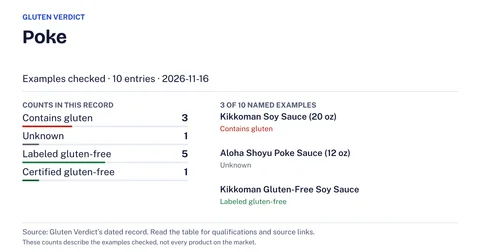 PokeDepends on the product3 of 10 products we checked contain gluten: Kikkoman Soy Sauce (20 oz), Pokeworks Umami Shoyu sauce, and Pokeworks Seaweed Salad toppingchecked Nov 16, 2026
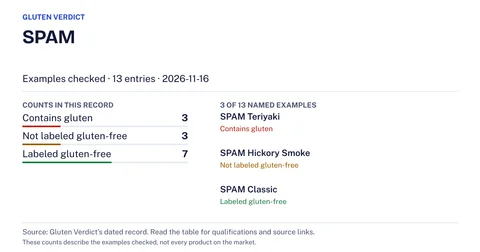 SPAMLabeled gluten-free3 of 13 varieties we checked contain gluten: SPAM Teriyaki, SPAM Korean BBQ, and SPAM Bachan’s Original Japanese Barbecue Sauce FlavoredHormel Foods · checked Nov 16, 2026
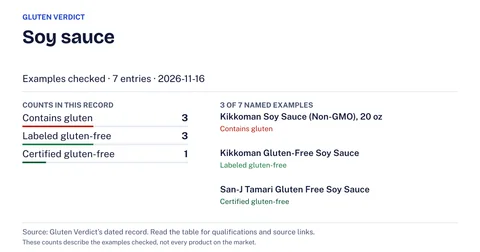 Soy sauceDepends on the product3 of 7 products we checked contain gluten: Kikkoman Soy Sauce (Non-GMO), 20 oz; San-J Organic Shoyu Soy Sauce; and Lee Kum Kee Premium Soy Sauce (No Preservatives Added)checked Nov 16, 2026
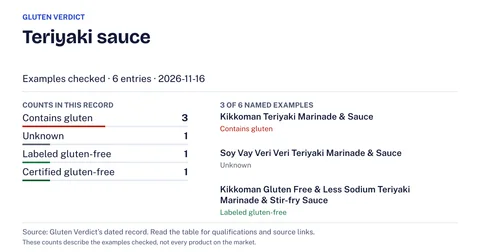 Teriyaki sauceDepends on the product3 of 6 products we checked contain gluten: Kikkoman Teriyaki Marinade & Sauce, Kikkoman Teriyaki Marinade & Stir-fry Sauce – Roasted Garlic, and Kikkoman Teriyaki BBQ Sauce – Originalchecked Nov 16, 2026
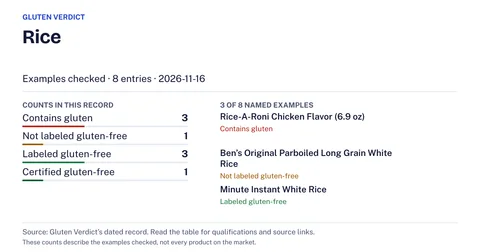 RiceNaturally gluten-free3 of 8 products we checked contain gluten: Rice-A-Roni Chicken Flavor (6.9 oz), Near East Original Rice Pilaf, and Ben’s Original Ready Rice Rice PilafBuy it labeled gluten-freechecked Nov 16, 2026
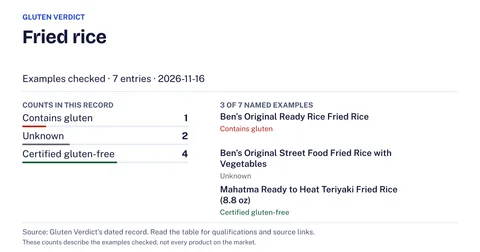 Fried riceDepends on the product1 of 7 products we checked contains gluten: Ben’s Original Ready Rice Fried Ricechecked Nov 16, 2026
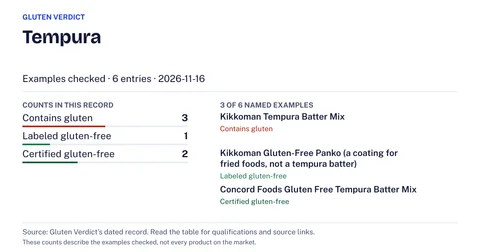 TempuraDepends on the product3 of 6 products we checked contain gluten: Kikkoman Tempura Batter Mix, Kikkoman Tempura Dipping Sauce, and Nongshim Tempura Udon Cupchecked Nov 16, 2026
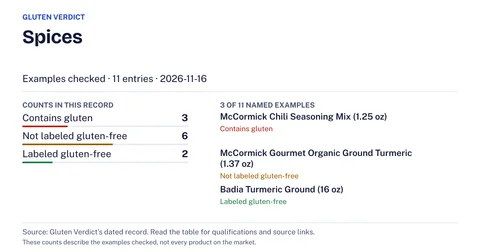 SpicesDepends on the product3 of 11 products we checked contain gluten: McCormick Chili Seasoning Mix (1.25 oz), Lawry’s Chili Spices & Seasonings Mix (1.48 oz), and McCormick Cheesy Taco Seasoning Mix (1.12 oz)checked Nov 16, 2026
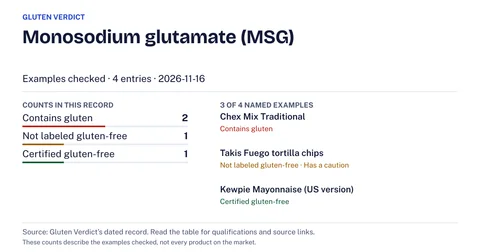 Monosodium glutamate (MSG)Naturally gluten-free2 of 4 products we checked contain gluten: Chex Mix Traditional and S&B Golden Curry Mix (Mild)checked Nov 16, 2026
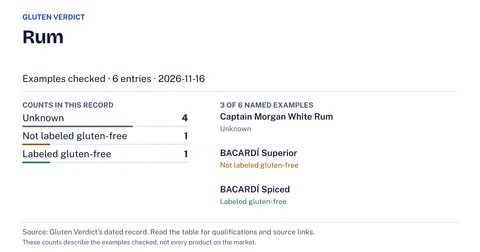 RumDepends on the productchecked Nov 16, 2026
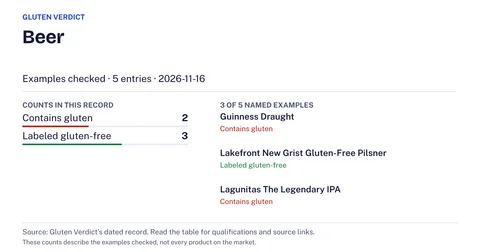 BeerDepends on the product2 of 5 products we checked contain gluten: Guinness Draught and Lagunitas The Legendary IPAchecked Nov 16, 2026
Questions people ask
Is the gluten-free label different in Puerto Rico or the US Virgin Islands?
FDA’s rule is federal, and a state may not set a different definition2. The Act’s definition of “State” includes Puerto Rico and any Territory or possession of the United States3, 4. A pack distributed solely in Puerto Rico may carry its required statements in the predominant language instead of English5.
Is SPAM gluten-free?
It depends on the variety. Hormel’s list named SPAM Classic and ten other varieties and did not name SPAM Teriyaki8, which lists soy sauce made with wheat9. See our SPAM verdict.
Is poke gluten-free?
It depends on the sauce. Aloha Shoyu’s Poke Sauce lists soy sauce made with wheat gluten7, and FDA says that, in general, soy sauce made from soybeans and wheat may not bear a “gluten-free” claim27.
Does a restaurant’s “gluten-free” menu item have to meet FDA’s definition?
FDA says restaurants’ use of gluten-free labeling should be consistent with the federal definition, and that state and local governments play an important role in oversight of restaurants45, 44.
Is rum gluten-free?
The National Celiac Association lists rum among pure distilled spirits, which it says are considered free of gluten protein52, 53. Flavored and spiced rums are a separate question; see our rum verdict.
More in Travel: the Americas and Oceania
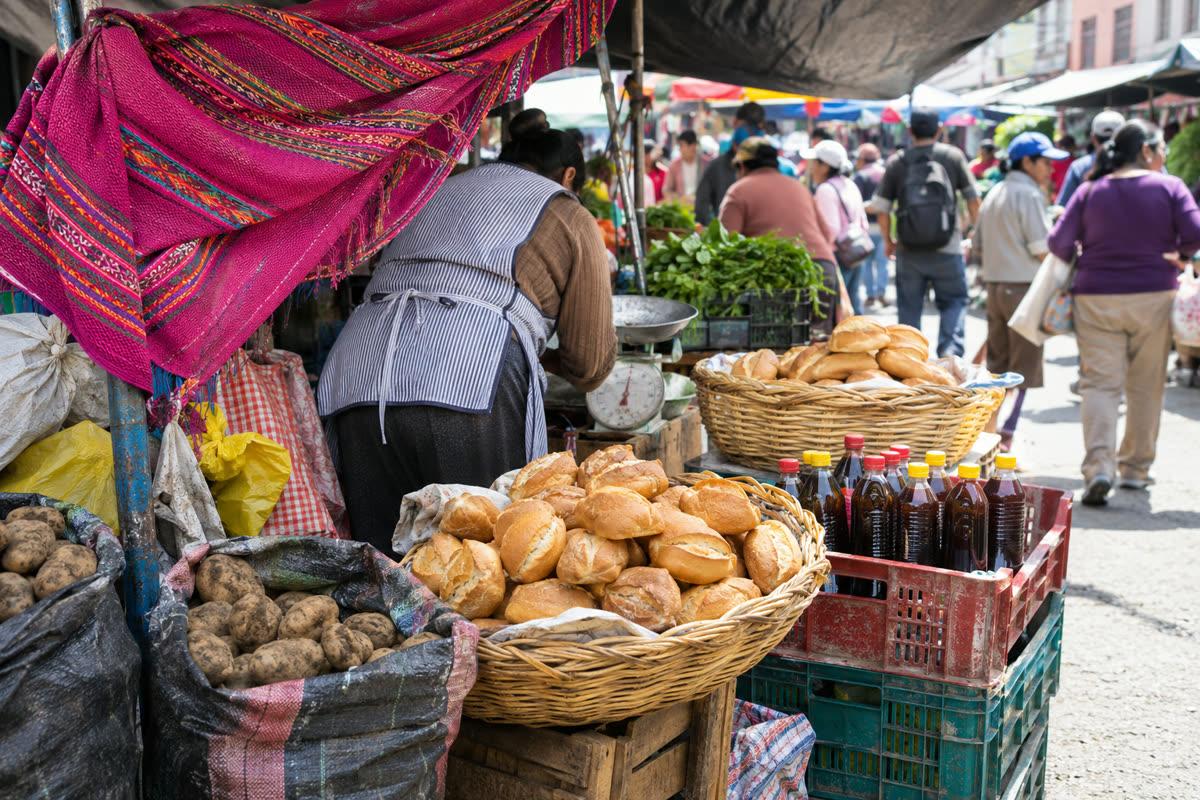 Gluten-free in Peru: chifa soy sauce, bread in the sauce and Ley 31881Where wheat enters Peruvian cooking (sillao in chifa dishes, bread in sauces), what Peru’s gluten-free label law settles, and how to plan trek meals.
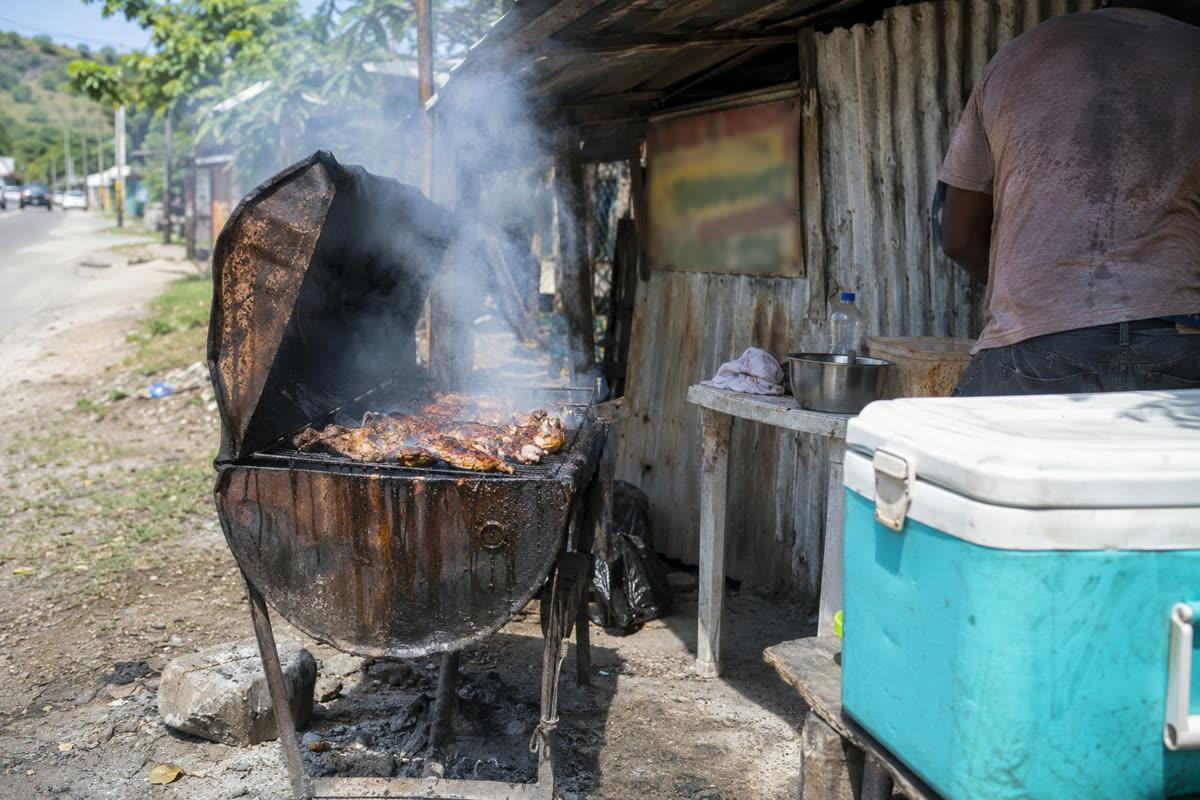 Gluten-free in the Caribbean: island dishes, jerk labels and cruise port daysWhich Caribbean doughs, soup mixes and jerk sauces list wheat, what a cruise line’s dietary request covers on a port day, and what to ask.
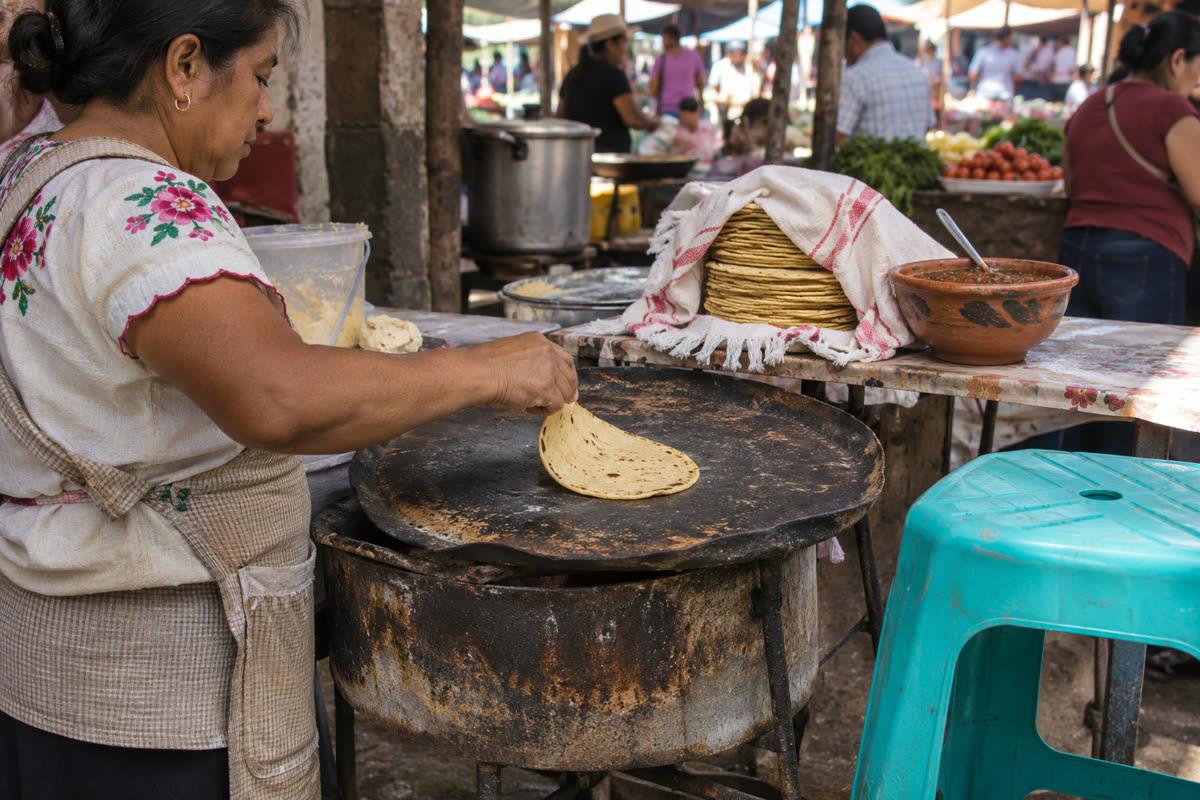 Gluten-free in Mexico: tortillas, Maggi seasonings and the Mexican allergen lineTell a corn tortilla from a corn-and-wheat blend, spot the Maggi seasonings that list wheat, read the Mexican allergen line and ask about the griddle.
 Gluten-free in Brazil: the “contém glúten” line, pão de queijo, farofa and tapiocaHow to read Brazil’s mandatory “contém glúten” line, and how to judge pão de queijo, farofa, tapioca and fried snacks by recipe and kitchen.
 Gluten-free in New Zealand: the shared food code, oats, Marmite and the borderWhat a US visitor needs for gluten-free food in New Zealand: the shared Australian claim, oats, Marmite, Coeliac NZ marks and border declaration.
 Eating gluten-free in Australia: the oats rule, Vegemite and the borderWhat “gluten free” means on an Australian pack, why oats cannot carry the claim, which Vegemite to check, and what to declare on arrival.
Related guides
 Reading US gluten-free labels as a visitor from the UK, EU, Canada or AustraliaWhat a US gluten-free claim, the Contains line, malt and alcohol labels mean if you are used to UK, EU, Canadian or Australian labels.
 Soy, hoisin, oyster, teriyaki and fish sauce: which bottles carry wheatSoy, hoisin, oyster, teriyaki and fish sauce compared by the ingredient lists of Kikkoman, Lee Kum Kee, San-J and Red Boat, plus what to ask at a counter.
 What to use instead of soy sauce when you eat gluten-freeTamari, gluten-free soy sauce, coconut aminos and liquid aminos: what each maker says, how to confirm it on the bottle, and what changes when you cook.
 Seasoning packets, bouillon cubes and spice blends: where wheat entersWhy a packet, cube or blend can list wheat flour or barley when a single spice lists one item, and the order to read the label in.
Sources
- [1, 15, 21, 44, 45] US Food and Drug Administration, Gluten and Food Labeling, checked Nov 17, 2026.
- [2, 16] Electronic Code of Federal Regulations, 21 CFR 101.91 Gluten-free labeling of food, checked Nov 17, 2026.
- [3, 4] US Government Publishing Office, 21 U.S.C. 321 Definitions; generally (Federal Food, Drug, and Cosmetic Act), checked Nov 17, 2026.
- [5] Electronic Code of Federal Regulations, 21 CFR 101.15 Food; prominence of required statements, checked Nov 17, 2026.
- [6, 22] US Food and Drug Administration, El gluten y el etiquetado de los alimentos (FDA, in Spanish), checked Nov 17, 2026.
Read on 2026-11-17: under the heading “Sin gluten y términos equivalentes”, the list names “sin gluten”, “libre de gluten” and “no contiene gluten”, and the page says the FDA rule covers these three variants.
- [7, 14, 26] Aloha Shoyu Company, Poke Sauce spec sheet, checked Nov 17, 2026.
- [8, 35, 36] Hormel Foods, Allergen information: Products Formulated Without Gluten Containing Ingredients, checked Nov 17, 2026.
Read on 2026-11-17: the list headed “SPAM ® family of products” names SPAM ® Black Pepper, Classic, Hot and Spicy, Less Sodium, Lite, Jalapeño, Oven Roasted Turkey, Single Classic, Single Lite, Tocino and with Real Hormel ® Bacon, and does not name SPAM Teriyaki.
- [9] Hormel Foods (SPAM), SPAM Teriyaki, checked Nov 17, 2026.
- [10, 38, 39, 40, 41, 42, 43] L&L Hawaiian Barbecue, Core Item Allergen Guide (PDF), checked Nov 17, 2026.
Read on 2026-11-17: in the MUSUBI group, the SPAM® row is marked X under both Soy and Wheat and has no other marks.
Read on 2026-11-17: the chart’s columns are Soy, Wheat, Milk, Eggs, Fish, Shellfish, Tree Nuts, Peanuts and Sesame; there is no gluten column and the word gluten does not appear in the PDF.
Read on 2026-11-17: the Wheat column is marked X (contains) for BBQ Mix, Seafood Combo, Seafood Platter, BBQ Chicken, Chicken Katsu, Chicken Katsu w/ Gravy, Loco Moco, Hamburger Steak, BBQ Beef, BBQ Short Ribs, Fried Shrimp, Fried Fish, Garlic Fish, all four musubi (SPAM®, BBQ Chicken, Chicken Katsu, Musubi Trio), all four saimin, every burger and sandwich, and Macaroni Salad.
Read on 2026-11-17: the Wheat column has no mark for Lau Lau Combo, Kalua Pork w/Cabbage, Pork Lau Lau, Garlic Shrimp, White Rice, Brown Rice, French Fries, Tossed Salad / Green Salad and Steamed Vegetables.
- [11] Badia Spices, FAQs, checked Nov 17, 2026.
- [12, 33, 50] Gluten Intolerance Group, What are some of the most important questions to ask the wait staff or management of a food service or restaurant?, checked Nov 17, 2026.
- [13] US Department of the Interior, Office of Insular Affairs, checked Nov 17, 2026.
- [17, 18, 19, 27] US Food and Drug Administration, Questions and Answers on the Gluten-Free Food Labeling Final Rule, checked Nov 17, 2026.
- [20] Hormel Foods (SPAM), SPAM Classic, checked Nov 17, 2026.
- [23, 24] US Food and Drug Administration, Alergias alimentarias: lo que necesita saber (FDA, in Spanish), checked Nov 17, 2026.
- [25, 49] US Food and Drug Administration, Food Allergen Labeling and Consumer Protection Act of 2004 (FALCPA), checked Nov 17, 2026.
- [28] Aloha Shoyu Company, Gluten-Free Soy Sauce, checked Nov 17, 2026.
- [29] Aloha Shoyu Company, Tamari Soy Sauce, checked Nov 17, 2026.
- [30] Aloha Shoyu Company, Original Blend Soy Sauce, checked Nov 17, 2026.
Read on 2026-11-17: the Original Blend Soy Sauce page describes the taste and says it is the maker’s signature soy sauce; the page text says nothing about wheat or gluten.
- [31, 32] Aloha Shoyu Company, Teriyaki Sauce, checked Nov 17, 2026.
Read on 2026-11-17: the Teriyaki Sauce page describes the sauce and its uses; the page text says nothing about wheat or gluten.
- [34] Hormel Foods (SPAM), SPAM FAQ, checked Nov 17, 2026.
- [37] L&L Hawaiian Barbecue, Menu, checked Nov 17, 2026.
Read on 2026-11-17: the menu page carries an “Allergy Information” link that opens a PDF titled “Core Item Allergen Guide”.
- [46, 47] Badia Spices, Sazón Tropical® with Coriander & Annatto, 3.5 oz, checked Nov 17, 2026.
Read on 2026-11-17: the product page lists the badges “Gluten free”, “Kosher”, “Halal” and “MSG free”.
- [48] Badia Spices, Adobo without Pepper, 7 oz, checked Nov 17, 2026.
Read on 2026-11-17: the product page lists the badges “Gluten free”, “Kosher”, “Halal” and “MSG free”, and under Product detail “Known allergens None”.
- [51] Gluten Intolerance Group, I went to a restaurant that had food marked “gluten-free” on the menu, but I felt “glutened” after my meal. How could this have happened?, checked Nov 17, 2026.
- [52, 53, 56] National Celiac Association, Alcohol on the Gluten-Free Diet, checked Nov 17, 2026.
- [54, 55] Alcohol and Tobacco Tax and Trade Bureau (TTB), TTB Ruling 2020-2: Gluten Content Statements in the Labeling and Advertising of Wine, Distilled Spirits, and Malt Beverages, checked Nov 17, 2026.