Millet, sorghum, quinoa, buckwheat, teff, amaranth and wild rice: what the bag has to say
Short answer
Millet, sorghum, quinoa, buckwheat (as buckwheat groats), teff and amaranth are on the Celiac Disease Foundation’s list of naturally gluten-free foods, and the Gluten Intolerance Group names wild rice as another option1, 2. Gluten can still reach a grain through shared harvest, transport, storage and production equipment3, so check four things on the bag:
- The ingredient list: a product named for one of these grains can still contain wheat, as Bob’s Red Mill’s buckwheat pancake mix lists whole wheat flour and vital wheat gluten4.
- A gluten-free claim: under FDA’s rule a grain can carry it when any unavoidable gluten is below 20 parts per million5.
- A certifier’s mark: GFCO considers a product certified if it is on its list and the package carries one of its certification marks, and not certified if the package lacks the mark6, 7.
- No claim at all: the Celiac Disease Foundation’s advice for a reader concerned about a grain is to buy only versions tested to contain less than 20 parts per million, and it does not recommend bulk bins8, 9.
Part of Grains, flours and substitutes, 13 guides
Key points
- The charity lists describe the plant, not the bag: the Celiac Disease Foundation names six of the seven, and the Gluten Intolerance Group adds wild rice1, 2.
- Buckwheat is not wheat, according to the Gluten Intolerance Group, but a buckwheat pancake mix can still be made with whole wheat flour10, 4.
- FDA lets any grain other than wheat, rye, barley or their hybrids carry “gluten-free” when unavoidable gluten is under 20 ppm, and the claim is voluntary5, 11.
- In a 2013 Health Canada survey of 640 naturally gluten-free flours and starches, 61 were above 20 mg/kg, while for ingredients labeled gluten-free the abstract reports a lower number, 3 of 26812.
- Rinsing and sorting are the Gluten Intolerance Group’s tips for grain that is not labeled gluten-free; its page reports no gluten measurement for them13.
Which of these grains and seeds are gluten-free plants?
Two US charities publish a list. The Celiac Disease Foundation’s list of naturally gluten-free foods names amaranth, buckwheat groats (kasha), millet, quinoa, rice, sorghum and teff, and does not name wild rice1. The Gluten Intolerance Group’s list of alternative grains names amaranth, rice, buckwheat, millet, quinoa, sorghum and teff14, and in its rice entry calls wild rice “an unrelated plant” and “another delicious option”2.
Not all of them are grains in the botanical sense: the Gluten Intolerance Group calls amaranth, quinoa and buckwheat “pseudocereals”15, and The Birkett Mills, a buckwheat miller, says buckwheat is “not a grain at all but a seed”16.
A list describes the plant. FDA’s rule is about the food on the shelf: it allows any grain other than wheat, rye, barley or their crossbred hybrids such as triticale to be labeled “gluten-free” when any unavoidable gluten from cross-contact is below 20 parts per million (ppm)5.
| Grain or seed | Named on a charity list | Our verdict |
|---|---|---|
| Millet | Celiac Disease Foundation and Gluten Intolerance Group1, 14 | Millet verdict |
| Sorghum | Celiac Disease Foundation and Gluten Intolerance Group1, 14 | Sorghum verdict |
| Quinoa | Celiac Disease Foundation and Gluten Intolerance Group1, 14 | Quinoa verdict |
| Buckwheat | Celiac Disease Foundation (as buckwheat groats) and Gluten Intolerance Group1, 14 | Buckwheat verdict |
| Teff | Celiac Disease Foundation and Gluten Intolerance Group1, 14 | Not checked yet |
| Amaranth | Celiac Disease Foundation and Gluten Intolerance Group1, 14 | Not checked yet |
| Wild rice | Gluten Intolerance Group, in its rice entry; not on the Celiac Disease Foundation list2, 1 | Not checked yet; plain rice has a verdict |
What do makers and certifiers say about each one?
A maker’s page and a certifier’s listing are different kinds of evidence, so read them separately. Below is one statement per grain, from pages we read on 2026-11-17.
Millet and sorghum
Bob’s Red Mill calls its millet “a gluten free ancient grain”17 and its whole grain sorghum “a gluten free grain”18. Those are the maker’s own words about its own product. The millet and sorghum verdict pages show what else we read.
Quinoa and amaranth
Ancient Harvest’s traditional quinoa page asks “Gluten-free?” and answers “But of course.”19 Bob’s Red Mill’s organic quinoa page says “Naturally gluten free”20. Neither is a certifier’s mark. Searched by brand on 2026-11-17, GFCO’s Product Finder listed Ancient Harvest pastas and a quinoa flakes product but no quinoa grain21, and for Bob’s Red Mill two rice flours and a granola22.
Quinoa has also been studied as a food in its own right. A 2012 laboratory study tested 15 quinoa cultivars23, and concluded that most do not have quantifiable amounts of celiac-toxic epitopes, but that 2 cultivars could activate immune responses in some patients with celiac disease24. In a 2014 study, 19 treated celiac patients ate 50 g of quinoa every day for 6 weeks25, and the authors concluded it was well tolerated and did not exacerbate the condition26. Each is a single study.
Bob’s Red Mill’s organic amaranth page says “Gluten free and a source of complete protein”27. GFCO’s list for “amaranth” includes grain, flour and flakes from several brands, among them Andean Star and GoGo Quinoa28; GFCO says a listed product whose package lacks the certification mark is not certified7.
Buckwheat
Bob’s Red Mill describes its groats as “gluten free seeds from a plant related to rhubarb”29. The Birkett Mills answers the certification question directly: “our buckwheat products are not technically certified gluten-free, but we do label our products gluten-free”30. It says its buckwheat is prepared on a dedicated line in its Penn Yan, NY mill31, and that it tests a commingled sample of the end product to ensure it is under 10 ppm of gluten32. Our buckwheat verdict lists the rest.
Teff
Bob’s Red Mill says teff “is naturally gluten free”, and that it also processes and packages it in a dedicated gluten free facility and puts it through R5 ELISA testing multiple times33. GFCO’s list for “teff” includes Teff Grain Ivory and Teff Grain Brown from Green Star Organic Milling34.
Wild rice
Lundberg Family Farms’ organic wild rice page lists “Certified Gluten-Free” among its badges, without naming who certifies it35. GFCO’s list for “wild rice” includes wild rice from Gourmet House, Roland, Riviana and Lundberg Family Farms36. In its rice entry, the Gluten Intolerance Group calls wild rice “an unrelated plant”2, and NIDDK names rice among foods that are naturally gluten-free without additives or some seasonings37.
Buckwheat has “wheat” in its name: is it wheat?
No. The Gluten Intolerance Group says: “Despite the name, buckwheat is not wheat but a gluten-free member of the rhubarb family”10. The Birkett Mills says buckwheat “is not related to wheat”38.
The name matters on products, not on the plant. Bob’s Red Mill’s Buckwheat Pancake Mix is made with “organic whole grain buckwheat flour, organic stone ground whole wheat flour”39, and its ingredient list reads “Organic Whole Grain Buckwheat Flour, Organic Whole Wheat Flour, Vital Wheat Gluten” followed by cane sugar, baking powder and salt4. Under FDA’s rule, a food intentionally made with wheat cannot be labeled gluten-free40.
Soba noodles are the other place the name misleads. The Celiac Disease Foundation lists “soba (those made with only a percentage of buckwheat flour)” under common foods that contain gluten, and notes that rice noodles and mung bean noodles are gluten free41. The ingredient list decides; see our soba noodles verdict.
On a buckwheat product, read which flours come first and whether wheat flour follows. Our gluten scanner looks for these names in a photo of the label or in pasted text.
How does gluten get into a plain grain?
FDA names the routes: “crop rotation, as well as the shared use of harvesting and transport equipment and storage silos” can bring gluten-containing grains into contact with grains, legumes and seeds that are naturally free of gluten, and shared production equipment in a factory can do the same3. FDA also notes that the US Grain Standards allow commodity grains, legumes and seeds to contain a small percentage of another commodity grain as a result of commingling during production42.
The Celiac Disease Foundation says some research indicates that some naturally gluten-free grains may contain gluten from cross-contact with gluten-containing grains through harvesting and processing43. NIDDK says cross-contact can occur “when foods are grown, processed, stored, prepared, or served”44.
What published testing found
Three papers measured it. Each is a snapshot of products from its own year and country, and the numbers are the authors’.
- A 2010 US pilot study (Thompson and colleagues) bought 22 inherently gluten-free grains, seeds and flours not labeled gluten-free in June 2009 and had them analysed45. Seven of the 22 had mean gluten levels of 20 ppm or more46. The abstract does not say which grains.
- A 2013 Health Canada survey (Koerner and colleagues) analysed 640 naturally gluten-free flours and starches bought in Canada: 61 were above 20 mg/kg, and for ingredients labeled gluten-free the contamination range was 5-141 mg/kg and the number of samples was lower, 3 of 26812. For specific ingredients in those flours and starches it reported total mean contamination of 272 mg/kg for millet and 153 mg/kg for buckwheat, grouped with soy as higher-fibre ingredients47.
- A 2026 Health Canada retail survey (Koerner and colleagues) analysed 657 products made from inherently gluten-free ingredients: 30 were above 20 mg/kg, and only one of the 270 carrying a gluten-free claim was48. Of 148 products with a precautionary statement for gluten, 28 (18.9%) were above that level, and 19 of the 30 samples over the level listed oats as an ingredient49.
What this does and does not show: these studies describe the products they sampled in the US and in Canada, and the two Canadian studies measure against the Codex level of 20 mg/kg rather than FDA’s rule12, 48. The abstracts we read name no brand, so they say nothing about the bag in front of you. In both Canadian surveys the count for samples labeled gluten-free was small: 3 of 268 in 2013, and 1 of 270 above 20 mg/kg in 202612, 48.
What a gluten-free claim adds, and what a certification adds
For a food that is gluten-free by nature, FDA says the claim is voluntary and may be used when the food complies with the rule11. FDA’s rule does not require makers to test starting ingredients or finished foods, but makers are responsible for making sure a food labeled gluten-free complies50.
Certification is a separate, third-party layer. In its entry on oats, the Gluten Intolerance Group notes that products labeled gluten-free should meet FDA’s limit but that this “is not third-party verified”, and that GFCO’s standard is 10 ppm of gluten or less51. GFCO’s Product Finder considers a product certified if it appears on the list and carries one of its certification marks6, and says a listed product whose package lacks the mark is not certified7.
The statements above show the range. The Birkett Mills says its buckwheat is labeled gluten-free but not certified, and that it tests a commingled sample of the end product to ensure it is under 10 ppm30, 32. Bob’s Red Mill describes a dedicated facility and R5 ELISA testing for its teff33. Lundberg lists a Certified Gluten-Free badge on its wild rice35. Those are three different statements, so read which one the package or page is making.
Mixed-grain products, hot cereals and “ancient grain” blends
A blend is judged by its whole ingredient list, not by the one grain you came for. Bob’s Red Mill’s 10 Grain Hot Cereal lists whole grain millet and whole grain brown rice alongside wheat, rye, triticale and barley, and ends “CONTAINS: Wheat”52. A food intentionally made with any amount of wheat, rye, barley or triticale cannot carry FDA’s gluten-free claim40.
The Celiac Disease Foundation says multi-grain or “artisan” tortilla chips or tortillas that are not entirely corn-based may contain a wheat-based ingredient53. Several wheat varieties go by names that do not say wheat: the foundation’s list of wheat varieties and derivatives includes spelt, farro and emmer54. See our spelt and farro verdicts.
Other foods we have checked that sit near this list: oatmeal, polenta, grits, rice flour and plain flour. For oats, see how oats are sorted and labeled; for flours, the gluten-free flour guide.
Loose grain and bulk bins
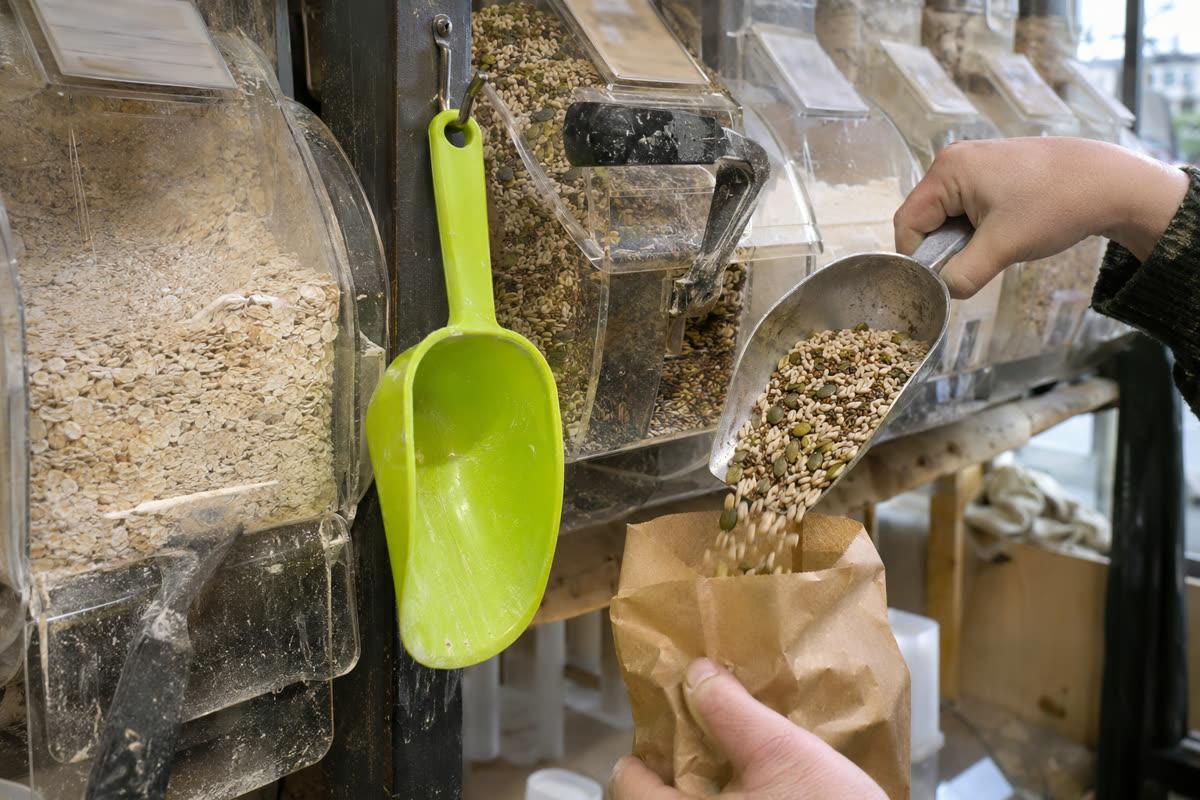
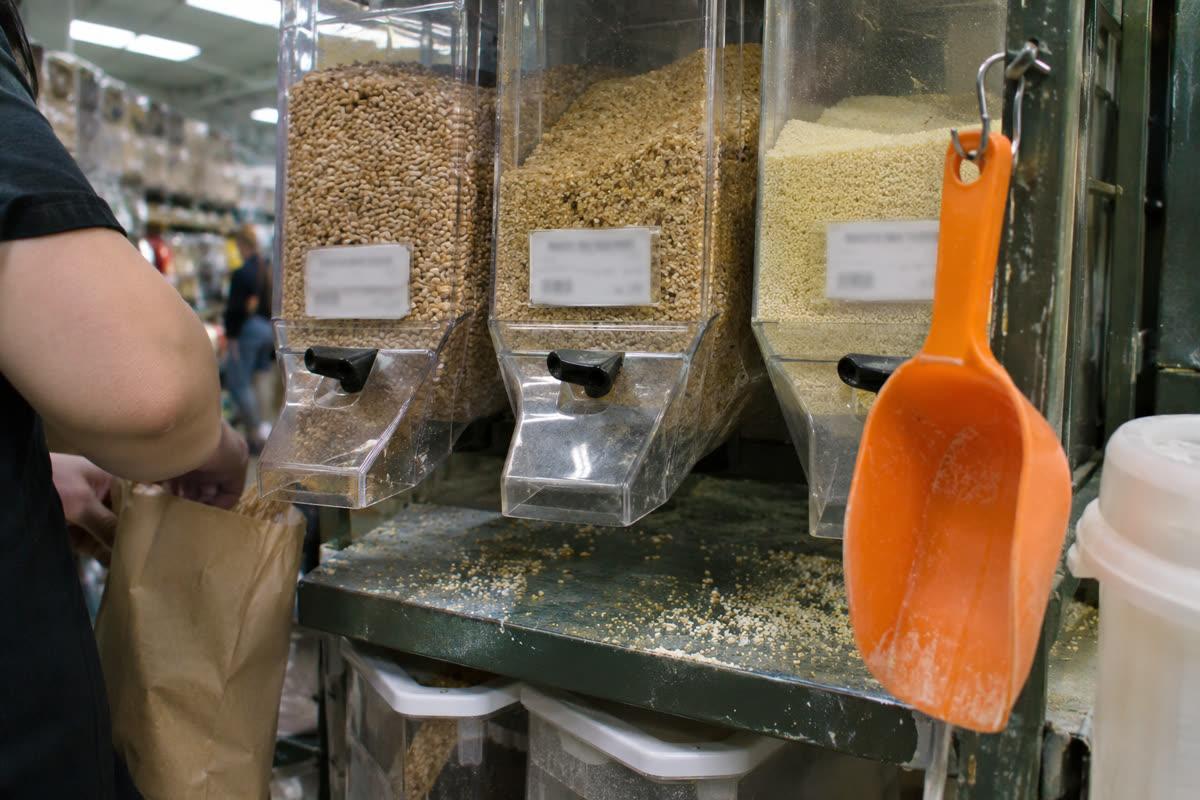
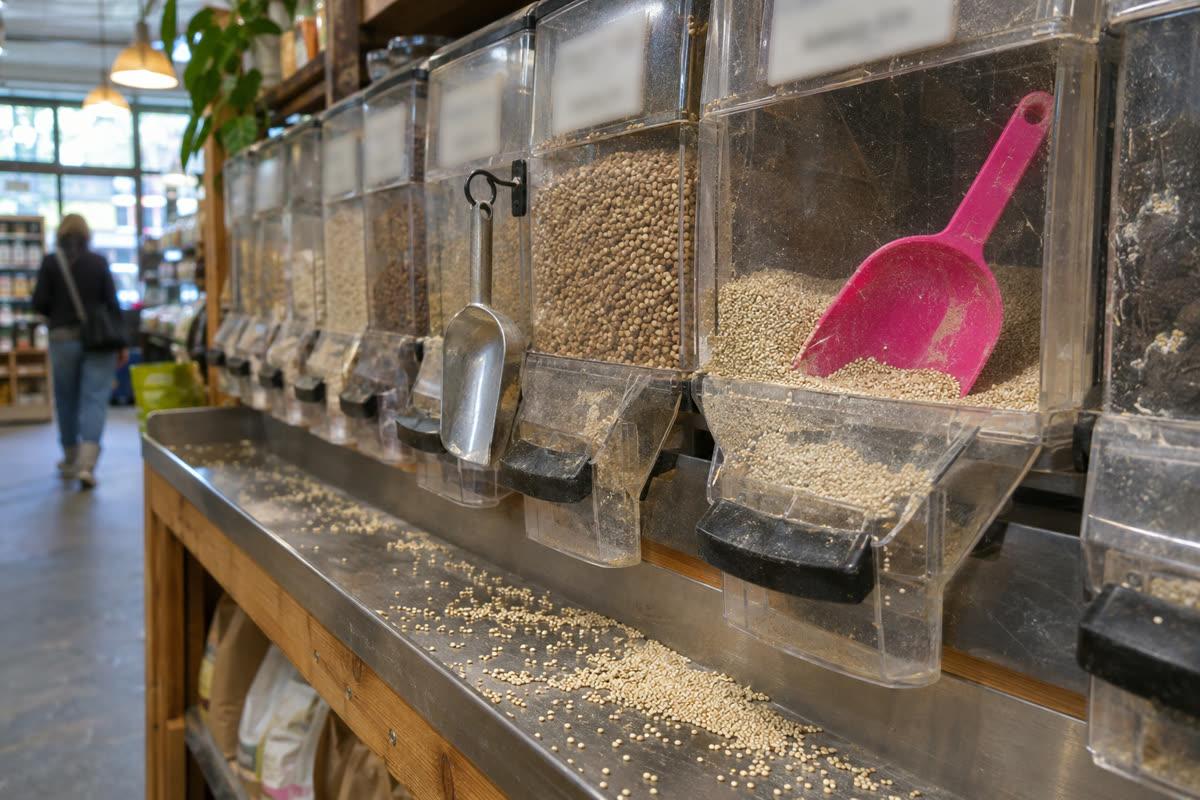
The Celiac Disease Foundation does not recommend buying grains from bulk bins because of the possibility of cross-contact with gluten9. The Gluten Intolerance Group’s cross-contact page says to stay clear of a store’s bulk section, where gluten-containing ingredients could linger on scoops or surrounding bins55. A bagged grain with a claim or a certification mark moves the question back to the maker, covered above.
Can you rinse or sort grain at home?
The Gluten Intolerance Group describes steps for beans and grains you cannot find labeled or certified gluten-free13. For rice and sorghum, which it calls quite small, it describes rinsing with a fine sieve or colander and always giving them a visual sorting56. For millet, teff and amaranth, which it says are too small to be strained, it describes sorting by eye, then shaking the grain in a jar with water, letting it settle and skimming off any grain that floats57. Its reasoning is that smaller dust-size particles that could contain gluten settle more slowly than the grain58.
The page reports no gluten test result for any of these steps, so read them as the Gluten Intolerance Group’s handling tips, not a measured result13.
Quinoa is rinsed for a different reason. The Gluten Intolerance Group says to always rinse it before cooking to remove the “saponins”, a natural, bitter-tasting coating59, and Bob’s Red Mill says its quinoa has already been thoroughly rinsed and air dried to remove them60.
Verdicts in this guide
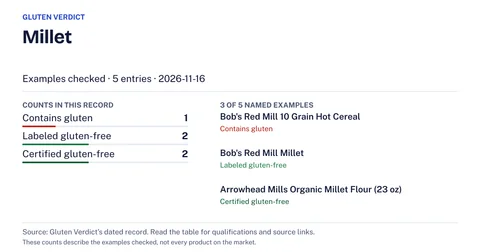 MilletNaturally gluten-free1 of 5 products we checked contains gluten: Bob's Red Mill 10 Grain Hot CerealBuy it labeled gluten-freechecked Nov 16, 2026
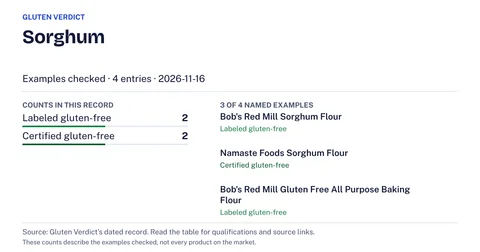 SorghumNaturally gluten-freeBuy it labeled gluten-freechecked Nov 16, 2026
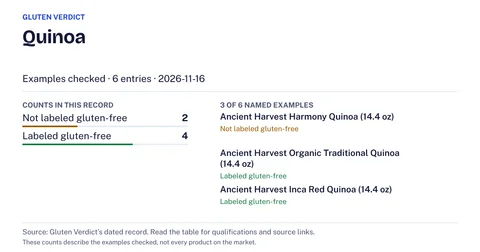 QuinoaNaturally gluten-freeBuy it labeled gluten-freechecked Nov 16, 2026
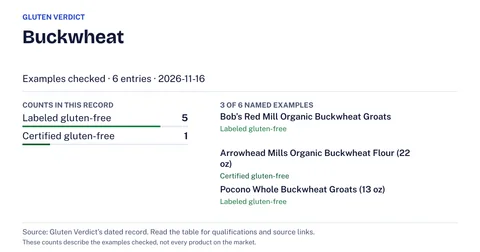 BuckwheatNaturally gluten-freeBuy it labeled gluten-freechecked Nov 16, 2026
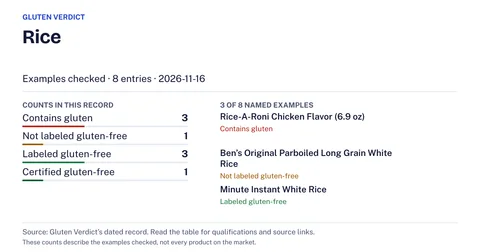 RiceNaturally gluten-free3 of 8 products we checked contain gluten: Rice-A-Roni Chicken Flavor (6.9 oz), Near East Original Rice Pilaf, and Ben’s Original Ready Rice Rice PilafBuy it labeled gluten-freechecked Nov 16, 2026
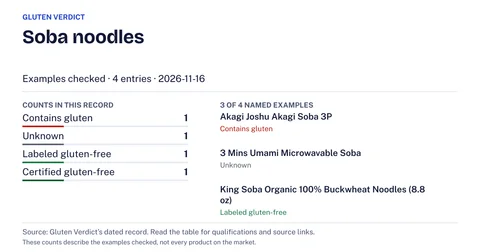 Soba noodlesDepends on the product1 of 4 products we checked contains gluten: Akagi Joshu Akagi Soba 3Pchecked Nov 16, 2026
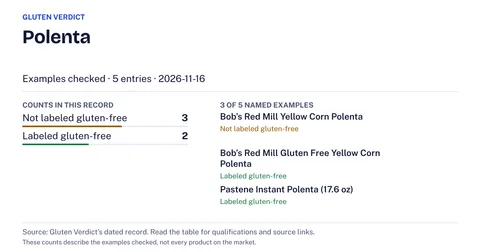 PolentaNaturally gluten-freeBuy it labeled gluten-freechecked Nov 16, 2026
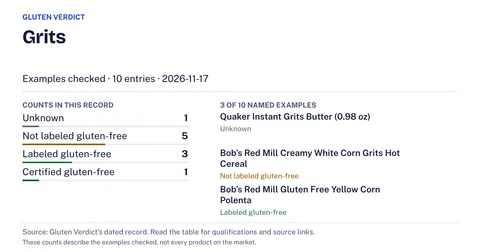 GritsNaturally gluten-freeBuy it labeled gluten-freechecked Nov 17, 2026
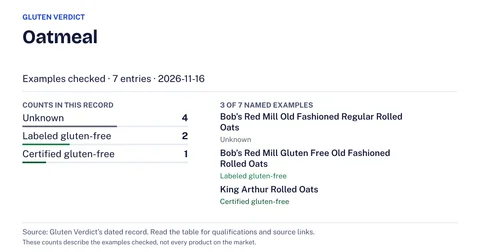 OatmealDepends on the productchecked Nov 16, 2026
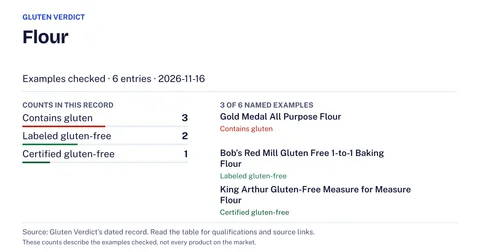 FlourContains glutenchecked Nov 16, 2026
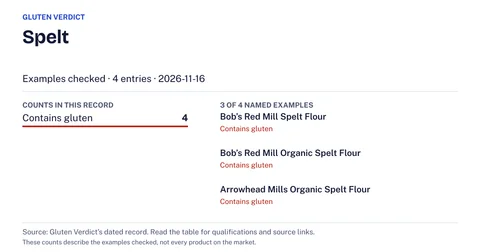 SpeltContains glutenchecked Nov 16, 2026
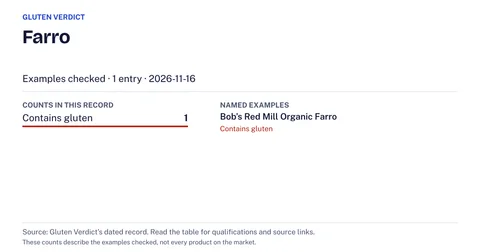 FarroContains glutenchecked Nov 16, 2026
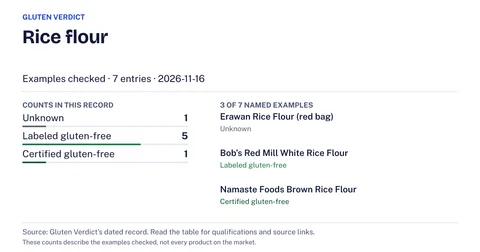 Rice flourNaturally gluten-freeBuy it labeled gluten-freechecked Nov 16, 2026
Questions people ask
Is quinoa gluten-free?
Quinoa is on both charities’ lists1, 14. Whether a particular bag is depends on how it was handled: Ancient Harvest and Bob’s Red Mill each state gluten-free for their quinoa19, 20, and on the day we read it GFCO’s Product Finder, searched by brand, listed no Ancient Harvest quinoa grain and no Bob’s Red Mill quinoa21, 22.
Is buckwheat a kind of wheat?
No. The Gluten Intolerance Group calls it a member of the rhubarb family10. Products can still combine the two, so read the ingredient list4.
Is wild rice rice?
In its rice entry, the Gluten Intolerance Group calls wild rice “an unrelated plant” and “another delicious option”2. NIDDK names rice among foods that are naturally gluten-free without additives or some seasonings37.
Does rinsing grain remove gluten?
The Gluten Intolerance Group describes rinsing, sorting and a jar method for grain that is not labeled gluten-free, and its page reports no gluten measurement for them13.
More in Grains, flours and substitutes
 Gluten-free flours and starches: what each one is and how to read the bagWhich flours and starches are gluten-free by nature, what a claim and a certification mark on the bag each mean, and how to read a blend’s list.
 Spelt, farro, Kamut, bulgur, couscous and freekeh: wheat under other namesWhich shop and menu names are wheat: spelt, farro, Kamut, einkorn, bulgur, couscous, freekeh and more, and what FDA’s rules say about them.
 Gluten-free substitutes: the swap for each wheat ingredient and the label check it needsA lookup table of gluten-free swaps for wheat flour, pasta, bread, soy sauce, beer and more, with the one label check each swap needs.
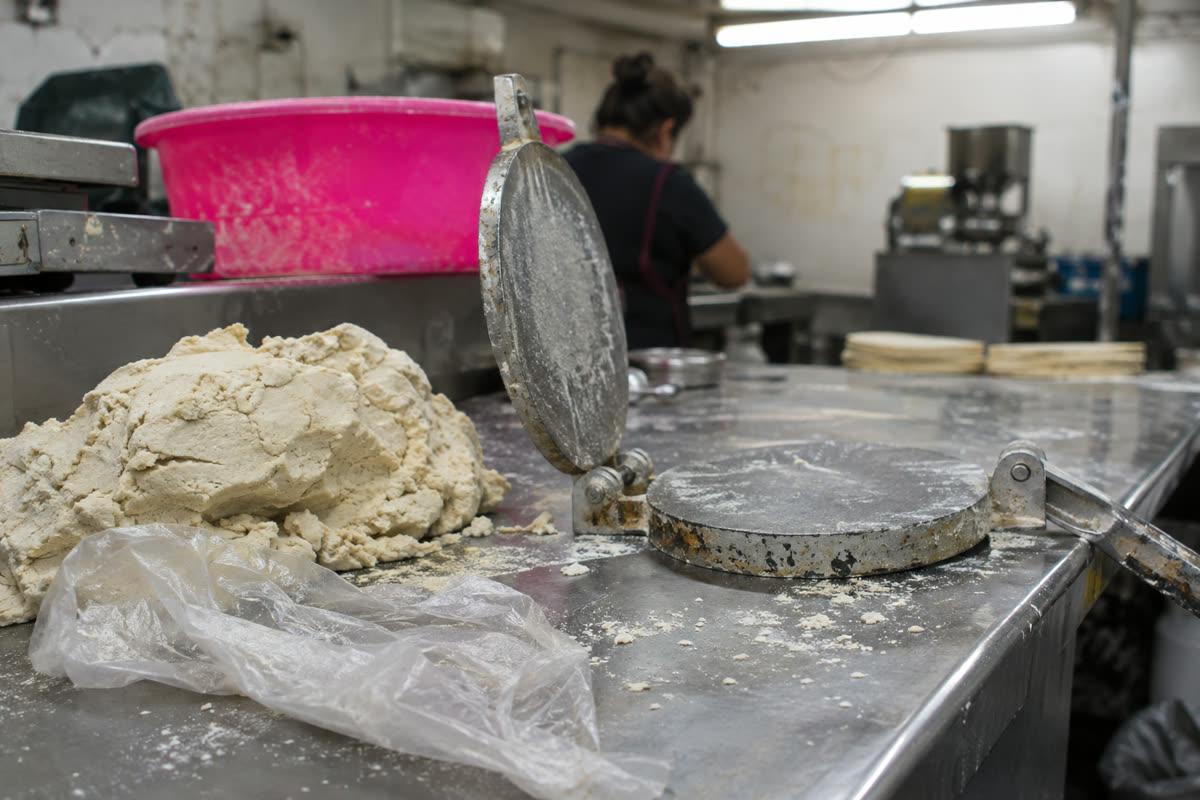 Cornmeal, grits, polenta and masa: where gluten can get inCorn is gluten-free, but mixes, blends and shared mills are not always. How to read cornmeal, grits, polenta, masa and cornbread labels for wheat.
 Gluten-free pasta and noodles: what to read on the boxHow to read a pasta or noodle box: the gluten-free claim, the ingredient list, same-brand wheat twins, and why soba and udon need a close read.
 Gluten-free thickeners: cornstarch, tapioca, arrowroot, potato starch and rice flourPick a gluten-free thickener for gravy, soup or pie filling, follow the maker's directions, choose slurry or roux, and spot wheat thickeners.
Related guides
 Deli, bakery and bulk-bin counters on a gluten-free dietFor each store counter (deli, bakery, bulk bins, bars): skip it, ask first, or buy the packaged item, and what a store’s own statement tells you.
 Certified or naturally gluten-free: when a seal mattersWhich naturally gluten-free foods are worth buying with a claim or seal: produce, grains, flours, oats and processed foods, with FDA rules and test data.
 The FDA gluten-free rule: what 21 CFR 101.91 requires and what 20 ppm measuresWhat FDA’s gluten-free rule requires, which claim words it covers, what 20 ppm means for a portion of food, and how FDA checks that a claim holds.
 Mechanically sorted or purity-protocol oats: what the makers' own pages sayTwo routes lead to a gluten-free oat label. See how to sort a pack by the maker's own words, which pages say what, and what they leave out.
Sources
- [1, 8, 9, 43] Celiac Disease Foundation, Gluten-free foods: naturally gluten-free grains and starches, checked Nov 17, 2026.
Read on 2026-11-17: the list headed “Naturally Gluten-Free Foods” names amaranth; arrowroot; beans; buckwheat groats (also known as kasha); cassava; chia; corn; flax; gluten-free oats; millet; nut flours; potato; quinoa; rice; sorghum; soy; tapioca; teff; and yucca. Wild rice is not on it.
- [2, 10, 14, 15, 51, 59] Gluten Intolerance Group, Alternative gluten-free grains and flour substitutes, checked Nov 17, 2026.
Read on 2026-11-17: the list headed “Alternative Grains” names amaranth; rice (with wild rice mentioned in its entry); buckwheat; cornmeal, polenta, grits and hominy; millet; oats; quinoa; sorghum; and teff.
- [3, 5, 11, 40, 42, 50] US Food and Drug Administration, Questions and Answers on the Gluten-Free Food Labeling Final Rule, checked Nov 17, 2026.
- [4, 39] Bob's Red Mill, Buckwheat Pancake Mix, checked Nov 17, 2026.
- [6, 7, 34] Gluten-Free Certification Organization, GFCO Product Finder, checked Nov 17, 2026.
Read the GFCO Product Finder results for “teff” on 2026-11-17: the list includes Teff Grain Ivory 1lb and Teff Grain Brown 1lb from Green Star Organic Milling (sales region US, Canada), alongside teff flours and teff products such as bread and penne.
- [12, 47] PubMed (Food Additives and Contaminants), Koerner et al. 2013: gluten contamination of naturally gluten-free flours and starches used by Canadians with celiac disease, checked Nov 17, 2026.
- [13, 56, 57, 58] Gluten Intolerance Group, Not labeled gluten-free? Washing and sorting beans and grains, checked Nov 17, 2026.
Read on 2026-11-17: the page opens by asking what to do if certified or labeled gluten-free beans and grains cannot be found at the store, then describes washing, visual sorting and a jar-and-water method for dry beans, rice, sorghum, millet, teff and amaranth. It reports no gluten test result or gluten level for any of them.
- [16, 30, 31, 32, 38] The Birkett Mills, Buckwheat FAQs, checked Nov 17, 2026.
- [17] Bob's Red Mill, Millet, checked Nov 17, 2026.
- [18] Bob's Red Mill, Whole Grain Sorghum, checked Nov 17, 2026.
- [19] Ancient Harvest, Traditional Quinoa, checked Nov 17, 2026.
- [20, 60] Bob's Red Mill, Organic White Quinoa, checked Nov 17, 2026.
- [21] Gluten-Free Certification Organization, GFCO Product Finder, brand search for Ancient Harvest, checked Nov 17, 2026.
Read the GFCO Product Finder results for the brand “Ancient Harvest” on 2026-11-17: the list names Ancient Harvest pastas (Corn, Brown Rice & Quinoa; Green Lentil & Quinoa; Red Lentil & Quinoa; Organic Gluten Free Pasta, Elbows) and “Organic Quinoa Flakes (Box)”; no quinoa grain product is listed.
- [22] Gluten-Free Certification Organization, GFCO Product Finder, brand search for Bob's Red Mill, checked Nov 17, 2026.
Read the GFCO Product Finder results for the brand “Bob's Red Mill” on 2026-11-17: four entries, Bob's Red Mill White Rice Flour 25 lbs, Bob's Red Mill Brown Rice Flour 25 lbs and Lemon Blueberry Homestyle Granola (a US entry and a Canada entry); no quinoa product is listed.
- [23, 24] PubMed (American Journal of Clinical Nutrition), Zevallos et al. 2012: variable activation of immune response by quinoa prolamins in celiac disease, checked Nov 17, 2026.
- [25, 26] PubMed (American Journal of Gastroenterology), Zevallos et al. 2014: gastrointestinal effects of eating quinoa in celiac patients, checked Nov 17, 2026.
- [27] Bob's Red Mill, Organic Amaranth Grain, checked Nov 17, 2026.
- [28] Gluten-Free Certification Organization, GFCO Product Finder search for amaranth, checked Nov 17, 2026.
Read the GFCO Product Finder results for “amaranth” on 2026-11-17: the list includes amaranth grain, amaranth flour and amaranth flakes from several brands, among them Andean Star, GoGo Quinoa and Agriprocess SAC.
- [29] Bob's Red Mill, Organic Buckwheat Groats, checked Nov 17, 2026.
- [33] Bob's Red Mill, Whole Grain Teff, checked Nov 17, 2026.
- [35] Lundberg Family Farms, Organic Wild Rice, 8 oz, checked Nov 17, 2026.
Read on 2026-11-17: the badge list on the product page names Regenerative Organic Certified, USDA Organic, Certified Organic by CCOF, Non-GMO Project Verified, Certified Gluten-Free, Vegan, Kosher and a whole grain badge. The list does not say who certifies it as gluten-free.
- [36] Gluten-Free Certification Organization, GFCO Product Finder search for wild rice, checked Nov 17, 2026.
Read the GFCO Product Finder results for “wild rice” on 2026-11-17: the list includes wild rice from Gourmet House, Roland, Riviana and Lundberg Family Farms (an entry named “ROC Wild Rice 8oz US” among them), and organic wild rice from Sprouts Farmers Market (sales region US).
- [37, 44] National Institute of Diabetes and Digestive and Kidney Diseases (NIDDK), Eating, diet and nutrition for celiac disease, checked Nov 17, 2026.
- [41, 53, 54] Celiac Disease Foundation, Sources of gluten, checked Nov 17, 2026.
Read on 2026-11-17: under the heading “Common Foods That Contain Gluten”, the Noodles line reads “ramen, udon, soba (those made with only a percentage of buckwheat flour) chow mein, and egg noodles. (Note: rice noodles and mung bean noodles are gluten free)”.
Read on 2026-11-17: the list headed “Gluten-Containing Grains and Their Derivatives” names wheat; varieties and derivatives of wheat (wheatberries, durum, emmer, semolina, spelt, farina, farro, graham, KAMUT® khorasan wheat, einkorn wheat); rye; barley; triticale; malt in various forms; brewer’s yeast; and wheat starch that has not been processed to remove gluten to below 20 ppm.
- [45, 46] PubMed (Journal of the American Dietetic Association), Thompson et al. 2010: gluten contamination of grains, seeds and flours in the United States, a pilot study, checked Nov 17, 2026.
- [48, 49] PubMed (Journal of Food Protection), Koerner et al. 2026: Canadian retail survey of gluten-free products and products that contain inherently gluten-free ingredients, checked Nov 17, 2026.
- [52] Bob's Red Mill, 10 Grain Hot Cereal, checked Nov 17, 2026.
- [55] Gluten Intolerance Group, 7 tips for avoiding gluten cross-contact at home, checked Nov 17, 2026.