Eating gluten-free in Thailand: sauces, noodles and street stalls
Short answer
GIG lists rice, rice noodles, fish sauce and coconut milk among Thai ingredients that are naturally gluten-free26; wheat can come in through the sauces added at the wok: Maggi’s Thai yellow-cap sauce page recommends that sauce for every stir-fried dish and names wheat16, 23. So the answer depends on the sauce, the noodle and the oil. Ask about these, in order:
- Sauces first: Maggi’s Thai pages name wheat for its red-cap seasoning sauce, its yellow-cap and green-cap cooking sauces, its dipping sauce and its reduced-sodium oyster sauce15, 16, 17, 18, 19.
- Noodles: GIG says to choose rice noodles and avoid egg noodles29.
- Batter and oil: GIG says the batter on fried items might be wheat-flour based, and that cross-contact is more likely when gluten-containing and gluten-free items share the oil30.
- Packs: look for ไม่มีกลูเตน or “gluten free”, the only wording Thailand’s Notification No. 384 allows for the claim5, and read the allergen line11.
- A card: GIG recommends a printed translation card when the main language is not yours32.
- Gluten-free limit
- no more than 20 milligrams of gluten per kilogram of the final product, written into the rule for foods made with a gluten grain processed to remove gluten; the other categories are defined by naturally gluten-free ingredients3, 4
- Set by
- Ministry of Public Health Notification (No. 384) B.E. 2560 (2017), labeling of gluten-free food1
- Oats
- Oats are named, with wheat, rye and barley, in the notification’s definition of gluten; we found no separate oat provision2
Part of Travel: Asia and the Middle East, 12 guides

Key points
- Thailand’s own gluten-free labeling rule is Ministry of Public Health Notification (No. 384) B.E. 2560 (2017)1, applying from 5 April B.E. 25606.
- Its limit of no more than 20 milligrams per kilogram is written into the category of foods made with a gluten grain processed to remove gluten; the other three categories are defined by naturally gluten-free ingredients3, 4.
- The Thai definition of gluten names oats with wheat, rye and barley2; FDA’s list for the US claim names wheat, rye, barley and crossbred hybrids36.
- Maggi Thailand’s regular oyster sauce page lists no wheat and has no allergen line20, 21, while its reduced-sodium oyster sauce page names wheat19.
- Notification No. 450 exempts food that a producer can describe to the consumer at that time, such as food hawkers and food stalls, from its labeling requirement9, so at a stall the bottle and the cook are the sources.
Why a US gluten-free habit does not carry over to Thai packs
On a Thai pack, a gluten-free claim is governed by a Thai notification: Ministry of Public Health Notification (No. 384) B.E. 2560 (2017), headed “การแสดงฉลากอาหารไม่มีกลูเตน”, which we read as “labeling of gluten-free food”1. The Thai FDA’s own clarification says it applies from 5 April B.E. 25606, and the Thai FDA’s law page lists it under that same heading8.
English renderings of Thai text on this page are ours, read from the Thai originals cited. Where a source prints its own English (“gluten free”, “being specially processed to remove gluten”), we use that. Notification No. 450 is cited from the Thai FDA’s unofficial English translation.
| Point | United States (FDA) | Thailand (Notification No. 384) |
|---|---|---|
| Wording allowed | “gluten-free”, “free of gluten”, “without gluten” and “no gluten”35 | ไม่มีกลูเตน or “gluten free” only5 |
| The number | Less than 20 parts per million (ppm) of gluten, including any unavoidable presence34 | No more than 20 milligrams per kilogram in the final product, written into the category of foods made with a gluten grain processed to remove gluten; the other categories are defined by naturally gluten-free ingredients3, 4 |
| Oats | Not among the grains FDA names (wheat, rye, barley and their crossbred hybrids); oats labeled gluten-free must still contain less than 20 ppm36, 37 | Named, with wheat, rye and barley, in the notification’s definition of gluten2 |
| Allergen line | FALCPA’s definition of a major food allergen names wheat; it does not name barley or rye39 | The cereal entry covers wheat, rye, barley, oat, spelt and their hybrids, with four exceptions (see the street-stall section)12 |
The two rules share the number 20 but are built differently, so read a Thai gluten-free claim as Thailand’s claim, not as FDA’s. How other countries word their rules is in gluten-free labeling laws by country.
Dish by dish: where wheat can come in
These are the places to ask about, not a verdict on any dish: the answer depends on the bottle and on the cook.
| Dish or stall item | What to ask about | What a source says |
|---|---|---|
| Stir-fried dishes, including fried rice | The sauce poured in at the wok | Maggi’s Thai page for its yellow-cap cooking sauce recommends it for every stir-fried dish, naming American fried rice, stir-fried vegetables with shrimp and pork with garlic and pepper among its examples23, and the page names wheat from the soybean fermentation16. |
| Pad thai and other rice-noodle stir-fries | The noodle first, then the sauce | GIG says rice noodles are almost always gluten-free and to confirm that they are rice noodles27, and to avoid egg noodles29. Our rice noodles verdict covers packaged noodles. |
| Curries, marinated and grilled meat; see curry and coconut milk | The seasoning sauce in the marinade or stirred in, and the curry paste | Maggi’s green-cap page recommends that sauce for marinating, frying and grilling and names spicy pork curry and yellow curry with sea bass among Thai dishes24; the page names wheat from the soybean fermentation17. GIG lists coconut milk among naturally gluten-free Thai ingredients26. |
| Fried tofu and other fried items | Wheat-flour batter, and oil shared with other fried food | GIG: the batter on fried tofu or other food “might be wheat flour based”, and cross-contact is more likely when gluten-containing and gluten-free items are fried in the same oil30. |
| A bottle on the table | Which bottle, and what its allergen line says | Maggi’s dipping-sauce page presents the sauce for drizzling on takeaway and made-to-order dishes, not only egg dishes25, and names wheat from the soybean fermentation18. Its red-cap Seasoning page lists wheat and says it contains gluten in wheat15. |
| Plain rice, fish sauce, coconut milk | The brand, and what else is in the bottle or can | GIG lists rice, fish sauce and coconut milk as naturally gluten-free Thai ingredients26. The Thai Kitchen fish sauce page lists anchovy, sea salt, water and sugar42. |
Our verdicts for hoisin sauce and sriracha cover two more bottled sauces.
Sauces: what Maggi’s Thai pages say, bottle by bottle
Maggi’s Thailand site lists its seasoning sauces by cap colour22. On 2026-11-17 we read the ingredient list and allergen line on six of its product pages. The English below is our rendering of the Thai.
| Product | Ingredient list | Allergen line on the page |
|---|---|---|
| Seasoning sauce, red cap15 | Lists wheat, 15% | States that it contains gluten in wheat |
| Cooking sauce, yellow cap16 | Lists naturally fermented soy sauce, 8% | Wheat in the natural fermentation of soybeans |
| Cooking sauce, green cap17 | Lists naturally fermented soy sauce, 3% | Wheat in the natural fermentation of soybeans |
| Dipping sauce18 | Lists Japanese-style naturally fermented soy sauce, 11% | Wheat in the natural fermentation of soybeans |
| Oyster sauce, regular20, 21 | Lists salt, sugar, modified starch, oyster extract and additives; no wheat named; the source of the modified starch is not stated | No allergen line on the page |
| Oyster sauce, reduced sodium19 | Lists naturally fermented soy sauce, 1.5% | Names wheat and soybean from the fermentation of the soy sauce |
Two oyster sauces from one maker gave different answers, so the words “oyster sauce” settle nothing. US pages show the same split: Lee Kum Kee’s Premium Oyster Sauce page lists wheat flour40, while the page for its Panda Brand gluten-free oyster sauce lists no wheat41. Those are US-market pages and do not tell you what a Thai bottle holds. See our oyster sauce verdict.
Regular soy sauce is the baseline: FDA describes soy sauce as ordinarily made by fermenting soybeans and wheat, though some is made without wheat38. Fish sauce is a different case: GIG describes it as a naturally gluten-free ingredient made from fermented anchovies28. Several of these bottles also list monosodium glutamate16, 17, 18, 19, 20; our MSG verdict covers it.
Noodles: ask rice, egg or wheat
GIG says to choose rice noodles and avoid egg noodles, and to choose steamed rice when there is any doubt29. It calls rice noodles almost always gluten-free while telling you to confirm that they are rice noodles27.
The Thai FDA’s clarification of its gluten-free notification lists noodles made from rice flour among its examples of foods made with naturally gluten-free grains, tubers or flours7. That says what can carry the claim; it says nothing about any one stall’s noodles.
We found no source that maps Thai noodle names to their ingredients, so this guide does not. Ask whether the noodle is a rice noodle.
Street stalls: no label, a shared wok and a bottle
Notification No. 450, Thailand’s labeling rule for prepackaged food, exempts food that the producer can describe to the consumer at that time, naming food hawkers and food stalls9. Under that exemption a stall’s dish need not carry a label, so the information has to come from the cook.
A bottled sauce is a different thing: the same notification requires text in Thai on the label of prepackaged food made or imported for sale10, and prescribes an allergen statement worded “Information for food allergy: contains …”, though it lets similar meaningful phrases replace the opening words11.
- Ask the cook to show the bottles used for your dish, and photograph the allergen line on each (Maggi’s pages head theirs ข้อมูลสำหรับผู้แพ้อาหาร15).
- Ask whether the noodle is a rice noodle, and whether the dish gets seasoning, soy or oyster sauce.
- Ask whether your food is cooked in oil or on a surface shared with battered or wheat-containing food. GIG lists separate fryers and utensils among the questions to put to staff33.
- If the answers are unclear, GIG’s advice for a doubtful noodle dish is steamed rice29.
Read the ingredient list too. The notification’s allergen entry for cereals containing gluten lists four exceptions: wheat-based glucose syrups including dextrose, wheat-based maltodextrins, glucose syrups based on barley, and alcohol distilled from cereals12. The allergen line is one check, not the whole answer.
In the part of its Asian-cuisine guide about shopping at Asian grocery stores, GIG writes that there is a lack of awareness and understanding of gluten-free diets in some Asian cultures31. That is a general statement, not a finding about Thailand or its stalls.
Reading a Thai pack: the words to look for
Under Notification No. 384, a gluten-free statement uses only one of two wordings, and a food made from a gluten grain processed to remove gluten must carry a second statement saying so5.
| Thai | English | Where a source gives it |
|---|---|---|
| ไม่มีกลูเตน | gluten free | Notification No. 384 gives this Thai wording and “gluten free” as its two allowed wordings5 |
| ผ่านกระบวนการกําจัดกลูเตน | being specially processed to remove gluten | The same clause pairs these5 |
| กลูเตน | gluten | The notification defines “กลูเตน (gluten)”2 |
| ข้าวสาลี ข้าวไรย์ ข้าวบาร์เลย์ ข้าวโอ๊ต | wheat, rye, barley, oat | The definition lists them in this order2; No. 450’s English lists wheat, rye, barley, oat in the same order12 |
| ข้อมูลสำหรับผู้แพ้อาหาร | information for food allergy | Printed on Maggi’s red-cap seasoning sauce page15; No. 450 prescribes the statement “Information for food allergy: contains …”11 |
We have not written a Thai sentence for you. A sentence needs a native speaker’s review, and no page we read supplies one. GIG recommends carrying a printed translation card when the main language is not yours32; show the words above next to it.
What we could not confirm
- The Thai FDA’s English text of Notification No. 450 is marked unofficial: “In case of any discrepancy between the Thai original and the English translation, the former will take priority.”13
- That English text carries footnotes saying parts of the notification were revised by Notification No. 474 B.E. 2569 (2026), published in the Government Gazette on 30 October 202614. We did not find No. 474 itself. None of the footnote marks we saw sits on the stall exemption or the allergen entry, but the amending notification’s own transitional clause refers to “Clause 3 (1), second paragraph, (a)–(i)”43, which sits in the same clause as the exemption, so check the current Thai text before relying on the exemption.
- The Thai FDA’s law page lists Notification No. 384 with a Thai-language PDF only8. We found no English text and no amendment for it, and our reading of the Thai is our own.
- We found no source on 7-Eleven or other Thai chain shelves, none for the Thai names of noodles, and none for restaurants that cook gluten-free to a stated standard, so this guide covers none of them.
Verdicts in this guide
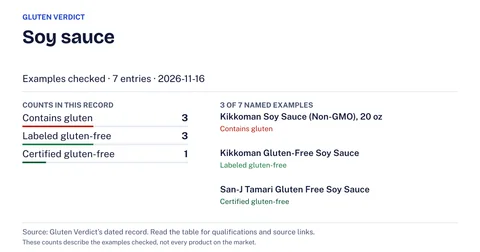 Soy sauceDepends on the product3 of 7 products we checked contain gluten: Kikkoman Soy Sauce (Non-GMO), 20 oz; San-J Organic Shoyu Soy Sauce; and Lee Kum Kee Premium Soy Sauce (No Preservatives Added)checked Nov 16, 2026
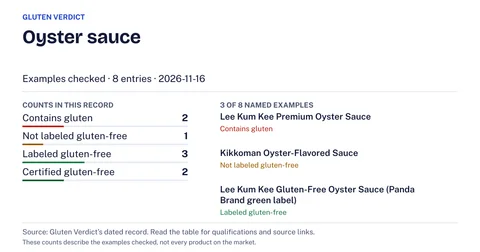 Oyster sauceDepends on the product2 of 8 products we checked contain gluten: Lee Kum Kee Premium Oyster Sauce and Lee Kum Kee Panda Brand Oyster Flavored Saucechecked Nov 16, 2026
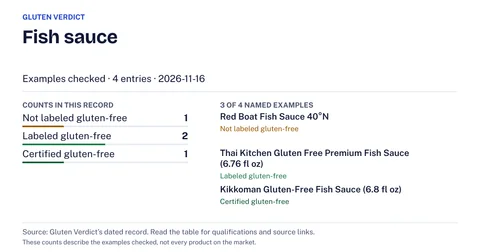 Fish sauceDepends on the productchecked Nov 16, 2026
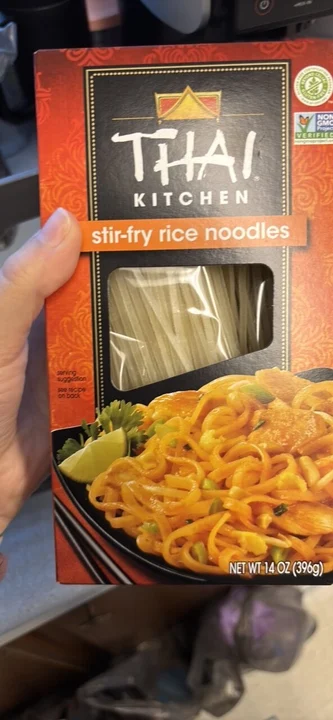 Rice noodlesNaturally gluten-free2 of 9 products we checked contain gluten: Annie Chun’s Pad Thai Noodle Bowl with Vegetables and Annie Chun’s Pho Soup Bowl with VegetablesBuy it labeled gluten-freechecked Nov 16, 2026
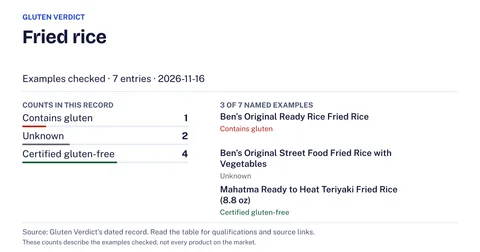 Fried riceDepends on the product1 of 7 products we checked contains gluten: Ben’s Original Ready Rice Fried Ricechecked Nov 16, 2026
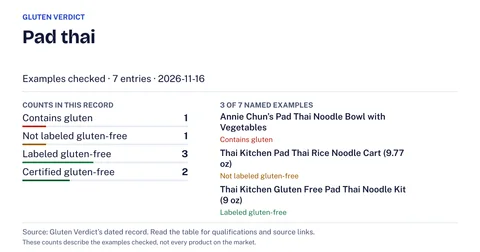 Pad thaiDepends on the product1 of 7 products we checked contains gluten: Annie Chun’s Pad Thai Noodle Bowl with Vegetableschecked Nov 16, 2026
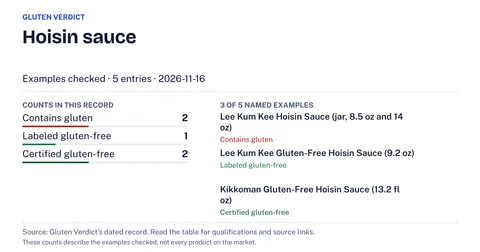 Hoisin sauceDepends on the product2 of 5 products we checked contain gluten: Lee Kum Kee Hoisin Sauce (jar, 8.5 oz and 14 oz) and Kikkoman Hoisin Sauce (9.3 oz)checked Nov 16, 2026
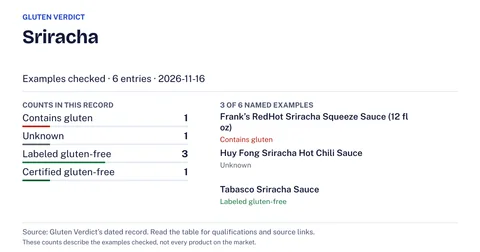 SrirachaDepends on the product1 of 6 products we checked contains gluten: Frank’s RedHot Sriracha Squeeze Sauce (12 fl oz)checked Nov 16, 2026
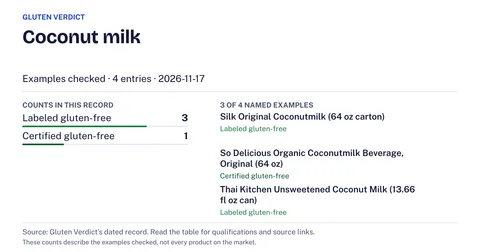 Coconut milkNaturally gluten-freechecked Nov 17, 2026
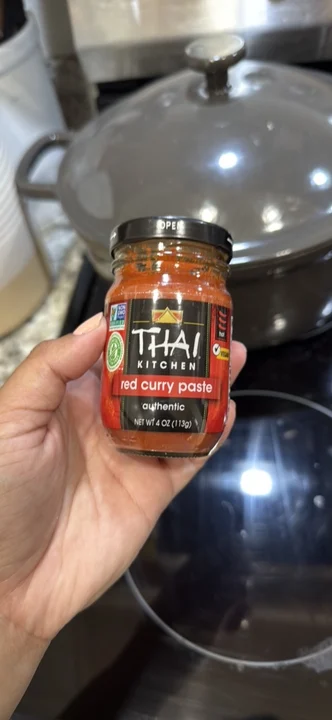 CurryDepends on the product2 of 11 products we checked contain gluten: S&B Golden Curry Mix, Mild (curry roux block) and S&B Golden Curry Sauce with Vegetables, Mild (pouch)checked Nov 16, 2026
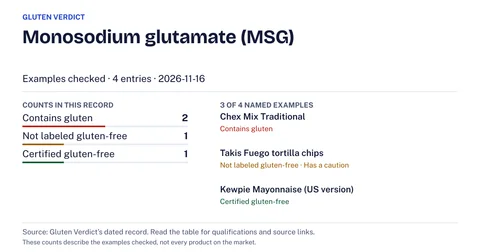 Monosodium glutamate (MSG)Naturally gluten-free2 of 4 products we checked contain gluten: Chex Mix Traditional and S&B Golden Curry Mix (Mild)checked Nov 16, 2026
Questions people ask
Is soy sauce in Thailand gluten-free?
Check the bottle. Maggi’s Thai pages for its red-cap seasoning sauce, its yellow-cap and green-cap cooking sauces and its dipping sauce all name wheat15, 16, 17, 18, and FDA says soy sauce is ordinarily made by fermenting soybeans and wheat38. Our soy sauce verdict compares brands.
Is oyster sauce gluten-free in Thailand?
It depends on the bottle. Maggi’s regular oyster sauce page lists no wheat and has no allergen line20, 21, while its reduced-sodium oyster sauce page names wheat and soybean from the soy sauce in it19.
Is fish sauce gluten-free?
GIG describes fish sauce as a naturally gluten-free ingredient made from fermented anchovies28, and the Thai Kitchen page lists anchovy, sea salt, water and sugar42. Read the label of the bottle in front of you.
Does ไม่มีกลูเตน mean the same as the US gluten-free claim?
Not exactly. Thailand’s notification allows two wordings and names oats among the gluten grains5, 2; FDA’s rule uses its own list of grains and states its limit as less than 20 ppm36, 34.
Are rice noodles gluten-free in Thailand?
GIG says rice noodles are almost always gluten-free and to confirm that they are rice noodles27.
More in Travel: Asia and the Middle East
 Gluten-free in China: wheat staples, sauces, hot pot and the label rulesWhere wheat sits in Chinese staples, sauces and hot-pot bases, what China’s label standard requires, and the Chinese words it prints for wheat and gluten.
 Gluten-free in Singapore: hawker noodles, soya sauce and the new label ruleWhich Singapore hawker noodles are rice and which wheat, where soya and oyster sauce come in, and what the Food Agency's gluten-free label means.
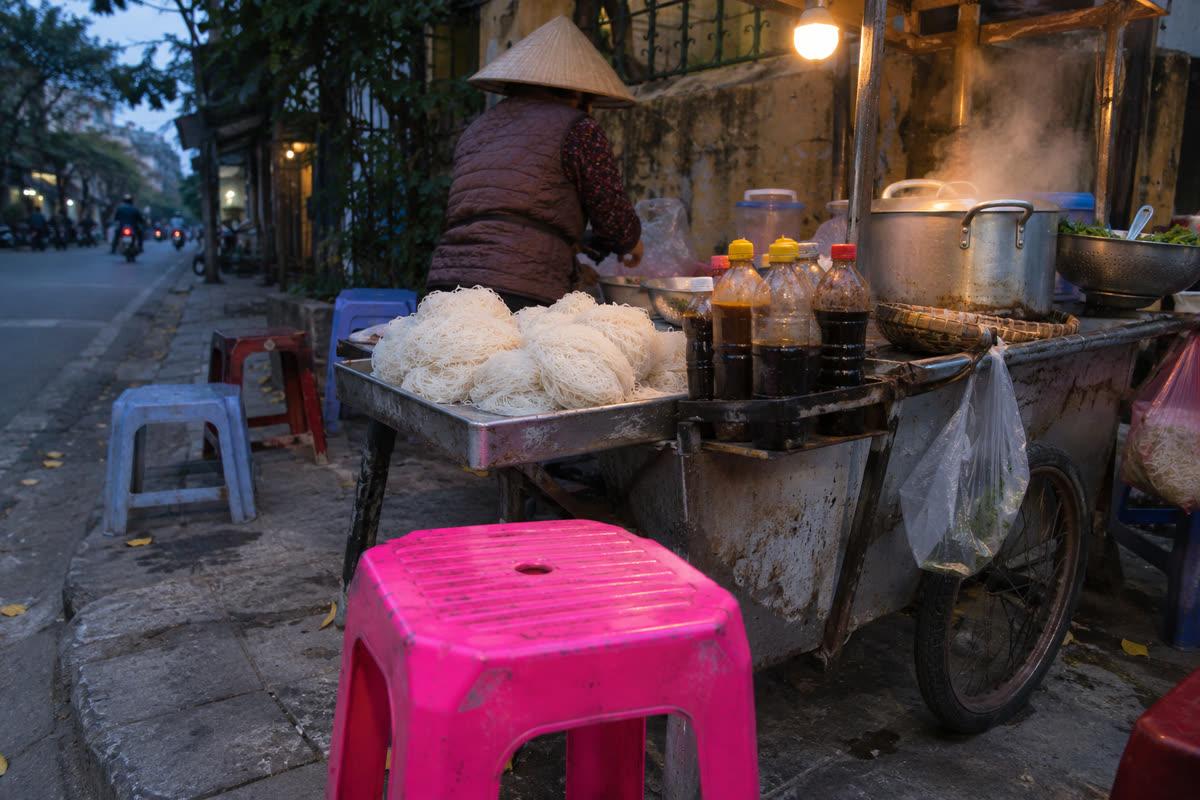 Gluten-free in Vietnam, the Philippines, Malaysia, Indonesia and Taiwan: sauces, noodles and label rulesWhere wheat enters a Southeast and East Asian meal, what four regulators print about gluten cereals, and the one country whose rule we could not read.
 Gluten-free in Hong Kong: dim sum wrappers, noodles, sauces and the packet labelSort Hong Kong dim sum, noodle-shop and sauce choices by wrapper, noodle and ingredient, and read what a Hong Kong packet must name.
 Gluten-free in South Korea: where wheat and barley turn up at a Korean tableWhere wheat and barley turn up in Korean food: marinades, ganjang, doenjang, gochujang, noodles, barley tea, and what a Korean label says.
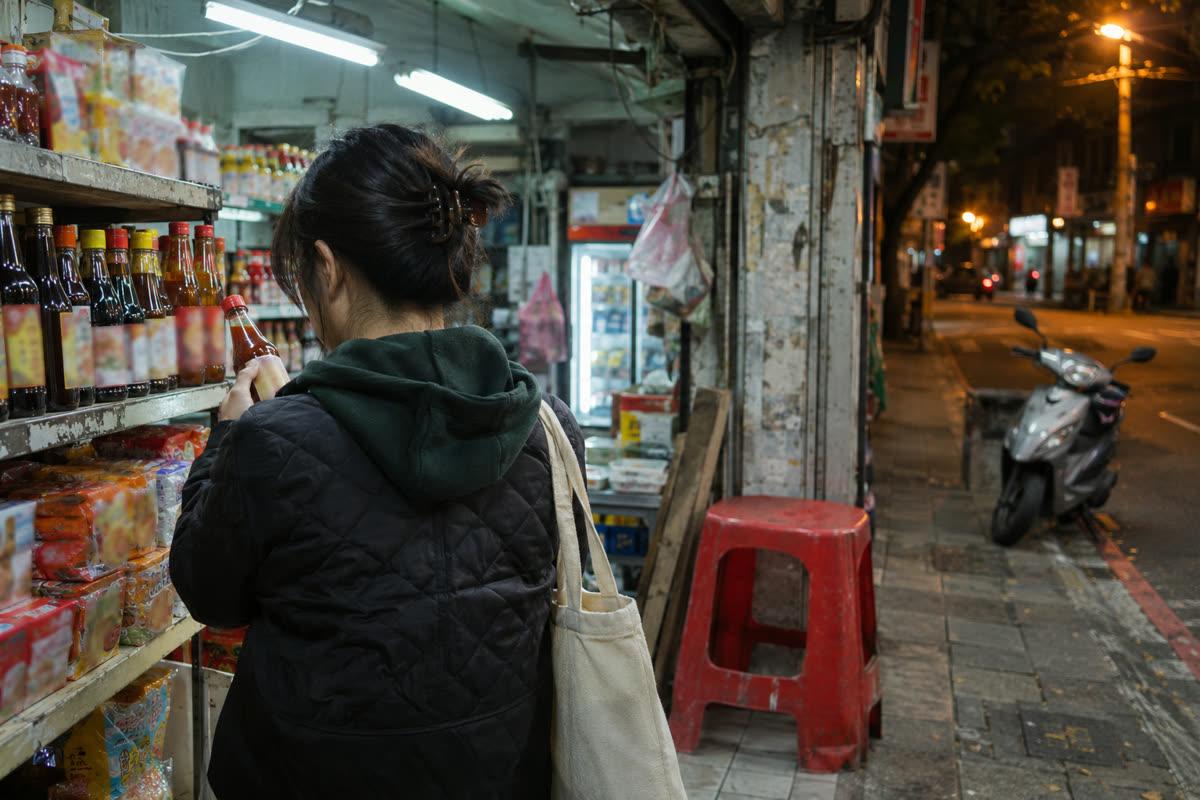 What “gluten-free” means on a pack in Asia, country by countryWhat a gluten-free claim requires in six Asian countries, what Japan, Hong Kong, Taiwan and China print instead, and how to read a pack in hand.
Related guides
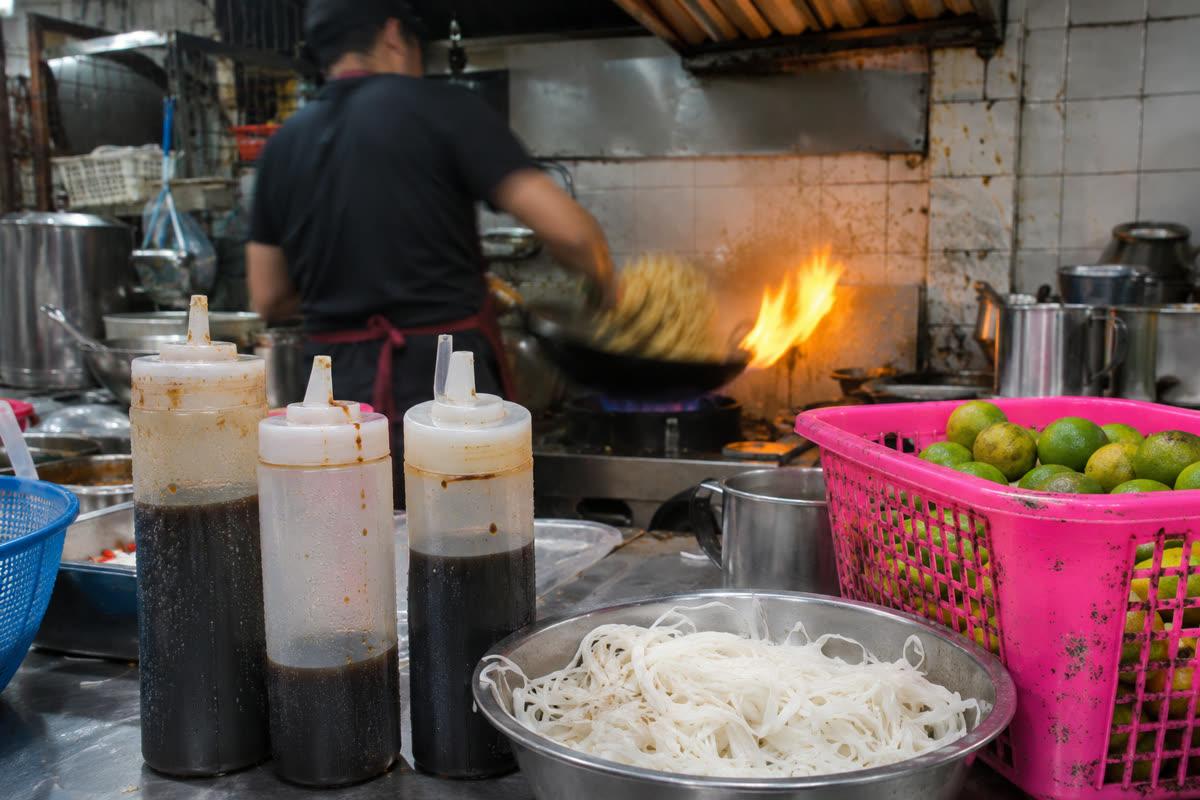 Ordering at a Thai restaurant when you avoid gluten: sauces, noodles and woksWhich Thai sauces, noodles, coatings and kitchen habits can bring in wheat, and the questions to ask before you order at a Thai restaurant.
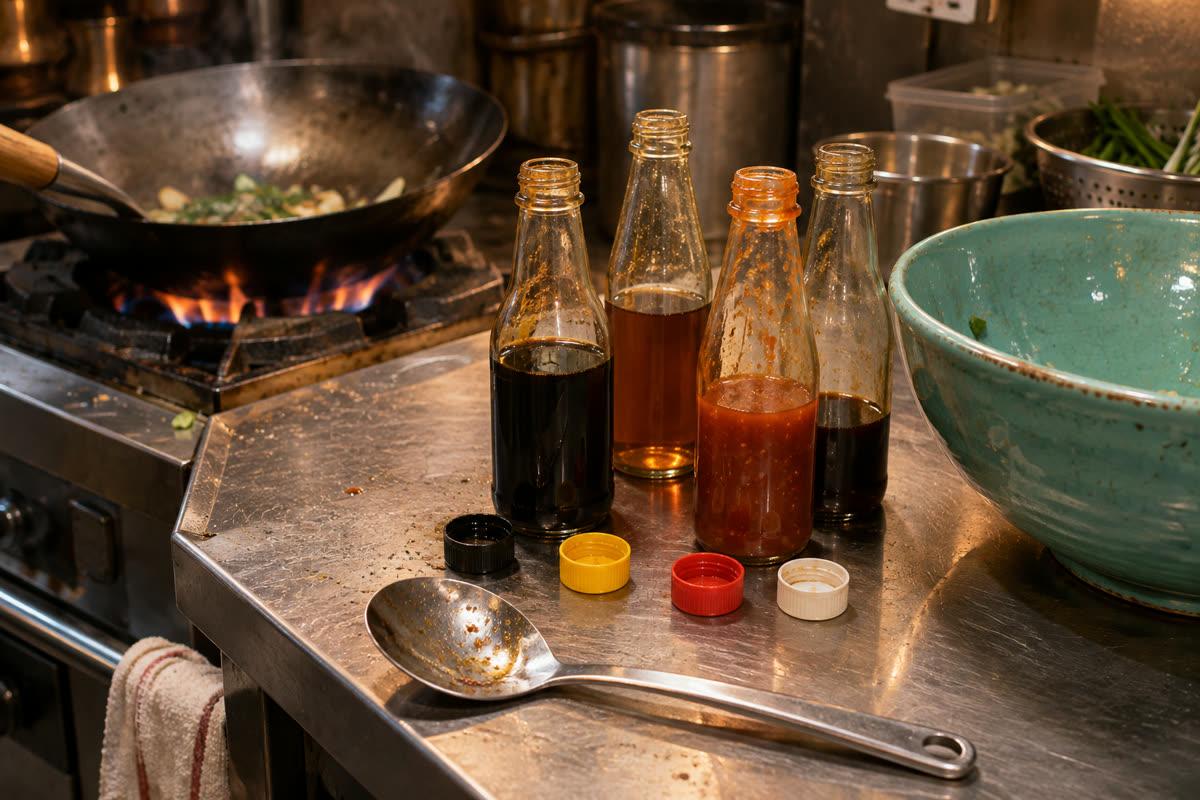 Soy, hoisin, oyster, teriyaki and fish sauce: which bottles carry wheatSoy, hoisin, oyster, teriyaki and fish sauce compared by the ingredient lists of Kikkoman, Lee Kum Kee, San-J and Red Boat, plus what to ask at a counter.
 Gluten-free labeling rules by country: ceilings, claim wording and where no rule was foundLook up the gluten-free limit and claim wording for the US, Canada, EU, UK, Australia, New Zealand and more, each figure tied to the page we read.
 Gluten-free dining cards in other languages: where the wording comes fromWhich gluten-free card wording comes from EU law or a celiac society, which cards are members-only, and how to hand one to a server.
Sources
- [1, 2, 3, 4, 5] Thai Food and Drug Administration (Ministry of Public Health), Ministry of Public Health Notification (No. 384) B.E. 2560, labeling of gluten-free food (Thai, Royal Gazette text), checked Nov 17, 2026.
- [6, 7] Thai Food and Drug Administration (Ministry of Public Health), Clarification of Notification No. 384 (Thai Food and Drug Administration notice, Thai), checked Nov 17, 2026.
Read on 2026-11-17: item 6 of the notice says the notification applies from 5 April B.E. 2560 (ประกาศนี้ให้ใช้บังคับนับตั้งแต่วันที่ ๕ เมษายน พ.ศ. ๒๕๖๐ เป็นต้นไป).
Read on 2026-11-17: item 1(3) of the notice gives as examples of foods made from naturally gluten-free grain or flour noodles from rice flour (เส้นก๋วยเตี๋ยวจากแป้งข้าวจ้าว), cookies made from rice flour and rice crackers (ข้าวแต๋น).
- [8] Thai Food and Drug Administration (Ministry of Public Health), Law and regulation: food labelling notifications, checked Nov 17, 2026.
Read on 2026-11-17: the page lists, under the heading “การแสดงฉลากอาหารไม่มีกลูเตน”, the Ministry of Public Health Notification (No. 384) B.E. 2560 on that subject, with a Thai-language PDF link and a Thai-language clarification, and no English text or amendment for it.
- [9, 10, 11, 12, 13, 14, 43] Thai Food and Drug Administration (Ministry of Public Health), Notification No. 450 B.E. 2567 (2024), labeling of prepackaged foods (unofficial English), checked Nov 17, 2026.
- [15] Maggi Thailand (Nestlé), ซอสแม็กกี้ ฝาแดง แม็กกี้ Seasoning (red-cap seasoning sauce), ingredients and allergen line, checked Nov 17, 2026.
- [16, 23] Maggi Thailand (Nestlé), ซอสแม็กกี้ฝาเหลือง (yellow-cap cooking sauce), ingredients and allergen line, checked Nov 17, 2026.
- [17, 24] Maggi Thailand (Nestlé), ซอสแม็กกี้ฝาเขียว (green-cap cooking sauce), ingredients and allergen line, checked Nov 17, 2026.
- [18, 25] Maggi Thailand (Nestlé), ซอสเหยาะจิ้มแม็กกี้ (dipping sauce), ingredients and allergen line, checked Nov 17, 2026.
- [19] Maggi Thailand (Nestlé), ซอสหอยนางรม แม็กกี้ สูตรลดโซเดียม (reduced-sodium oyster sauce), ingredients and allergen line, checked Nov 17, 2026.
- [20, 21] Maggi Thailand (Nestlé), ซอสหอยนางรมแม็กกี้ (oyster sauce), ingredient list, checked Nov 17, 2026.
Read on 2026-11-17: the page has a product description and an ingredient list, and no line headed ข้อมูลสำหรับผู้แพ้อาหาร (information for food allergy) and no mention of gluten (กลูเตน) or wheat (ข้าวสาลี).
- [22] Maggi Thailand (Nestlé), ผลิตภัณฑ์ซอสแม็กกี้ (product list), checked Nov 17, 2026.
Read on 2026-11-17: the product list names its sauces by cap colour: ซอสแม็กกี้ ฝาแดง (red cap), ซอสแม็กกี้ฝาเหลือง (yellow cap) and ซอสฝาเขียว (green cap), alongside its dipping sauce and two oyster sauces.
- [26, 27, 28, 29, 30] Gluten Intolerance Group, Exploring Thai Cuisine on a Gluten-Free Diet, checked Nov 17, 2026.
Read on 2026-11-17: under the line “All food items listed below are naturally gluten-free and are commonly found in Thai cuisine.” the page lists rice, rice noodles, fish sauce, palm sugar, tamarind paste, shrimp paste, Thai chilies, lemongrass and kaffir leaves, and coconut milk.
- [31] Gluten Intolerance Group, Explore Asian Cuisine – Gluten-Free, checked Nov 17, 2026.
- [32] Gluten Intolerance Group, Traveling Gluten-Free with Confidence, checked Nov 17, 2026.
- [33] Gluten Intolerance Group, Traveling Gluten-Free, checked Nov 17, 2026.
- [34, 35, 36, 37, 38] US Food and Drug Administration, Questions and Answers on the Gluten-Free Food Labeling Final Rule, checked Nov 17, 2026.
- [39] US Food and Drug Administration, Food Allergen Labeling and Consumer Protection Act of 2004 (FALCPA), checked Nov 17, 2026.
- [40] Lee Kum Kee (USA), Premium Oyster Flavored Sauce, ingredient list, checked Nov 17, 2026.
- [41] Lee Kum Kee (USA), Gluten Free Oyster Sauce (Panda Brand green label), ingredient list, checked Nov 17, 2026.
- [42] McCormick (Thai Kitchen), Thai Kitchen Gluten Free Premium Fish Sauce, ingredient list, checked Nov 17, 2026.