Gluten-free at Hannaford: what Guiding Stars does and does not tell you
Short answer
Guiding Stars rates nutrition, and its published method names no gluten or allergen component, so a star count says nothing about gluten1, 2. Treat stars and gluten as two separate checks:
- Stars: nutrition only. Hannaford’s own whole wheat bread listing shows Guiding Stars and “Contains: wheat, soy.”10, 11.
- Claim: look for “gluten-free” on the pack. On foods FDA regulates, any unavoidable gluten in a food labeled that way must be under 20 parts per million17.
- Contains line and ingredient list: a Contains line that names no wheat does not clear a food of barley or rye23.
- Online orders: leave a note on any item you do not want substituted29, and read the label of anything that arrives in its place.
Part of Store guides: regional supermarket chains, 15 guides
Key points
- No star on a pack does not mean gluten: Guiding Stars says a missing icon means the item did not earn a star5.
- “Gluten-free” is a voluntary claim, and FDA does not require makers to test for gluten before making it18, 19.
- Hannaford says its website data for packaged products comes from labels and suppliers, so the pack in your hand has the final word16.
What Hannaford’s own pages show about stars and gluten
On Hannaford’s product pages, “Gluten Free” and “Guiding Stars” are separate entries in the Highlights list. We read four pages on 2026-11-17; a gluten claim and a star can each appear without the other.
| Product page | Highlights list | What the page says about gluten |
|---|---|---|
| Hannaford Gluten Free Wavy Potato Chips9 | Gluten Free, Kosher, Guiding Stars9 | Details text includes “Gluten Free.” and names no certification mark8, 9. See our chips verdict for other brands. |
| Hannaford Whole Grain Whole Wheat Bread Sliced, 16 oz11 | Kosher, Guiding Stars11 | Warnings read “Contains: wheat, soy.”10 |
| Hannaford Gluten Free Toasted Rice Cereal12 | Gluten Free, Kosher; no Guiding Stars entry12 | Details text includes “Gluten free.” and names no certification mark12 |
| Nature’s Promise Gluten Free All Purpose Flour Blend13 | Dairy Free, Gluten Free, Kosher, Sustainable Rating; no Guiding Stars entry13 | Details text includes “Certified gluten free. gfco.org.”14 |
The bread carries a star and wheat; the cereal and the flour blend carry a gluten claim and no star entry. Hannaford’s FAQ also lists a search filter for “food allergies” next to the Guiding Star ratings15, so the two sit side by side on the site as separate tools.
Hannaford’s FAQ says that for packaged products its nutrition facts and ingredients are collected from product labels and suppliers, and that for fresh items it relies on USDA data that it does not independently review16. Use the site to find products; use the pack to decide. We could not open Hannaford’s dietitian gluten-free booklets when we checked, so nothing here is drawn from them.
What Guiding Stars scores
Guiding Stars adds and subtracts points: components to encourage earn positive points and components to limit earn negative points1. On its own page, the encouraged list for its main General Foods algorithm is fiber, live active cultures, omega-3s, vitamins and minerals and whole grains; the limited list is added sodium, added sugar, additives to limit, saturated fat and trans fat. Neither list, and none of the lists for its other four algorithms, names gluten or any allergen2.
- For foods other than beverages, it standardizes to a 100-calorie serving3.
- It searches the ingredient list for keywords that identify whole grains, live active cultures, sugar alcohols and additives to limit4.
- It reads data visible to shoppers: the Nutrition Facts label, ingredient list and package claims7.
- It is not designed for comparing across categories, such as grapes with yogurt6.
Whole grains are on the encouraged list2, and Hannaford’s whole wheat bread listing shows a star beside a Contains line that names wheat11, 10. The component lists name no gluten test2.
What a missing star means
Guiding Stars only displays a rating when an item earns 1, 2 or 3 stars, and says that without the icon the item does not earn a star5. Its page also lists items it does not evaluate at all, such as foods with five calories or less per serving5. A pack with no star is therefore not a gluten warning, and a pack with three is not a gluten clearance.
The label check, in order
Run these on the pack, not on the shelf tag. Our general guide, how to read a US food label for gluten, goes deeper on each step.
- A “gluten-free” claim. On foods FDA regulates, the claim means no gluten grain as an ingredient, no ingredient made from one unless processed to remove gluten and the food stays under 20 ppm, and less than 20 ppm of any unavoidable gluten17. It is voluntary18, and FDA does not require a maker to test for gluten, though the maker is responsible for complying19.
- A certification mark. FDA allows a certifier’s logo if it is truthful and not misleading, and does not endorse any particular program20. The Gluten Intolerance Group says the GFCO mark means 10 ppm or less of gluten21, and that GFCO certifies products, not brands or facilities22. Hannaford’s Nature’s Promise flour blend page names gfco.org14. For more, see certified vs naturally gluten-free.
- The Contains line. The Celiac Disease Foundation notes that a missing allergen line does not mean a product is gluten-free, because barley and rye are not among the top eight allergens that must be listed23. See what the Contains line does and does not cover.
- The ingredient list. The same charity’s list of obvious ingredients to look for is wheat, barley, rye, malt, brewer’s yeast and oats unless specifically labeled gluten-free24. Our page on wheat, barley and rye names on ingredient lists expands it.
- Any advisory line. FDA says a voluntary advisory statement such as “made in a facility that also processes wheat” may sit beside a gluten-free claim if it is truthful and not misleading25.
FDA’s own advice to consumers with celiac disease is to read and scrutinize labels to avoid gluten ingredients, not only to look for the claim32. For Hannaford-brand and Nature’s Promise packs, see how store-brand gluten-free claims read on the shelf.
Oats, cereals and other processed foods
Oats are one place where a claim matters. FDA says oats do not have to be certified to be labeled gluten-free, but oats labeled gluten-free must contain less than 20 ppm26. The Celiac Disease Foundation advises people with celiac disease to always choose oats with a gluten-free label27.
FDA says crop rotation and the shared use of harvesting and transport equipment and storage silos often result in gluten-containing grains coming into contact with other grains, legumes and seeds that are naturally free of gluten28. Our verdicts on oatmeal, Cheerios, granola and flour are the place to check each food; for a flour from another maker, see King Arthur Gluten-Free Flour.
Online orders and substitutions
Hannaford’s To Go page says you can add special instructions to each item in your cart, and leave a note on items you do not want substituted29. Its checkout steps list adding substitutions and notes before you choose pickup or delivery30.
Grocery Dive reported in October 2025 that an updated To Go platform, due to launch October 28, would let people pre-select substitutions while they shop and approve or reject suggested alternatives before delivery or pickup31. Check what your own cart offers: the screens may differ by store and over time.
Our advice: set a no-substitution note on every gluten-free item, and treat any item that arrives instead as a new product. A star count or a familiar brand on a substitute proves nothing about gluten, so read its claim and ingredient list the way you would in the aisle. More in gluten-free grocery pickup and substitutions and delivery apps and online ordering.
A first shop
- Start from our gluten-free grocery list and write down the specific products you want.
- Find each product, then check its pack in the order above rather than going by the shelf tag.
- For the bakery, deli and bulk bins, read the counters guide before you buy.
- If you order online, add your no-substitution notes before you check out.
Verdicts in this guide
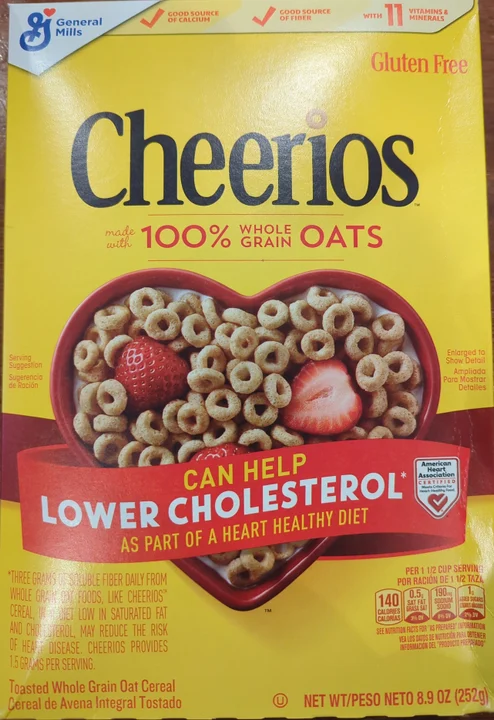 CheeriosLabeled gluten-freeWheat warning on 1 of 8 varieties we checkedGeneral Mills · checked Nov 16, 2026
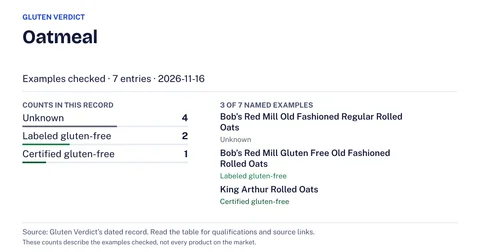 OatmealDepends on the productchecked Nov 16, 2026
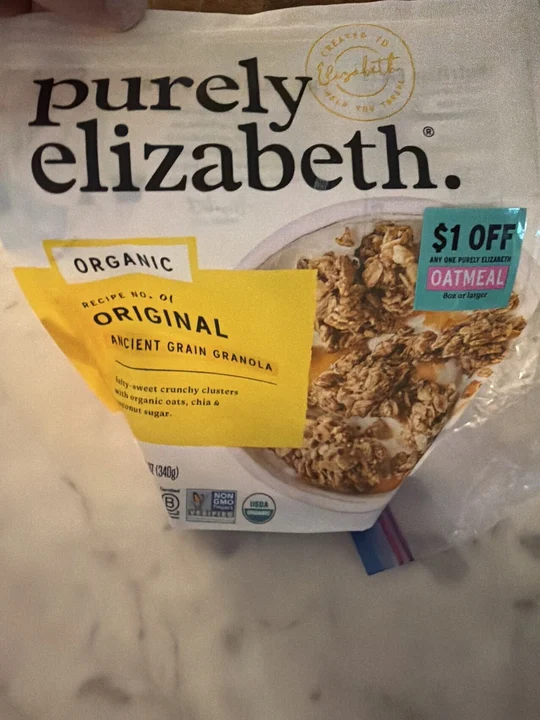 GranolaDepends on the product1 of 6 products we checked contains gluten: Honey Bunches of Oats Honey Roasted Granolachecked Nov 16, 2026
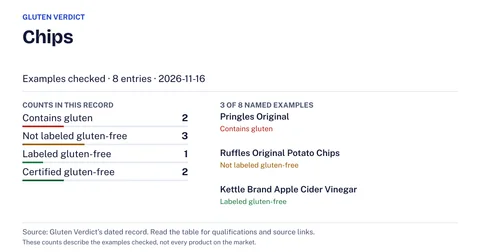 ChipsDepends on the product2 of 8 products we checked contain gluten: Pringles Original and Pringles Salt & Vinegarchecked Nov 16, 2026
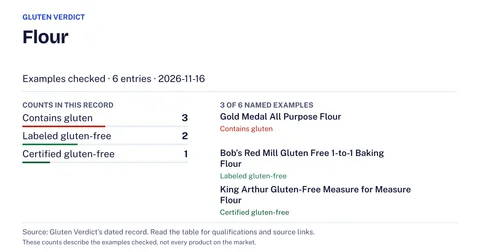 FlourContains glutenchecked Nov 16, 2026
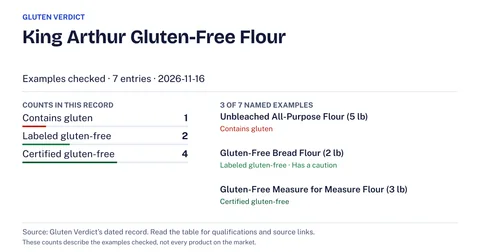 King Arthur Gluten-Free FlourCertified gluten-free1 of 7 varieties we checked contains gluten: Unbleached All-Purpose Flour (5 lb)Wheat warning on 2 of 7 varieties we checkedKing Arthur Baking Company · checked Nov 16, 2026
Questions people ask
If a Hannaford product has no star, does it contain gluten?
Not from the star alone. Guiding Stars says a missing icon means the item did not earn a star5; Hannaford’s Gluten Free Toasted Rice Cereal page shows a gluten claim with no Guiding Stars entry12.
Can I rely on Hannaford’s website to check ingredients and allergens?
Use it to find products. Hannaford says its data for packaged products is collected from labels and suppliers16, so confirm against the pack.
More in Store guides: regional supermarket chains
 Gluten-free at Stop & Shop and Giant: shelf tags, website highlights and own-brand packsWhat a gluten-free shelf tag or website highlight at Stop & Shop and Giant stands behind, how to read an own-brand pack, and a substitution checklist.
 Gluten-free at Big Y: the support groups and the label checkWhat Big Y publishes for gluten-free shoppers, how to treat a shelf tag as a pointer, and where its Living Gluten Free support groups meet.
 Gluten-free at Kroger and Harris Teeter: reading own-brand packs and the counters the label rule does not coverHow to read a Kroger or Harris Teeter pack for gluten, what FDA's claim covers, and which counters sit outside it, with Kroger's own advice.
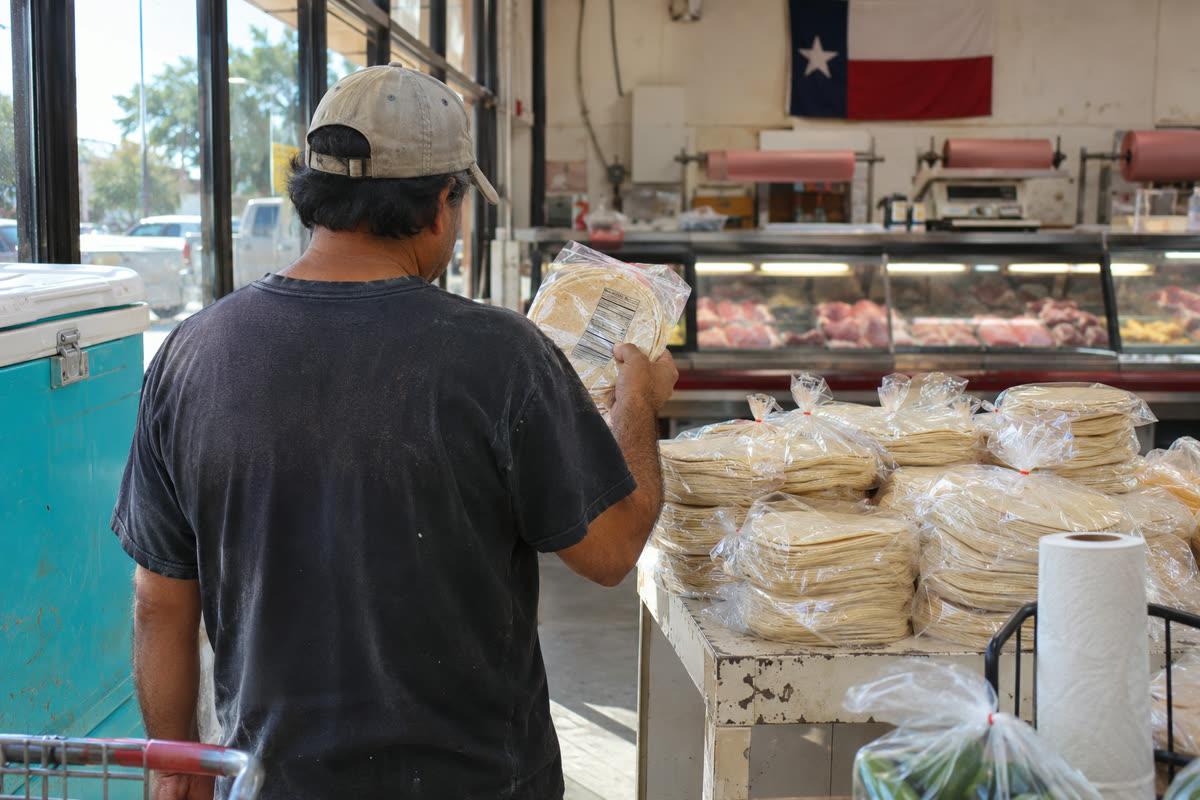 Gluten-free at H-E-B: reading own-brand packs, tortillas, sauces and the meat counterHow to shop H-E-B for gluten: what its own pages say and how old they are, how to read packs, and what to ask at the tortilla, meat and deli counters.
 Gluten-free at Meijer: Meijer-brand packs, True Goodness and the pharmacy aisleHow to read a Meijer-brand or True Goodness pack for gluten, and why a supplement or medicine label follows different rules than food.
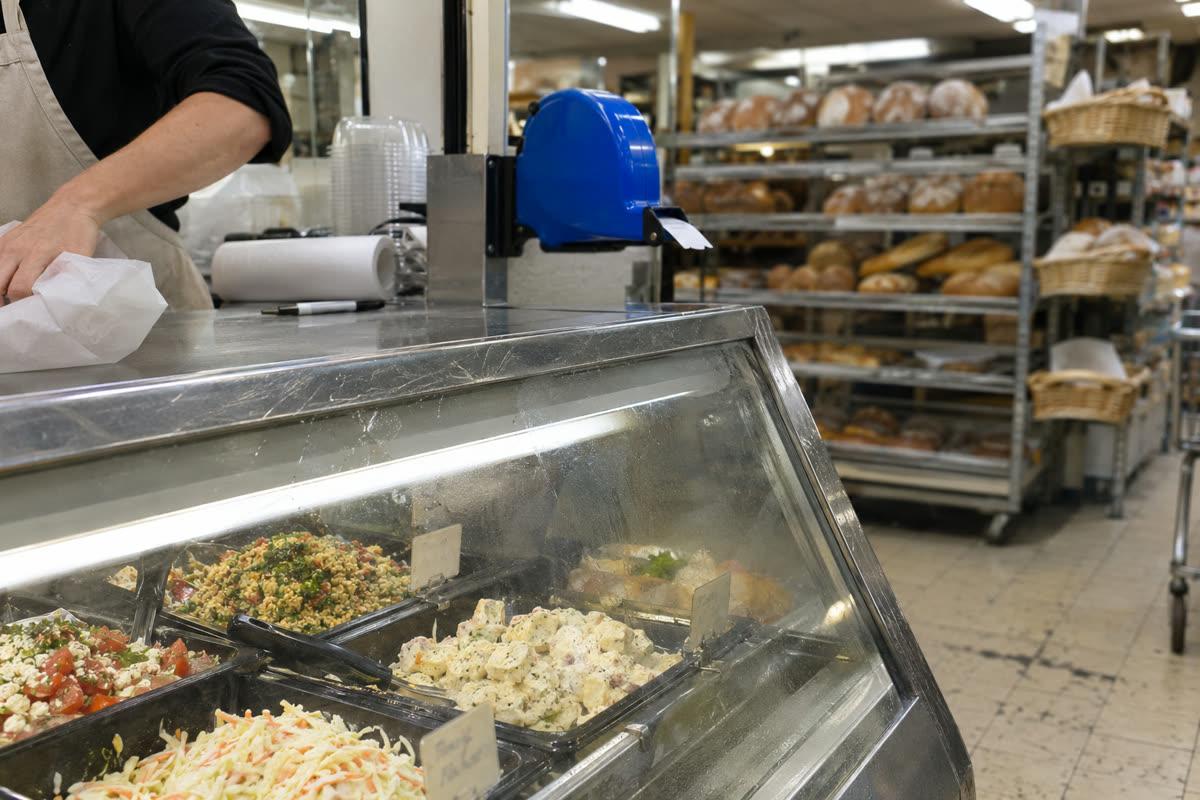 Gluten-free at Price Chopper and Market 32: the blue shelf tag, the ppm figure and the bakery and deliHow to use Price Chopper and Market 32’s gluten-free tag and pages, hold a pack to FDA’s 20 ppm rule, and what the bakery and deli pages leave unsaid.
Related guides
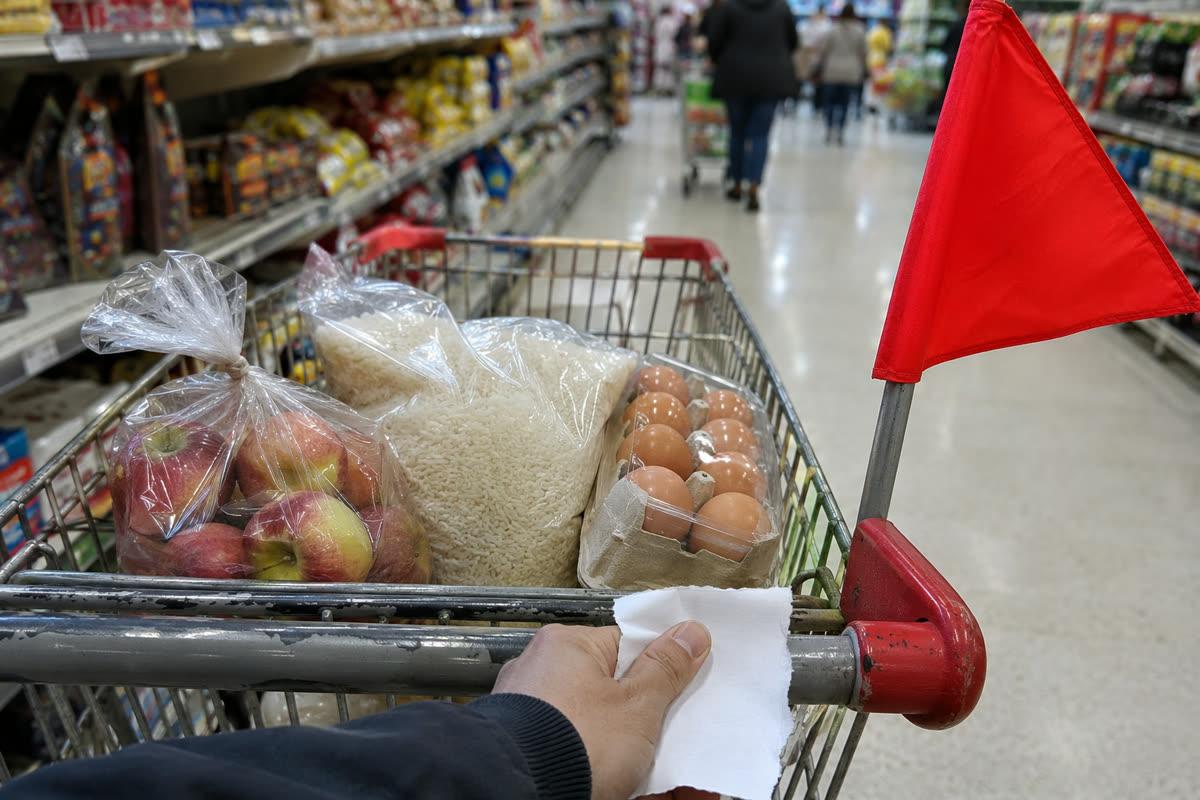 A gluten-free grocery list by aisle for US supermarketsAn aisle-by-aisle gluten-free grocery list for US stores: what needs no label, what needs a check, and what stays off the list.
 Store-brand gluten-free: what the tag, claim or seal rests onSort a store-brand item into certified, maker-stated or ingredient-only, see what each lets you conclude, and know what to ask the store.
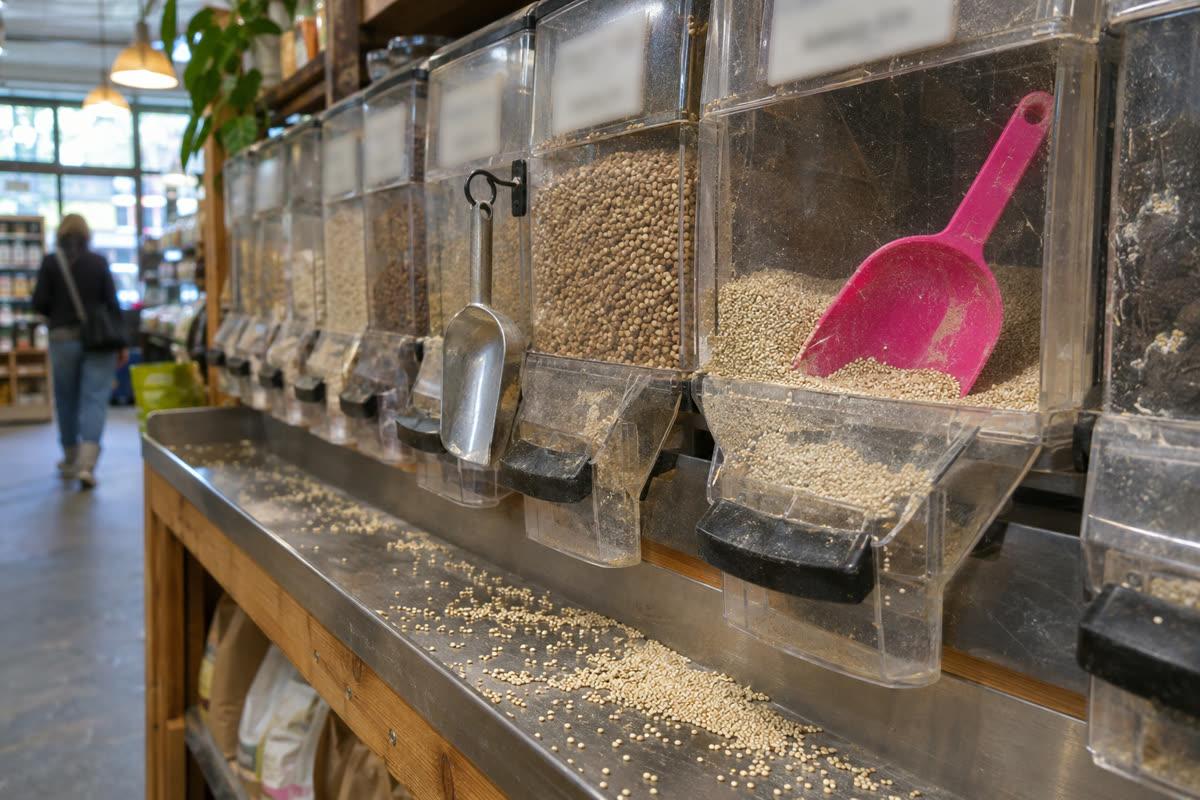 Deli, bakery and bulk-bin counters on a gluten-free dietFor each store counter (deli, bakery, bulk bins, bars): skip it, ask first, or buy the packaged item, and what a store’s own statement tells you.
 How to read a US food label for glutenWhere gluten shows up on a US food label: the gluten-free claim, the Contains line, the ingredient list and may-contain lines, and what each means.
Sources
- [1, 2, 3, 4, 5] Guiding Stars, Rating Methodology, checked Nov 17, 2026.
Read on 2026-11-17: the section “Dietary Components We Consider” lists fiber, live active cultures, omega-3s, vitamins and minerals and whole grains as components to encourage, and added sodium, added sugar, additives to limit, saturated fat and trans fat as components to limit; neither list, nor any list for the other four algorithms, names gluten or any allergen.
- [6, 7] Guiding Stars, Using the Stars, checked Nov 17, 2026.
- [8, 9] Hannaford, Hannaford Gluten Free Wavy Potato Chips (product page), checked Nov 17, 2026.
Read on 2026-11-17: the Highlights list on the page reads Gluten Free, Kosher, Guiding Stars; the ingredients read potatoes, vegetable oil (corn and/or canola and/or sunflower) and salt; the Details text names no certification mark.
- [10, 11] Hannaford, Hannaford Whole Grain Whole Wheat Bread Sliced, 16 oz (product page), checked Nov 17, 2026.
Read on 2026-11-17: the Highlights list on the page reads Kosher, Guiding Stars; the ingredient list begins Whole Wheat Flour, Water, Sugar, Soybean Oil and later names wheat gluten and wheat starch.
- [12] Hannaford, Hannaford Gluten Free Toasted Rice Cereal (product page), checked Nov 17, 2026.
Read on 2026-11-17: the Highlights list on the page reads Gluten Free, Kosher, with no Guiding Stars entry; the Details text includes “Gluten free.” and names no certification mark.
- [13, 14] Hannaford, Nature’s Promise Gluten Free All Purpose Flour Blend (product page), checked Nov 17, 2026.
Read on 2026-11-17: the Highlights list on the page reads Dairy Free, Gluten Free, Kosher, Sustainable Rating, with no Guiding Stars entry.
- [15, 16] Hannaford, Hannaford FAQs, checked Nov 17, 2026.
- [17, 18, 19, 20, 25, 26, 28, 32] US Food and Drug Administration, Questions and Answers on the Gluten-Free Food Labeling Final Rule, checked Nov 17, 2026.
- [21] Gluten Intolerance Group, Living Gluten-Free: Basics & Beyond (2021), checked Nov 17, 2026.
- [22] Gluten Intolerance Group, How Does GFCO Certify Gluten-Free Food?, checked Nov 17, 2026.
- [23, 24, 27] Celiac Disease Foundation, Label Reading & the FDA, checked Nov 17, 2026.
Read on 2026-11-17: the numbered step “Check for obvious ingredients” lists wheat, barley, rye, malt, brewer’s yeast and oats (unless specifically labeled gluten-free).
- [29, 30] Hannaford, Hannaford To Go: Pickup & Delivery, checked Nov 17, 2026.
- [31] Grocery Dive, Hannaford prepares to launch updated e-commerce platform (Oct. 22, 2025), checked Nov 17, 2026.