SNAP and gluten-free food: what the benefit covers and how to shop it
Short answer
SNAP covers any food or food product intended for human consumption except alcoholic beverages, tobacco, and hot foods prepared for immediate consumption; the rule’s exceptions do not name gluten-free or other diet foods, so gluten-free bread, pasta and plain staples fall within it1.
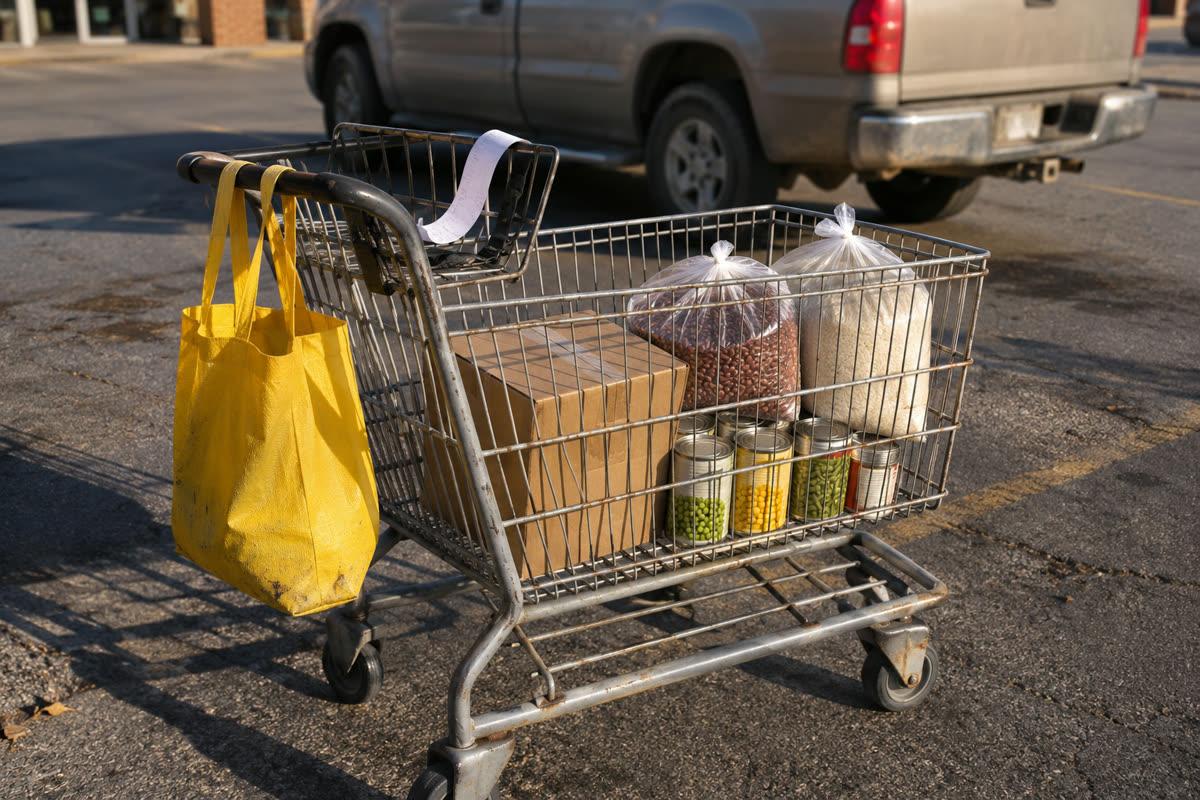
- Spend on foods that are gluten-free by nature first: fruits, vegetables, meat, eggs, beans and rice2.
- Read the label on lentils, oats and other grains and legumes, where cross-contact is more likely3.
- Ask about a diet allowance rather than assuming one: the federal excess medical deduction excludes “special diets”4; your state or local office can say how it treats yours5.
- Apply through your state or local SNAP office5.
Part of Cost, taxes and food assistance, 14 guides
Key points
- Alcohol, tobacco and hot foods prepared for immediate consumption fall outside the rule’s main food definition1.
- The federal excess medical deduction excludes “special diets”; ask your state or local office how a gluten-free diet is handled4, 5.
- Producers of foods that are gluten-free by nature may choose not to label them gluten-free7.
- In one 2007 study, bread and pasta cost twice as much as their wheat-based counterparts8.
- Frozen produce and cooking at home are two of GIG’s budget suggestions9, 10.
Does SNAP cover gluten-free food?
Yes, as food. The federal SNAP rule defines eligible food as any food or food product intended for human consumption, except alcoholic beverages, tobacco, and hot foods and hot food products prepared for immediate consumption1. A gluten-free loaf or box of pasta is a food product, and the definition’s exceptions do not name diet foods1.
The benefit is loaded each month onto an Electronic Benefits Transfer (EBT) card that you use when you shop for food11. The rule’s main definition of a retail food store is an establishment that sells food for home preparation and consumption6, so plan on groceries you cook at home. The same definition of eligible foods also lists some meals for specific households, such as meals served by an authorized communal dining facility for the elderly or for SSI households35; ask your state or local SNAP office whether anything like that applies to you.
- Covered: plain staples such as rice, potatoes, eggs and beans, and labeled gluten-free products, because both are food1.
- Outside the main definition: alcohol, tobacco and hot foods prepared for immediate consumption1.
- Also covered: seeds and plants that grow food for the household to eat12.
USAGov says that to be eligible for SNAP benefits you must meet your state’s requirements13. Ask your state or local SNAP office about anything not covered here.
What SNAP does not change for a medical diet
Some households can deduct medical costs when SNAP counts their income4. The federal rule defines that excess medical deduction as medical expenses above a set monthly amount, “excluding special diets,” for a household member who is elderly or disabled4. The quoted sentence does not say how a gluten-free diet is treated, so ask your state or local SNAP office5.
Whatever your state says, what you buy is the part you control, which is what the rest of this guide covers. For the separate question of the federal income tax, see is gluten-free food tax deductible?
Start the list with foods that are gluten-free by nature
The Gluten Intolerance Group (GIG) tells readers on a gluten-free budget to focus on whole foods that are naturally gluten-free, naming fruits, vegetables, meat, seafood, beans, rice and eggs2. Its 2026 article lists whole, real foods such as fresh fruits and vegetables, unprocessed meats, eggs, beans and legumes14.
FDA notes that producers of foods that are gluten-free by nature, such as fresh fruits and vegetables and fresh seafood, may choose not to label them gluten-free7. A missing claim on plain produce is therefore allowed. Our verdicts cover the staples most lists start with and list the products we checked: rice, potatoes, eggs, chickpeas and corn tortillas.
Staples that still deserve a label check
Plain does not always mean untouched. FDA explains that crop rotation and shared harvesting, transport and storage equipment often bring gluten-containing grains into contact with grains, legumes and seeds that are naturally free of gluten15. For those foods, a gluten-free claim on the package tells the buyer that any gluten present should be under 20 parts per million3.
| Staple (our verdict) | What the sources say |
|---|---|
| Lentils | GIG says lentils should be labeled gluten-free or, for additional assurance, certified by GFCO16. |
| Oats and oatmeal | Oats labeled gluten-free must contain less than 20 ppm gluten17. GIG says the best way to know oats are gluten-free is to look for a third-party certification mark18. |
| Rice, quinoa, polenta and other grains | GIG’s 2026 article says to check labels and choose certified gluten-free products when needed, because cross-contact can be a risk during processing19. |
| Canned vegetables and fruit | GIG says to check the label to confirm there are no unexpected additives20. |
For the full routine, see how to read a US food label for gluten. Our gluten scanner can read a photo of a label or pasted text.
Labeled substitutes: where the extra cost sits
GIG says many gluten-free foods usually come with a higher price tag21. One 2007 study compared wheat-based products with their gluten-free counterparts: overall, every gluten-free product cost more22, and bread and pasta cost twice as much8. The same study found that cost depended more on the shopping venue than on geographic location23. It is one study from 2007, so treat it as a sign of where the premium sits, not a price list.
If you buy a labeled substitute, the claim has a definite meaning. The FDA rule is for voluntary use of the claim24, and unavoidable gluten in a food labeled gluten-free must be under 20 ppm25. Our verdicts for bread, pasta and oatmeal show which products we checked carry the claim.
GIG notes that buying these products in multiples when on sale, or with coupons, can help offset the increased cost26.
Stretching the benefit through the month
- Cook at home: GIG says cooking your own food saves a lot of money10.
- Use frozen produce: GIG says frozen fruits and vegetables are just as nutritious, last significantly longer and often cost a fraction of the fresh alternative9.
- Look at international markets: GIG says they sometimes sell gluten-free foods at cheaper prices than conventional stores27, and warns their products are less likely to be labeled or certified gluten-free28.
- Grow some food: seeds and plants for the household’s own food count as eligible food12.
More budget ideas are in gluten-free on a budget and our grocery shopping tips.
Other help alongside SNAP
- Food banks and pantries: USAGov says to contact community or religious organizations to find a local food bank or food pantry29, or to call 211 for agencies that can help with finding food in an emergency30. Ask what is on hand and read the labels.
- WIC: the program can help you and your young children get food, nutrition counseling and social service referrals31; to apply for your children, they must be under 5 years old32.
- School meals: USAGov lists receiving SNAP among the ways children may qualify for free school lunch, breakfast or milk33. For a gluten-free school meal, see the 504 plan guide.
Where to apply
USAGov says to contact your state or local SNAP office to apply; depending on the state you may be able to apply online, in person, by mail or by fax5. You may need to take part in an interview before approval34.
Verdicts in this guide
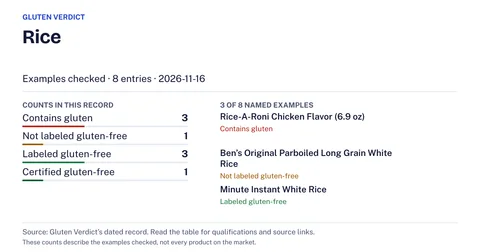 RiceNaturally gluten-free3 of 8 products we checked contain gluten: Rice-A-Roni Chicken Flavor (6.9 oz), Near East Original Rice Pilaf, and Ben’s Original Ready Rice Rice PilafBuy it labeled gluten-freechecked Nov 16, 2026
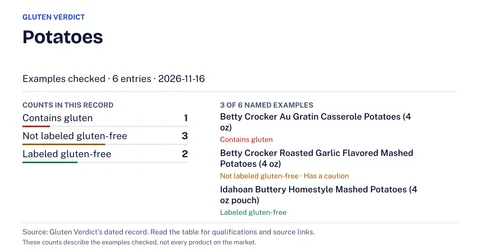 PotatoesNaturally gluten-free1 of 6 products we checked contains gluten: Betty Crocker Au Gratin Casserole Potatoes (4 oz)checked Nov 16, 2026
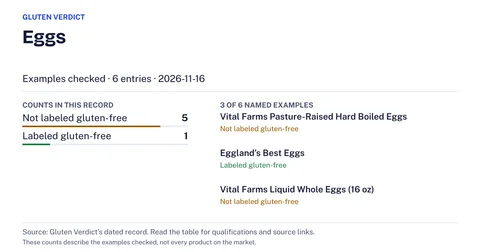 EggsNaturally gluten-freechecked Nov 16, 2026
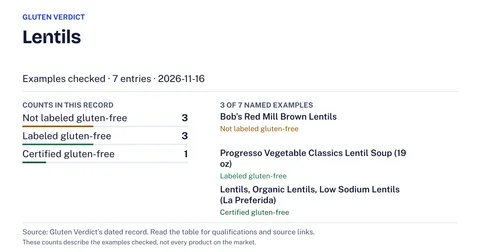 LentilsDepends on the productchecked Nov 16, 2026
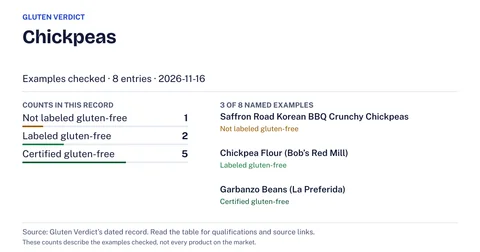 ChickpeasNaturally gluten-freechecked Nov 16, 2026
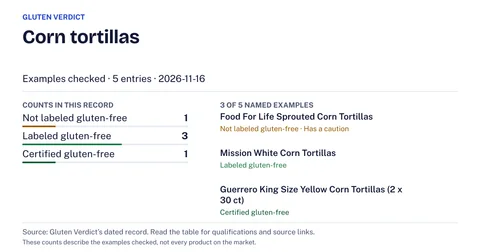 Corn tortillasDepends on the productchecked Nov 16, 2026
 OatmealDepends on the productchecked Nov 16, 2026
 BreadContains glutenchecked Nov 16, 2026
 PastaContains glutenchecked Nov 16, 2026
Questions people ask
Can I buy gluten-free bread and pasta with SNAP?
Yes. SNAP covers any food or food product intended for human consumption except alcoholic beverages, tobacco and hot foods prepared for immediate consumption, and a gluten-free loaf is not among the exceptions1.
Does SNAP pay extra for a gluten-free diet?
The federal rule for the excess medical deduction, which applies to a household member who is elderly or disabled, excludes “special diets”4. Ask your state or local SNAP office how a gluten-free diet is handled in your case5.
Can I use SNAP at a restaurant?
In general no. The main definition excludes hot foods prepared for immediate consumption1, and the rule’s main definition of a retail food store is an establishment that sells food for home preparation and consumption6. It also lists some meals for specific households, so ask your state or local SNAP office35.
Does a food need a gluten-free label to be bought with SNAP?
No. Eligibility turns on the food definition1, and the gluten-free claim is voluntary24. FDA says producers of foods that are gluten-free by nature may choose not to label them7. For foods with a higher risk of cross-contact, such as grains and legumes, a claim tells you gluten should be under 20 ppm3.
More in Cost, taxes and food assistance
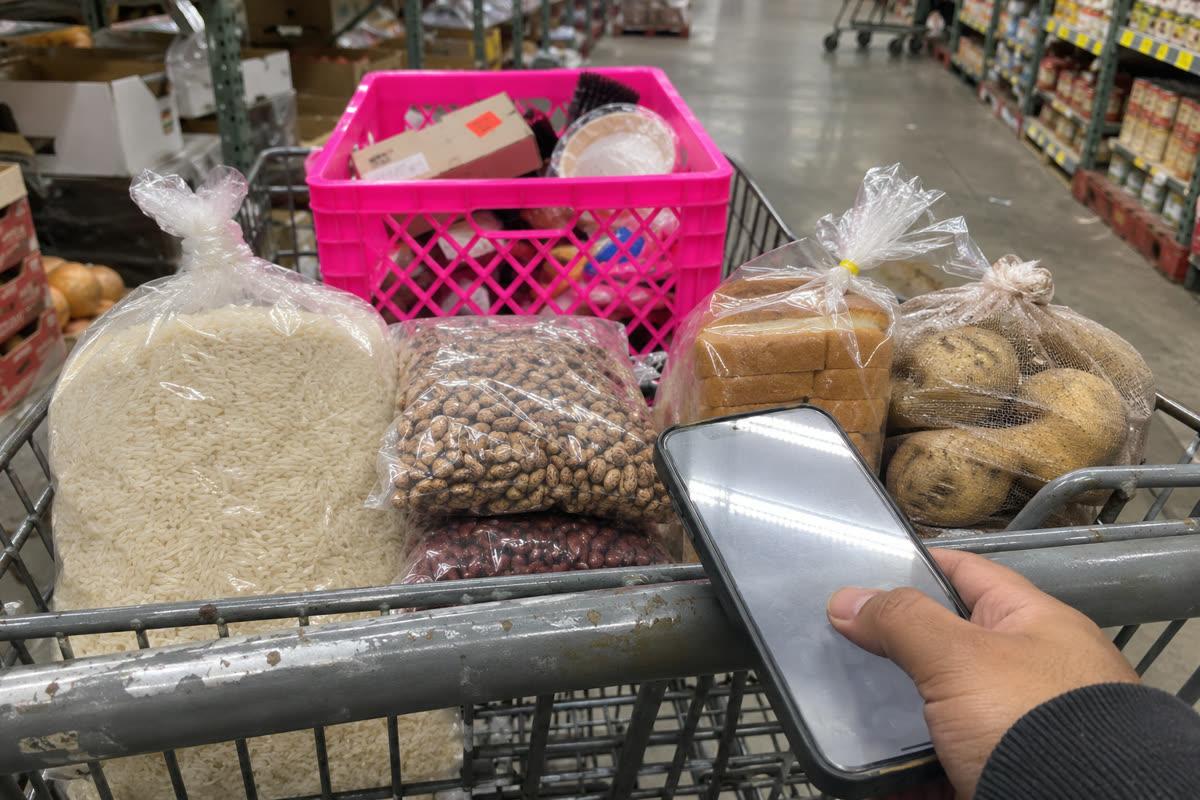 Gluten-free on a budget: what costs extra and what does notSort a gluten-free shopping list into plain foods, foods that need a statement and packaged substitutes, then compare costs and check each claim.
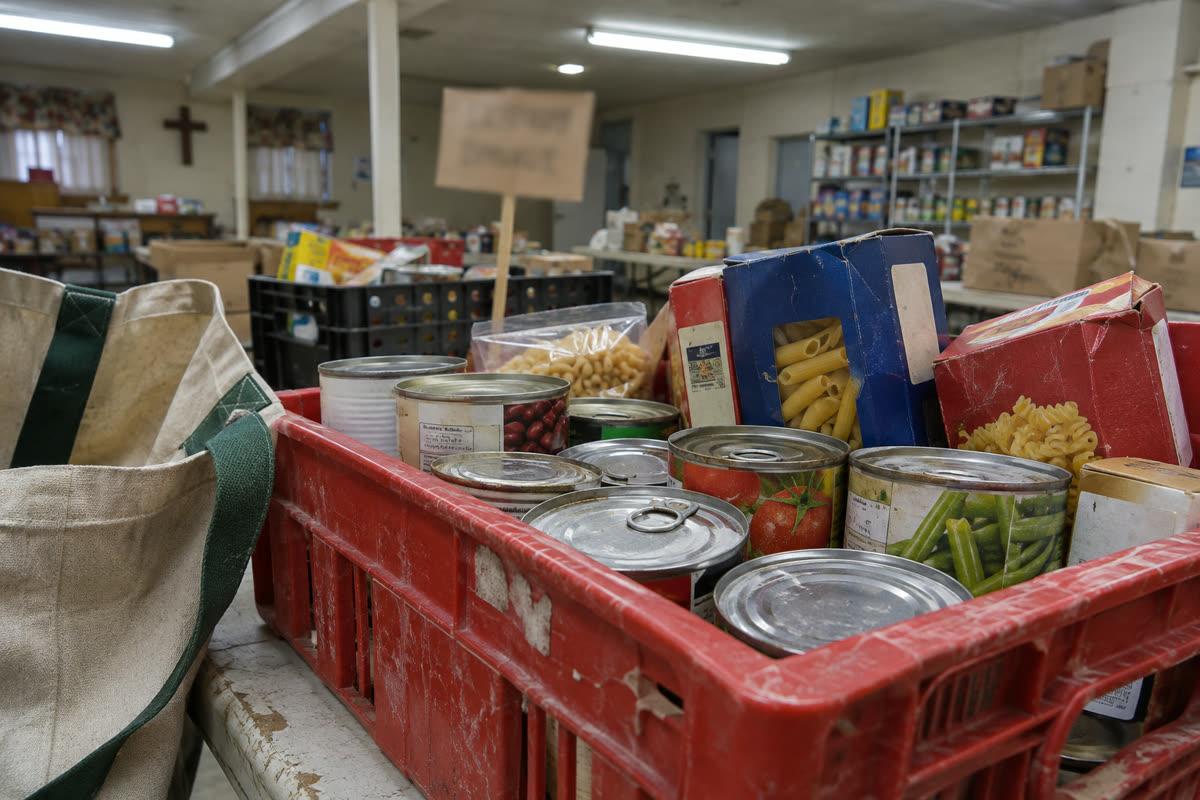 Food banks and pantries: how to ask for gluten-free items and check donated foodHow to find a pantry, ask for gluten-free items in a way a volunteer can act on, and check a donated item before you eat it or serve it.
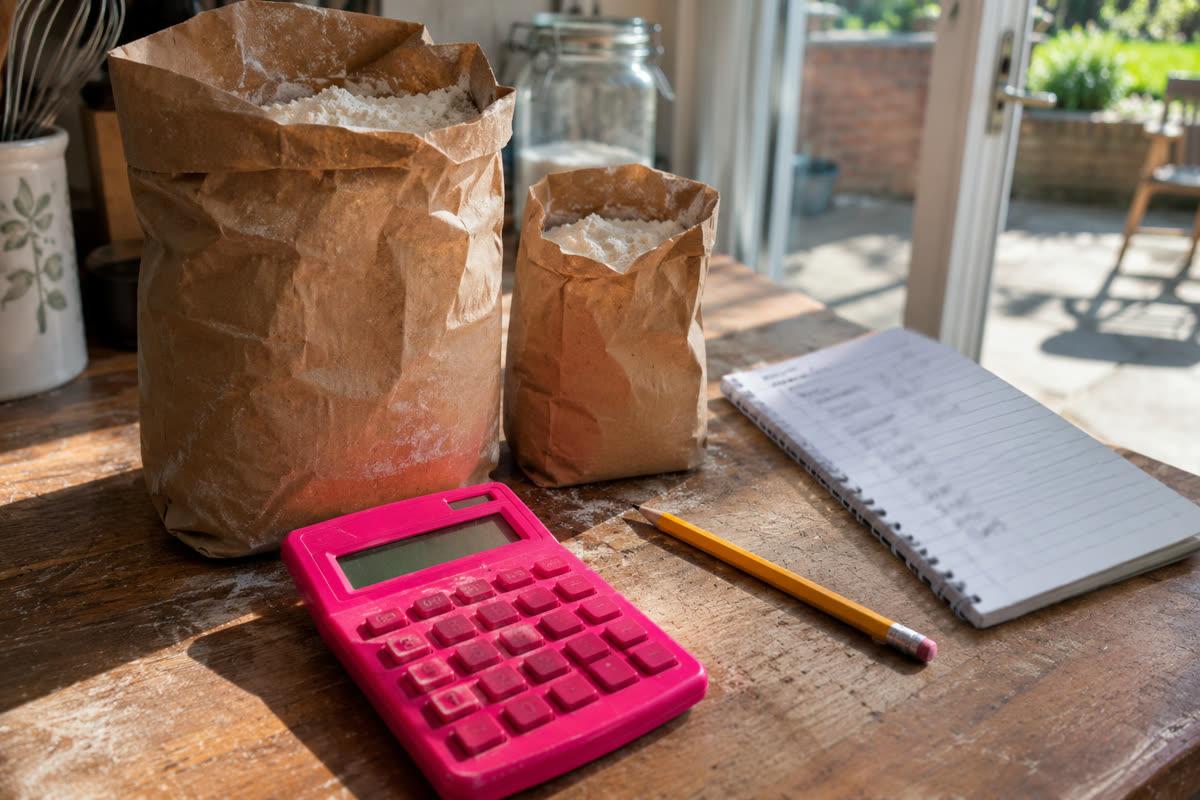 A price-per-ounce worksheet for comparing gluten-free staples at any store, club or onlineA worksheet for comparing gluten-free staples by price per ounce across stores, clubs and online, with a column for the gluten-free statement.
 WIC and gluten-free food: what the package includes and how to ask for a substitutionHow WIC food packages treat wheat, how states mark gluten-free items, and what to ask the clinic about a substitute for bread, cereal or grains.
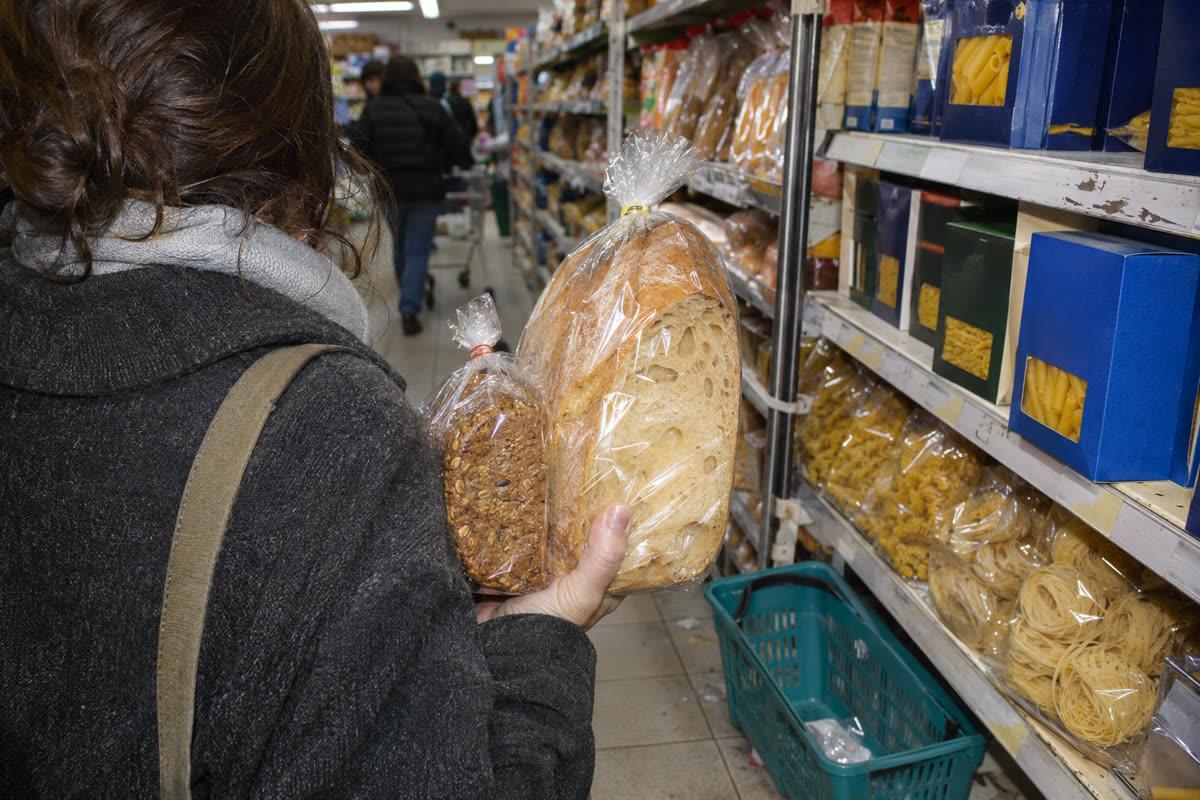 Why gluten-free packaged food costs more, and what the price surveys showWhat price surveys found, what researchers say drives the gap, what FDA’s rule and one certifier require, and what a shopper can avoid.
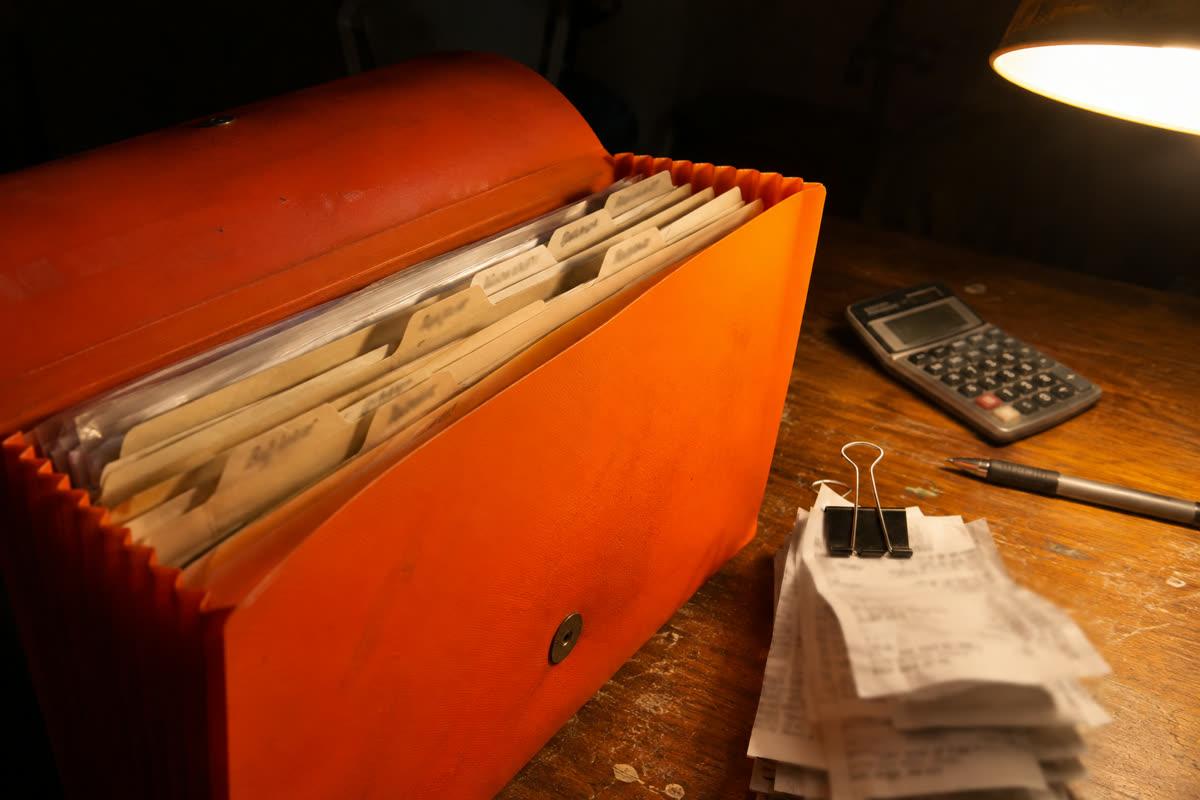 Is gluten-free food tax deductible? What the IRS says and what to keepWhat IRS Publication 502 says about special food as a medical expense, how the excess-cost sum works, and what records to bring to a tax professional.
Related guides
 A starter gluten-free pantry: 30 shelf items and the label check for eachThirty shelf items for a first gluten-free pantry, tagged by the label check each needs, plus how to keep jars, toaster and colander apart at home.
 How to build a gluten-free emergency food supplyBuild a gluten-free emergency food supply: a stock list by food type, reading a freeze-dried pouch, maker shelf-life claims and what to bring to a shelter.
 Starting a gluten-free diet: testing first, then labels, oats and the kitchenWhat NIH and the celiac charities say about starting a gluten-free diet: testing first, which foods to start with, a US label check, oats and the kitchen.
 Does a gluten-free diet help you lose weight?What reviews, NIDDK and celiac charities report about a gluten-free diet and weight outside celiac disease, and what the substitute foods contain.
Sources
- [1, 6, 12, 35] eCFR (US Government Publishing Office and National Archives), 7 CFR 271.2, Definitions: eligible foods, checked Nov 17, 2026.
- [2, 10, 21, 26, 27, 28] Gluten Intolerance Group, 5 Ways to Cut Costs on a Gluten-Free Diet, checked Nov 17, 2026.
- [3, 7, 15, 17, 24, 25] US Food and Drug Administration, Questions and Answers on the Gluten-Free Food Labeling Final Rule, checked Nov 17, 2026.
- [4] eCFR (US Government Publishing Office and National Archives), 7 CFR 273.9, Income and deductions: excess medical deduction, checked Nov 17, 2026.
- [5, 11, 13, 34] USAGov (US General Services Administration), How to apply for food stamps (SNAP benefits) and check your balance, checked Nov 17, 2026.
- [8, 22, 23] Journal of Human Nutrition and Dietetics (PubMed), Lee et al. 2007, “Economic burden of a gluten-free diet” (abstract), checked Nov 17, 2026.
- [9, 14, 19, 20] Gluten Intolerance Group, Smart Shopping, Big Savings: Gluten-Free Staples and Affordable Snacks (June 2026), checked Nov 17, 2026.
- [16] Gluten Intolerance Group, If my lentils are organic, do they still need to be labeled gluten-free? (FAQ, October 14, 2019), checked Nov 17, 2026.
- [18] Gluten Intolerance Group, Are Oats and Oat Flour Gluten-Free?, checked Nov 17, 2026.
- [29, 30] USAGov (US General Services Administration), How to get emergency food assistance, checked Nov 17, 2026.
- [31, 32] USAGov (US General Services Administration), Get food assistance with the WIC program, checked Nov 17, 2026.
- [33] USAGov (US General Services Administration), School meals and food programs for children, checked Nov 17, 2026.